
Eswatini
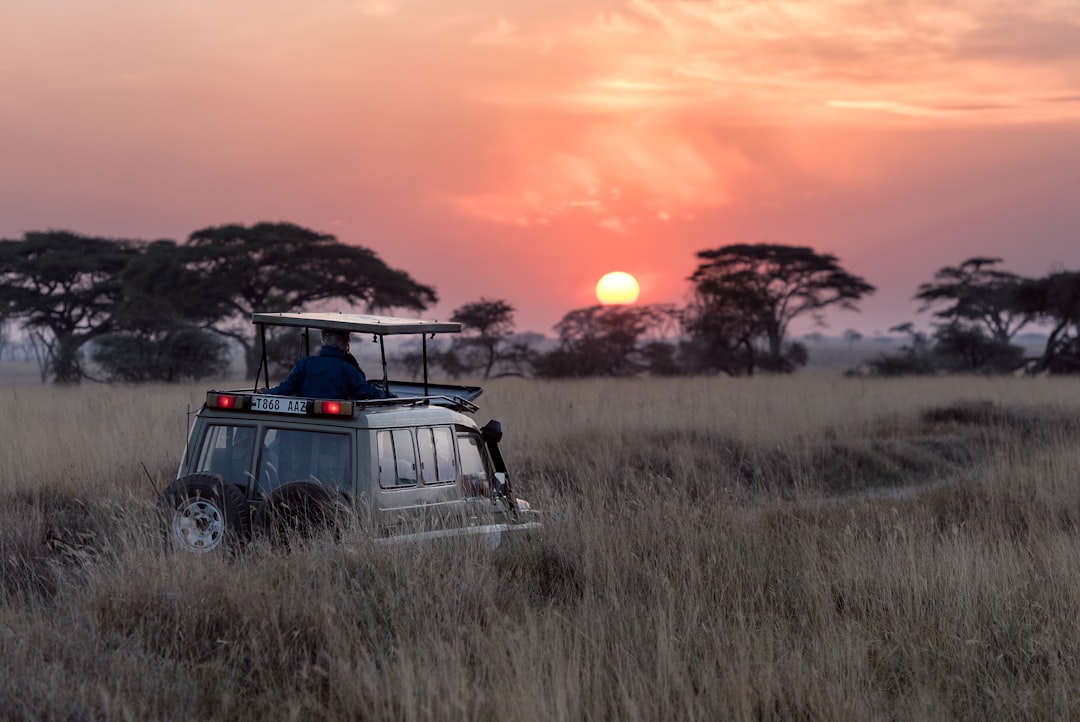
Africa's last absolute monarchy is a small but culturally rich kingdom nestled between South Africa and Mozambique. Known for its vibrant traditions, nature reserves, and the spectacular Umhlanga Reed Dance.
Photo by Eswatini Photography on Unsplash
About Eswatini
Eswatini, the Kingdom of Eswatini formerly known internationally as Swaziland, is the second-smallest country in continental Africa and one of the most rewarding destinations for travellers who have already done the bigger, more famous circuits. After the vast plains of Kruger, the iconic dunes of Namibia, the crowded vehicles of the Masai Mara, Eswatini offers something that scale cannot provide: intimacy, accessibility, and the particular quality of a place that has not been processed for mass tourism. In six days, a visitor can move from white rhinoceros sightings at the largest lowveld reserve, through the cultural heartland of the Ezulwini Valley, up into the mist-shrouded afromontane highlands of Malolotja, and back, covering ecosystems and experiences that most larger countries would require weeks to deliver. The mountain drive from the hot, flat lowveld to the cool, fog-draped highveld takes forty minutes and drops twenty degrees.
This is one of the last absolute monarchies on earth, ruled by King Mswati III, and the country's deeply-held traditions are visible everywhere. The Umhlanga Reed Dance (late August/September) draws 40,000 young Swazi women to the royal residence at Ludzidzini for an eight-day ceremony of song, dance, and reed presentation to the Queen Mother — one of the most spectacular mass-participation cultural events on the African continent. The Incwala First Fruits Festival (late December/January) is a sacred ceremony of national renewal governed by ancestral astrology and the lunar cycle. These are not performances staged for visitors; they are functional civic and spiritual events that tourists are permitted to observe. The distinction matters and the experience reflects it. Outside ceremony season, the Mantenga Cultural Village, the Lobamba royal precinct, the Manzini markets, and the everyday village life across the country offer an unusually genuine window into a living southern African culture.
Eswatini is also surprisingly rich in nature for its size. Hlane Royal National Park, the country's largest, holds white rhino at densities unmatched outside South Africa's premier reserves, plus elephant, lion, and the legendary Ndlovu floodlit waterhole. Mkhaya Game Reserve runs Eswatini's most exclusive guided rhino tracking programme with both black and white rhino. Mlilwane Wildlife Sanctuary — predator-free by design — is the only southern African destination where visitors can walk, cycle, and ride horseback directly through wildlife herds. Malolotja Nature Reserve protects afromontane ecosystems of UNESCO-listed significance — 12 globally threatened bird species, ancient cycad forests, and the 89-metre Malolotja Falls. The Mantenga and Phophonyane reserves add forest and waterfall scenery to round out one of Africa's most varied small-country itineraries. The Jeppes Reef border is less than two hours from Kruger's eastern gates, making Eswatini the ideal extension for Kruger travellers who want cultural depth and a fundamentally different landscape without doubling the budget.
Explore Eswatini
In-depth guides to the destinations that define a trip to Eswatini.
The Safari You Can Walk
Mlilwane Wildlife Sanctuary
Eswatini's oldest protected area and the only southern African destination where visitors can walk, cycle, and horseback ride directly throu…
The Rhino Kingdom
Hlane Royal National Park
Eswatini's largest national park, home to exceptional white rhino densities, elephants, lions, and the legendary Ndlovu Camp floodlit waterh…
The Highland Wilderness
Malolotja Nature Reserve
44,000 acres of pristine afromontane wilderness — the canopy tour, 89-metre Malolotja Falls, 12 globally threatened bird species, ancient cy…
Eswatini's Exclusive Rhino Sanctuary
Mkhaya Game Reserve
Strictly guided, exclusively accessed — Mkhaya's tightly controlled model delivers the highest-certainty black and white rhino encounters in…
Living Swazi Heritage
Mantenga Cultural Village
A meticulous reconstruction of a 19th-century Swazi homestead, inhabited by community members who perform daily traditional activities. Dail…
The Valley of Heaven
Ezulwini Valley & Lobamba
Eswatini's cultural, spiritual, and logistical centre. The corridor between Mbabane and Manzini holds Lobamba (the spiritual capital), the S…
Ancient Rock and Forest
Phophonyane Falls Nature Reserve
Ten kilometres north of Piggs Peak — an 80-metre waterfall over rocks dated at 3.55 billion years old. Subtropical forest, 240+ bird species…
The Northern Scenic Gateway
Maguga Dam
A scenic reservoir on the Komati River in the Hhohho region — panoramic valley views, boat cruises, and the start of the MR1 craft corridor …
Eswatini's Artisan Valley
Malkerns Valley
The fertile agricultural valley south of Ezulwini hosting Swazi Candles, Gone Rural, Baobab Batik, and the annual MTN Bushfire Festival. Dir…
Community, Panorama, and Escarpment
Shewula Mountain Camp
Eswatini's pioneering community eco-tourism project on the Lubombo escarpment. A 100-kilometre panorama across the lowveld into Mozambique, …
Top Highlights
Umhlanga (Reed Dance)
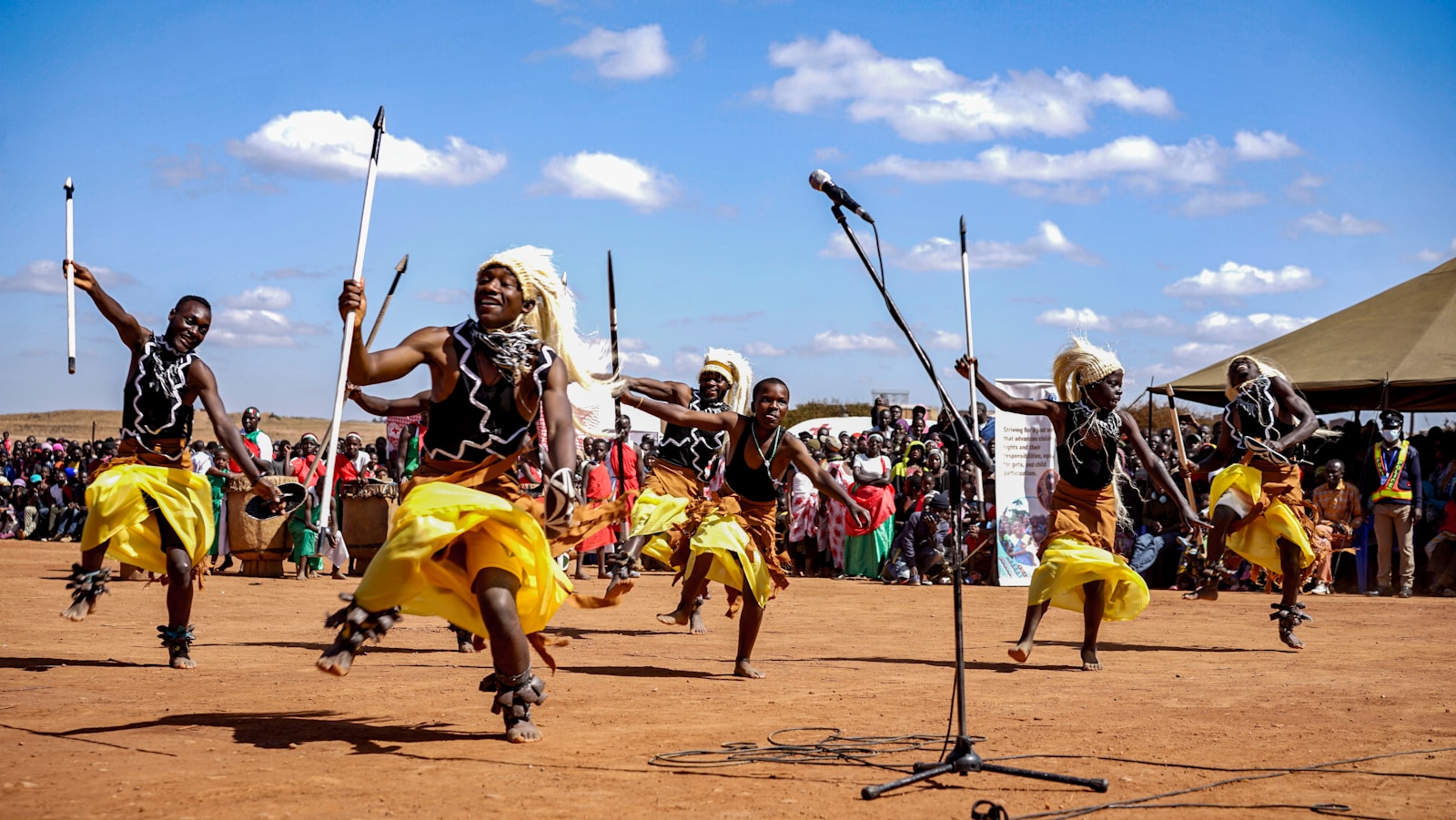
One of Africa's most spectacular living ceremonies. For eight days each August or September, tens of thousands of young Swazi women gather at the royal village of Ludzidzini to present reeds to the Queen Mother in a choreography of song and dance that dates back centuries. The final days are open to respectful visitors.
Sibebe Rock
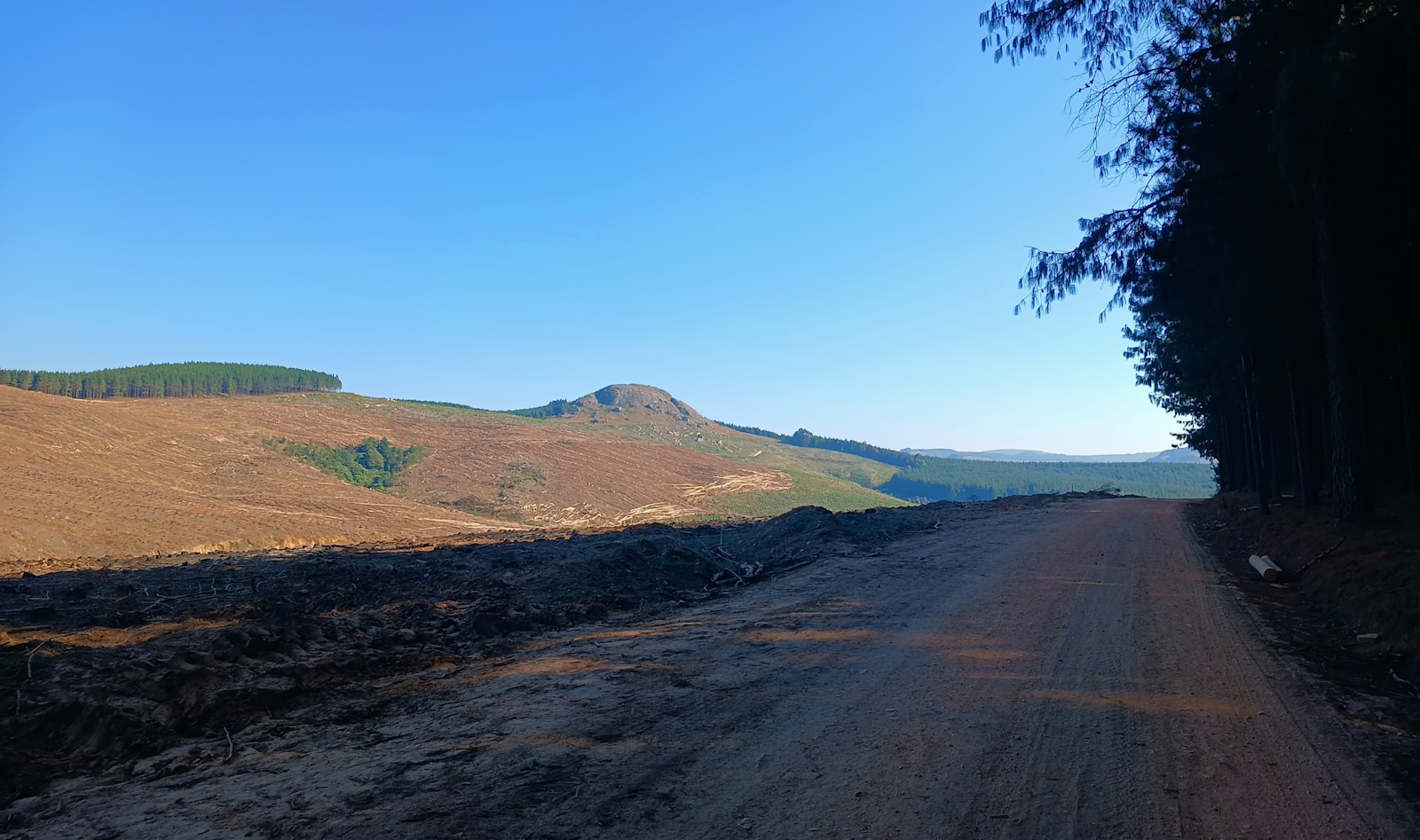
The world's second-largest monolith after Uluru (Ayers Rock) in Australia, a 3-billion-year-old granite dome rising 350 metres above the surrounding countryside. Guided hikes to the summit take 3-4 hours and reward you with some of the best panoramic views in the country.
When to Visit Eswatini
Dry Winter
May, September
The optimal window for game viewing and highland hiking. Vegetation thins, wildlife concentrates around waterholes (Hlane and Mkhaya at their best), and the Malolotja trails are dry, clear, and free of lightning risk. Highveld nights can drop to near freezing in June-July; the lowveld stays pleasantly warm. August-September brings the Umhlanga Reed Dance, the kingdom's biggest cultural event.
Shoulder
April, October
Shoulder periods before and after the summer rains. Warmer than winter; the landscape is still green from the previous wet season in autumn or starting to green up in spring. Good value, thinner crowds, comfortable for outdoor activity. October may bring early afternoon thunderstorms.
Green Summer
November, March
Warm, lush, and wet. Afternoon thunderstorms are dramatic; the country turns vivid green; migratory birds arrive in extraordinary numbers and the highland orchids of Malolotja are at their most spectacular. Hlane internal roads can become rough; some highland tracks become impassable mud. The Incwala sacred kingship ritual is held in late December/January but is less visitor-accessible than Umhlanga.
Getting to Eswatini
Most travellers arrive by road from South Africa, the country has six active border crossings with South Africa and one with Mozambique. King Mswati III International Airport (SHO) near Manzini receives limited regional flights, primarily from Johannesburg. Self-drive from Johannesburg or the Kruger National Park area is the most common approach and takes 4-5 hours.
Main Airports
- King Mswati III International Airport (SHO), Manzini
Visa Information
Most nationalities (including EU, US, UK, and Commonwealth countries) do not require a visa for stays up to 30 days. Passports should have at least 6 months' validity.
From Neighbouring Countries
The Oshoek border from Gauteng is the busiest and easiest crossing for Johannesburg arrivals. The Jeppes Reef / Matsamo border connects the eastern side of Eswatini directly to Kruger National Park and makes the two easy to combine. The Lomahasha border provides access to southern Mozambique.
Travel Tips for Eswatini
Explore More, Eswatini
More in Southern Africa
South Africa
Capital: Pretoria
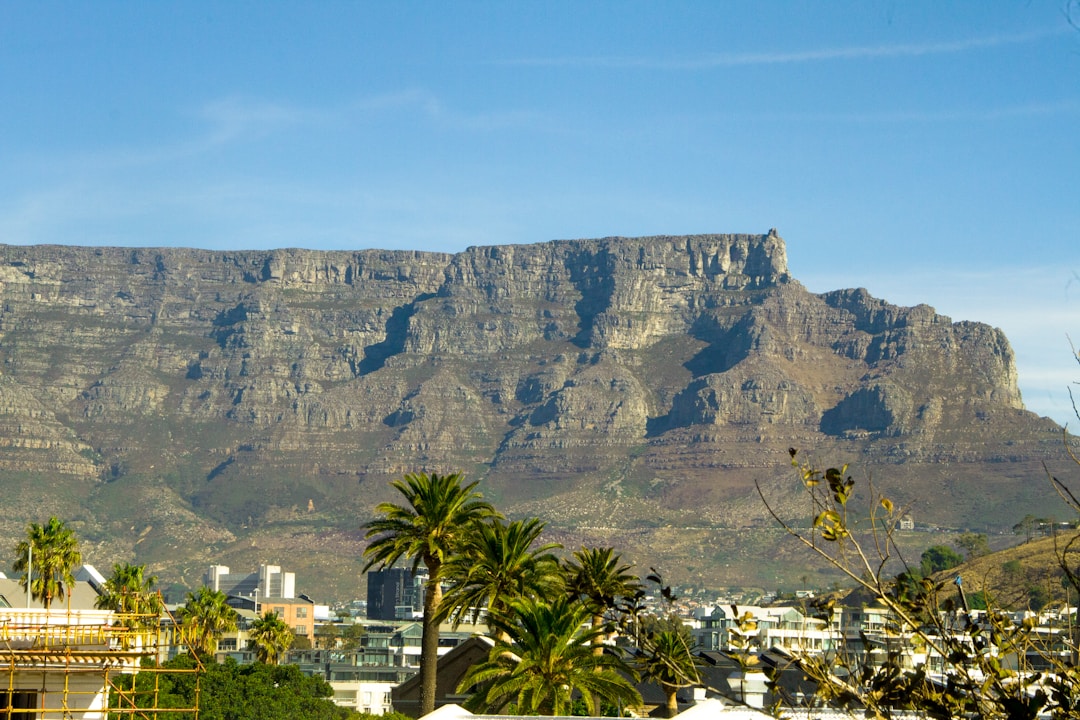
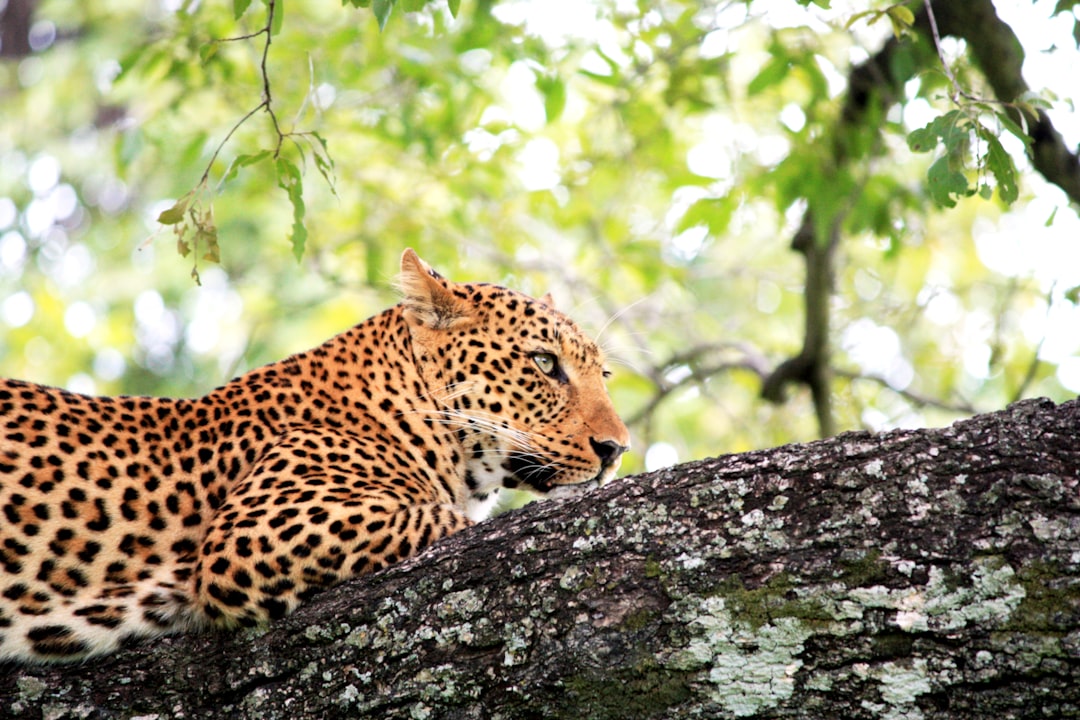
A world in one country, Big Five safari that sets the global benchmark, Cape Town as one of the world's great cities, the Cape Winelands matching the world's best, the Garden Route, the Drakensberg, and the historical depth of the Apartheid Museum and Robben Island. No other African country assembles this range.
Zambia
Capital: Lusaka
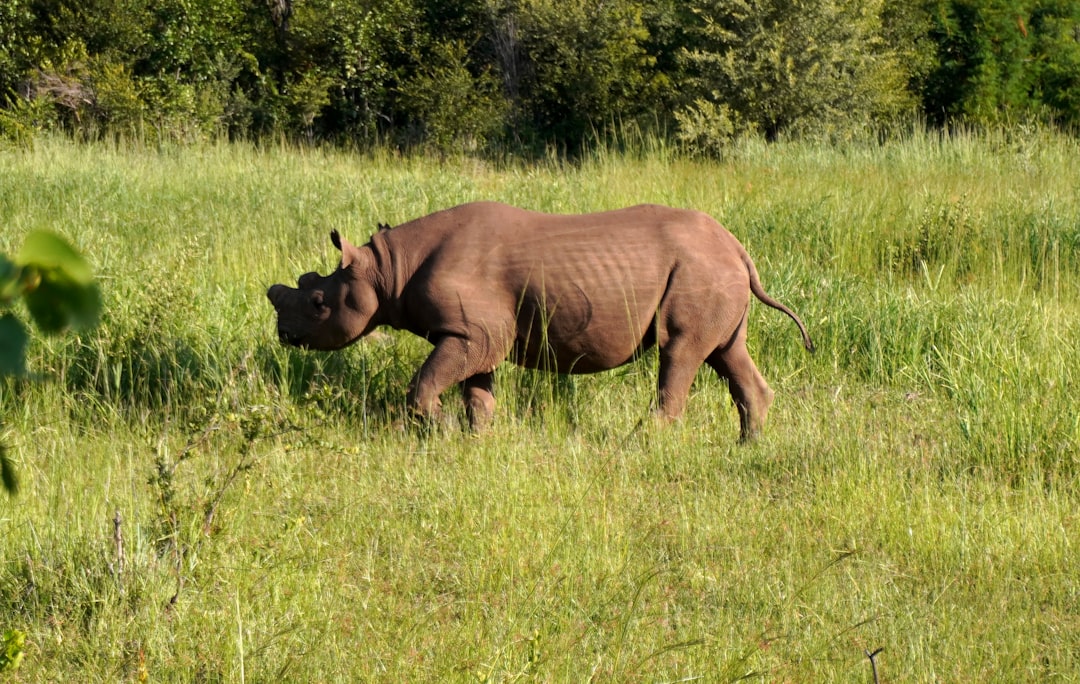
Home to the mighty Victoria Falls and some of Africa's finest walking safaris. Zambia is raw, authentic, and uncrowded, a destination for travellers who want to experience the real Africa.
Zimbabwe
Capital: Harare
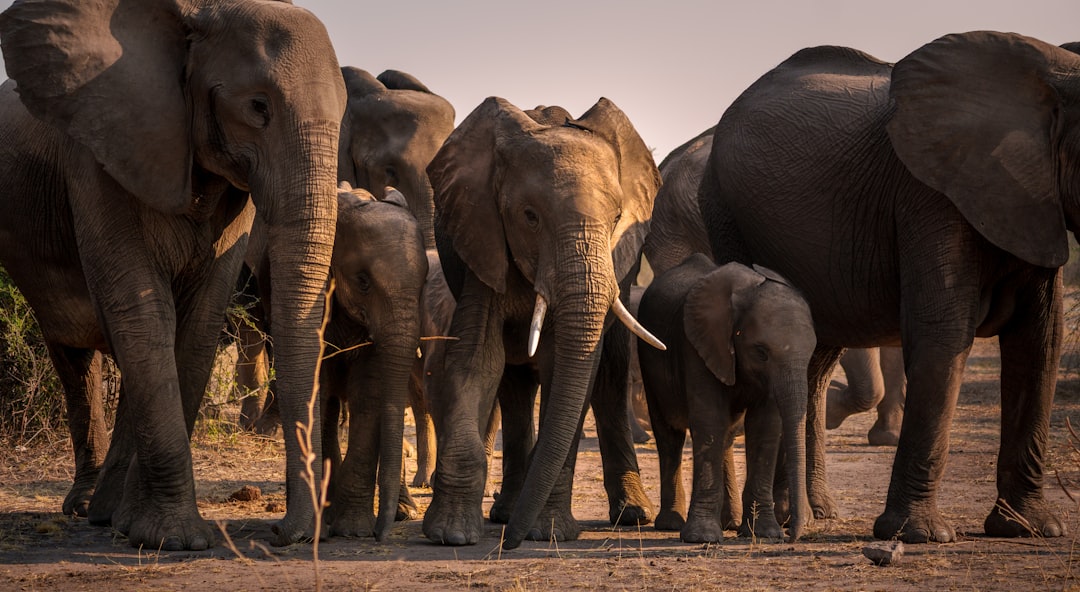
From the Zimbabwe side of Victoria Falls to the ancient ruins of Great Zimbabwe, this is a country of extraordinary natural beauty and deep cultural heritage. Hwange and Mana Pools deliver world-class safari experiences.
Botswana
Capital: Gaborone
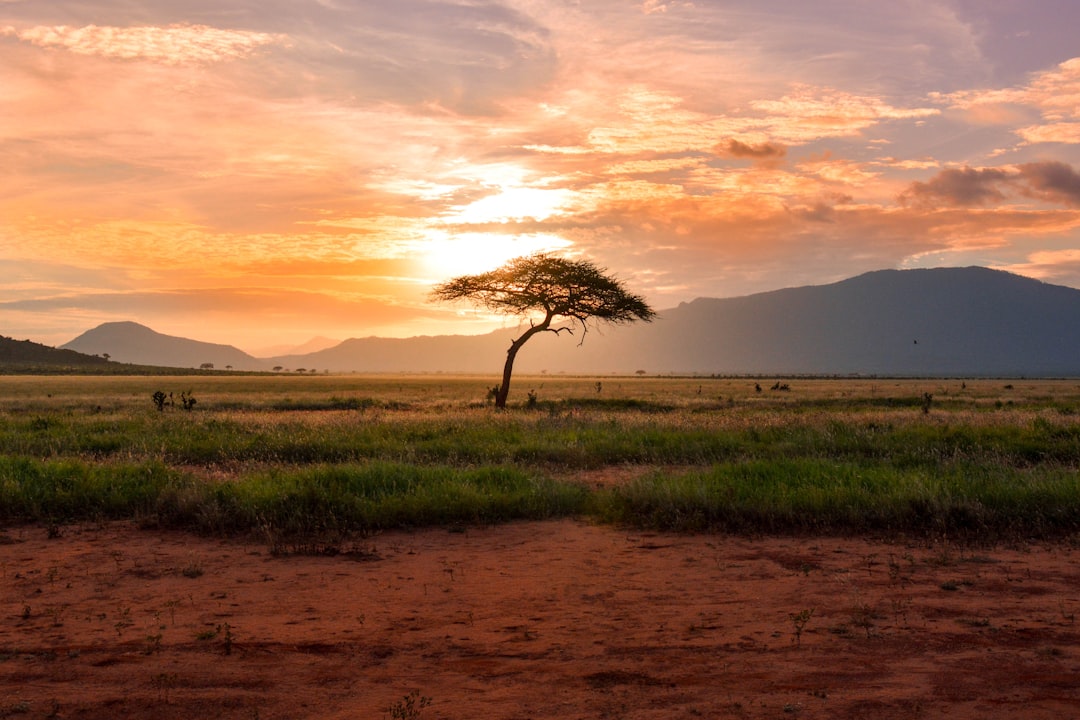
The jewel of Southern African safari. The Okavango Delta, Chobe National Park, and the Makgadikgadi Salt Pans make Botswana one of the most sought-after wildlife destinations on Earth.
Namibia
Capital: Windhoek
A photographer's paradise of towering red dunes, shipwreck coastlines, and vast desert landscapes. Namibia is one of Africa's most visually striking countries, with excellent self-drive routes and unique desert-adapted wildlife.
Mozambique
Capital: Maputo
Africa's Indian Ocean paradise, 2,500 kilometres of coast, the Bazaruto Archipelago's last viable dugong population, year-round whale sharks at Tofo, Africa's greatest rewilding story at Gorongosa, and the UNESCO heritage of Ilha de Moçambique. Note: Cabo Delgado Province (including the Quirimbas) is currently subject to Level 4 "Do Not Travel" advisories.