
Shewula Mountain Camp
Eswatini's pioneering community eco-tourism project on the Lubombo escarpment. A 100-kilometre panorama across the lowveld into Mozambique, traditional huts with hot water, and a digital-detox experience built around real community life.
Community, Panorama, and Escarpment
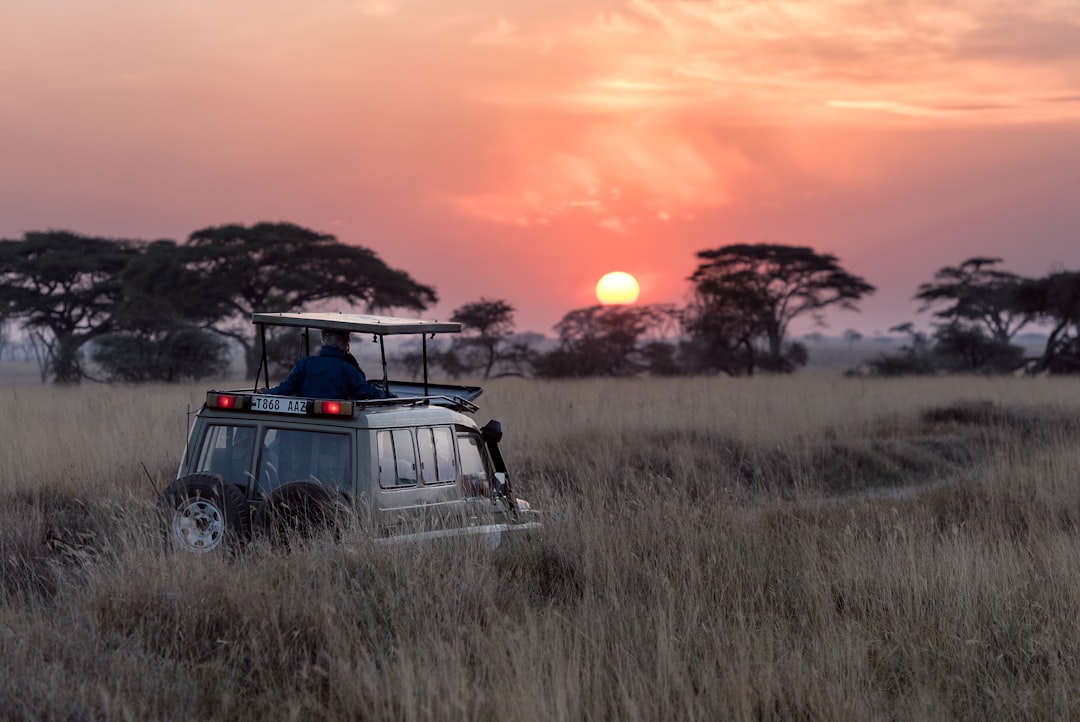
Photo by Eswatini Photography on Unsplash
About Shewula Mountain Camp
The Lubombo escarpment drops precipitously from its ridge into the lowveld below. From the edge — where Shewula Mountain Camp sits — the view extends for 100 kilometres: across the entirety of Eswatini's lowveld reserves, through the haze of the eastern lowland, and into the plains of Mozambique beyond. On a clear morning, this is one of the most expansive single views in southern Africa.
Shewula Mountain Camp was established as the first community-driven eco-tourism project in Eswatini. All profits flow directly into the Shewula community, funding education and infrastructure that would otherwise be inaccessible in this remote northeastern location. The camp operates as a genuine community enterprise, not a managed tourism product — the interactions, the activities, and the daily life visible around the camp are real. The camp prioritizes cultural immersion over luxury. Guests stay in traditional huts — comfortable, with hot water, but without in-room electricity — which encourages gathering at the communal dining area after dark. The absence of screens and connectivity is the point: Shewula is deliberately designed as a digital detox environment.
Activities revolve around the community itself: guided walks through the surrounding settlement with local hosts who work the agricultural land visible from the camp; conversations with village elders; observation of traditional stone-and-thatch construction; and the simple, unscripted engagement with daily life that most tourism infrastructure actively prevents. The 100km panorama from the escarpment edge is the camp's visual signature. At dawn, as the lowveld comes alive and the mist clears from the valleys below, the view encompasses four national reserves and two countries simultaneously. Shewula exists because the community decided it should. The profits fund the school. The guides are community members. The view from the escarpment edge is not a curated tourism product — it is the specific geography of where these people live. Being invited into that geography, on their terms, is the most authentic experience Eswatini offers.
Things to Do in Shewula Mountain Camp
Watch sunrise from the escarpment
The defining Shewula experience. Pre-dawn coffee at the cliff edge, then the sunrise breaking across the lowveld with mist clearing from the valleys below. On clear mornings, four national reserves and two countries are visible simultaneously. Worth waking early for.
Walk with community hosts through the surrounding settlement
Guided walks through the Shewula village with local community members who work the agricultural land visible from the camp. The engagement is real, not staged; the conversations with village elders are unscripted. The substantive value of the visit.
Observe traditional stone-and-thatch construction
The Shewula homes use traditional construction techniques that have been maintained across generations. The community walks include explanation of the techniques; you watch the materials being prepared in real time when timing aligns.
Stay overnight in a traditional hut
The huts are comfortable with hot water but no in-room electricity. The absence of screens encourages gathering at the communal dining area; the cultural exchange is part of the format. The night sky above the escarpment is genuinely dark.
Combine with Hlane Royal National Park
Shewula is the natural northeastern Eswatini pairing with Hlane (40 minutes north). A 4-5 day eastern circuit: 2 nights at Hlane for the rhino-and-waterhole experience plus 2 nights at Shewula for the community-and-panorama experience.
Birdwatch the escarpment edge
The Lubombo escarpment hosts substantial raptor populations including African fish eagle, Verreaux's eagle, and bateleur. The escarpment edge provides excellent vantage for soaring birds; binoculars rewarded.
When to Visit Shewula Mountain Camp
Dry Winter
May, September
The optimal Shewula window. Clear, dry visibility from the escarpment; the 100 km panorama is at its most expansive. Mild days, cool nights. Comfortable conditions for the community walks. The standard recommendation.
Hot Dry
September, November
Daytime temperatures climb (30°C+); the lowveld below the escarpment shimmers in heat haze. Sunrise and sunset are exceptional. Mid-day exploration is less comfortable; schedule walks for cool periods.
Wet Summer
November, March
The Lubombo turns lush; afternoon thunderstorms are dramatic against the lowveld backdrop. Mist and cloud occasionally obscure the panorama. Hot temperatures. The visual landscape is at its most saturated.
Coldest Period
June, July
Highland winter at the escarpment edge. Pre-dawn temperatures can be cold; sunrise watching is genuinely chilly. Days are mild and clear. The fewest visitors of the year; the deepest digital-detox atmosphere.
Getting to Shewula Mountain Camp
By road from Manzini: approximately 90 km east via the lowveld (1.5-2 hours). The approach involves climbing the Lubombo escarpment on a gravel access road that requires high-clearance vehicle in wet conditions; 4WD is sensible. From Hlane Royal National Park: approximately 40 km (40 minutes). From the Lomahasha border with Mozambique: approximately 25 km (30 minutes). From the Lavumisa border: approximately 100 km (2 hours). Shewula is genuinely remote; the gravel access road is part of the experience but requires care.
Where to Stay
Shewula Mountain Camp is the only formal accommodation. Traditional huts with hot water but no in-room electricity; private bathrooms; communal dining area. Budget pricing reflects the community-tourism model. There is no luxury alternative; visitors wanting more conventional amenity stay at the Lubombo area lodges further south and day-visit Shewula (less common given the access).
Travel Tips for Shewula Mountain Camp
Frequently Asked Questions
- What does community eco-tourism actually mean?
- All profits from the camp flow directly into the Shewula community, funding the village school and local infrastructure. The guides are community members earning meaningful wages. The walks are through the actual community. The model is genuine — not a marketing label.
- Is the accommodation comfortable?
- Comfortable, yes; luxurious, no. The huts have hot water, private bathrooms, and decent bedding. There is no in-room electricity, no air conditioning, and no internet. This is by design — the digital detox is the point. Visitors wanting hotel comfort should look elsewhere.
- How does Shewula compare to Hlane?
- Different experiences. Hlane is wildlife-focused (white rhino, the floodlit waterhole, lion drives). Shewula is community-and-panorama-focused (village walks, escarpment views, cultural exchange). The two pair perfectly: 4-5 day eastern Eswatini circuit covers both.
- Is the road to Shewula difficult?
- The final gravel access road requires high-clearance vehicle in wet conditions; 4WD is sensible. In dry conditions, careful driving in a standard SUV works. The remoteness is part of the destination; the access is not extreme but is real.
Explore More, Shewula Mountain Camp
Things To Do
Plan Your Trip
More in Eswatini
Mlilwane Wildlife Sanctuary
Eswatini's oldest protected area and the only southern African destination where visitors can walk, cycle, and horseback ride directly throu…
Hlane Royal National Park
Eswatini's largest national park, home to exceptional white rhino densities, elephants, lions, and the legendary Ndlovu Camp floodlit waterh…
Malolotja Nature Reserve
44,000 acres of pristine afromontane wilderness — the canopy tour, 89-metre Malolotja Falls, 12 globally threatened bird species, ancient cy…
Mkhaya Game Reserve
Strictly guided, exclusively accessed — Mkhaya's tightly controlled model delivers the highest-certainty black and white rhino encounters in…
Mantenga Cultural Village
A meticulous reconstruction of a 19th-century Swazi homestead, inhabited by community members who perform daily traditional activities. Dail…
Ezulwini Valley & Lobamba
Eswatini's cultural, spiritual, and logistical centre. The corridor between Mbabane and Manzini holds Lobamba (the spiritual capital), the S…
Phophonyane Falls Nature Reserve
Ten kilometres north of Piggs Peak — an 80-metre waterfall over rocks dated at 3.55 billion years old. Subtropical forest, 240+ bird species…
Maguga Dam
A scenic reservoir on the Komati River in the Hhohho region — panoramic valley views, boat cruises, and the start of the MR1 craft corridor …
Malkerns Valley
The fertile agricultural valley south of Ezulwini hosting Swazi Candles, Gone Rural, Baobab Batik, and the annual MTN Bushfire Festival. Dir…