
Malolotja Nature Reserve
44,000 acres of pristine afromontane wilderness — the canopy tour, 89-metre Malolotja Falls, 12 globally threatened bird species, ancient cycads, and the rare Blue Swallow. One of southern Africa's most underrated highland destinations.
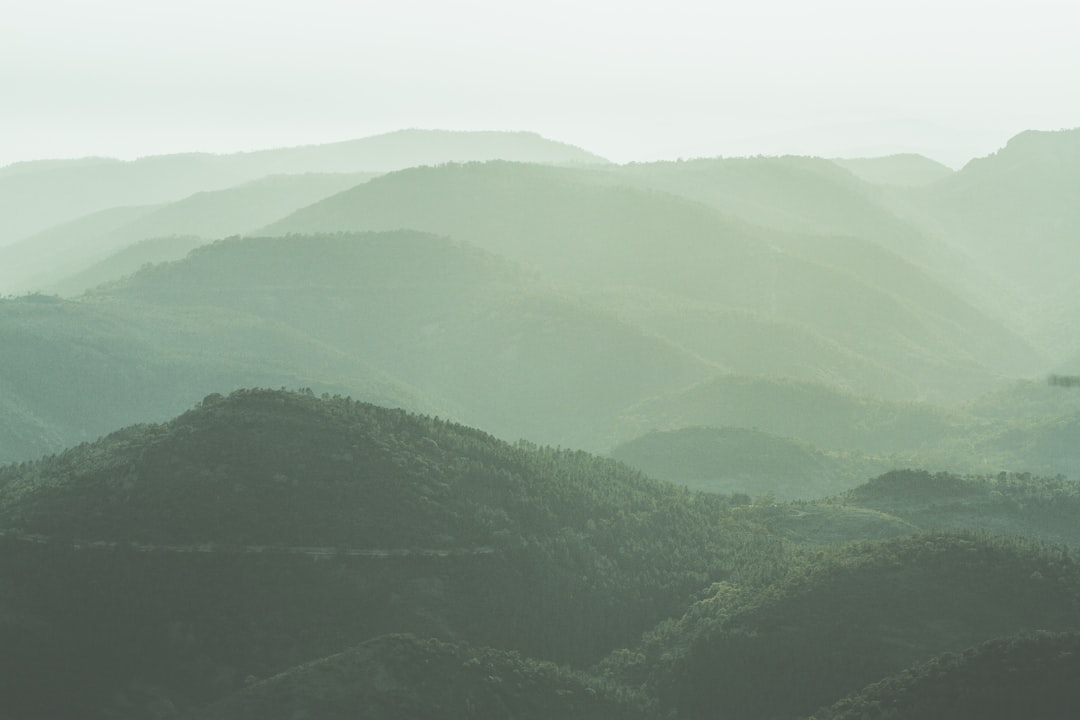
The Highland Wilderness
Photo by Jonas Allert on Unsplash
About Malolotja Nature Reserve
The northwestern corner of Eswatini holds a landscape that has no parallel elsewhere in the country. At 1,829 metres on Ngwenya Mountain, the reserve's highest point and the second highest peak in Eswatini, the terrain is cool, misty, and botanically extraordinary. The mopane and thornbush of the lowveld is entirely absent; in its place, pristine highveld grassland meets deep riverine scrub and quartzite cliffs that drop into gorges where the Malolotja River runs clear and cold.
Malolotja protects one of the most pristine afromontane ecosystems in southern Africa. Its 44,000 acres are noted for the ecological significance of what they contain: 12 globally threatened bird species, 23 orchid varieties, 6 endemic protea species, ancient cycad forests, and San rock art sites that date back thousands of years. The reserve's most famous ornithological resident, the critically endangered Blue Swallow, has a global population estimated at fewer than 1,500 individuals. Malolotja is one of the few places on earth where it reliably breeds. Southern Bald Ibis, Gurney's Sugarbird in the protea, and the Buff-streaked Chat round out the highland specialist list that attracts dedicated ornithologists specifically to this reserve.
The Malolotja Canopy Tour is the most accessible and most spectacular single activity in the reserve: eleven elevated forest platforms, ten zipline slides, and a 50-metre suspension bridge traversing the Majolomba River canopy. The slides range from gentle to exhilarating; the perspective, looking down through the canopy of a pristine afromontane forest from 20 metres above the floor, is available nowhere else in Eswatini. The 89-metre Malolotja Falls, the highest waterfall in the country, is accessible via a hiking trail from the main camp (2-3 hours return) through highland grassland with exceptional birding throughout. The falls are most dramatic in the wet season; the dry season delivers clearer views and easier trail conditions. Malolotja operates at a pace and a temperature that most of lowveld Eswatini does not. The morning mist, the calling of Gurney's Sugarbird in the protea, the cold of the air in the gorge above the falls — it is the part of the country that most surprises visitors who arrived expecting only warmth and wildlife.
Things to Do in Malolotja Nature Reserve
Take the Malolotja Canopy Tour
The reserve's most accessible signature activity. Eleven elevated platforms, ten zipline slides, and a 50-metre suspension bridge through the Majolomba River canopy. Approximately 3 hours with a guide. Minimum age and weight requirements apply.
Hike to the Malolotja Falls
The 89-metre falls — Eswatini's highest waterfall — accessed via a 2-3 hour return trail from the main camp. Highland grassland birding throughout. Most dramatic in the wet season; clearer and easier in dry months.
Search for the Blue Swallow
The reserve's flagship bird — critically endangered, fewer than 1,500 individuals globally. Reliably breeds at Malolotja during the wet season (October to March). Bird with an experienced local guide; specific breeding areas are known.
Multi-day backpacking trail
Malolotja offers multi-day hiking trails with designated camping sites throughout the reserve. The longer routes traverse the full reserve diversity — grassland, forest, gorge, and the high peaks. Strong fitness required; advance booking essential.
Birdwatch the highland specialists
Beyond the Blue Swallow, the reserve supports breeding colonies of Buff-streaked Chat, Gurney's Sugarbird (in the protea), and Southern Bald Ibis. October to March for migratory peak; year-round for resident specialists. Bring binoculars and a bird guide.
Visit ancient cycad forests and rock art
The reserve protects ancient cycad species and San rock art sites that date back thousands of years. Some sites are accessible on the main trail network with local guidance. The botanical and archaeological depth complements the wildlife.
When to Visit Malolotja Nature Reserve
Dry Winter
May, September
The optimal hiking window. Dry, clear, free of lightning risk; the highland trails are firm and accessible. Cool to cold mornings (near freezing in June-July); mild days. Canopy tour conditions are at their best.
Wet Summer
November, March
The botanical peak. Highland orchids are at their most spectacular; migratory birds arrive; the Blue Swallow breeds. Afternoon thunderstorms are dramatic and frequent; lightning risk is real on exposed ridges. Hike in the early morning before storms build. Highland dirt tracks can become impassable mud.
Shoulder
April, October
Transitional periods with reducing rainfall. April retains wet-season greenery and bird diversity; October sees the first dry-season visibility with mild weather. Lower visitor numbers; trail conditions improving.
Coldest Period
June, July
Highland winter. Dawn temperatures can drop near freezing. Days are mild and clear. The trails are at their most physically comfortable for serious hiking. The fewest crowds of the year.
Getting to Malolotja Nature Reserve
By road from Mbabane: approximately 45 km northwest (1 hour). From the Ngwenya border with South Africa: approximately 25 km (30 minutes); the closest international entry. From King Mswati III International Airport (SHO): approximately 90 km (1.5 hours). The approach road is tarred; reserve internal tracks are dirt and require care, particularly in wet conditions. The reserve gate handles entry and is the booking point for the canopy tour and guided activities.
Where to Stay
Inside the reserve: Malolotja self-catering cabins (basic but well-positioned highland accommodation, bring all food and cooking supplies, exceptional stargazing and birdwatching from the doorstep), and designated camping sites for multi-day hikers. The cabin accommodation is rustic; visitors seeking more comfort stay at the Hawane Resort or Forester's Arms (10-15 km away) and day-visit the reserve. Wider Eswatini highveld accommodation in the Mbabane and Ezulwini Valley is 45-60 minutes away.
Travel Tips for Malolotja Nature Reserve
Frequently Asked Questions
- What's the canopy tour like for non-thrill-seekers?
- Approachable. The shorter slides are gentle; the longer ones are exhilarating but not extreme. Experienced guides handle all braking and clipping. Most fitness levels can complete the tour comfortably. Minimum age and weight requirements apply; check with the operator.
- When can I see the Blue Swallow?
- Wet season (October to March) when the species is breeding. The reserve is one of fewer than a handful of reliable Blue Swallow destinations globally. Hire an experienced bird guide; specific breeding areas are known.
- Is Malolotja suitable for families?
- Yes, with appropriate planning. The canopy tour suits most ages above the minimum requirements; the falls hike is achievable for fit children. The self-catering cabins work well for families. Multi-day backpacking trails are for older children and adults.
- How does Malolotja compare to South African highland reserves?
- Malolotja is smaller and more compact than the Drakensberg but supports unique ecological specifics (Blue Swallow, the specific protea species) that the Drakensberg does not. The canopy tour is a Malolotja signature unavailable in equivalent South African reserves.
Explore More, Malolotja Nature Reserve
Plan Your Trip
More in Eswatini
Mlilwane Wildlife Sanctuary
Eswatini's oldest protected area and the only southern African destination where visitors can walk, cycle, and horseback ride directly throu…
Hlane Royal National Park
Eswatini's largest national park, home to exceptional white rhino densities, elephants, lions, and the legendary Ndlovu Camp floodlit waterh…
Mkhaya Game Reserve
Strictly guided, exclusively accessed — Mkhaya's tightly controlled model delivers the highest-certainty black and white rhino encounters in…
Mantenga Cultural Village
A meticulous reconstruction of a 19th-century Swazi homestead, inhabited by community members who perform daily traditional activities. Dail…
Ezulwini Valley & Lobamba
Eswatini's cultural, spiritual, and logistical centre. The corridor between Mbabane and Manzini holds Lobamba (the spiritual capital), the S…
Phophonyane Falls Nature Reserve
Ten kilometres north of Piggs Peak — an 80-metre waterfall over rocks dated at 3.55 billion years old. Subtropical forest, 240+ bird species…
Maguga Dam
A scenic reservoir on the Komati River in the Hhohho region — panoramic valley views, boat cruises, and the start of the MR1 craft corridor …
Malkerns Valley
The fertile agricultural valley south of Ezulwini hosting Swazi Candles, Gone Rural, Baobab Batik, and the annual MTN Bushfire Festival. Dir…
Shewula Mountain Camp
Eswatini's pioneering community eco-tourism project on the Lubombo escarpment. A 100-kilometre panorama across the lowveld into Mozambique, …