
Mantenga Cultural Village
A meticulous reconstruction of a 19th-century Swazi homestead, inhabited by community members who perform daily traditional activities. Daily dance and drumming performances, the 95-metre Mantenga Falls, and direct cultural engagement at the heart of the Ezulwini Valley.
Living Swazi Heritage
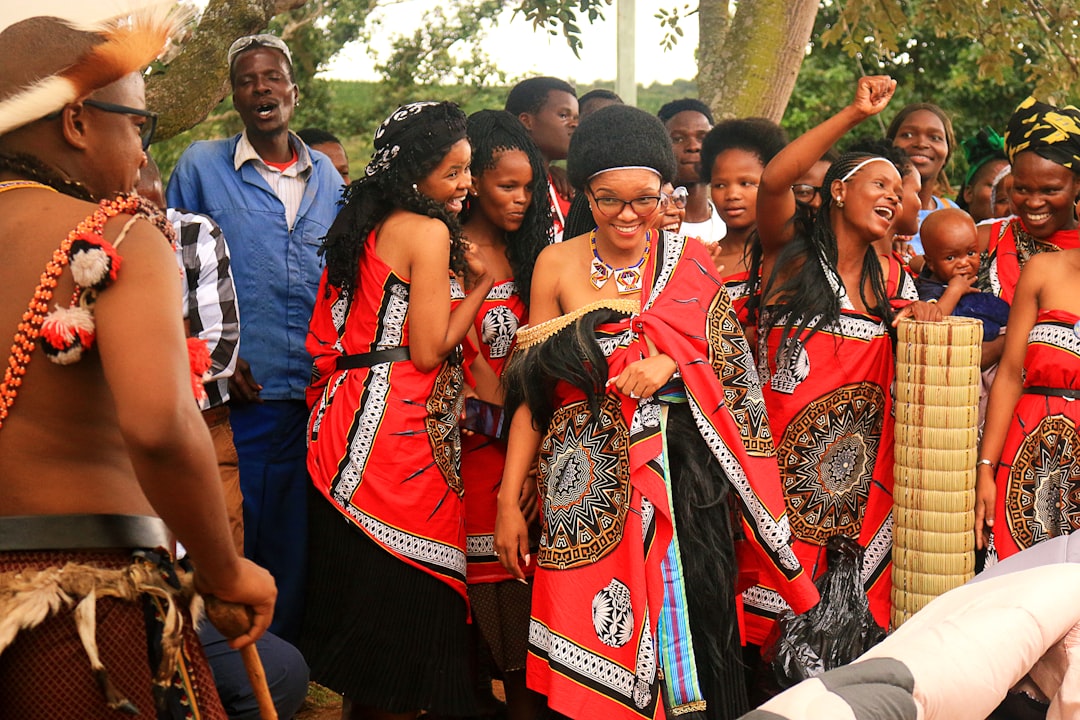
Photo by proudlyswazi on Unsplash
About Mantenga Cultural Village
The Mantenga Cultural Village near the Ezulwini Valley is not a museum. It is a meticulous reconstruction of a 19th-century Swazi homestead — built using traditional materials and techniques, inhabited by community members who perform the daily activities of traditional life, and structured to allow visitors to participate rather than simply observe. The engagement is direct: grinding maize with stone tools, plaiting mountain grass into traditional patterns, studying the techniques of indigenous beadwork which carries specific cultural communication, marital status, clan affiliation, ceremonial role, encoded in colour and pattern. The demonstration is anchored in practice rather than performance.
The experience culminates in traditional dance and drumming performances held daily (typically at 11:15 AM and 3:15 PM) under acacia shade — high-energy, synchronized, technically precise, and entirely genuine in their cultural function. The dances draw from the wider Swazi ceremonial repertoire including elements of the Umhlanga Reed Dance and ritual contexts, demonstrated by performers who participate in these ceremonies in their actual cultural roles, not as performers playing roles. The dancers are members of the surrounding community maintaining a tradition; the woman demonstrating maize grinding grew up doing this. The distinction is visible in the quality of the engagement.
A 15-minute walk from the village enclosure leads into the adjacent Mantenga Nature Reserve, where the Mantenga Falls, at 95 metres, Eswatini's most voluminous cascade, drops through dense forest vegetation. The falls are accessible on a short well-maintained trail and provide a satisfying natural complement to the cultural experience in the village. The Mantenga complex sits within easy reach of all Ezulwini Valley accommodation. A half-day visit comfortably covers both the village cultural programme and the falls walk; combining with the Swaziland National Museum and Lobamba royal sites makes for a full cultural day in the central valley.
Things to Do in Mantenga Cultural Village
Attend the daily dance and drumming performance
Daily performances at 11:15 AM and 3:15 PM under acacia shade. Sibhaca, Umhlanga elements, and the wider Swazi dance repertoire performed by community members in their actual cultural roles. The defining Mantenga experience.
Tour the village enclosure
A meticulous reconstruction of a 19th-century Swazi homestead with the full domestic architecture: the great hut, the men's enclosure, the cattle byre, the storage structures. Guided tours by community members provide context for the spatial layout.
Participate in craft demonstrations
Hands-on engagement with maize grinding using stone tools, grass plaiting, beadwork demonstration, and basic Swazi pottery technique. The participation transforms passive observation into direct cultural learning.
Walk to the Mantenga Falls
A 15-minute walk from the village enclosure into the adjacent nature reserve leads to the 95-metre falls, Eswatini's most voluminous cascade. Short, well-maintained trail through forest vegetation. Best after summer rains.
Explore the Mantenga Nature Reserve
Beyond the falls, the wider Mantenga Nature Reserve offers guided trails for visitors wanting more than the cultural village engagement. Forest birding, additional viewpoints, and the wider biodiversity of the valley.
Combine with Lobamba and the National Museum
Mantenga sits within 10 minutes of Lobamba (Eswatini's spiritual capital), the Swaziland National Museum, and the King Sobhuza II Memorial Park. A full cultural day covers Mantenga in the morning, lunch in Ezulwini, museums and royal sites in the afternoon.
When to Visit Mantenga Cultural Village
Dry Winter
May, September
Comfortable conditions for the outdoor performance area and the falls walk. Performance attendance is at its most reliable; falls flow is moderate. August-September brings Umhlanga Reed Dance season, with cultural visitor demand rising.
Wet Summer
November, March
The falls reach maximum volume and dramatic flow. Vegetation peaks; the forest walk is lush. Afternoon thunderstorms can disrupt the outdoor dance performances; check the schedule. Hot temperatures continue.
Shoulder
April, October
Transitional weather. Performances run reliably; visitor numbers lower than peak. Falls flow varies by recent rainfall. Comfortable conditions for the full Mantenga + Ezulwini cultural day.
Cool Mornings
June, July
Highland-winter cool. Performances proceed; the morning dance is at its most atmospheric. The falls walk is cool and pleasant. Possibly the most comfortable photography light of the year.
Getting to Mantenga Cultural Village
Mantenga is located in the Ezulwini Valley, the cultural heart of Eswatini. From Mbabane: approximately 15 km southeast (20 minutes). From Manzini: approximately 20 km west (25 minutes). From King Mswati III International Airport: approximately 45 km (50 minutes). The entry road is signed off the main Mbabane-Manzini MR3 highway. Parking is available at the village entrance. The site is easily reached by tour bus from any Ezulwini Valley accommodation.
Where to Stay
Mantenga is a day-visit destination from any Ezulwini Valley accommodation. The Royal Swazi Spa, Lugogo Sun, Mantenga Lodge (10 minutes from the village), and the wider valley's lodges all provide convenient access. Reilly's Rock Hilltop Lodge and Mlilwane Rest Camp (5-10 minutes) work well for cultural-and-wildlife combinations. Budget travellers use the Ezulwini Valley's budget guesthouses for cost-effective access.
Travel Tips for Mantenga Cultural Village
Frequently Asked Questions
- Is Mantenga a real cultural site or a tourist attraction?
- Both. The village is a meticulous reconstruction of traditional Swazi domestic architecture, but the cultural engagement (dance, craft, beadwork) is conducted by community members who participate in these traditions in their own lives. The distinction from staged tourist culture is visible in the authenticity of the engagement.
- How long should I budget for Mantenga?
- A half-day comfortably covers the village programme and the falls walk. Combining with the Lobamba sites and the Swaziland National Museum makes for a full cultural day in the Ezulwini Valley. Most visitors stay 2-3 hours at Mantenga itself.
- Can I attend Umhlanga or Incwala here?
- No — those ceremonies take place at the Royal Residences (Ludzidzini, Engabezweni) and are separate from Mantenga's daily programme. Mantenga's daily dance performances draw from the broader Swazi cultural repertoire including Umhlanga elements but are not the ceremonies themselves.
- Is it suitable for children?
- Yes, very much. The dance performances are engaging; the craft demonstrations are interactive; the falls walk is achievable for fit children. Mantenga is consistently rated by families as one of the most rewarding cultural visits in southern Africa.
Explore More, Mantenga Cultural Village
Things To Do
Plan Your Trip
More in Eswatini
Mlilwane Wildlife Sanctuary
Eswatini's oldest protected area and the only southern African destination where visitors can walk, cycle, and horseback ride directly throu…
Hlane Royal National Park
Eswatini's largest national park, home to exceptional white rhino densities, elephants, lions, and the legendary Ndlovu Camp floodlit waterh…
Malolotja Nature Reserve
44,000 acres of pristine afromontane wilderness — the canopy tour, 89-metre Malolotja Falls, 12 globally threatened bird species, ancient cy…
Mkhaya Game Reserve
Strictly guided, exclusively accessed — Mkhaya's tightly controlled model delivers the highest-certainty black and white rhino encounters in…
Ezulwini Valley & Lobamba
Eswatini's cultural, spiritual, and logistical centre. The corridor between Mbabane and Manzini holds Lobamba (the spiritual capital), the S…
Phophonyane Falls Nature Reserve
Ten kilometres north of Piggs Peak — an 80-metre waterfall over rocks dated at 3.55 billion years old. Subtropical forest, 240+ bird species…
Maguga Dam
A scenic reservoir on the Komati River in the Hhohho region — panoramic valley views, boat cruises, and the start of the MR1 craft corridor …
Malkerns Valley
The fertile agricultural valley south of Ezulwini hosting Swazi Candles, Gone Rural, Baobab Batik, and the annual MTN Bushfire Festival. Dir…
Shewula Mountain Camp
Eswatini's pioneering community eco-tourism project on the Lubombo escarpment. A 100-kilometre panorama across the lowveld into Mozambique, …