
Mlilwane Wildlife Sanctuary
Eswatini's oldest protected area and the only southern African destination where visitors can walk, cycle, and horseback ride directly through wildlife herds. The 12-kilometre Umphafa loop takes you among zebra, wildebeest, nyala, and giraffe with no fence between.
The Safari You Can Walk
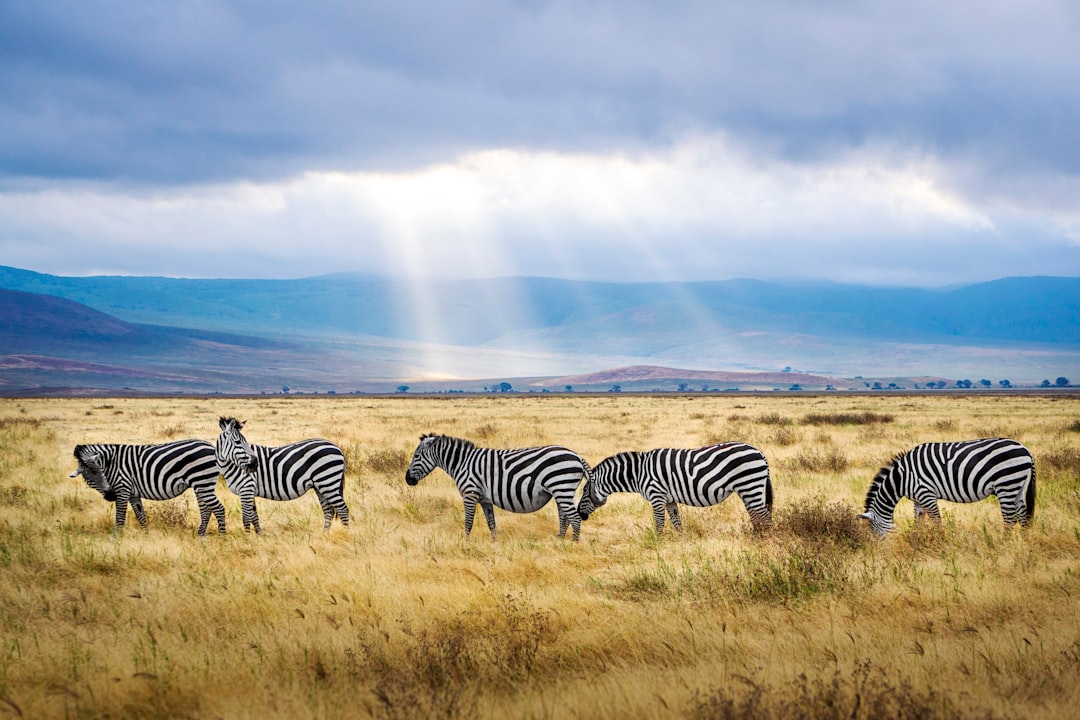
Photo by Hendrik Cornelissen on Unsplash
About Mlilwane Wildlife Sanctuary
Every other safari destination in southern Africa puts you in a vehicle. The dangerous predators that define those ecosystems — lion, leopard, buffalo on land, hippo at the waterline — require the protection of steel, glass, and engine between visitor and animal. At Mlilwane Wildlife Sanctuary, the absence of apex predators changes the equation entirely: you get out of the vehicle. You walk. You cycle. You ride. The 12-kilometre Umphafa cycling loop through the sanctuary's flat, shaded terrain passes directly through herds of grazing zebra, wildebeest, and blesbok. Nyala antelope browse within metres of cyclists. The giraffe that appears around a bend in the trail is not separated from you by glass — it is simply there, in the same space.
Mlilwane occupies a unique position in southern African conservation. Established in 1964 by the conservationist Ted Reilly, it was the first protected area in Eswatini and the catalyst for the country's eventual conservation network (Hlane, Mkhaya, and the wider Big Game Parks portfolio all trace back to Reilly's initial work). The sanctuary's 4,560 hectares cover a mosaic of open grassland, acacia woodland, the namesake Mlilwane mountain, and dam systems that support substantial waterbird populations. The defining decision behind Mlilwane was the deliberate exclusion of large predators. The trade-off is real: visitors looking for the full Big Five experience travel 60 km to Hlane or arrange access to Mkhaya. What Mlilwane provides is the only southern African destination where a non-specialist visitor can walk through a wildlife population safely.
The model has been refined across six decades. The wildlife is genuinely habituated to humans on foot, on bicycles, and on horseback. Nyala that flee at the sight of a vehicle on the Hlane road continue browsing as cyclists pass within five metres at Mlilwane. The animals have learned, across generations, that humans here do not represent a threat. This recalibration extends to the visitor. By the third hour of cycling, the zebras stop registering as unusual. The giraffe at the bend in the path becomes simply part of the morning. That shift — from observing wildlife to sharing space with it — is what the sanctuary exists to produce. For first-time visitors to Eswatini, Mlilwane is the natural introduction to the country: central position in the Ezulwini Valley, accessible to all fitness levels, and the kind of relaxed wildlife encounter that the country's broader safari product builds toward.
Things to Do in Mlilwane Wildlife Sanctuary
Cycle the 12 km Umphafa loop
The signature activity. Hire bikes from the Rest Camp; the circuit takes 2-3 hours including wildlife stops. The flat terrain is accessible to most fitness levels. Wildlife encounters are constant; specific positioning is unnecessary. The defining Mlilwane experience.
Horseback safari among the wildlife
Guided horseback rides operate from the sanctuary's stables, half-day, full-day, and multi-day options. The elevated height and quiet pace produces different wildlife behaviour from cycling. Standard riding ability required for longer rides; beginners can access introductory short rides.
Walk self-guided footpaths
Marked walking paths allow independent exploration of the sanctuary's varied terrain — plains, dam, and approaches to Nyonyane Mountain. The relaxed regulatory environment (with sensible wildlife-safety judgement) is part of the sanctuary's appeal.
Hike Nyonyane (Execution Rock)
The granite formation visible across the Ezulwini Valley has pre-colonial historical significance. The hike provides excellent views across the valley, prime African fish eagle territory, and grassland birdlife. Half-day; moderate fitness; sturdy footwear essential on the granite slabs.
Watch hippos at the dam
The Mlilwane dam supports a substantial hippo population — visible at dawn and dusk and audible throughout the night from the Rest Camp. The Hippo Trail walking route along the dam edge provides safe distance for prolonged observation. The waterbirds are exceptional.
Stay overnight in a traditional beehive hut
The Rest Camp's beehive huts (Swazi-style domed thatch construction) place you in the heart of the sanctuary. Warthogs graze at sunrise adjacent to the huts; hippos call through the night. Basic but immersive; very affordable. The defining Mlilwane lodging experience.
When to Visit Mlilwane Wildlife Sanctuary
Dry Winter
May, September
Vegetation thins back; wildlife visibility maximises across the plains; cycling and walking conditions are at their best (mild days, cool nights, minimal rain). Resident bird populations are at their most concentrated around the dam. Comfortable for outdoor activity throughout the day.
Wet Summer
November, April
Summer rains transform the sanctuary into deep green pasture. Migratory birds arrive in extraordinary numbers; waterbird diversity at the dam peaks. Daytime temperatures climb (28-32°C); afternoon thunderstorms common. Cycling and walking are best in the early morning before storms build.
Shoulder
March, April
Tail end of the rains. Landscape still green; rain probability reducing. Good value, mild conditions, sustained wildlife activity. Visitor numbers are at their lowest.
Late Dry
September, October
First dry-season visibility with mild conditions. Pre-cultural-festival window before Umhlanga-related travel demand. Good for combining Mlilwane with Hlane and the wider Ezulwini cultural circuit.
Getting to Mlilwane Wildlife Sanctuary
By road from Mbabane (20 km, 25 minutes south on the MR3) or Manzini (25 km, 30 minutes west). From the Oshoek/Ngwenya border with South Africa: approximately 50 km (50 minutes via Mbabane). From King Mswati III International Airport (SHO): approximately 50 km (50 minutes). Sanctuary internal roads are predominantly dirt tracks suitable for standard sedans in dry conditions; 4WD adds margin during wet-season conditions but is not strictly required for the main camp areas. Self-drive is permitted on the sanctuary's road network at 30 km/h speed limits.
Where to Stay
Inside the sanctuary: Mlilwane Rest Camp (traditional beehive huts at the heart of the sanctuary, very affordable), Mlilwane Main Camp Chalets (more conventional comfortable chalets at the main camp, en-suite, modest pricing step up), Mlilwane Backpackers (dorm-style budget), Camping (designated campsites at the Main Camp). Reilly's Rock Hilltop Lodge — adjacent to the sanctuary; the more upmarket Big Game Parks property; colonial-era stone construction with substantial gardens; elevated valley views. Strong choice for visitors wanting Mlilwane access without the rustic Rest Camp format. The broader Ezulwini Valley offers extensive accommodation 5-15 minutes from the sanctuary for day-visit options.
Travel Tips for Mlilwane Wildlife Sanctuary
Frequently Asked Questions
- Is Mlilwane safe to walk in?
- Yes. The sanctuary's deliberate exclusion of dangerous predators (no lion, leopard, hyena) makes walking, cycling, and horseback riding safe in a way no other southern African wildlife destination matches. Standard precautions apply for hippos at the dam and basic snake awareness on the trails.
- How does Mlilwane compare to Hlane?
- Different experiences. Mlilwane is predator-free and built around walking, cycling, and horseback among habituated herbivores. Hlane has rhinos, elephants, lions, and the Big Five experience with vehicle-based safaris. Most travellers do both — the order traditionally being Mlilwane first as an introduction, then Hlane for the megafauna.
- Can children stay at the Rest Camp?
- Yes — the Rest Camp is family-appropriate and the wildlife is generally non-threatening. Kids enjoy the warthog encounters at breakfast, the hippo sounds at night, and the cycling among zebra. The basic facilities are part of the experience.
- How long should I stay at Mlilwane?
- Most visitors stay 1-2 nights and combine with the wider Ezulwini Valley cultural sites. Three nights allows the full slow rhythm of the sanctuary, including dedicated horseback safari or multi-day cycling. Day-visits from Ezulwini accommodation also work.
Explore More, Mlilwane Wildlife Sanctuary
Plan Your Trip
More in Eswatini
Hlane Royal National Park
Eswatini's largest national park, home to exceptional white rhino densities, elephants, lions, and the legendary Ndlovu Camp floodlit waterh…
Malolotja Nature Reserve
44,000 acres of pristine afromontane wilderness — the canopy tour, 89-metre Malolotja Falls, 12 globally threatened bird species, ancient cy…
Mkhaya Game Reserve
Strictly guided, exclusively accessed — Mkhaya's tightly controlled model delivers the highest-certainty black and white rhino encounters in…
Mantenga Cultural Village
A meticulous reconstruction of a 19th-century Swazi homestead, inhabited by community members who perform daily traditional activities. Dail…
Ezulwini Valley & Lobamba
Eswatini's cultural, spiritual, and logistical centre. The corridor between Mbabane and Manzini holds Lobamba (the spiritual capital), the S…
Phophonyane Falls Nature Reserve
Ten kilometres north of Piggs Peak — an 80-metre waterfall over rocks dated at 3.55 billion years old. Subtropical forest, 240+ bird species…
Maguga Dam
A scenic reservoir on the Komati River in the Hhohho region — panoramic valley views, boat cruises, and the start of the MR1 craft corridor …
Malkerns Valley
The fertile agricultural valley south of Ezulwini hosting Swazi Candles, Gone Rural, Baobab Batik, and the annual MTN Bushfire Festival. Dir…
Shewula Mountain Camp
Eswatini's pioneering community eco-tourism project on the Lubombo escarpment. A 100-kilometre panorama across the lowveld into Mozambique, …