
Mkhaya Game Reserve
Strictly guided, exclusively accessed — Mkhaya's tightly controlled model delivers the highest-certainty black and white rhino encounters in Eswatini. Stone Camp is the country's most exclusive wilderness retreat.
Eswatini's Exclusive Rhino Sanctuary
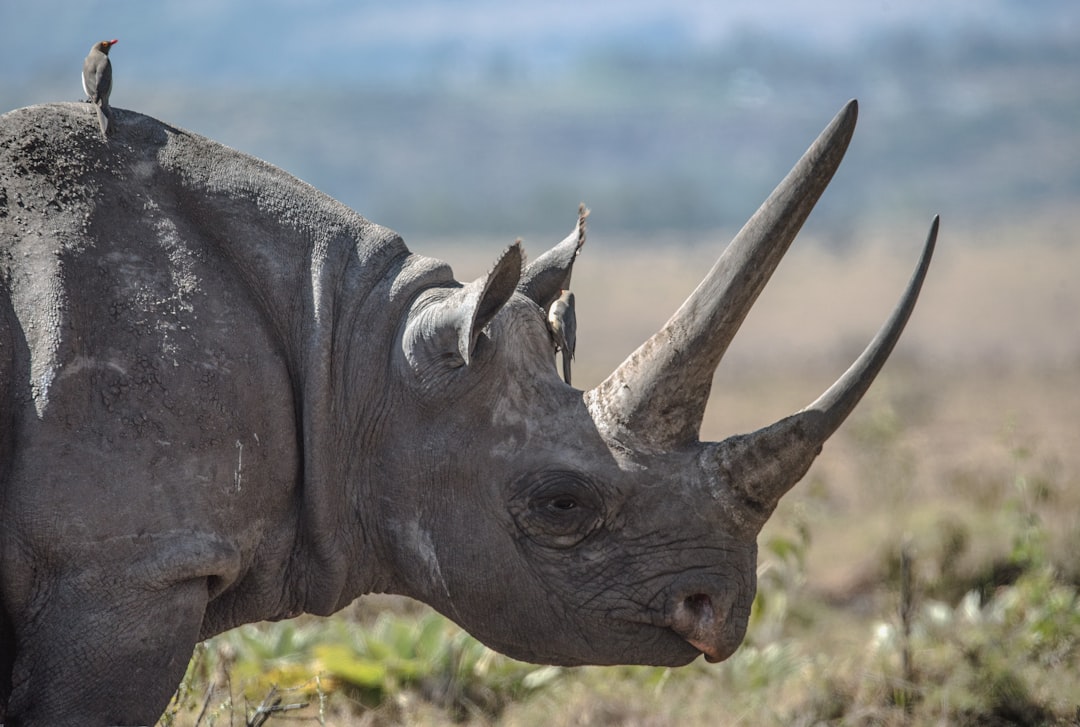
Photo by David Clode on Unsplash
About Mkhaya Game Reserve
If Hlane is Eswatini's accessible, self-drive wildlife destination, Mkhaya is its opposite: strictly controlled, exclusively guided, and entirely focused on delivering the highest possible certainty of encounter with the rarest species in the country. Access to Mkhaya Game Reserve is by advance arrangement only — visitors cannot simply drive in. All movement within the reserve is guided by expert rangers in open Land Rovers. This tightly managed model produces results: the park's black and white rhinoceros populations are both reliably encountered; the rare roan and sable antelope that have been extirpated from most of their former range are present in good numbers; and the guided open-vehicle format, combined with experienced tracker-guide teams, delivers game viewing that the self-drive model at Hlane cannot match in intimacy or certainty.
The rhino tracking programme at Mkhaya is the most structured and best-supported such experience in Eswatini. Open Land Rovers with skilled tracker-guide teams work the reserve's varied terrain — riverine forest, open savannah, rocky drainage lines — to locate both black and white rhino. Black rhino, the more elusive of the two species, requires specific approach expertise: the animal's notoriously poor eyesight and hair-trigger flight response demand careful wind management and deliberate positioning. The guides' knowledge of individual animals, their territories, and their daily movement patterns is accumulated over years of work in this specific reserve. White rhino encounters here, as at Hlane, are frequently extraordinary in their proximity and duration. The reserve's managed intensity means that when a rhino is located, the approach is optimised and the viewing is extended.
Mkhaya's accommodation, Stone Camp, is Eswatini's most exclusive safari retreat: open-air stone cottages positioned deep within the riverine forest, with the sounds of the bush unmediated by any wall or glass. The riverine forest setting produces a specific quality of night: nightjars and owls calling, the movement of animals through the trees audible from the open-air sleeping area, no walls between the guest and the bush in the conventional sense. The stone construction is integrated into the forest floor with full openness to the surrounding environment. Stone Camp is widely regarded as the finest wilderness accommodation in Eswatini.
Things to Do in Mkhaya Game Reserve
Guided rhino tracking
The Mkhaya signature activity. Open Land Rovers with experienced tracker-guide teams work the reserve to locate both black and white rhino. Encounters are sustained, intimate, and informed by deep guide knowledge of individual animals. Conducted on every game drive.
Sleep at Stone Camp
Open-air stone cottages deep in the riverine forest. Walls are minimal; the sounds of the bush are the soundtrack. Widely regarded as Eswatini's finest wilderness accommodation. The night experience is integral to the destination.
Search for roan and sable antelope
Mkhaya holds populations of these rare antelope species that have been extirpated from most of their former range elsewhere in southern Africa. The guide team knows the locations and feeding patterns; encounters are reliable.
Walking safari with armed ranger
Short guided walking experiences in selected zones of the reserve. The ecological depth and the on-foot engagement complement the vehicle-based rhino tracking.
Photograph the open-vehicle game drives
The Land Rover format and the experienced guide team produce sustained encounters that reward serious photography. Both wide and telephoto coverage are useful; bring a beanbag for the open-vehicle window.
Combine with Hlane for the full rhino experience
Hlane's self-drive white rhino access and the Ndlovu waterhole pair with Mkhaya's exclusive guided black-and-white rhino tracking. 2 nights at Hlane + 2 nights at Mkhaya is the standard premium Eswatini wildlife circuit.
When to Visit Mkhaya Game Reserve
Dry Winter
May, September
The defining Mkhaya window. Vegetation thins; visibility maximises; rhino tracking conditions optimal. Comfortable temperatures (20-28°C); cool nights. The standard recommendation for first-time visitors.
Hot Dry
September, November
Wildlife concentrations peak as water becomes scarce. Daytime temperatures climb (35°C+). The rhino tracking is most reliable but the heat is significant. The premier window for serious wildlife photography.
Wet Summer
December, March
Summer rains transform the landscape. Vegetation thickens; wildlife disperses; rhino tracking becomes more challenging but still productive with the experienced Mkhaya guide team. Migratory birds arrive. Lower lodge rates.
Shoulder
April, May
The transition out of the rains. Bush is still green but thinning; wildlife concentrations rebuilding. Stone Camp at its most atmospheric. A strong window for the full experience without peak pricing.
Getting to Mkhaya Game Reserve
Mkhaya is accessible by advance arrangement only. The pickup point is at Phuzumoya station on the Ezulwini-Lavumisa road; the reserve operates transfer vehicles to escort visitors into the reserve itself (visitors do not drive into Mkhaya). From Manzini: approximately 70 km south (1 hour to the pickup). From the Lavumisa border with South Africa: 80 km north (1.5 hours). The transfer in is part of the experience; private vehicles remain at the pickup point. High-risk malaria zone — ensure prophylaxis is active before arrival.
Where to Stay
Stone Camp is the principal accommodation. Open-air stone cottages in the riverine forest; minimal walls; full openness to the surrounding bush. Limited bed numbers; full board with the lodge restaurant. Booking ahead is essential, particularly for peak season. There are no alternative properties inside the reserve; visitors wanting more conventional accommodation stay outside Mkhaya in the Big Bend area and day-visit (less common given the access constraints).
Travel Tips for Mkhaya Game Reserve
Frequently Asked Questions
- Why can't I drive into Mkhaya?
- The access control is a deliberate conservation choice. Limiting vehicle entries protects the wildlife (particularly the black rhino) from disturbance and maintains the exclusive, low-volume experience that defines the reserve. Visitors are escorted in by reserve transfer.
- Will I see black rhino at Mkhaya?
- With high probability over a 2-night stay. The Mkhaya tracker team has deep knowledge of individual animals and their movement patterns. Black rhino sightings are not guaranteed on every drive but are reliable across a stay.
- How does Stone Camp compare to a normal safari lodge?
- Fundamentally different. Open-air stone cottages with minimal walls integrate the sleeping area into the riverine forest. The night sounds are the soundtrack. Conventional safari-lodge guests who want comfortable walls should look elsewhere; visitors who want maximum bush immersion will find Stone Camp unique.
- Mkhaya or Hlane?
- Different roles. Hlane is self-drive with the floodlit waterhole; accessible, affordable, family-appropriate. Mkhaya is exclusive guided with black rhino tracking and Stone Camp; premium-priced, more intimate, more focused. The textbook approach is to do both in sequence.
Explore More, Mkhaya Game Reserve
Things To Do
Plan Your Trip
More in Eswatini
Mlilwane Wildlife Sanctuary
Eswatini's oldest protected area and the only southern African destination where visitors can walk, cycle, and horseback ride directly throu…
Hlane Royal National Park
Eswatini's largest national park, home to exceptional white rhino densities, elephants, lions, and the legendary Ndlovu Camp floodlit waterh…
Malolotja Nature Reserve
44,000 acres of pristine afromontane wilderness — the canopy tour, 89-metre Malolotja Falls, 12 globally threatened bird species, ancient cy…
Mantenga Cultural Village
A meticulous reconstruction of a 19th-century Swazi homestead, inhabited by community members who perform daily traditional activities. Dail…
Ezulwini Valley & Lobamba
Eswatini's cultural, spiritual, and logistical centre. The corridor between Mbabane and Manzini holds Lobamba (the spiritual capital), the S…
Phophonyane Falls Nature Reserve
Ten kilometres north of Piggs Peak — an 80-metre waterfall over rocks dated at 3.55 billion years old. Subtropical forest, 240+ bird species…
Maguga Dam
A scenic reservoir on the Komati River in the Hhohho region — panoramic valley views, boat cruises, and the start of the MR1 craft corridor …
Malkerns Valley
The fertile agricultural valley south of Ezulwini hosting Swazi Candles, Gone Rural, Baobab Batik, and the annual MTN Bushfire Festival. Dir…
Shewula Mountain Camp
Eswatini's pioneering community eco-tourism project on the Lubombo escarpment. A 100-kilometre panorama across the lowveld into Mozambique, …