
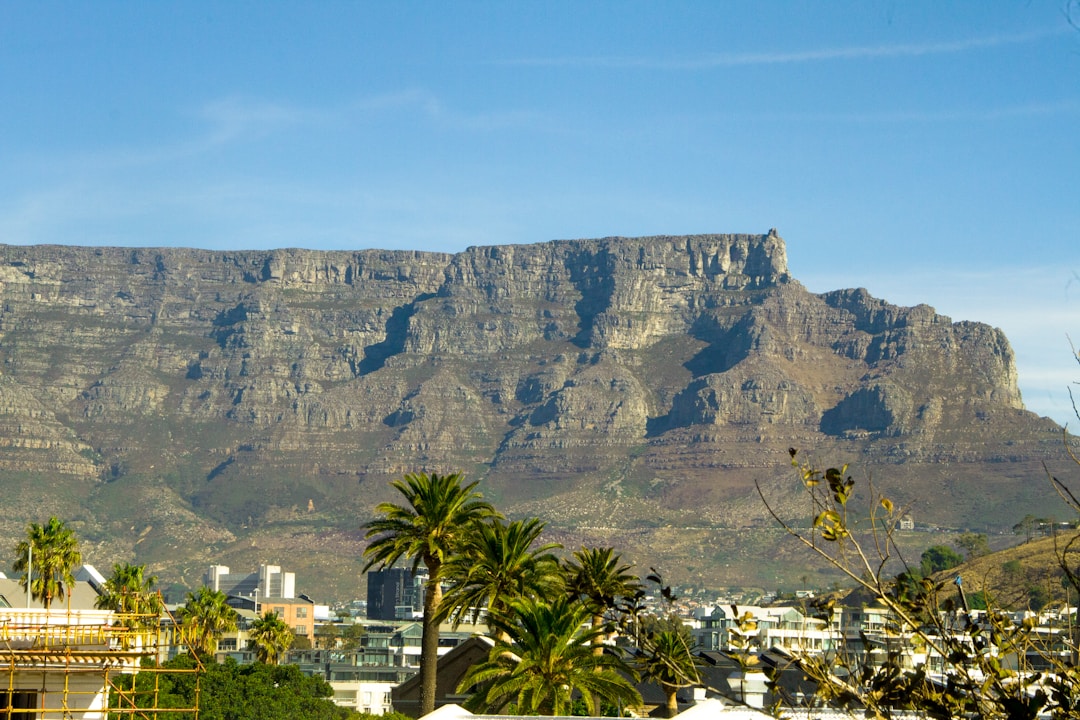
South Africa
A world in one country, Big Five safari that sets the global benchmark, Cape Town as one of the world's great cities, the Cape Winelands matching the world's best, the Garden Route, the Drakensberg, and the historical depth of the Apartheid Museum and Robben Island. No other African country assembles this range.
Photo by Vimal Joseph on Unsplash
About South Africa
Most destinations offer one thing done well. South Africa offers everything, and does most of it exceptionally. In the span of a two-week itinerary, a traveller can track leopards through the private concessions of the Greater Kruger ecosystem, drive a winding coastal road above the Atlantic with a glass of Chenin Blanc waiting at the end, stand in the cell where Nelson Mandela spent 18 years at Robben Island, hike to a 948-metre waterfall in the Drakensberg via chain ladders bolted into a basalt cliff face, and eat at a restaurant that the global culinary press is paying serious attention to. No other country in Africa asks you to calibrate your expectations this broadly, and none rewards you so comprehensively for doing so.
The country is roughly twice the size of Texas, encompassing eleven official languages, nine provinces of dramatically different character, the world's most biodiverse floral kingdom, world-class vineyards producing wines of genuine international standing, urban centres of cosmopolitan sophistication, and game reserves that host more than 500 bird species alongside the full roster of African megafauna. The wildlife credentials are unmatched in Africa, Kruger and its private concessions set the global benchmark for Big Five safari, and Madikwe, the Eastern Cape, and KwaZulu-Natal extend the offering across radically different ecosystems, several of them malaria-free for families who cannot or prefer not to take antimalarials. The Cape Winelands (Stellenbosch, Franschhoek, the Hemel-en-Aarde Valley) produce wines that hold their own internationally; the Garden Route delivers one of the world's premier self-drive coastlines; the Drakensberg's UNESCO escarpment holds the largest concentration of San rock art on earth.
The historical depth is profound. The UNESCO-designated Nelson Mandela Legacy Sites span 14 locations across the country. The Apartheid Museum in Johannesburg is one of the world's great museums of any kind. Constitution Hill, Robben Island, the Battlefields of KwaZulu-Natal, and the living cultural communities of Soweto provide access to one of the 20th century's most important political narratives. The post-pandemic years have refined rather than diminished the proposition: international arrivals surpassed 8.56 million in early 2025; the resolution of the decade-long electricity crisis (300+ consecutive days without load shedding by mid-March 2026) means the power interruptions that once plagued lodges and restaurants are, for now, behind the country. The infrastructure is performing. The wildlife is exceptional. The food scene is at its most ambitious. There has rarely been a better moment to come.
Explore South Africa
In-depth guides to the destinations that define a trip to South Africa.
South Africa's Big Five Heartland
Kruger National Park
Nearly two million hectares of savanna, riverine forest, and granite kopjes, and one of the most accessible places on Earth to see the Big F…
The Mother City
Cape Town
Wedged between Table Mountain and two oceans, Cape Town is one of the most beautifully sited cities on Earth, and one of the most rewarding …
South Africa's Most Famous Road Trip
The Garden Route
A 300-kilometre coastal drive between Mossel Bay and Storms River, threading through ancient forests, lagoons, surfing beaches, and dramatic…
Old World Wines, New World Setting
Cape Winelands
Three hundred years of winemaking, set against jagged mountains and Cape Dutch farmsteads an hour from Cape Town. Stellenbosch, Franschhoek,…
Malaria-Free Big Five on the Botswana Border
Madikwe Game Reserve
An 80,000-hectare malaria-free Big Five reserve on the Botswana border, restored from depleted farmland by Operation Phoenix, one of history…
Malaria-Free Big Five for Families
Eastern Cape Reserves
South Africa's malaria-free safari circuit anchored on Addo Elephant National Park and the surrounding private reserves (Shamwari, Kwandwe, …
Bush, Beach, and the Mountain Kingdom
KwaZulu-Natal & the Drakensberg
South Africa's most geographically diverse province, Hluhluwe-iMfolozi (the world's oldest reserve, where the southern white rhino was saved…
The City of Gold
Johannesburg
South Africa's economic engine and the most underestimated city on a typical southern Africa itinerary. The Apartheid Museum, Soweto's Vilak…
Africa's Premier Resort Beside a Volcanic Crater Reserve
Sun City & Pilanesberg
Three hours from Johannesburg, Sun City, Africa's most elaborate purpose-built entertainment resort, sits beside Pilanesberg National Park, …
Waterfalls and the World's Green Canyon
Panorama Route & Mpumalanga
The dramatic escarpment drive north of Kruger, the third-largest canyon on earth (Blyde River, the world's largest green canyon), Bourke's L…
Top Highlights
When to Visit South Africa
Winter Dry Season
June, August
Peak safari, Cape Town's rainy season. The optimal window for Kruger, Madikwe, Eastern Cape, and KZN game viewing, thinned vegetation and reduced water sources concentrate wildlife around rivers and waterholes, making sightings dense and predictable. Cape Town and the Garden Route experience cold fronts and rain off the Atlantic; beach holidays are not viable in this window. The Drakensberg is clear and excellent for hiking but freezing at night.
Summer Wet Season
November, April
Cape Town's peak, safari's green season. Warm, dry, sunny weather in the Western Cape, peak Cape Town and Garden Route season with February–March's grape harvest in the Winelands. Safari areas turn green; wildlife disperses but birding is exceptional with migrants arriving, calving brings predator activity, and rates are at their lowest. Drakensberg afternoons carry serious lightning risk.
Cross-Country Shoulder
September, October / March, April
The best window for comprehensive multi-stop South African itineraries. Safari conditions are good in the north; the Western Cape is transitioning to or from its dry summer. Wildlife activity is high, prices are moderate, and September–November brings whale watching season to the Cape coast (Hermanus). Optimal for first-time visitors combining safari and Cape Town.
Getting to South Africa
South Africa is the most connected country in Africa. Most international travellers arrive at one of three primary hubs: O.R. Tambo International (JNB) in Johannesburg, Africa's busiest airport and the primary continental gateway; Cape Town International (CPT), direct flights from London, Amsterdam, Frankfurt, Doha, and Dubai; and King Shaka International (DUR) in Durban for KwaZulu-Natal access. Domestic carriers (FlySafair, Airlink, Cemair) connect Johannesburg, Cape Town, Durban, Nelspruit/Kruger Mpumalanga, Hoedspruit, and Port Elizabeth at affordable rates. Self-drive on well-maintained roads is the standard format for the Garden Route, Winelands, Panorama Route, and Eastern Cape circuits.
Main Airports
- O.R. Tambo International Airport (JNB), Johannesburg
- Cape Town International Airport (CPT)
- King Shaka International Airport (DUR), Durban
- Kruger Mpumalanga International Airport (MQP), Nelspruit
- Eastgate Airport (HDS), Hoedspruit (greater Kruger)
Visa Information
Citizens of the EU, US, UK, Canada, Australia, New Zealand, and most Commonwealth countries do not require a visa for stays of up to 90 days. Passports must have at least 30 days' validity beyond the intended departure date and 2 entirely blank pages, strictly enforced at entry. The South African government rolled out an Electronic Travel Authorization (eTA) for visa-exempt travellers in 2024, confirm current requirements before booking.
From Neighbouring Countries
South Africa shares borders with six countries: Namibia (Vioolsdrif), Botswana (multiple crossings including Kopfontein), Zimbabwe (Beitbridge, the busiest), Mozambique (Lebombo near Kruger), Eswatini (multiple crossings), and Lesotho (entirely encircled, 14 border posts including Maseru Bridge and the 4WD-only Sani Pass). Overland tourism is well-established; vehicle import permits are straightforward for rental cars from regional hubs.
Travel Tips for South Africa
Explore More, South Africa
More in Southern Africa
Zambia
Capital: Lusaka
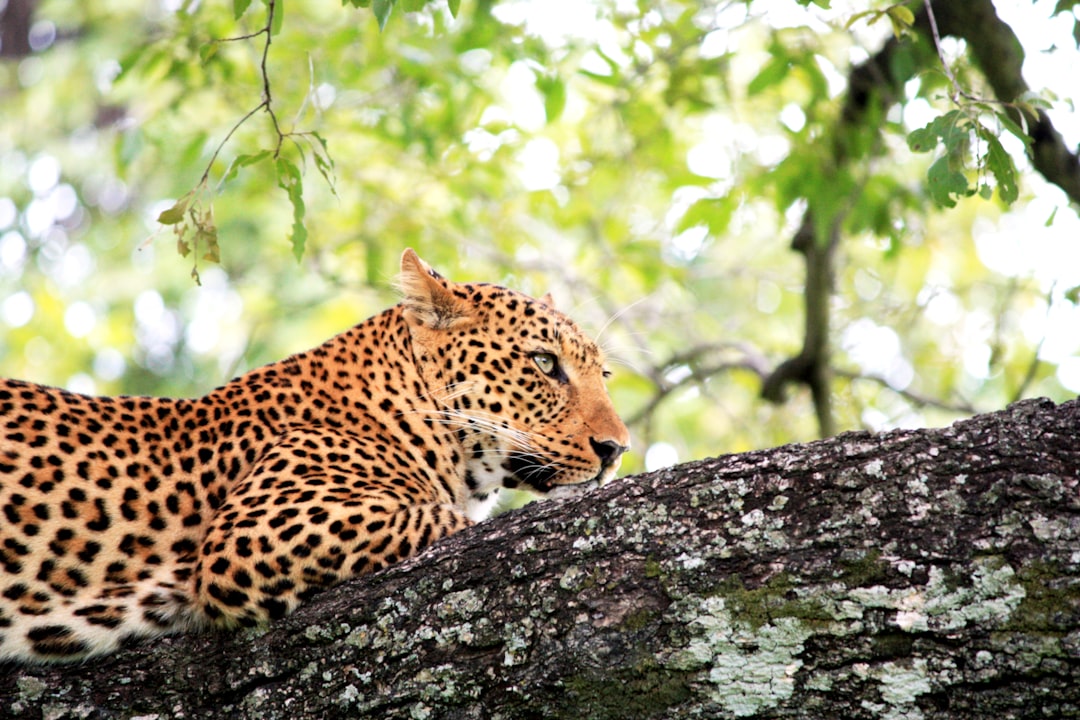
Home to the mighty Victoria Falls and some of Africa's finest walking safaris. Zambia is raw, authentic, and uncrowded, a destination for travellers who want to experience the real Africa.
Zimbabwe
Capital: Harare
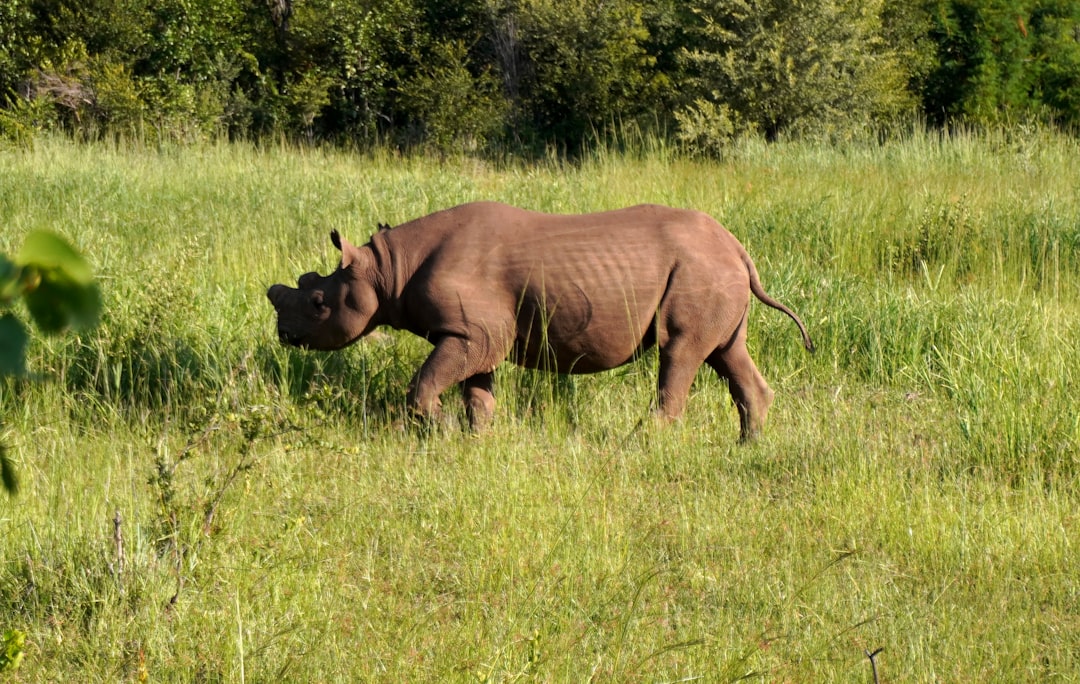
From the Zimbabwe side of Victoria Falls to the ancient ruins of Great Zimbabwe, this is a country of extraordinary natural beauty and deep cultural heritage. Hwange and Mana Pools deliver world-class safari experiences.
Botswana
Capital: Gaborone
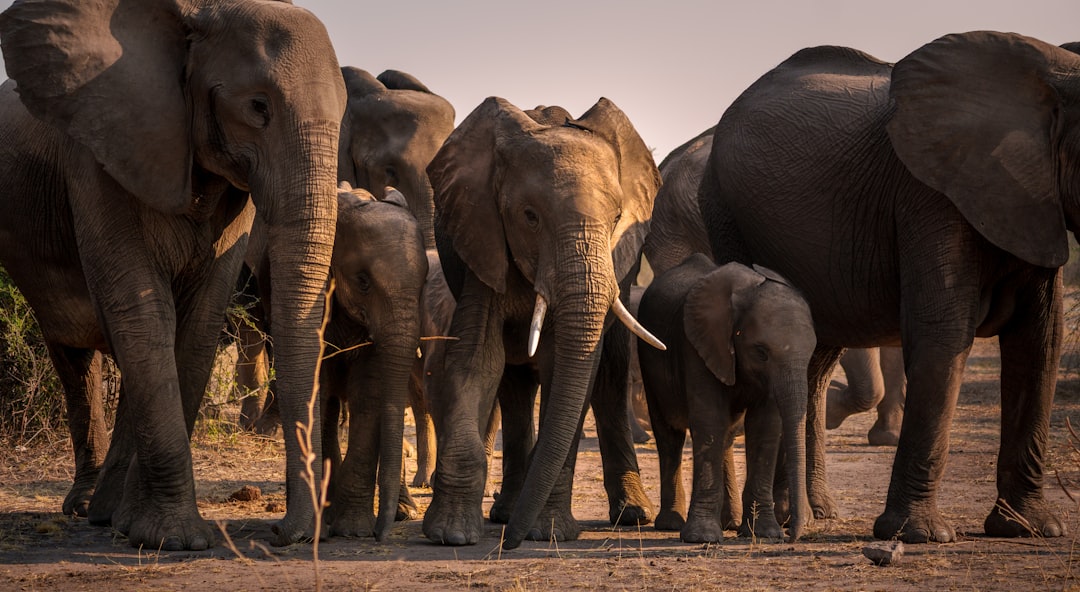
The jewel of Southern African safari. The Okavango Delta, Chobe National Park, and the Makgadikgadi Salt Pans make Botswana one of the most sought-after wildlife destinations on Earth.
Namibia
Capital: Windhoek
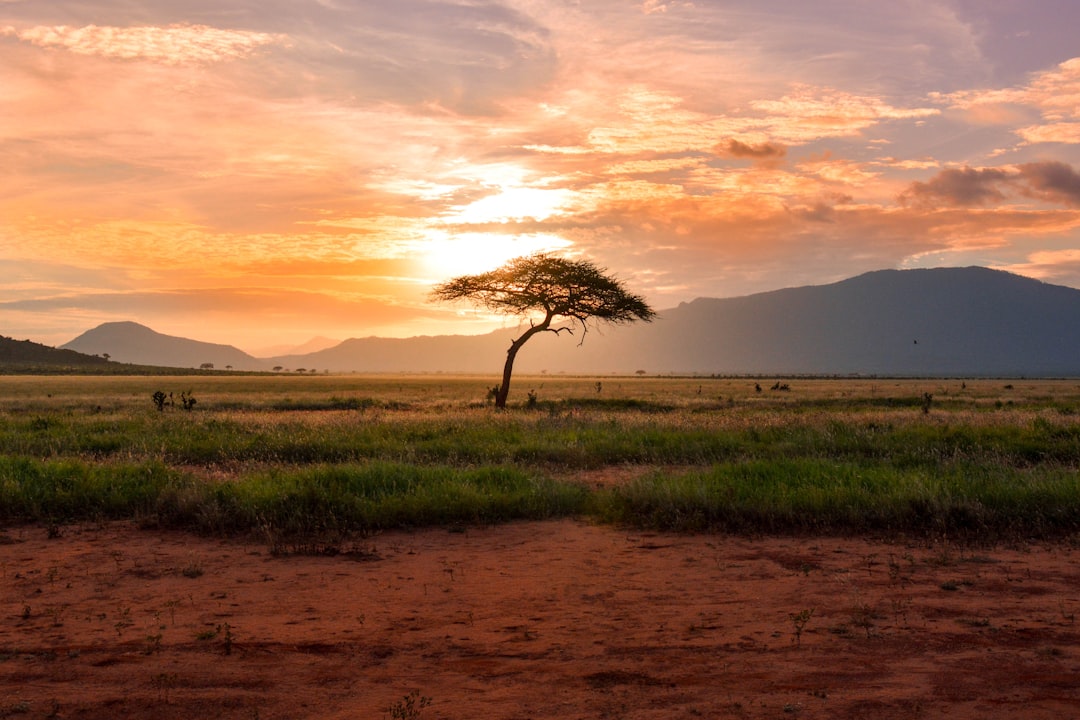
A photographer's paradise of towering red dunes, shipwreck coastlines, and vast desert landscapes. Namibia is one of Africa's most visually striking countries, with excellent self-drive routes and unique desert-adapted wildlife.
Mozambique
Capital: Maputo
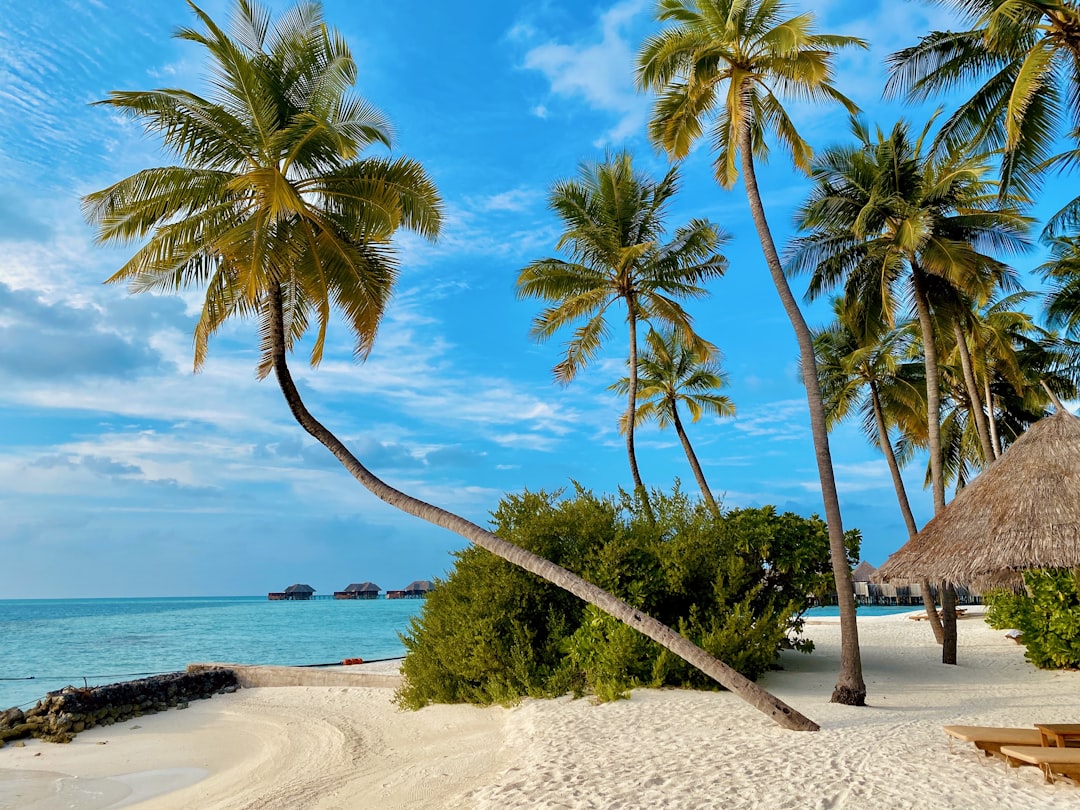
Africa's Indian Ocean paradise, 2,500 kilometres of coast, the Bazaruto Archipelago's last viable dugong population, year-round whale sharks at Tofo, Africa's greatest rewilding story at Gorongosa, and the UNESCO heritage of Ilha de Moçambique. Note: Cabo Delgado Province (including the Quirimbas) is currently subject to Level 4 "Do Not Travel" advisories.
Eswatini
Capital: Mbabane
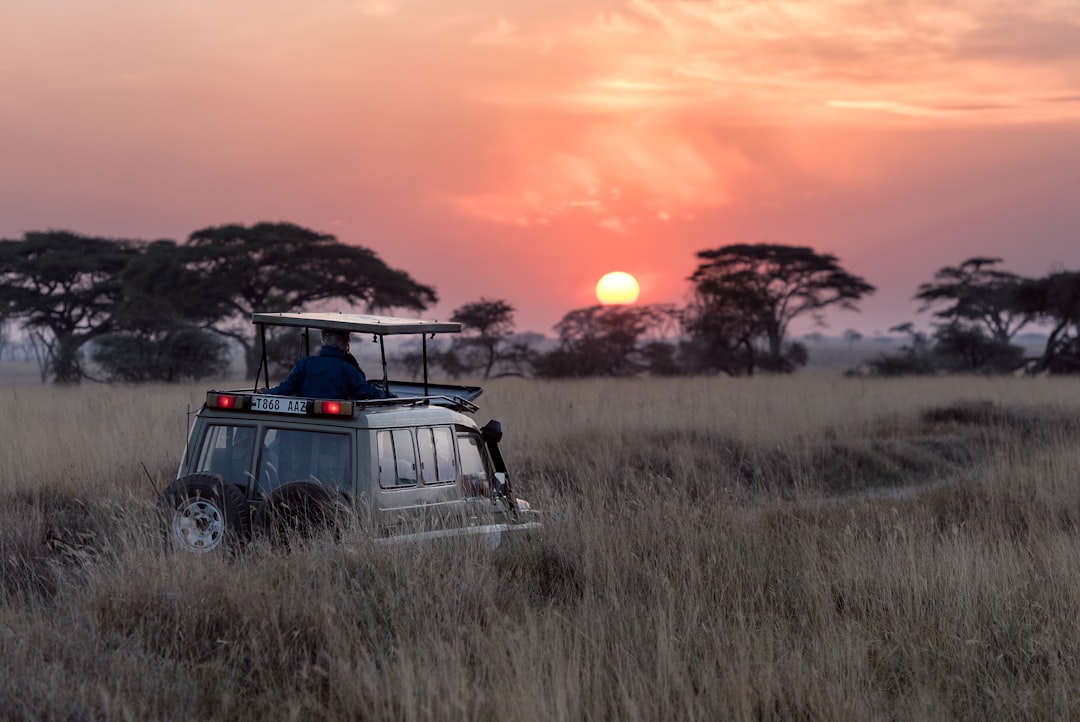
Africa's last absolute monarchy is a small but culturally rich kingdom nestled between South Africa and Mozambique. Known for its vibrant traditions, nature reserves, and the spectacular Umhlanga Reed Dance.