
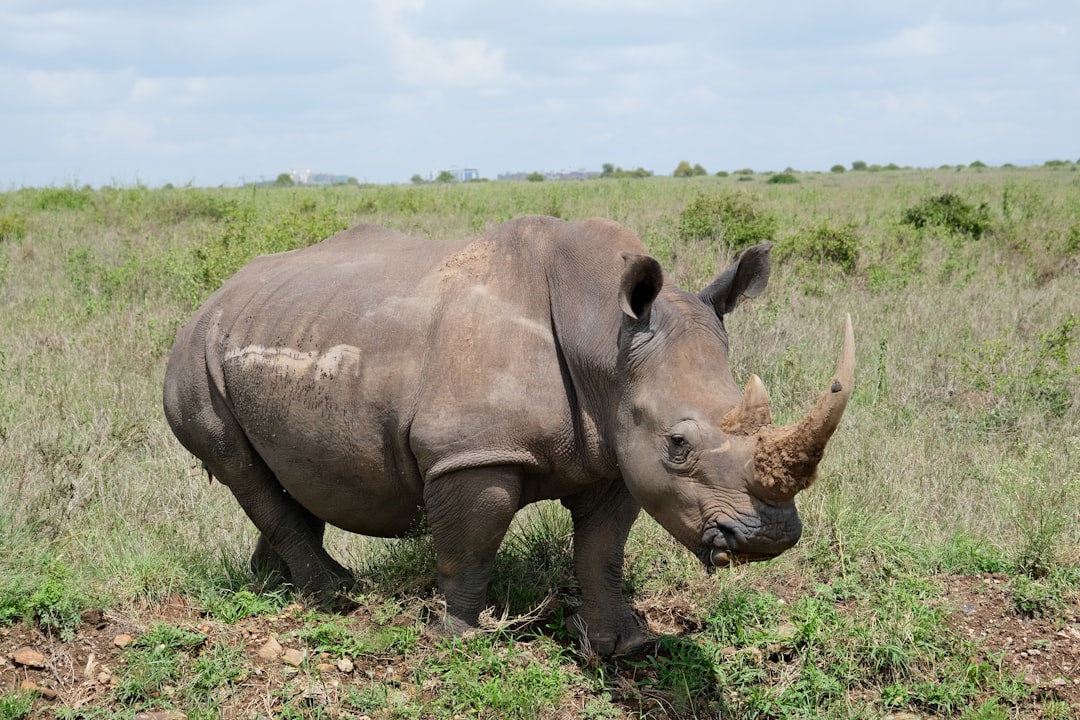
Hlane Royal National Park
Eswatini's largest national park, home to exceptional white rhino densities, elephants, lions, and the legendary Ndlovu Camp floodlit waterhole. The country's centrepiece safari destination in the northeastern lowveld.
The Rhino Kingdom
Photo by Ingeborg Korme on Unsplash
About Hlane Royal National Park
Hlane Royal National Park is the largest protected reserve in Eswatini and the centrepiece of the country's megafauna conservation programme. In the northeastern lowveld, hot, flat, thick with mopane woodland and thornbush, the park protects substantial populations of white rhino, elephant, lion, and leopard in a classic lowveld ecosystem that requires no international comparison to justify its own quality.
The white rhinoceros is Hlane's headline and its pride. The conservation programme has produced a population of such density and habituation that encounters of extraordinary intimacy are the norm rather than the exception. Mothers with calves continue feeding within metres of vehicles. Bulls move through the dust at midday without acknowledging the parked vehicle twenty metres away. This is not tame wildlife — it is wildlife that has learned, across generations, that a stationary vehicle presents no threat. The black rhinoceros is also present in smaller numbers; sightings are less reliable but achievable. Hlane's combined rhino density is among the highest anywhere in Africa outside South Africa's premier private reserves.
The Ndlovu Camp waterhole is Hlane's most celebrated feature: a permanent, floodlit water source positioned directly adjacent to the camp's accommodation and communal area, separated from guests by no more than a low fence and open space. From dusk through the night, the waterhole draws a parade of wildlife — elephants arrive in breeding herds, white rhinos drink and spar, hippos emerge from the dam to graze. Guests sit on camp chairs at the waterhole edge with a drink, in complete safety, watching the African night operate at its full intensity. This is the Eswatini equivalent of Etosha's Okaukuejo, the floodlit waterhole as the ultimate passive wildlife experience. Lions are present but managed in a separate, fenced section of the park; access is by guided morning or afternoon drives only.
Things to Do in Hlane Royal National Park
Sit at the Ndlovu Camp floodlit waterhole
The Eswatini signature passive wildlife experience. The floodlit waterhole adjacent to the camp draws elephants, white rhinos, and hippos through the evening and night. Sit with a drink as the African night operates around you. Hours can pass productively.
Self-drive the rhino circuit
Self-drive is permitted on Hlane's internal road network. The roads are predominantly corrugated dirt — a 4WD handles them more comfortably than a sedan. White rhino encounters on the main loop are routinely close, sustained, and dramatic. Allow half a day.
Take a guided lion drive
Hlane's lion population is managed in a separate, fenced section of the park. Guided morning and afternoon drives are the only way to access this section. The lions are habituated and approached with experienced rangers; encounters are reliable and intimate.
Mountain bike the bush trails
Hlane offers guided mountain biking through specific trails (the routes avoid the rhino-elephant zones for safety). A different physical engagement with the bush; cooler-weather windows recommended.
Walk with a ranger
Short guided walking experiences with armed rangers (separate from the rhino-elephant areas) introduce the lowveld vegetation and bush skills. Half-day; specific to the safer zones of the park.
Combine with Mkhaya and Shewula
The standard northeastern Eswatini circuit pairs Hlane (white rhino, Ndlovu waterhole) with Mkhaya (exclusive black-and-white rhino tracking) and Shewula Mountain Camp (community eco-tourism on the Lubombo escarpment). 4-5 days covers the whole eastern circuit.
When to Visit Hlane Royal National Park
Dry Winter
May, September
The defining Hlane window. Wildlife concentrates at the floodlit Ndlovu waterhole and the limited water sources. Vegetation thins; visibility maximises; rhinos are particularly active in the cooler periods. Comfortable daytime temperatures (20-28°C); cool nights.
Hot Dry
September, November
Wildlife concentration peaks as surface water becomes scarce. Daytime temperatures climb (35°C+ by November); the floodlit waterhole activity intensifies. Less comfortable for daytime exploration but optimal for serious wildlife watching.
Wet Summer
December, March
Summer rains break the heat; vegetation thickens; wildlife disperses across the park. Internal park roads become rougher. Migratory birds arrive in extraordinary numbers. The waterhole activity diminishes as water is widely available. Lower lodge rates.
Shoulder
April, May
Post-rain transition. Vegetation still green but thinning; wildlife concentrations rebuilding at the limited water sources. Comfortable temperatures. A strong window combining visual landscape and reliable game viewing.
Getting to Hlane Royal National Park
By road from Manzini: approximately 60 km northeast on relatively good roads (1 hour). From Mbabane: approximately 90 minutes via Manzini. From King Mswati III International Airport (SHO): approximately 1 hour. From the Lavumisa border (South Africa, KwaZulu-Natal): approximately 100 km via Big Bend (1.5-2 hours). The park is in a high-risk malaria zone — ensure prophylaxis is active before arrival. Internal park roads are corrugated dirt; standard sedans manage at reduced speed; 4WD is more comfortable.
Where to Stay
Inside the park: Ndlovu Camp (the signature property, traditional thatched huts and tented accommodation with the floodlit waterhole), Bhubesi Camp (chalets in the lion zone area, quieter and more remote). Both are Big Game Parks-operated, basic but well-positioned. Outside the park: nearby lodges in the Lubombo area, plus Shewula Mountain Camp for the community eco-tourism alternative within an hour's drive.
Travel Tips for Hlane Royal National Park
Frequently Asked Questions
- Will I see rhinos at Hlane?
- Almost certainly. White rhino densities in the park are among the highest anywhere in Africa; encounters on the main loop are routinely close and sustained. Black rhino sightings are less reliable but possible. The combination of habituation and density makes Hlane one of the world's most reliable rhino destinations.
- Is the floodlit waterhole really worth the visit?
- Yes — it is the defining Hlane experience. Elephants, white rhinos, and hippos visit through the night; the proximity and the safety make it one of the most accessible serious wildlife experiences in southern Africa. Sit there with a drink for at least one full evening.
- Can I self-drive at Hlane?
- Yes, the rhino circuit is self-drive on internal park roads. A standard sedan manages in dry conditions at reduced speed. The lion zone requires a guided drive. The combination of self-drive convenience and guided lion access is one of Hlane's defining features.
- How long should I stay at Hlane?
- Two to three nights. One full day for the rhino circuit and the lion drive, with evenings at the Ndlovu waterhole. Many travellers combine 2 nights at Hlane with 1-2 nights at Mkhaya for the complete rhino experience.
Explore More, Hlane Royal National Park
Things To Do
Plan Your Trip
More in Eswatini
Mlilwane Wildlife Sanctuary
Eswatini's oldest protected area and the only southern African destination where visitors can walk, cycle, and horseback ride directly throu…
Malolotja Nature Reserve
44,000 acres of pristine afromontane wilderness — the canopy tour, 89-metre Malolotja Falls, 12 globally threatened bird species, ancient cy…
Mkhaya Game Reserve
Strictly guided, exclusively accessed — Mkhaya's tightly controlled model delivers the highest-certainty black and white rhino encounters in…
Mantenga Cultural Village
A meticulous reconstruction of a 19th-century Swazi homestead, inhabited by community members who perform daily traditional activities. Dail…
Ezulwini Valley & Lobamba
Eswatini's cultural, spiritual, and logistical centre. The corridor between Mbabane and Manzini holds Lobamba (the spiritual capital), the S…
Phophonyane Falls Nature Reserve
Ten kilometres north of Piggs Peak — an 80-metre waterfall over rocks dated at 3.55 billion years old. Subtropical forest, 240+ bird species…
Maguga Dam
A scenic reservoir on the Komati River in the Hhohho region — panoramic valley views, boat cruises, and the start of the MR1 craft corridor …
Malkerns Valley
The fertile agricultural valley south of Ezulwini hosting Swazi Candles, Gone Rural, Baobab Batik, and the annual MTN Bushfire Festival. Dir…
Shewula Mountain Camp
Eswatini's pioneering community eco-tourism project on the Lubombo escarpment. A 100-kilometre panorama across the lowveld into Mozambique, …