
Kenya
The birthplace of the safari. Kenya's Masai Mara, Amboseli, and Tsavo are legendary, but there's also a vibrant coast, the Great Rift Valley, and Nairobi, Africa's most dynamic city.
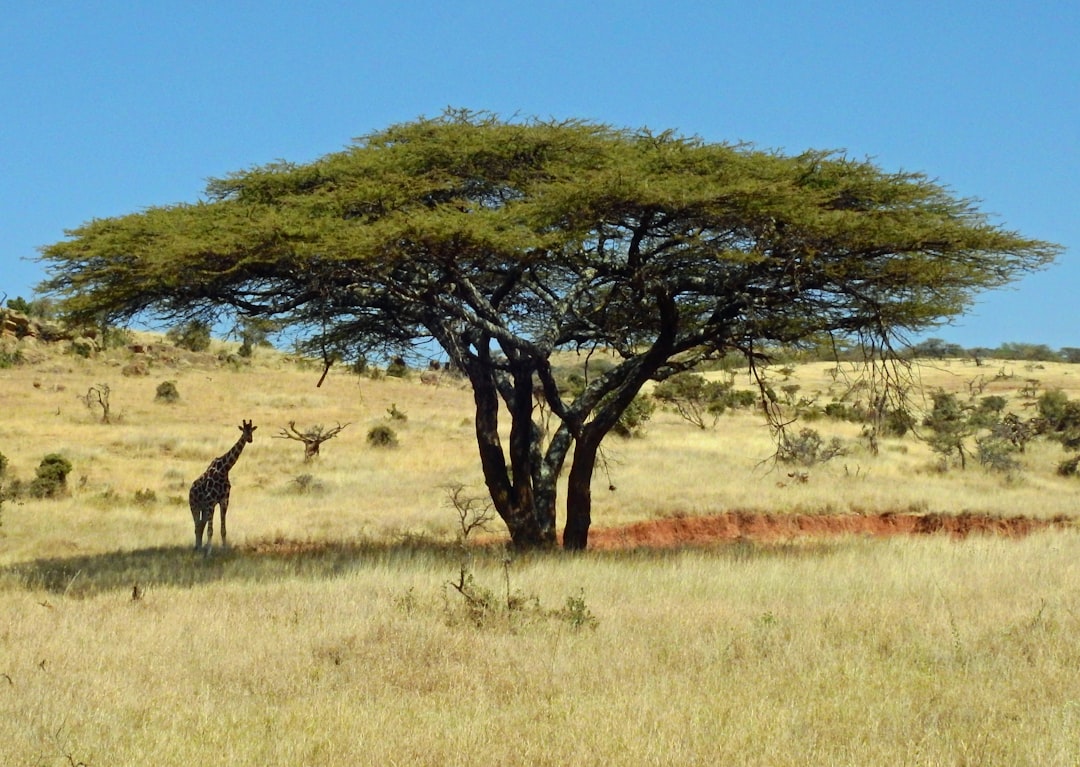
Photo by David Clode on Unsplash
About Kenya
Kenya did not invent the safari. But it defined it. The Masai Mara, the Great Wildebeest Migration, the red-robed Maasai warrior, the ice cap on Kilimanjaro visible from Amboseli at dawn — these are the images that made East Africa the organising principle of every subsequent safari destination on the continent. Everything else is measured against Kenya. What the country actually offers, across its 580,000 square kilometres, is considerably more complex and rewarding than any single image. The Great Migration is extraordinary — one of the most significant large-animal events on earth, when over a million wildebeest, zebra, and gazelle flow northward from the Serengeti into the Mara between July and October. But Kenya also holds the private conservancies surrounding the Mara where night drives and walking safaris are permitted and vehicles never crowd a sighting; the vast wilderness of Tsavo where red elephants roam; the endemic 'Special Five' of the arid northern frontier at Samburu; the glaciated summit of Mount Kenya, the continent's second-highest peak at 5,199 metres; the Swahili living museum of Lamu, frozen in centuries of Islamic coastal culture; and the white-sand beaches of Diani where two monsoon systems create year-round water sports conditions.
The tourism infrastructure has matured at pace. The Electronic Travel Authorisation (eTA) system, introduced in 2024, replaced the eVisa with a streamlined pre-arrival process. The Standard Gauge Railway now cuts through Tsavo on a journey that itself constitutes a wildlife experience — passengers see elephants and giraffe from the carriage windows during the 5.5-hour Nairobi-Mombasa run. Domestic aviation is sophisticated, connecting Nairobi's Wilson Airport to remote bush airstrips across the country in 45-90 minutes via Safarilink, Fly540, and Jambojet. And the community conservancy model — indigenous Maasai and Samburu landowners sharing revenue from tightly regulated, low-density luxury camps — is producing the most ecologically and economically sustainable safari model in Africa.
The country also enforces some of the world's strictest plastic-bag and single-use-plastic laws, with on-the-spot fines reaching USD $38,000 for violations. Camouflage clothing is illegal for civilians; drones require advance KCAA permits; photography of military installations, police, government buildings, and transit infrastructure is prohibited. The plastic ban applies even inside national parks. These rules are seriously enforced; visitors who arrive prepared have no issues. Kenya rewards both first-time visitors and those returning for their fifth circuit. The Mara delivers exactly as advertised; the Kilimanjaro dawn above Amboseli is exactly as beautiful as the photographs suggest; the Lamu alleyways are exactly as ancient and alive. The country has been delivering on its own legend for long enough that it has no need to embellish. What it offers is simply, and entirely, the real thing.
Explore Kenya
In-depth guides to the destinations that define a trip to Kenya.
Where the Safari Was Defined
Masai Mara & the Conservancies
Africa's most celebrated wildlife arena. The Great Wildebeest Migration, the Mara River crossings, and the Maasai community conservancies su…
Elephants Under Kilimanjaro
Amboseli National Park
Kenya's iconic Kilimanjaro-backdrop elephant park. The world's most thoroughly studied elephant population, the Amboseli swamps fed by subte…
Kenya's Untamed Wilderness
Tsavo East & West
21,000 square kilometres of semi-arid bush, volcanic terrain, and riverine ecosystem — the largest protected area in Kenya. Red elephants of…
The Special Five
Samburu National Reserve
Kenya's northern frontier — arid, volcanic, and harsh. The endemic Special Five (Grevy's zebra, Somali ostrich, reticulated giraffe, gerenuk…
Conservation at the Highest Level
Laikipia & Ol Pejeta
Kenya's exclusive conservation heartland on the Laikipia Plateau. The world's last two Northern White Rhinoceroses, East Africa's largest bl…
Africa's Second Highest Peak
Mount Kenya
Africa's second-highest mountain at 5,199 metres — more technically varied and more genuinely wild than Kilimanjaro. The Sirimon, Chogoria, …
The Safari Capital
Nairobi
The only capital city on earth with a national park within its boundaries. The David Sheldrick Wildlife Trust elephant nursery, the Giraffe …
The Swahili Living Museum
Lamu Island & Archipelago
Kenya's UNESCO-listed Swahili Old Town — the oldest, best-preserved Swahili settlement in East Africa, dating to the 14th century. No motor …
East Africa's Premier Coast
Diani Beach
Twenty-five kilometres of silver-white sand and turquoise Indian Ocean on Kenya's south coast. World-class kitesurfing, marine park diving, …
Nakuru Rhinos, Naivasha Hippos, and Hell's Gate Cycling
Rift Valley Lakes
Three distinct experiences within a few hours of each other in central Kenya — Lake Nakuru's rhino sanctuary and flamingos, Lake Naivasha's …
Top Highlights
When to Visit Kenya
Great Migration
July, October
The definitive Kenya safari window. Over a million wildebeest flow north from the Serengeti into the Masai Mara; river crossings peak August-September. Dry conditions concentrate wildlife around permanent water across all parks. Peak pricing applies; book conservancy camps 12-18 months ahead.
Short Rains
November, December
Sharp afternoon showers transform the landscape to vivid green. Migratory birds arrive in extraordinary numbers; wildlife is active and well-nourished; rates drop substantially. An exceptional value window with most parks operating fully.
Secondary Dry
January, March
Warm and dry. Strong game viewing before the long rains. Amboseli's Kilimanjaro views are clearest in this window. February is calving season in the Mara, generating concentrated predator activity. The coast is hot and humid.
Long Rains
April, May
Heavy, persistent rain. Vegetation is dense, reducing game visibility. Some remote northern camps close. Dramatically lower rates across the industry, birth season for many species, and near-complete absence of crowds. Intrepid travellers find this an exceptional value season.
Getting to Kenya
Most international visitors fly into Jomo Kenyatta International Airport (JKIA) in Nairobi — the regional hub for Sub-Saharan Africa with direct long-haul flights from London, Amsterdam, Dubai, Doha, Addis Ababa, and major European, Gulf, and African cities. Mombasa's Moi International Airport (MBA) receives charter and some scheduled flights for the coast. Domestic safari flights operate from Wilson Airport in Nairobi (separate from JKIA), connecting to all major bush airstrips in 45-90 minutes via Safarilink Aviation, Fly540, and Jambojet. Self-driving and chauffeured 4x4 transfers serve the road circuits; the Standard Gauge Railway between Nairobi and Mombasa cuts through Tsavo with wildlife visible from the carriage windows.
Main Airports
- Jomo Kenyatta International Airport (JKIA), Nairobi — primary international hub
- Wilson Airport, Nairobi — domestic safari flights to bush airstrips
- Moi International Airport (MBA), Mombasa — coastal gateway
Visa Information
Kenya replaced the eVisa with the Electronic Travel Authorisation (eTA) system in 2024. All foreign visitors except East African Community citizens require an eTA before travel — apply at least one week before departure via the official government portal. Passport must be valid for at least 6 months with minimum 2 blank pages. Return or onward flight ticket may be requested at border control.
From Neighbouring Countries
From Tanzania: the Namanga and Isebania border crossings handle most overland traffic; Nairobi is 4-5 hours from the border. From Uganda: the Malaba and Busia crossings serve the western route. From Ethiopia: the Moyale crossing handles northern overland traffic. The Kenya-Somalia border counties (Garissa, Wajir, Mandera) and parts of the northern frontier near Ethiopia are subject to travel advisories — avoid these unless specifically advised by your operator.
Travel Tips for Kenya
Explore More, Kenya
More in East Africa
Tanzania
Capital: Dodoma
Home to the Serengeti, Kilimanjaro, and Zanzibar, Tanzania is a continent in miniature. From the crater floor of Ngorongoro to the spice-scented streets of Stone Town, every corner reveals something extraordinary.
Uganda
Capital: Kampala
The Pearl of Africa. Uganda is the world's premier gorilla trekking destination, home to half the planet's mountain gorillas. Beyond the primates, find the source of the Nile, tree-climbing lions, and exceptional birding.
Rwanda
Capital: Kigali
The Land of a Thousand Hills. Rwanda has transformed into one of Africa's most remarkable success stories. Gorilla trekking in Volcanoes National Park is the headline, but Kigali's cleanliness, culture, and coffee scene are reasons to stay longer.
Ethiopia
Capital: Addis Ababa
Africa's oldest independent nation and one of its most culturally rich. From the rock-hewn churches of Lalibela to the Simien Mountains and the Danakil Depression, Ethiopia is unlike anywhere else on Earth.
Madagascar
Capital: Antananarivo
An island continent with wildlife found nowhere else on Earth. Lemurs, baobabs, and rainforests make Madagascar one of the planet's greatest biodiversity hotspots. It's Africa's most unique destination.