
Rift Valley Lakes
Three distinct experiences within a few hours of each other in central Kenya — Lake Nakuru's rhino sanctuary and flamingos, Lake Naivasha's hippos and boat safaris, and Hell's Gate National Park where you cycle and walk directly through wildlife.
Nakuru Rhinos, Naivasha Hippos, and Hell's Gate Cycling
About Rift Valley Lakes
The Great Rift Valley's fault lines have created a string of lakes in central Kenya that offer three distinct and complementary experiences within a few hours of each other. Lake Nakuru is a fortified rhino sanctuary and alkaline lake supporting vast flamingo flocks — a combination available nowhere else. Lake Naivasha is a freshwater lake of exceptional tranquility, productive for boat-based hippo and bird viewing, and flanked by the Hell's Gate gorges. Hell's Gate National Park is the only Kenya park where you leave the vehicle and cycle or walk directly through wildlife — gorges, cliffs, geothermal geysers, zebra, and giraffe passing at arm's length.
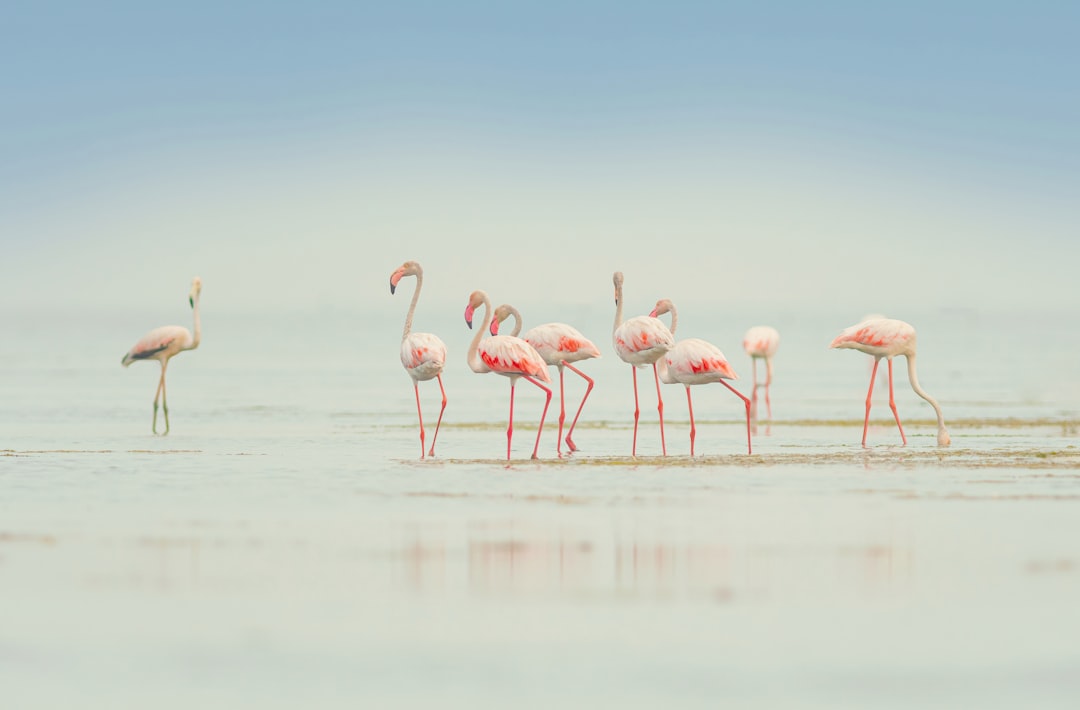
Lake Nakuru's value has shifted significantly over recent decades. Once internationally known primarily for its spectacular flamingo flocks — which can still reach hundreds of thousands of birds when conditions favour the alkaline lake's cyanobacteria bloom — the park is now equally important as Kenya's most fortified Black and White Rhino sanctuary. Both species are reliably encountered on game drives through the park's wooded hills and open grassland. The park also supports the rare Rothschild's giraffe (the same critically endangered subspecies bred at the Nairobi Giraffe Centre), waterbuck in large numbers, and leopards using the rocky hillsides and dense forest. Flamingo numbers fluctuate with the alkaline bloom — from hundreds of thousands creating a pink shoreline to almost none when conditions shift them to other Rift Valley lakes. Current flamingo counts are worth checking with your operator before anchoring expectations.
Lake Naivasha is the freshwater counterpart — serene, papyrus-fringed, and productive for boat-based wildlife observation. Hippo pods surface predictably in the main lake channels; African fish eagles call from the lakeshore trees; cormorants, herons, and kingfishers work the margins. At night, hippos leave the lake to graze on the shoreline lawns of several lakefront properties — guests at Camp Carnelley's and similar properties regularly encounter grazing hippos within metres of their tents and bandas. Hell's Gate National Park is exceptional for a specific reason: you can leave the vehicle. The park explicitly permits cycling and walking through its towering basalt cliffs, deep gorges, and geothermal geysers. Cyclists and walkers move at ground level past grazing zebra, eland, giraffe, and buffalo — the animals completely indifferent to non-motorised visitors. The gorge walk from Elsa Gate follows Fischer's Tower and the dramatic walls of the Main Gorge to the Obsidian Caves — one of Kenya's finest half-day outdoor excursions.
Things to Do in Rift Valley Lakes
Game drive Lake Nakuru National Park
The fortified rhino sanctuary supports East Africa's most reliable Black and White Rhino sightings outside Laikipia/Ol Pejeta. The wooded hills and grasslands also hold Rothschild's giraffe, leopard, lion, and substantial waterbuck herds. Allow a full day for the park circuit.
Watch flamingos at Lake Nakuru
When conditions favour the alkaline bloom, the shoreline turns pink with hundreds of thousands of flamingos. Flocks are unpredictable — sometimes they shift to Lake Bogoria or other Rift Valley lakes. Check current conditions before booking specifically for flamingos.
Boat safari on Lake Naivasha
Boat-based wildlife observation among hippos, African fish eagles, and the rich waterbird community of the papyrus-fringed lake. Morning departures are most productive. Most lodges arrange 1-2 hour boat trips at modest cost.
Cycle through Hell's Gate National Park
The defining Rift Valley experience. Bike hire at Elsa Gate; cycle through the towering basalt cliffs, past zebra and giraffe grazing within metres, to Fischer's Tower and the Main Gorge. Half-day; moderate fitness; the most accessible non-vehicle wildlife experience in Kenya.
Walk the Hell's Gate gorges
From Elsa Gate the gorge walk follows Fischer's Tower through the Main Gorge to the Obsidian Caves and beyond. Allow 4-5 hours return; sturdy footwear essential. Geothermal steam rising from the valley floor adds drama. Park rangers provide current safety guidance given the lion reintroduction.
Visit Crescent Island
A peninsula on Lake Naivasha (technically connected to the mainland) that operates as a walking safari area — no dangerous predators, only herbivores. Walk among zebra, wildebeest, eland, giraffe, and waterbuck at close range. Combined with the boat safari, an excellent half-day.
When to Visit Rift Valley Lakes
Long Dry
June, October
Optimal conditions across all three sites. Comfortable hiking and cycling at Hell's Gate; clear visibility at Nakuru; good boat conditions at Naivasha. Peak demand period when combined with Mara safari extensions.
Secondary Dry
January, March
Warm dry conditions. Strong wildlife viewing across all parks. Migratory birds present. Comfortable for cycling and boat activities. February is calving season at the wider Rift Valley parks.
Short Rains
November, December
Afternoon showers green the landscape. Flamingo activity at Nakuru may shift to other Rift Valley lakes depending on alkaline conditions. Lower crowds; lower rates.
Long Rains
April, May
Heavy rain affects Hell's Gate cycling conditions; Nakuru and Naivasha remain accessible. Lower rates; significantly fewer crowds. Best for travellers prioritising value.
Getting to Rift Valley Lakes
By road from Nairobi: Lake Naivasha is 90 km (1.5-2 hours) on the well-maintained A104; Lake Nakuru is a further 60 km (1 hour) past Naivasha; Hell's Gate is 5 minutes from Lake Naivasha. The standard circuit drives a 3-park loop covering all three sites over 2-3 days. Self-drive is straightforward and common. From the Mara, the Rift Valley parks are 4-5 hours by road; many safari operators include them as an extension on the Mara circuit.
Where to Stay
Lake Nakuru: Sarova Lion Hill Lodge (luxury, ridge position with lake views), Lake Nakuru Lodge (mid-range, well-positioned), Kembu Cottages (mid-range B&B). Lake Naivasha: Sanctuary Farm (boutique, working farm setting), Crescent Camp, Camp Carnelley's (budget/camping with hippos on the lawn at night). Hell's Gate: Day-trip from Naivasha accommodation; no in-park lodging. The standard circuit base is Lake Naivasha (central, well-served, with the most accommodation options).
Travel Tips for Rift Valley Lakes
Frequently Asked Questions
- Are the Rift Valley lakes worth visiting?
- Yes, as part of a Kenya circuit. They offer experiences unavailable elsewhere: Nakuru's rhino-and-flamingo combination, Naivasha's hippo boat safari, Hell's Gate's cycling-through-wildlife. They pair well with Nairobi (2 hours away) or as a Mara extension. Less compelling as standalone destinations.
- Will I see the flamingos at Lake Nakuru?
- Conditions-dependent. Some years the alkaline bloom favours Nakuru and produces hundreds of thousands of flamingos. Other years the birds shift to Lake Bogoria, Elementaita, or Magadi. Check current reports with your operator before booking specifically for flamingos. The rhinos at Nakuru are reliable year-round.
- Is Hell's Gate safe to cycle through?
- Generally yes — the herbivores are unconcerned by cyclists. Lion and leopard have been reintroduced; ranger guidance identifies which sections remain safe for independent cycling and walking. Hire from Elsa Gate; follow current park briefing. The reward is the only ground-level wildlife experience available in mainland Kenya.
- How many nights for the Rift Valley?
- Two to three nights is sufficient. Most travellers base at Lake Naivasha and day-trip to Nakuru and Hell's Gate. A 3-night Rift Valley extension after a Mara safari is the standard format; some travellers do a 2-night Rift Valley loop from Nairobi.
Explore More, Rift Valley Lakes
Plan Your Trip
More in Kenya
Masai Mara & the Conservancies
Africa's most celebrated wildlife arena. The Great Wildebeest Migration, the Mara River crossings, and the Maasai community conservancies su…
Amboseli National Park
Kenya's iconic Kilimanjaro-backdrop elephant park. The world's most thoroughly studied elephant population, the Amboseli swamps fed by subte…
Tsavo East & West
21,000 square kilometres of semi-arid bush, volcanic terrain, and riverine ecosystem — the largest protected area in Kenya. Red elephants of…
Samburu National Reserve
Kenya's northern frontier — arid, volcanic, and harsh. The endemic Special Five (Grevy's zebra, Somali ostrich, reticulated giraffe, gerenuk…
Laikipia & Ol Pejeta
Kenya's exclusive conservation heartland on the Laikipia Plateau. The world's last two Northern White Rhinoceroses, East Africa's largest bl…
Mount Kenya
Africa's second-highest mountain at 5,199 metres — more technically varied and more genuinely wild than Kilimanjaro. The Sirimon, Chogoria, …
Nairobi
The only capital city on earth with a national park within its boundaries. The David Sheldrick Wildlife Trust elephant nursery, the Giraffe …
Lamu Island & Archipelago
Kenya's UNESCO-listed Swahili Old Town — the oldest, best-preserved Swahili settlement in East Africa, dating to the 14th century. No motor …
Diani Beach
Twenty-five kilometres of silver-white sand and turquoise Indian Ocean on Kenya's south coast. World-class kitesurfing, marine park diving, …