
Samburu National Reserve
Kenya's northern frontier — arid, volcanic, and harsh. The endemic Special Five (Grevy's zebra, Somali ostrich, reticulated giraffe, gerenuk, Beisa oryx) are found nowhere else on the southern safari circuit. Samburu culture, the Ewaso Nyiro River, and ultra-luxury clifftop lodges.
The Special Five
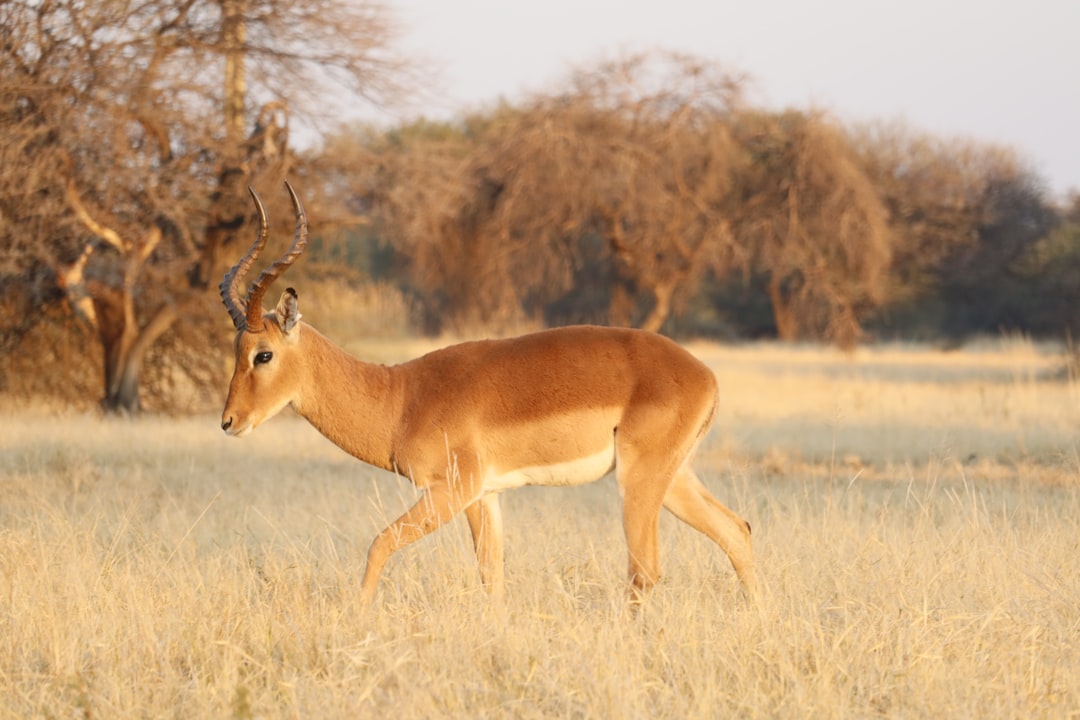
Photo by Arno Moller on Unsplash
About Samburu National Reserve
Kenya's northern frontier district is not the savannah of the south. It is arid, volcanic, and harsh — a landscape of striking granite outcrops, doum palms, and dust that concentrates entirely around the Ewaso Nyiro River. The wildlife that has adapted to these conditions has evolved separately enough from the southern species that a distinct set of endemic fauna has emerged: the Special Five. These are the reason serious Kenya safari travellers include a Samburu stop in their itinerary — not as a supplement to the Masai Mara but as a genuinely different ecological experience unavailable in the south.
The Special Five: **Grevy's Zebra** — the world's largest zebra, with larger rounder ears and finer, more densely packed stripes than the plains zebra of the south. The ears have earned them the nickname 'Mickey Mouse' zebra. Critically endangered; Samburu is their stronghold. **Somali Ostrich** — distinguishable from the common ostrich by its striking blue neck and legs during mating season. **Reticulated Giraffe** — the most distinctly patterned giraffe subspecies, with dark brown patches separated by a narrow network of bright white lines, found only in the arid regions of Kenya, Ethiopia, and Somalia. **Gerenuk** — the 'giraffe-necked antelope' with an extraordinarily elongated neck that stands entirely on its hind legs to feed from acacia branches at heights no other antelope can reach. **Beisa Oryx** — the northern counterpart of the gemsbok with long straight horns and distinctive black and white facial markings, adapted for heat management in extreme aridity.
Samburu is inseparable from the Samburu people — a semi-nomadic pastoralist community whose warrior culture, elaborate beadwork, and relationship with their cattle herds create one of Kenya's richest cultural contexts. Many lodges maintain genuine, respectful partnerships with Samburu communities; guided cultural visits and interaction with community members provide depth that pure wildlife safaris cannot. The reserve itself is relatively small (165 sq km) but the adjacent Buffalo Springs, Shaba, and the broader Samburu ecosystem combine into a substantial wildlife area. The Ewaso Nyiro River is the lifeline — the only permanent water across the dry north, drawing wildlife concentrations that the surrounding semi-arid landscape cannot otherwise support.
Things to Do in Samburu National Reserve
Track the Special Five
Each of the five endemic species is a deliberate target. Grevy's zebra in the open grasslands; gerenuk in the acacia scrub; reticulated giraffe across the reserve; Somali ostrich in the more arid sections; Beisa oryx on the dry flats. A 3-night Samburu stay produces sightings of all five with capable guides.
Game drive along the Ewaso Nyiro
The river is the ecological spine of the reserve. Game drives along its banks intercept the wildlife that converges on the only permanent water. Elephants, lion, leopard, and the Special Five all use the river corridor. Particularly productive at dawn and dusk.
Visit a Samburu community
Conducted respectfully through lodge-arranged partnerships, Samburu village visits provide substantive cultural depth. The warrior culture, the elaborate beadwork, and the cattle herding traditions are presented by community members in their actual roles. Pay a fair fee for engagement and any photographs.
Walking safari with a Samburu guide
Several premium lodges offer guided walking safaris with Samburu naturalist guides who combine ecological knowledge with cultural context. The combination of bush ecology and pastoralist perspective is rare in Kenya.
Sunset on the cliffs at Saruni Samburu
Saruni Samburu is built into a volcanic rock face overlooking the Kalama Conservancy. Sunset from the cliff-edge plunge pool, with the dust of the day settling across the plains below, is one of the most architecturally and visually striking lodge experiences in Kenya.
Combine with Laikipia and Mount Kenya
Samburu pairs naturally with Laikipia (Ol Pejeta, Borana, Lewa — 2-3 hours south) and Mount Kenya (3-4 hours south to Nanyuki). A full northern Kenya circuit of 7-10 days covers Samburu's endemic species, Laikipia's rhinos, and the Mount Kenya region.
When to Visit Samburu National Reserve
Long Dry
July, October
The Special Five are reliably encountered as wildlife concentrates at the Ewaso Nyiro River. Heat builds through the dry season; September-October sees the most intense game viewing. Peak pricing applies at the premium properties.
Secondary Dry
January, March
Warm and dry, comfortable game viewing. Wildlife concentrations at the river remain strong. Slightly lower pricing than the July-October peak; manageable crowds.
Short Rains
November, December
Afternoon showers transform the dust to green flush. Migratory birds arrive. Wildlife disperses but remains accessible. Lower rates make this a strong value window.
Long Rains
April, May
Heavy rain transforms the normally dry landscape; some access tracks become temporarily difficult. Several premium camps close for parts of this window. For travellers prioritising solitude and value.
Getting to Samburu National Reserve
By light aircraft from Wilson Airport in Nairobi (1 hour) to the Samburu airstrip — Safarilink operates scheduled circuits with options for the connecting Buffalo Springs, Shaba, and Kalama airstrips. By road from Nairobi: 6-7 hours via Nanyuki, Isiolo, and Archer's Post. Standard 15kg soft-bag luggage limit on light aircraft. The Isiolo-Samburu corridor has had banditry concerns historically; most travellers fly to avoid the road exposure.
Where to Stay
Ultra-luxury: Saruni Samburu (built into a volcanic rock face — architecturally extraordinary), Sasaab (riverside, Moroccan-influenced design), Elephant Bedroom Camp. Premium mid-range: Samburu Sopa Lodge, Ashnil Samburu Camp, Larsens Tented Camp. Budget/community: Samburu Riverside Camp, Nashipa Eco Camp (with strong community partnership). Three to four nights is the standard stay length, allowing time for the Special Five and cultural engagement.
Travel Tips for Samburu National Reserve
Frequently Asked Questions
- Is Samburu worth the trip?
- For travellers interested in the endemic Special Five and the cultural depth of the Samburu people, absolutely. Samburu is genuinely different from the southern circuit, not a supplement. For travellers focused on Big Five density and the Great Migration, the Mara is a stronger primary destination.
- When are the Special Five most reliably seen?
- Dry seasons (June-October and January-March) when wildlife concentrates around the Ewaso Nyiro River. A 3-night stay with capable guides produces sightings of all five. Gerenuk are particularly distinctive when standing on hind legs to feed; reticulated giraffe are stunning in any conditions.
- How does Samburu compare to the Masai Mara?
- Completely different. The Mara is savanna abundance with the Great Migration; Samburu is arid northern frontier with endemic species. They pair well in a combined itinerary — Mara for the Big Five and migration, Samburu for the Special Five and the cultural depth.
- Is Samburu safe?
- Yes, safari areas are safe and well-managed. The wider northern Kenya region (particularly toward Wajir, Mandera, and Marsabit) is subject to travel advisories; the Samburu reserve and conservancies themselves are not. Most travellers fly in to avoid the Isiolo road corridor.
Explore More, Samburu National Reserve
Things To Do
Plan Your Trip
More in Kenya
Masai Mara & the Conservancies
Africa's most celebrated wildlife arena. The Great Wildebeest Migration, the Mara River crossings, and the Maasai community conservancies su…
Amboseli National Park
Kenya's iconic Kilimanjaro-backdrop elephant park. The world's most thoroughly studied elephant population, the Amboseli swamps fed by subte…
Tsavo East & West
21,000 square kilometres of semi-arid bush, volcanic terrain, and riverine ecosystem — the largest protected area in Kenya. Red elephants of…
Laikipia & Ol Pejeta
Kenya's exclusive conservation heartland on the Laikipia Plateau. The world's last two Northern White Rhinoceroses, East Africa's largest bl…
Mount Kenya
Africa's second-highest mountain at 5,199 metres — more technically varied and more genuinely wild than Kilimanjaro. The Sirimon, Chogoria, …
Nairobi
The only capital city on earth with a national park within its boundaries. The David Sheldrick Wildlife Trust elephant nursery, the Giraffe …
Lamu Island & Archipelago
Kenya's UNESCO-listed Swahili Old Town — the oldest, best-preserved Swahili settlement in East Africa, dating to the 14th century. No motor …
Diani Beach
Twenty-five kilometres of silver-white sand and turquoise Indian Ocean on Kenya's south coast. World-class kitesurfing, marine park diving, …
Rift Valley Lakes
Three distinct experiences within a few hours of each other in central Kenya — Lake Nakuru's rhino sanctuary and flamingos, Lake Naivasha's …