
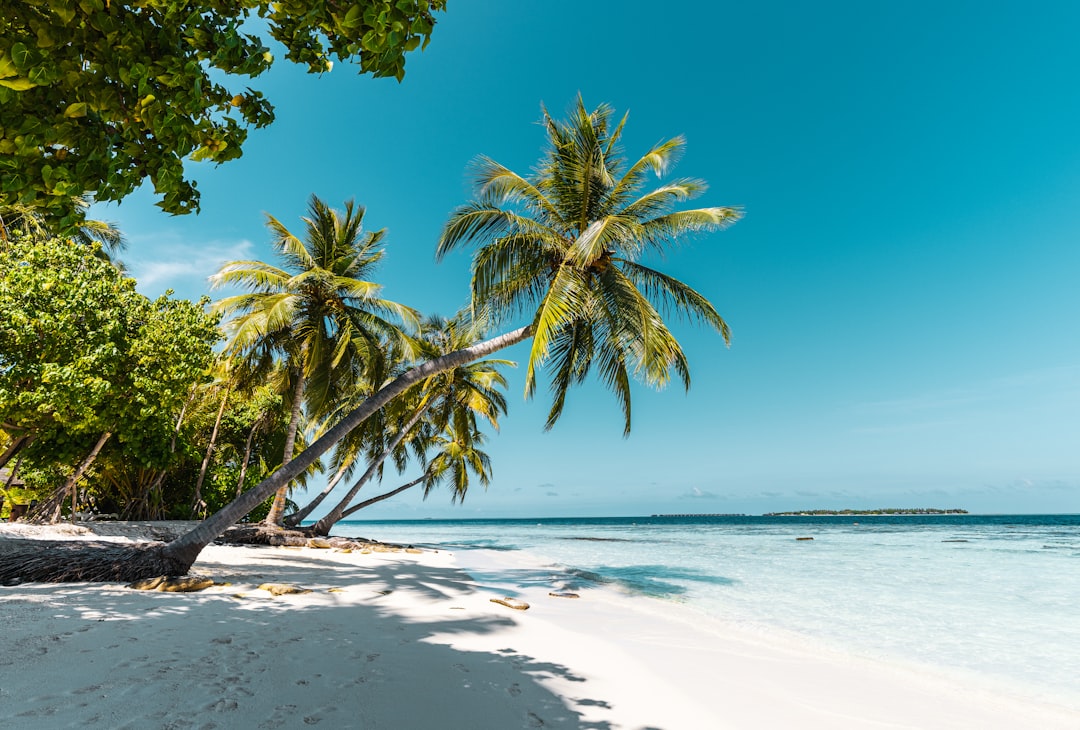
Diani Beach
Twenty-five kilometres of silver-white sand and turquoise Indian Ocean on Kenya's south coast. World-class kitesurfing, marine park diving, year-round monsoon-driven wind, and the country's most complete beach destination.
East Africa's Premier Coast
Photo by Simon Spring on Unsplash
About Diani Beach
Diani Beach stretches for 25 uninterrupted kilometres along Kenya's southern coast — silver-white sand, brilliant turquoise water, dense palm forest behind, and the deliberate absence of the high-rise development that has compromised other Indian Ocean coastal destinations. The aesthetic is Swahili-inflected, low-rise, and genuinely beautiful. What distinguishes Diani from comparable East African beaches is its marine infrastructure and the particular conditions created by two ancient monsoon systems. The Kusi (blowing from the south, April-September) and the Kaskazi (blowing from India, December-April) alternate across the calendar, providing reliable wind for world-class kitesurfing and windsurfing throughout the year.
The reliable alternation of two monsoon systems means Diani has consistent wind across almost the entire calendar — a rarity on the Indian Ocean coast and the primary reason it has developed as East Africa's premier kitesurfing destination. Operators along the beach provide lessons and equipment hire for all skill levels; the wide, shallow lagoon behind the outer reef is ideal for learners. The reef systems in Kisite-Mpunguti Marine Park offer clear water, strong fish diversity, and seasonal encounters with whale sharks. Dive operators along the beach manage certification courses and daily boat departures. Year-round spinner and bottlenose dolphin populations inhabit the channel between the shore and Kisite Island; morning boat trips enter the dolphin zone at low speed and the animals often bowride.
Deep-sea fishing is productive — the offshore channel holds tuna, blue marlin, swordfish, and wahoo. Charter boats operate from the beach. The Kongo Estuary, where the Kongo River meets the ocean near the remnants of a 16th-century mosque, is calm and shallow, excellent for stand-up paddleboarding and sunset canoe tours. Diani is the beach that waits at the end of the safari circuit — the place where the dust of the Mara or Amboseli gets washed away in Indian Ocean water that is, depending on the tide and the cloud, somewhere between turquoise and blue. Three to five nights covers the beach decompression properly; longer stays for serious water-sports enthusiasts. Most travellers combine Diani with a safari circuit for the textbook 10-14 day Kenya itinerary.
Things to Do in Diani Beach
Kitesurf the consistent monsoon winds
Diani's primary water-sports identity. The Kaskazi (December-April, NE) and Kusi (April-September, S) monsoons provide reliable wind almost year-round. Operators along the beach run lessons and equipment hire for all skill levels. The wide shallow lagoon behind the reef is ideal for learners.
Dive Kisite-Mpunguti Marine Park
Clear water, strong fish diversity, healthy coral, and seasonal whale shark encounters. Dive operators along the beach manage PADI certification courses and daily boat departures. The Mpunguti Marine National Reserve and Kisite Marine Park together protect substantial reef systems.
Take a dolphin-watching boat trip
Year-round spinner and bottlenose dolphin populations inhabit the channel between the shore and Kisite Island. Morning boat trips approach at low speed; the animals frequently bowride. A 3-4 hour excursion combines dolphin-watching with snorkelling.
Deep-sea fish for marlin and tuna
The offshore channel holds tuna, blue marlin, swordfish, and wahoo. Charter boats operate from the beach for half-day and full-day trips. Catch-and-release is standard for billfish; tuna and wahoo are typically retained for the restaurant.
Paddleboard the Kongo Estuary
Where the Kongo River meets the ocean near the remnants of a 16th-century mosque — calm, shallow water excellent for stand-up paddleboarding and sunset canoe tours. A peaceful contrast to the open-ocean activities.
Combine with safari for the classic Kenya itinerary
The standard 10-day Kenya trip ends at Diani for 3-4 nights of beach decompression after the safari intensity. Flights from Nairobi Wilson direct to Ukunda Airstrip (30 minutes) make the transition seamless; the dust of the Mara washes away within an hour of arrival.
When to Visit Diani Beach
Hot Dry
December, March
Warm, clear, calm conditions. The Kaskazi monsoon (northeast) provides consistent wind for kitesurfing. Christmas-New Year peak demand; book ahead. Water temperature 28°C+ — exceptional swimming and diving conditions.
Cool Dry
July, September
Cooler weather; the Kusi monsoon (south) creates stronger conditions for advanced kitesurfing. Diving visibility excellent. Combines well with Mara migration safaris. Daytime temperatures 24-28°C.
Short Rains
October, November
Brief afternoon showers between extended sunny periods. Wind transitions between monsoons. Lower crowds before the December peak. Strong value before Christmas demand builds.
Long Rains
April, May
Heavy persistent rain; reduced beach time; some operators close. Lower rates at remaining open properties. For specialist travellers prioritising value or focused on indoor activities.
Getting to Diani Beach
By air to Ukunda Airstrip (30 minutes from Wilson Airport in Nairobi) on Safarilink, Fly540, or Mombasa Air Safari. The airstrip is 5 minutes from the central Diani beach hotels. By air to Mombasa Moi International Airport (MBA) followed by 1-hour road transfer south to Diani via the Likoni ferry (or the new Dongo Kundu bypass). By SGR train from Nairobi to Mombasa (5.5 hours) then road transfer. Most travellers fly directly to Ukunda to avoid the Mombasa-Diani road transfer time.
Where to Stay
Luxury boutique: The Maji Beach Boutique Hotel, Waterlovers Beach Resort, The Sands at Nomad, Almanara Boutique Hotel, Chale Island Resort — USD $400-800+ per night. Premium mid-range: Swahili Beach Resort, Diani Reef Beach Resort, Southern Palms Beach Resort, Baobab Beach Resort — USD $200-400. Mid-range: Leopard Beach Resort, Galu Sea Lodge, Pinewood Beach Resort. Budget: Stilts Backpackers, Villa LeoMar, Kaskazi Beach Resort — USD $100-200. Most resorts offer all-inclusive packages with full board, beach access, and water sports inclusions.
Travel Tips for Diani Beach
Frequently Asked Questions
- Diani or Lamu for the Kenyan coast?
- Different experiences. Diani is the active water-sports beach destination with high-quality resorts and infrastructure. Lamu is the cultural-immersion Swahili-island destination with no cars and a slower pace. They pair well for travellers with time — 3 nights at Diani for the active beach, 3-4 nights at Lamu for the cultural depth.
- When is the best time for kitesurfing?
- The Kaskazi monsoon (December-April, northeast) provides consistent moderate wind suitable for all skill levels including learners. The Kusi monsoon (April-September, south) provides stronger conditions for advanced kitesurfers. Diani has reliable wind almost year-round — the rarity that makes it East Africa's premier kitesurfing destination.
- Is Diani safe?
- Yes, the south coast tourism corridor is safe and well-managed. Standard beach precautions apply: do not leave valuables unattended; respect the lifeguard guidance about swimming and currents; avoid walking the beach after dark in unfamiliar sections. The wider Mombasa area requires standard urban precautions.
- How many nights should I stay at Diani?
- Three to five nights for beach decompression after the safari intensity. Longer (7-10 nights) for serious water-sports enthusiasts focused on kitesurfing, diving, or fishing. Many travellers combine Diani with Lamu (1-hour flight) for a full 7-10 night coastal extension.
Explore More, Diani Beach
Plan Your Trip
More in Kenya
Masai Mara & the Conservancies
Africa's most celebrated wildlife arena. The Great Wildebeest Migration, the Mara River crossings, and the Maasai community conservancies su…
Amboseli National Park
Kenya's iconic Kilimanjaro-backdrop elephant park. The world's most thoroughly studied elephant population, the Amboseli swamps fed by subte…
Tsavo East & West
21,000 square kilometres of semi-arid bush, volcanic terrain, and riverine ecosystem — the largest protected area in Kenya. Red elephants of…
Samburu National Reserve
Kenya's northern frontier — arid, volcanic, and harsh. The endemic Special Five (Grevy's zebra, Somali ostrich, reticulated giraffe, gerenuk…
Laikipia & Ol Pejeta
Kenya's exclusive conservation heartland on the Laikipia Plateau. The world's last two Northern White Rhinoceroses, East Africa's largest bl…
Mount Kenya
Africa's second-highest mountain at 5,199 metres — more technically varied and more genuinely wild than Kilimanjaro. The Sirimon, Chogoria, …
Nairobi
The only capital city on earth with a national park within its boundaries. The David Sheldrick Wildlife Trust elephant nursery, the Giraffe …
Lamu Island & Archipelago
Kenya's UNESCO-listed Swahili Old Town — the oldest, best-preserved Swahili settlement in East Africa, dating to the 14th century. No motor …
Rift Valley Lakes
Three distinct experiences within a few hours of each other in central Kenya — Lake Nakuru's rhino sanctuary and flamingos, Lake Naivasha's …