
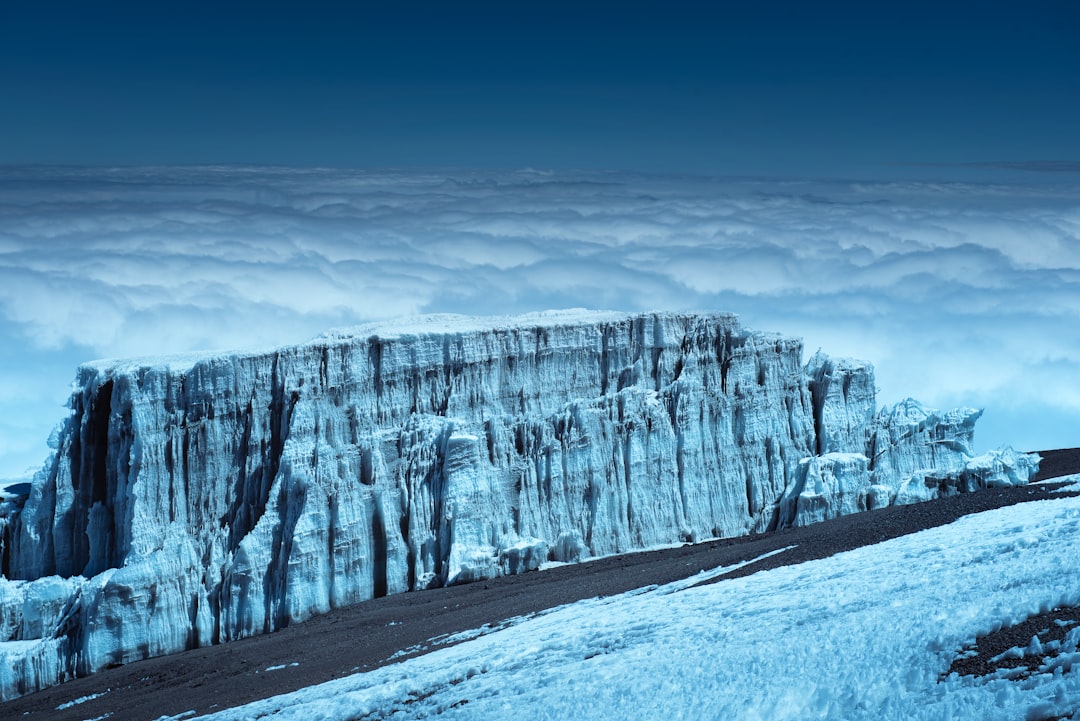
Mount Kenya
Africa's second-highest mountain at 5,199 metres — more technically varied and more genuinely wild than Kilimanjaro. The Sirimon, Chogoria, and Naro Moru routes lead to Point Lenana (4,985m), the highest non-technical trekking point in Kenya.
Africa's Second Highest Peak
About Mount Kenya
Mountaineers who have climbed both consistently make the same observation: Kilimanjaro is higher, more famous, and more congested; Mount Kenya is more beautiful, more technically varied, and more genuinely wild. The jagged, glaciated peaks of Batian (5,199m) and Nelion (5,188m) are serious technical climbs requiring ropes, experienced guides, and significant mountaineering competence. But Point Lenana (4,985m) — the highest point accessible to non-technical trekkers — is achievable by any fit person who acclimatises properly over 4-6 days. The ecological range across the climb is extraordinary: dense bamboo forest at the lower elevations gives way to highland moorland populated by giant senecios (tree groundsels) and giant lobelias — alien-looking plants that grow only at equatorial altitude and give the mountain a science-fiction visual character. Above the moorland: glaciated cirques, scree slopes, and the final rocky approach to the summit.
Three primary routes serve the non-technical trekker. The Sirimon Route (4-5 days, moderate) is the most popular non-technical ascent — gradual approach through magnificent montane forest and moorland via Old Moses Camp (3,300m) and Shipton's Camp (4,200m) before a pre-dawn summit push to Point Lenana. Strong for acclimatisation quality and scenic variety. The Chogoria Route (5-6 days, moderate to hard) is universally considered the most scenically spectacular approach, with dramatic views of Lake Ellis, Lake Michaelson, and the Gorges Valley, through lush forest, culminating at Mintos Hut before the summit. Descent is typically via Sirimon. The Naro Moru Route (3-5 days, challenging) is the fastest but most demanding path, notorious for the 'Vertical Bog' section — a grueling marshy stretch that tests both physical fitness and waterproof footwear.
Mount Kenya rewards the trekker who treats it with respect. Acclimatisation matters: rushing the ascent produces altitude sickness, sometimes serious. The 4-6 day timeline is not aggressive; it is the minimum for safe summit attempts. The mountain is technical in places; competent guides and porters are essential. The cost is meaningful — mountain tipping scales significantly above safari rates given the hazardous conditions and physical demands. The summit push to Point Lenana begins at midnight or before dawn — a headlamp cone in cold darkness, moving slowly up scree toward a horizon that becomes visible only as the sky lightens. When the sun comes above the cloud layer below and the glaciers catch the first light and the valley fills with gold far beneath you, you understand what the 4am alarm was for.
Things to Do in Mount Kenya
Trek to Point Lenana via Sirimon
The most popular non-technical summit route. 4-5 days through montane forest, moorland with giant senecios and lobelias, and the high-altitude approach. Pre-dawn summit push from Shipton's Camp. Moderate fitness and proper acclimatisation required.
Trek the Chogoria Route
The most scenically spectacular approach. 5-6 days through dramatic gorges, alpine lakes (Ellis, Michaelson), and the Mintos Hut high camp. Descent typically via Sirimon. Moderate to hard difficulty; good fitness required.
Climb Batian or Nelion (technical)
The actual summits of Mount Kenya at 5,199m and 5,188m. Serious technical climbs requiring ropes, rock-climbing competence, and experienced guides. Multi-day expeditions with specialist operators only. Not accessible to non-climbers.
Forest walks from Nanyuki
For visitors not undertaking the summit trek, the lower forest zones of the Mount Kenya ecosystem offer excellent day hiking, exceptional birding (the Aberdares and Mount Kenya forest are among Kenya's best birding sites), and the opportunity to see the alpine moorland from a half-day excursion without the multi-day commitment.
Visit a Mau Mau cave
The Mount Kenya forests historically hosted Mau Mau resistance fighters during the late colonial period. Some caves and historical sites are accessible with local guides; the historical depth complements the natural setting.
Combine with Laikipia and Samburu
Mount Kenya pairs naturally with Laikipia (1-2 hours by road) and Samburu (3-4 hours via Nanyuki and Isiolo). A 10-14 day northern circuit covers the alpine trek, the rhino conservancies, and the endemic northern species. Nanyuki is the gateway town for the mountain.
When to Visit Mount Kenya
Primary Dry
January, February
The optimal trekking window. Driest conditions of the year; clearest summit views; firmest trail conditions. Daytime temperatures mild at lower elevations; near-freezing at the upper camps. Peak trekking season; book guides and porters well ahead.
Secondary Dry
July, September
The second optimal window. Dry, clear conditions for trekking. Slightly colder than January-February. Strong for travellers combining Mount Kenya with the Great Migration in the Mara during the same trip window.
Short Rains
November, December
Afternoon showers; trail conditions deteriorate; visibility from the summit reduces. Some guides do not operate during heavy short-rains periods. Lower demand; lower pricing.
Long Rains
April, May
Heavy persistent rain; trails become treacherous; summit attempts not recommended. Most operators do not run treks during peak long-rains weeks. Lower-elevation forest walks remain accessible.
Getting to Mount Kenya
By light aircraft from Wilson Airport in Nairobi to Nanyuki Airstrip (45 minutes) — the gateway town for the mountain. By road from Nairobi: 3-4 hours via the well-paved A2 highway. Nanyuki has lodge accommodation and serves as the staging post for all major route trailheads. Sirimon and Chogoria trailheads are accessible by road from Nanyuki; Naro Moru via the Naro Moru town. All trekking requires guided operations with licensed Kenya Wildlife Service guides and porters; KWS operations control the trailheads and huts.
Where to Stay
Pre/post-trek (Nanyuki area): Mount Kenya Safari Club (luxury historic property), Ol Pejeta Bush Camp (combine with safari), Fairmont Mount Kenya Safari Club, Naro Moru River Lodge (closer to Naro Moru trailhead). On the mountain: Old Moses Camp, Shipton's Camp, Liki North Hut, Austrian Hut (Sirimon Route); Mintos Hut, Lake Ellis Camp (Chogoria Route). Mountain accommodation is basic — dorms, communal kitchen, cold water — but functional. Tipping for crew: lead guide USD $15/day, assistant guides and chef USD $10/day, porters USD $8/day each. Total crew tips for a 5-day Sirimon trek can reach USD $300-400.
Travel Tips for Mount Kenya
Frequently Asked Questions
- Mount Kenya or Kilimanjaro?
- Mountaineers consistently rate Mount Kenya as more beautiful, more technically varied, and more genuinely wild than Kilimanjaro. Kilimanjaro is higher, more famous, and far more congested. For non-technical trekkers, Point Lenana (4,985m) is the goal; for serious climbers, Batian (5,199m) is a major technical climb. Many serious Africa trekkers prefer Mount Kenya.
- Is Point Lenana hard?
- Moderate. Any fit person who acclimatises properly over 4-6 days can reach Point Lenana. The technical sections are minimal; the challenge is altitude. The pre-dawn summit push is the hardest single day. Sirimon route is the recommended starting point for first-time trekkers.
- When should I avoid Mount Kenya?
- April-May (long rains) and to a lesser extent November-December (short rains). Heavy rain makes trails treacherous and reduces visibility. Most reputable operators avoid these windows entirely or run reduced schedules.
- Can I combine Mount Kenya with a safari?
- Yes, very commonly. Most trekkers do 5-6 days on the mountain and combine with 3-4 nights at Laikipia (for the rhino conservancies, 1-2 hours from the mountain) or 4-5 nights at the Masai Mara (a short flight from Nanyuki). A 10-14 day combined trek and safari is a strong Kenya itinerary.
Explore More, Mount Kenya
Things To Do
Plan Your Trip
More in Kenya
Masai Mara & the Conservancies
Africa's most celebrated wildlife arena. The Great Wildebeest Migration, the Mara River crossings, and the Maasai community conservancies su…
Amboseli National Park
Kenya's iconic Kilimanjaro-backdrop elephant park. The world's most thoroughly studied elephant population, the Amboseli swamps fed by subte…
Tsavo East & West
21,000 square kilometres of semi-arid bush, volcanic terrain, and riverine ecosystem — the largest protected area in Kenya. Red elephants of…
Samburu National Reserve
Kenya's northern frontier — arid, volcanic, and harsh. The endemic Special Five (Grevy's zebra, Somali ostrich, reticulated giraffe, gerenuk…
Laikipia & Ol Pejeta
Kenya's exclusive conservation heartland on the Laikipia Plateau. The world's last two Northern White Rhinoceroses, East Africa's largest bl…
Nairobi
The only capital city on earth with a national park within its boundaries. The David Sheldrick Wildlife Trust elephant nursery, the Giraffe …
Lamu Island & Archipelago
Kenya's UNESCO-listed Swahili Old Town — the oldest, best-preserved Swahili settlement in East Africa, dating to the 14th century. No motor …
Diani Beach
Twenty-five kilometres of silver-white sand and turquoise Indian Ocean on Kenya's south coast. World-class kitesurfing, marine park diving, …
Rift Valley Lakes
Three distinct experiences within a few hours of each other in central Kenya — Lake Nakuru's rhino sanctuary and flamingos, Lake Naivasha's …