
Nairobi
The only capital city on earth with a national park within its boundaries. The David Sheldrick Wildlife Trust elephant nursery, the Giraffe Centre, Nairobi National Park, and the cultural and conservation institutions that make the city a destination in its own right.
The Safari Capital
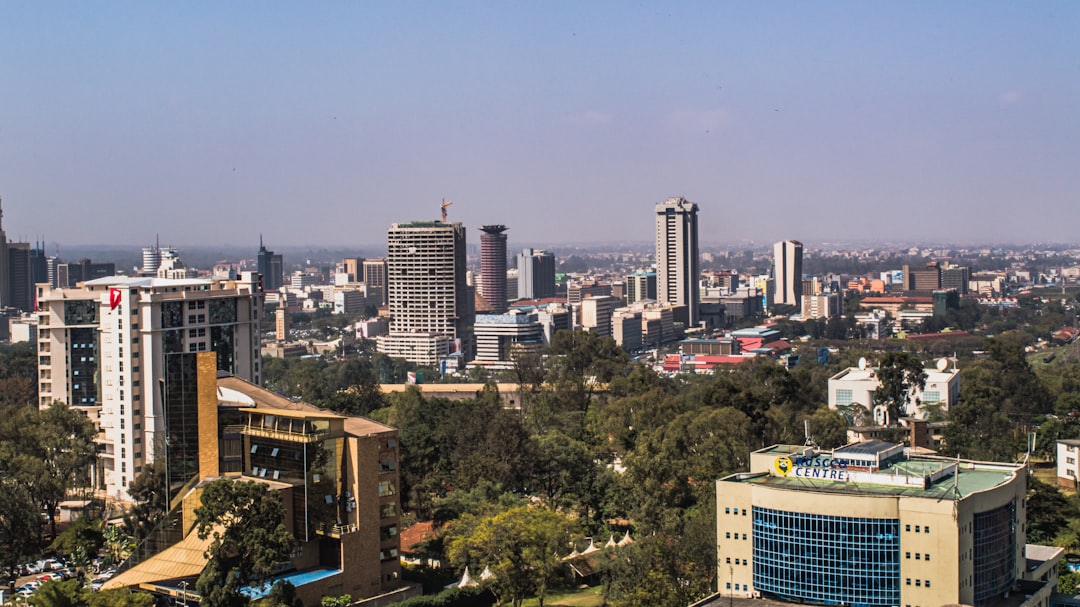
Photo by imsogabriel stock on Unsplash
About Nairobi
Most travellers treat Nairobi as transit — one night before the flight to the Mara or the coast. This is understandable and also wasteful. Nairobi is the only capital city on earth with a national park within its municipal boundaries; it holds two of the most important wildlife conservation institutions in Africa; and the 48-hour Nairobi itinerary is genuinely rewarding in ways that most African capitals cannot match. Give it two days. Use them actively.
The David Sheldrick Wildlife Trust (DSWT) is the most successful elephant orphan rescue and rehabilitation programme in the world. The daily feeding session at 11am (one hour, booking required) allows visitors to observe baby elephants at close range as they receive their milk and interact with the keepers who live with them 24 hours a day. The narrative context — each orphan's rescue story, the causes of elephant orphaning (poaching, human-wildlife conflict, accidents), the anti-poaching work, and the rewilding programme that returns the elephants to Tsavo as adults — is presented with clarity and impact. One of the most emotionally affecting wildlife experiences in Kenya, accessible without leaving the city. The Giraffe Centre, operated by the African Fund for Endangered Wildlife, runs a parallel programme for the critically endangered Rothschild's (Nubian) giraffe. Visitors feed the giraffes directly from an elevated platform, eye-level with the animals' heads, and receive substantive conservation education.
Nairobi National Park is 117 square kilometres of fenced wilderness within sight of Nairobi's downtown skyline. Lions, rhinos, leopards, buffalo, hippos, crocodiles, and over 400 bird species are reliably present — viewed with the Nairobi high-rises as a perpetual backdrop. The visual juxtaposition is jarring and fascinating: a rhino grazing with a city behind it, a lion pride walking past office towers on the horizon. The park is most productively visited on a morning game drive (depart by 6am) before day-visitor congestion. Self-drive is permitted. Beyond the wildlife sites, the Karen Blixen Museum (the Danish author's former home, preserved as the setting of Out of Africa), the Bomas of Kenya (cultural performances showcasing traditional dances from Kenya's 42+ ethnic groups), and Karura Forest (1,000 hectares of urban forest with cycling and walking trails) provide cultural and natural depth. Nairobi works best for visitors who understand what it is — not a destination to be endured but a city of genuine quality that happens to also be the most important safari gateway on the continent.
Things to Do in Nairobi
Attend the daily DSWT elephant feeding
Daily 11am-12pm at the David Sheldrick Wildlife Trust nursery. Watch baby elephants drink their milk and interact with keepers; hear each orphan's story. Booking required (limited daily numbers). One of the most emotionally affecting hours in Kenya.
Feed giraffes at the Giraffe Centre
The African Fund for Endangered Wildlife Centre breeds and rehabilitates Rothschild's giraffes. Visitors feed the giraffes from an elevated platform — eye-level with the animals' heads. Combined with the educational programme, one of Kenya's most complete single-hour experiences.
Morning game drive in Nairobi National Park
Depart by 6am for the dawn game drive. The 117 km² park holds lion, rhino, leopard, buffalo, and 400+ bird species — all viewed against the Nairobi skyline. Self-drive is permitted; many visitors hire a 4x4 with driver-guide. The visual juxtaposition (wildlife with city behind) is uniquely Nairobi.
Visit the Karen Blixen Museum
The Danish author's former home, preserved as the setting of Out of Africa. The farmhouse, period furniture, and gardens evoke colonial-era Kenya with detail and depth. The Ngong Hills visible from the garden. Allow 1-2 hours.
Watch cultural performances at Bomas of Kenya
Daily traditional dance and music performances showcasing Kenya's 42+ ethnic groups. More curated than community visits but more comprehensive than any single cultural encounter in the bush. The replicated traditional homesteads on site provide architectural context.
Walk or cycle Karura Forest
One of the largest urban forests in the world — 1,000 hectares on the northern edge of the city. Cycling and walking trails; exceptional birding; waterfalls and caves; entirely peaceful and at odds with the urban character of Nairobi. Free entry.
When to Visit Nairobi
Cool Dry
June, August
Cool and dry — Nairobi's high elevation keeps temperatures comfortable (20-25°C daytime, 10°C at night). Excellent for city exploration and the wildlife sites. Often pairs with Mara migration safaris on either side of the trip.
Warm Dry
January, March
Warm and dry; clear skies; comfortable conditions for the Nairobi National Park game drives. Migratory birds present. The best window for combining Nairobi with the calving-season Mara visit.
Short Rains
November, December
Sharp afternoon showers; mornings generally clear. Lower crowds at the wildlife sites. Lush green city; productive birding at Karura Forest.
Long Rains
April, May
Persistent rain; some game drive disruption at Nairobi National Park (mud); the indoor cultural sites remain fully accessible. Lower hotel rates and significantly fewer crowds.
Getting to Nairobi
Jomo Kenyatta International Airport (JKIA) is the regional hub for Sub-Saharan Africa — direct long-haul flights from London, Amsterdam, Dubai, Doha, Addis Ababa, and major European, Gulf, and African cities. Wilson Airport handles all domestic safari flights (45-90 minutes to bush airstrips on Safarilink, Fly540, Jambojet). Transit between JKIA and Wilson takes 30-60 minutes depending on traffic. From JKIA to central Nairobi: 30-90 minutes by taxi or rideshare depending on traffic. The Madaraka SGR Express terminates at the Nairobi SGR Terminus (separate from JKIA; allow 30 minutes between).
Where to Stay
Luxury: Hemingways Nairobi (boutique luxury near Karen), Fairmont The Norfolk (historic CBD), Villa Rosa Kempinski, Tribe Hotel (Gigiri near UN). Premium mid-range: Tamarind Tree Hotel, Radisson Blu Upper Hill, Ole Sereni (adjacent to Nairobi National Park with park views from the rooms). Budget/transit: Eka Hotel (airport-adjacent), Nairobi Backpackers, Jungle Junction. Many travellers stay at airport-adjacent or Wilson-adjacent hotels for early domestic departures; Karen-area lodges are convenient for the Giraffe Centre and DSWT visits.
Travel Tips for Nairobi
Frequently Asked Questions
- Is Nairobi safe for tourists?
- Generally yes during daylight hours in well-trafficked areas; less so at night and in specific neighbourhoods. Standard urban precautions apply: do not walk after dark, do not carry visible valuables, use rideshare instead of walking between sites, lock car doors in traffic. The main tourist areas (Karen, Westlands, Gigiri) are well-policed.
- How many days should I spend in Nairobi?
- Two full days. The DSWT, Giraffe Centre, Nairobi National Park, Karen Blixen Museum, and Bomas of Kenya are all achievable across two days with comfortable scheduling. Single-night stays miss the depth.
- Can I do a safari from Nairobi without flying?
- Nairobi National Park itself is a half-day safari within the city — Big Five (rhino, lion, leopard, buffalo) plus over 400 bird species. For more substantial safaris, the Masai Mara (45-minute flight or 5-6 hour drive), Amboseli (45 minutes flight or 4 hour drive), and Tsavo (45 minutes or SGR train) are all accessible without long transfers.
- Is the DSWT experience worth it?
- Yes — it is the single most affecting hour available in Nairobi. The combination of close-range elephant calf observation, the keepers' detailed individual histories, and the conservation context produces an emotional engagement that most adults find more meaningful than vehicle-based safari encounters with adult elephants.
Explore More, Nairobi
Plan Your Trip
More in Kenya
Masai Mara & the Conservancies
Africa's most celebrated wildlife arena. The Great Wildebeest Migration, the Mara River crossings, and the Maasai community conservancies su…
Amboseli National Park
Kenya's iconic Kilimanjaro-backdrop elephant park. The world's most thoroughly studied elephant population, the Amboseli swamps fed by subte…
Tsavo East & West
21,000 square kilometres of semi-arid bush, volcanic terrain, and riverine ecosystem — the largest protected area in Kenya. Red elephants of…
Samburu National Reserve
Kenya's northern frontier — arid, volcanic, and harsh. The endemic Special Five (Grevy's zebra, Somali ostrich, reticulated giraffe, gerenuk…
Laikipia & Ol Pejeta
Kenya's exclusive conservation heartland on the Laikipia Plateau. The world's last two Northern White Rhinoceroses, East Africa's largest bl…
Mount Kenya
Africa's second-highest mountain at 5,199 metres — more technically varied and more genuinely wild than Kilimanjaro. The Sirimon, Chogoria, …
Lamu Island & Archipelago
Kenya's UNESCO-listed Swahili Old Town — the oldest, best-preserved Swahili settlement in East Africa, dating to the 14th century. No motor …
Diani Beach
Twenty-five kilometres of silver-white sand and turquoise Indian Ocean on Kenya's south coast. World-class kitesurfing, marine park diving, …
Rift Valley Lakes
Three distinct experiences within a few hours of each other in central Kenya — Lake Nakuru's rhino sanctuary and flamingos, Lake Naivasha's …