A warm, walkable two-day plan for Stone Town, Zanzibar: carved doors and alleyways, the sobering slave market, Forodhani food stalls, a spice farm and a dhow at sunset.
- Location
- Unguja island, Zanzibar, Tanzania
- Status
- UNESCO World Heritage Site (since 2000)
- Getting there
- Ferry from Dar es Salaam (~2 hrs) or fly to ZNZ airport
- Best time
- Dry seasons: June–October and December–February
- Currency
- Tanzanian shilling (TZS); USD widely accepted
- Suggested stay
- 2 nights for this itinerary
Stone Town is the historic heart of Zanzibar City, on the island of Unguja off the Tanzanian coast, and a UNESCO World Heritage Site since 2000. Its tangle of coral-stone lanes carries a thousand years of trade history, written into Swahili, Arab, Indian and European architecture and the famous brass-studded carved doors.
This is a place best taken slowly and on foot. You can see its essentials in two unhurried days, and that is exactly what this itinerary sets out to do: one day for the old town's monuments and markets, a second for spices, islands and the open sea.
Treat the plan as a frame rather than a timetable. Half the pleasure of Stone Town is getting lost, so leave room to follow a smell, a sound or a doorway down an alley you had no intention of taking.
Getting Your Bearings
Stone Town sits on a small peninsula on the western side of Unguja, facing the Indian Ocean. The seafront promenade runs along its northern and western edge, anchored by the Old Fort and Forodhani Gardens, while the dense maze of alleys spreads inland behind them. Almost everything in this guide lies within a 15-minute walk of that waterfront.
The town is genuinely a labyrinth, and no map app copes well with the unnamed passages. Rather than fight it, use the sea and a few tall landmarks as your compass: the Old Fort and the former House of Wonders to the north-west, the spire of the Anglican Cathedral to the east, and the bustle of Darajani Market in the centre.
Zanzibar is predominantly Muslim and conservative by custom. In town, both men and women should cover shoulders and knees; women may feel more comfortable carrying a light scarf. Beachwear belongs on the beach, not in the streets, and a little modesty goes a long way in earning warm welcomes.
Day One: The Old Town on Foot
Begin early, before the heat builds, at the Old Fort (Ngome Kongwe), the oldest building in Stone Town. Built by the Omani Arabs in the late 17th century over an earlier Portuguese chapel, its honey-coloured ramparts now enclose a quiet courtyard with craft stalls and a small amphitheatre that hosts the annual Sauti za Busara music festival.
Next door stands the former House of Wonders (Beit-al-Ajaib), once the grandest building on the island and the first in Zanzibar to have electricity and a lift. Note that it partially collapsed in 2020 and has been under a long restoration; you will likely admire its tiered verandahs from the outside rather than tour the interior, so check current access locally.
Walk east into the lanes to the Anglican Cathedral of Christ Church, built in the 1870s on the site of the old slave market. The adjoining memorial and museum tell the sobering story of the East African slave trade with honesty; the underground holding chambers and Clara Sornas's chained-figures sculpture are deeply moving, and worth the modest entrance fee.
- Old Fort (Ngome Kongwe) — courtyard, craft stalls, amphitheatre
- Former House of Wonders (Beit-al-Ajaib) — exterior view; restoration ongoing
- Anglican Cathedral & former slave market memorial and museum
- Darajani Market — spices, fish, produce and everyday Zanzibar life
- The alleys — carved doors, ironmongers, coffee sellers and quiet courtyards
Markets, Doors and Getting Lost
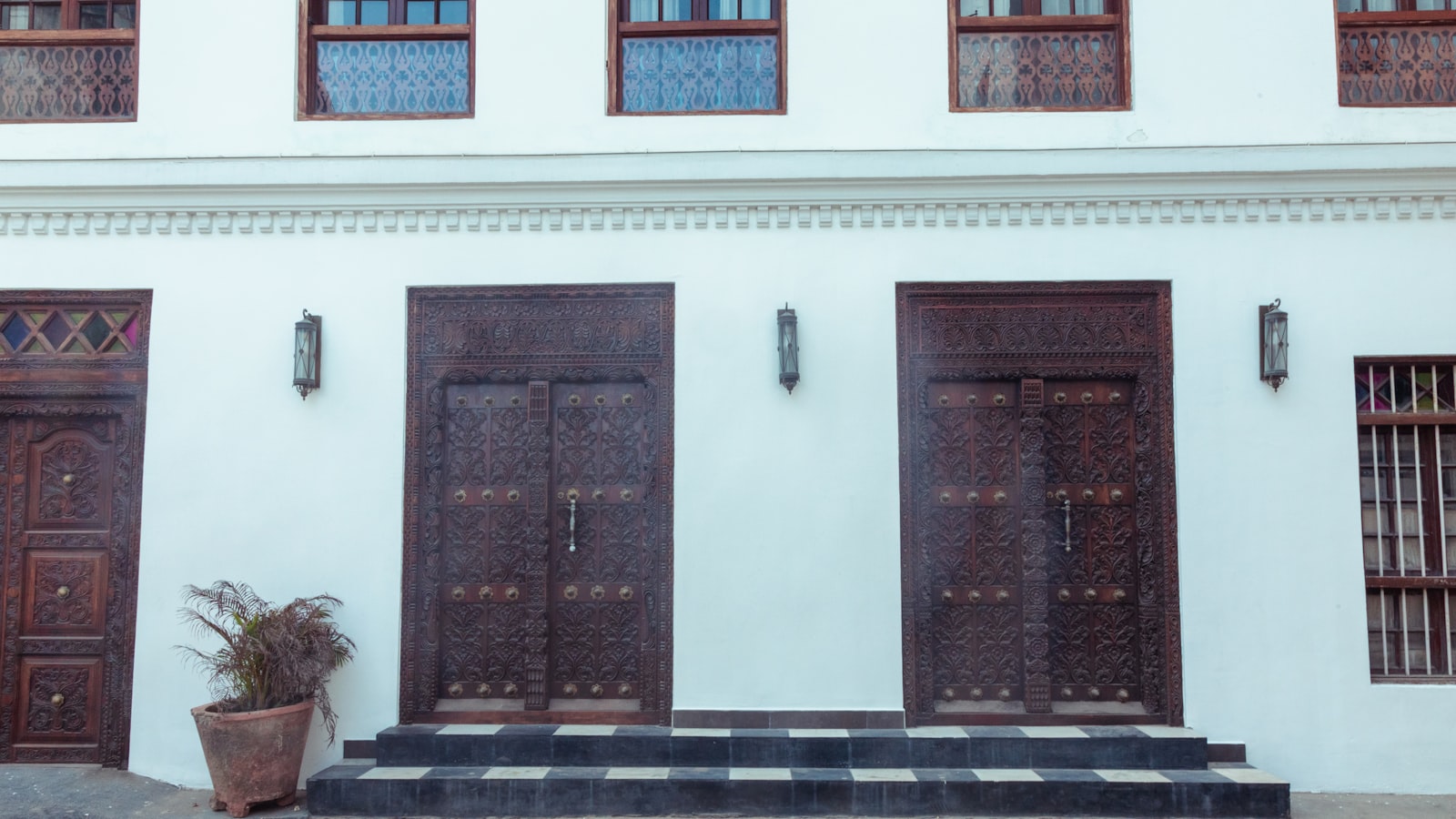
Photo by Alferio Njau on Unsplash
From the cathedral it is a short walk to Darajani Market, the trading heart of the town. It is loud, pungent and brilliant: pyramids of cloves and cinnamon, the slap of fresh fish on stone slabs, mounds of mangoes and chillies, and bicycle bells cutting through it all. Go with curiosity rather than a shopping list, and watch your pockets in the crush.
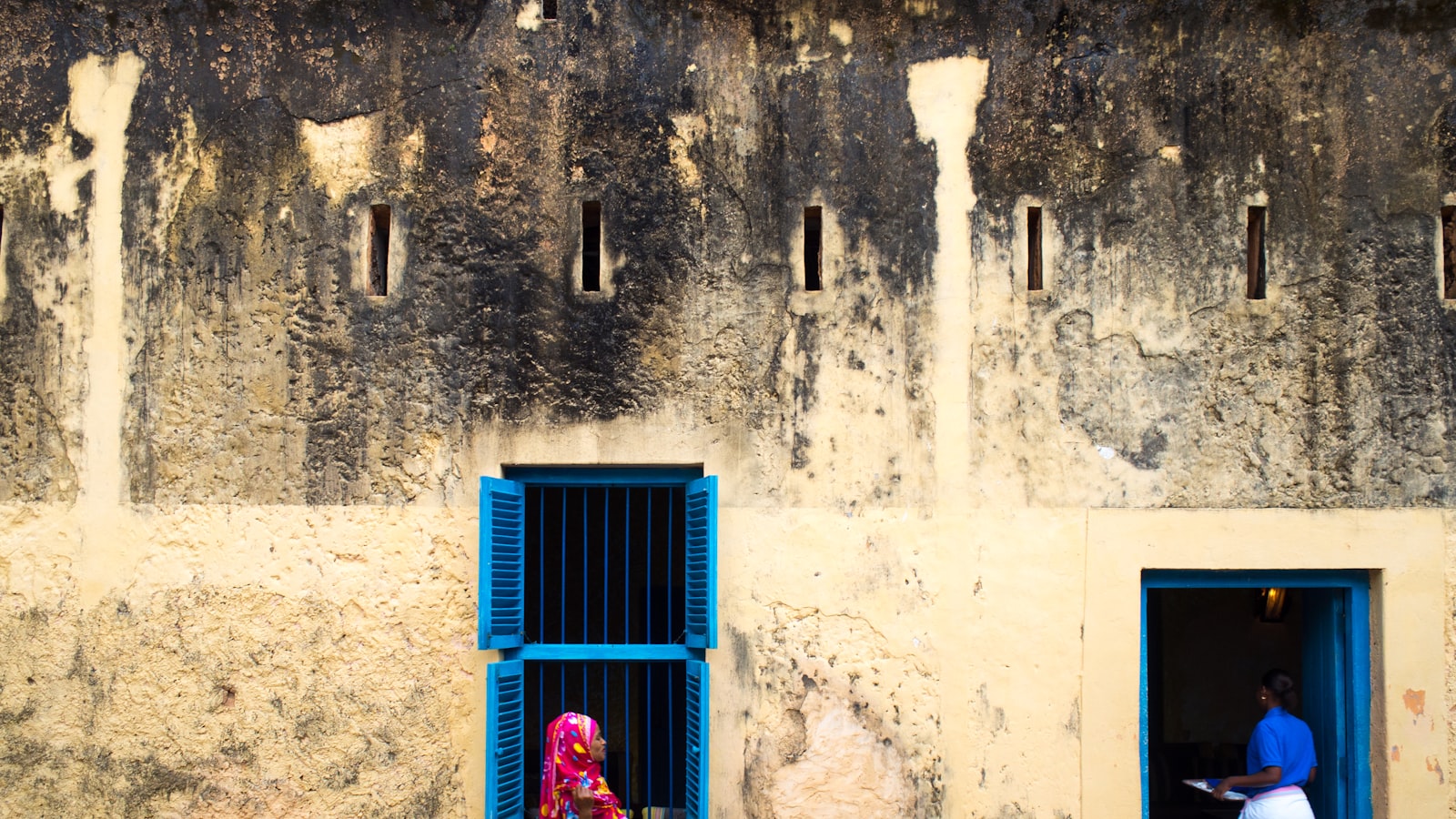
Afterwards, simply wander. The carved wooden doors are Stone Town's signature; the squared, geometric frames tend to reflect Indian merchant influence while the pointed arches lean Arab, and brass studs once deterred war elephants on the subcontinent before becoming pure decoration here. Hiring a local guide is genuinely useful for a couple of hours to read these details for you.
Allow the afternoon to dissolve. Duck into a courtyard café for a spiced coffee or a fresh juice, browse the antique and kanga-cloth shops, and let the lanes lead you. You are never truly lost here, walk downhill or towards the noise and you will hit the seafront again.
Day One Evening: Forodhani Gardens at Sunset
As the light softens, make for Forodhani Gardens, the seafront park between the Old Fort and the water. Each evening it transforms into an open-air food market, with stalls firing up grills and lanterns as the sun drops behind the dhows. It is touristy, yes, but it is also where locals gather, and the atmosphere is hard to beat.
Eat your way along the rows. The signature dish is the misnamed "Zanzibari pizza", a thin dough folded around minced meat, egg and vegetables and griddled crisp, sweet versions with banana and chocolate exist too. Try urojo, the tangy "Zanzibar mix" soup of bhajia, potato and chutney, and skewers of grilled seafood; agree the price before you order and stick to busy, freshly cooked stalls.
Round off the evening watching local boys somersault from the sea wall into the harbour while the call to prayer drifts across the rooftops. For a quieter nightcap, several rooftop bars nearby, including the well-known one at the Africa House, catch the last of the sunset over the channel.
Day Two: Spice Farm and Prison Island
Zanzibar earned its nickname, the "Spice Island", from the clove, nutmeg, cinnamon and pepper plantations that made it rich, and a morning spice farm tour is the most enjoyable way to understand that history. Tours run a short drive inland and are easily booked through your hotel; guides crush leaves and bark for you to smell and taste, weave hats and baskets from palm fronds, and send you off with fresh fruit and a bag of spices.
Return towards town for a short boat transfer to Changuu Island, better known as Prison Island, roughly 20 minutes off the coast. Its colonial-era prison was never actually used to hold prisoners, but the island is now home to a sanctuary of giant Aldabra tortoises, some over a century old, that you can walk among and feed. The surrounding reef offers easy snorkelling over coral and reef fish.
Build in time for lunch and a swim. Boat operators cluster near Forodhani; agree a price and a return time clearly before setting off, and confirm whether the island's separate entrance fee is included so there are no surprises on arrival.
- Morning: spice farm tour (clove, nutmeg, cinnamon, pepper; tastings and lunch)
- Midday boat: Changuu (Prison) Island for giant tortoises and snorkelling
- Afternoon: Freddie Mercury's birthplace house on Kenyatta Road
- Evening: sunset dhow cruise along the Stone Town waterfront
Day Two Afternoon: Freddie Mercury and a Sunset Dhow
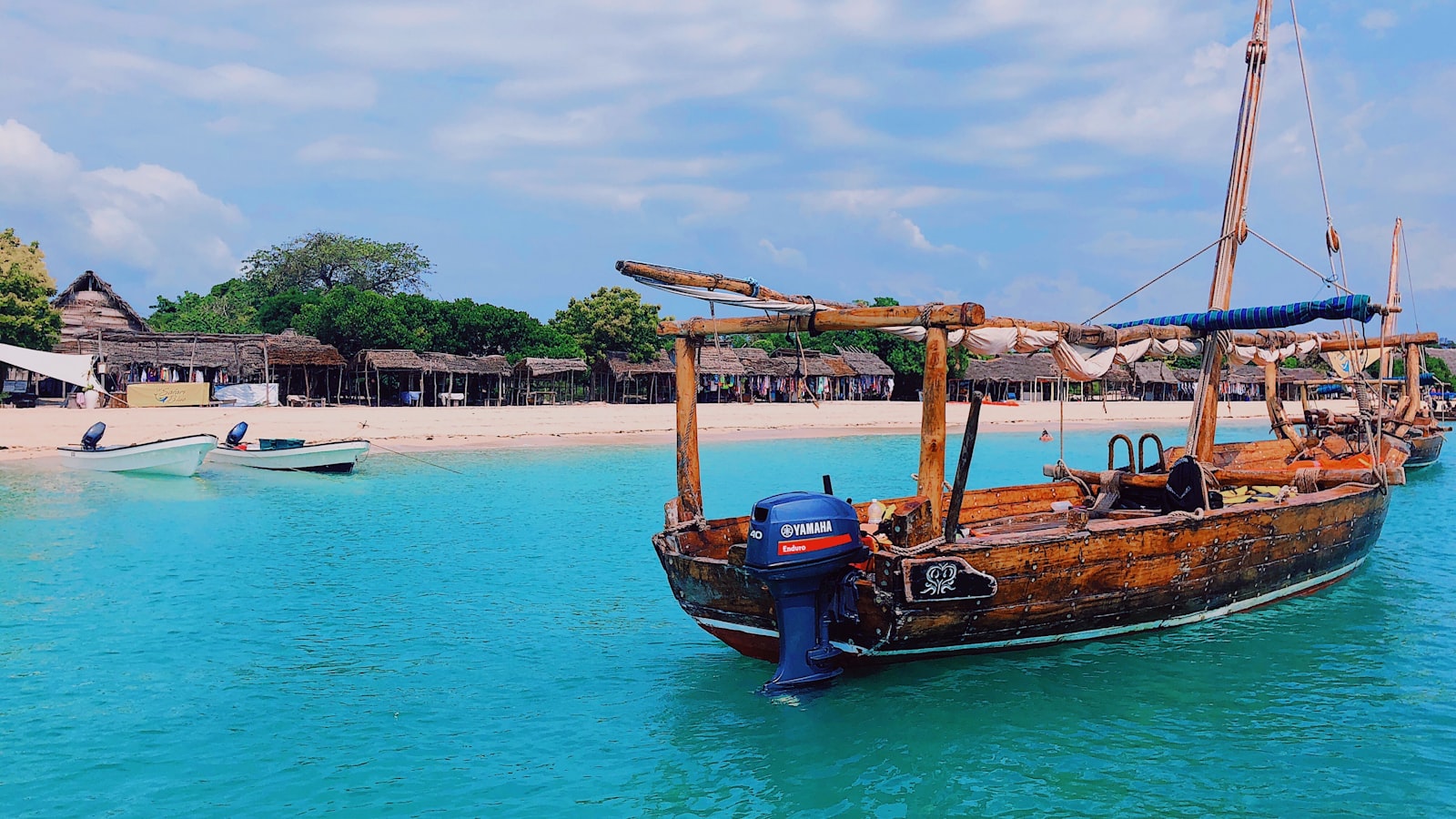
Photo by Rafal Jedrzejek on Unsplash
Back on land, music fans should detour to the house on Kenyatta Road marked as the birthplace of Farrokh Bulsara, better known as Freddie Mercury, who was born in Zanzibar in 1946 to a Parsi family before the family left in 1964. It is a modest building with a small display rather than a grand museum, but it is a fitting nod to the island's cosmopolitan past.
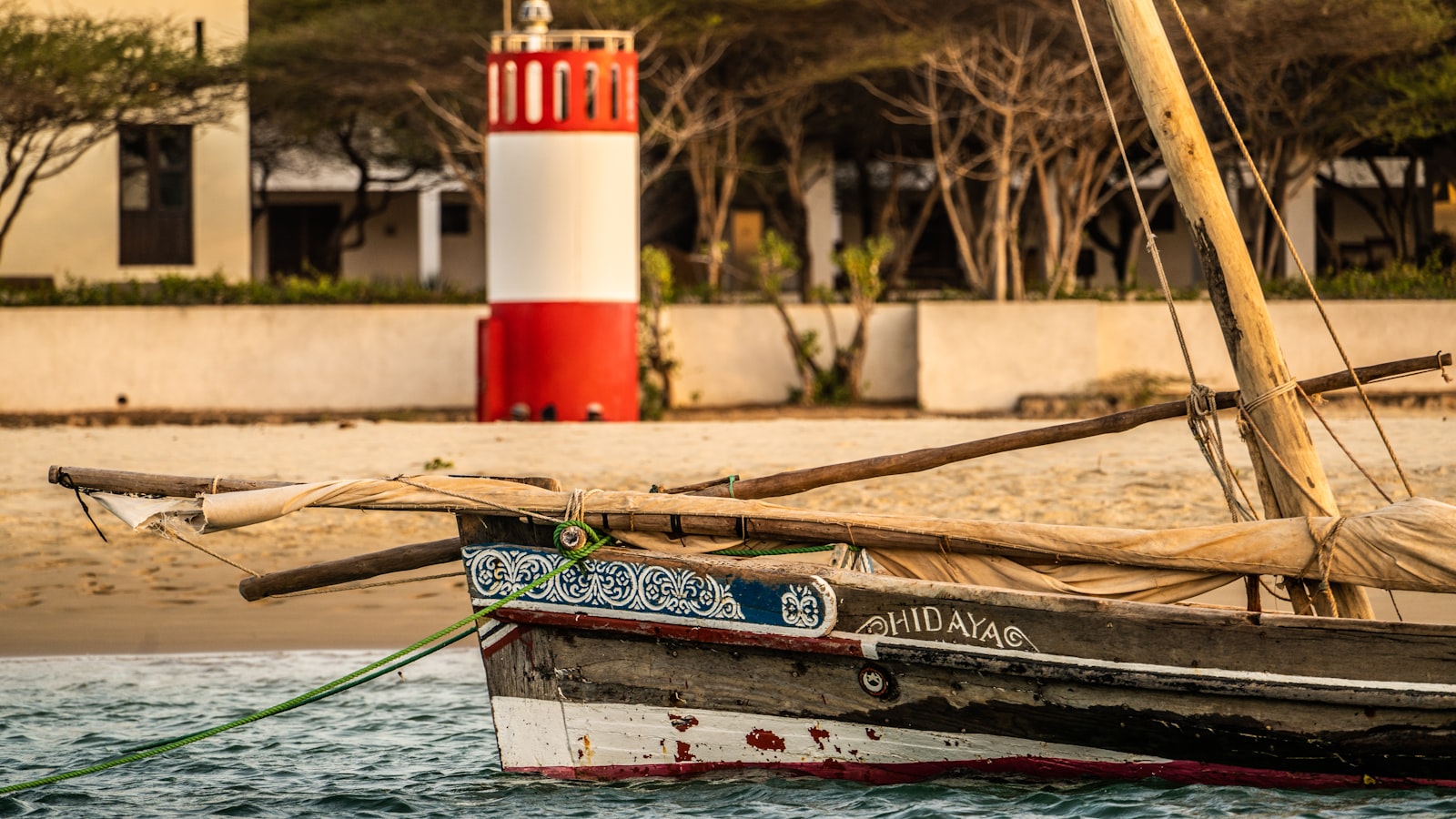
Save the last of the day for the sea. A sunset dhow cruise on a traditional lateen-sailed boat is the classic way to end a Stone Town stay: the wind does the work, the town's skyline glows gold behind you, and many trips include fruit, snacks and sometimes a drink. Sailings of one to two hours leave from the seafront in the late afternoon.
If your timing allows, end where you began, on the Forodhani seafront, for one more plate from the night market. Two days is short, but it is enough to feel the rhythm of the place and to know exactly what you would return for.
Getting There and Getting Around
Most visitors arrive one of two ways. The fast ferry from Dar es Salaam on the Tanzanian mainland takes around two hours and docks right at Stone Town's port; book a reputable operator in advance, choose the faster vessels, and keep your passport handy as Zanzibar runs its own immigration checks. Alternatively, fly into Abeid Amani Karume International Airport (ZNZ), about a 15-minute drive from town, with connections from Dar, Nairobi, Addis Ababa and seasonal European routes.
Within Stone Town itself, the answer is simple: walk. The historic core is largely car-free, the alleys are too narrow for vehicles, and walking is both the practical and the pleasurable choice. Embrace the maze rather than resisting it. For trips out of town, to a spice farm, the airport or the beaches, arrange a taxi or transfer through your hotel and agree the fare upfront.
Carry small notes for the night market, tortoise feeding, entrance fees and tips, and keep valuables out of sight in busy markets.
Money, Safety and Going Further
The local currency is the Tanzanian shilling, though US dollars are widely accepted for tours, entrance fees and hotels, carry clean, post-2013 notes, as worn or older bills are often refused. ATMs are available in Stone Town but can be unreliable, so bring some cash as a backup. Card payments work at larger hotels and restaurants but rarely in the markets. Budget roughly USD 15–30 for a spice tour or dhow cruise and a few dollars for site entries, all qualified and subject to change.
Stone Town is generally safe and welcoming, with the usual caution for petty theft in crowds and on quiet lanes after dark. Walk in pairs at night, use registered taxis and guides, and be aware that as a Muslim community, discretion in dress and behaviour is appreciated, particularly during Ramadan, when many daytime eateries close.
Few people come to Zanzibar for Stone Town alone. From here it is an easy hop north to the beaches of Nungwi or east to laid-back Paje, and the town pairs naturally with a mainland safari in the Serengeti. Many travellers bookend a Tanzania itinerary with a few days on the island to unwind after the bush.
Frequently Asked Questions
- How many days do you need in Stone Town?
- Two days is enough to cover the essentials comfortably: one for the old town's monuments, markets and Forodhani night market, and a second for a spice farm, Prison Island and a sunset dhow. If you plan to add the island's beaches, allow several more days for Nungwi or Paje on top of your Stone Town stay.
- What should I wear in Stone Town?
- Zanzibar is predominantly Muslim and conservative, so cover your shoulders and knees in town. Lightweight, loose clothing is best in the heat, and women may find a light scarf useful. Save beachwear for the beach; dressing modestly in the streets is respectful and earns warmer welcomes from locals.
- Is Stone Town safe for tourists?
- Yes, Stone Town is generally safe and very welcoming. The main risk is petty theft in crowded markets and on quiet alleys after dark, so keep valuables out of sight, walk in pairs at night and use registered taxis and guides. Standard travel sense is all that is usually needed.
- How do I get to Stone Town from Dar es Salaam?
- The fast ferry from Dar es Salaam takes around two hours and docks at Stone Town's port. Book a reputable operator in advance and choose the faster vessels. Alternatively, short flights connect Dar to Abeid Amani Karume Airport (ZNZ), roughly a 15-minute drive from the historic centre.
- What is there to eat at Forodhani Gardens?
- Forodhani's evening food market is famous for "Zanzibari pizza", a folded, griddled stuffed flatbread in savoury and sweet versions, plus urojo (the tangy Zanzibar mix soup), grilled seafood skewers and fresh sugarcane juice. Order from busy stalls with freshly cooked food and agree the price before you eat.
- When is the best time to visit Zanzibar?
- The dry seasons are best: the long dry from June to October and a shorter dry spell from December to February. Avoid the long rains of March to May, when heavy downpours can disrupt boat trips and outdoor plans. The dry months bring reliable sunshine ideal for walking the town and heading out to sea.