A practical guide to Mozambique's Indian Ocean islands, comparing the Bazaruto and Quirimbas archipelagos, with honest advice on costs, diving, safety and the best time to visit.
- Currency
- Mozambican metical (MZN); USD and cards accepted at most lodges
- Best time
- Cool dry season, roughly April/May to November
- Main gateways
- Maputo (MPM), Vilanculos (VNX) for Bazaruto, Pemba (POL) for Quirimbas
- Visa
- Most visitors need a visa; e-visa and visa-on-arrival available for many nationalities
- Best for
- Honeymoons, diving, snorkelling, barefoot luxury, dhow trips
- Language
- Portuguese (official); English spoken at most lodges
Mozambique strings more than 2,500 kilometres of Indian Ocean coastline along the south-eastern edge of Africa, and its finest rewards lie offshore. Two great archipelagos bookend the country: the Bazaruto Archipelago in the south, with its towering sand dunes and barefoot-luxury lodges, and the remote Quirimbas in the far north, where dhows still trade between thirty-odd islands and the Portuguese-Swahili past has barely been swept away.
This is a destination of warm, clear water, coral reefs, dugongs and whale sharks rather than big-game safari. It suits honeymooners, divers and anyone happy to swap minibars for hammocks. It rewards a little planning too, because flights are infrequent, distances are large and the country is genuinely two trips in one.
This guide compares the two archipelagos, explains when to go, what it costs and how to get there, and gives an honest, measured note on the security situation in the far north.
The Bazaruto Archipelago: dunes, dugongs and luxury lodges
The Bazaruto Archipelago lies off the town of Vilanculos in southern Mozambique and is the country's most accessible island escape. Its five islands, chiefly Bazaruto, Benguerra, Magaruque, Banque and Santa Carolina, sit within the Bazaruto National Park, a protected marine area that shelters one of the last viable dugong populations in the western Indian Ocean alongside seasonal whale sharks, manta rays, turtles and dolphins.
The scenery is unusual. Rather than flat coral cays, the larger islands rise into wind-sculpted sand dunes that drop to pale beaches and shifting sandbars where lodges run picnics at low tide. Two Mile Reef, between Bazaruto and Benguerra, is the headline snorkelling and diving site, with reasonable visibility and abundant reef fish.
Accommodation here is firmly high-end. Lodges on Benguerra and Bazaruto islands trade in seclusion and service rather than volume, and most are reached by light aircraft or boat transfer from Vilanculos. Day trips by dhow or speedboat from town are the budget alternative for those who cannot stretch to an island lodge.
- Dugong, whale shark, manta ray and turtle sightings (seasonal)
- Snorkelling and diving at Two Mile Reef
- Sandbar picnics and dhow trips at low tide
- High-end lodges on Benguerra and Bazaruto islands
The Quirimbas Archipelago: remote islands and Swahili history
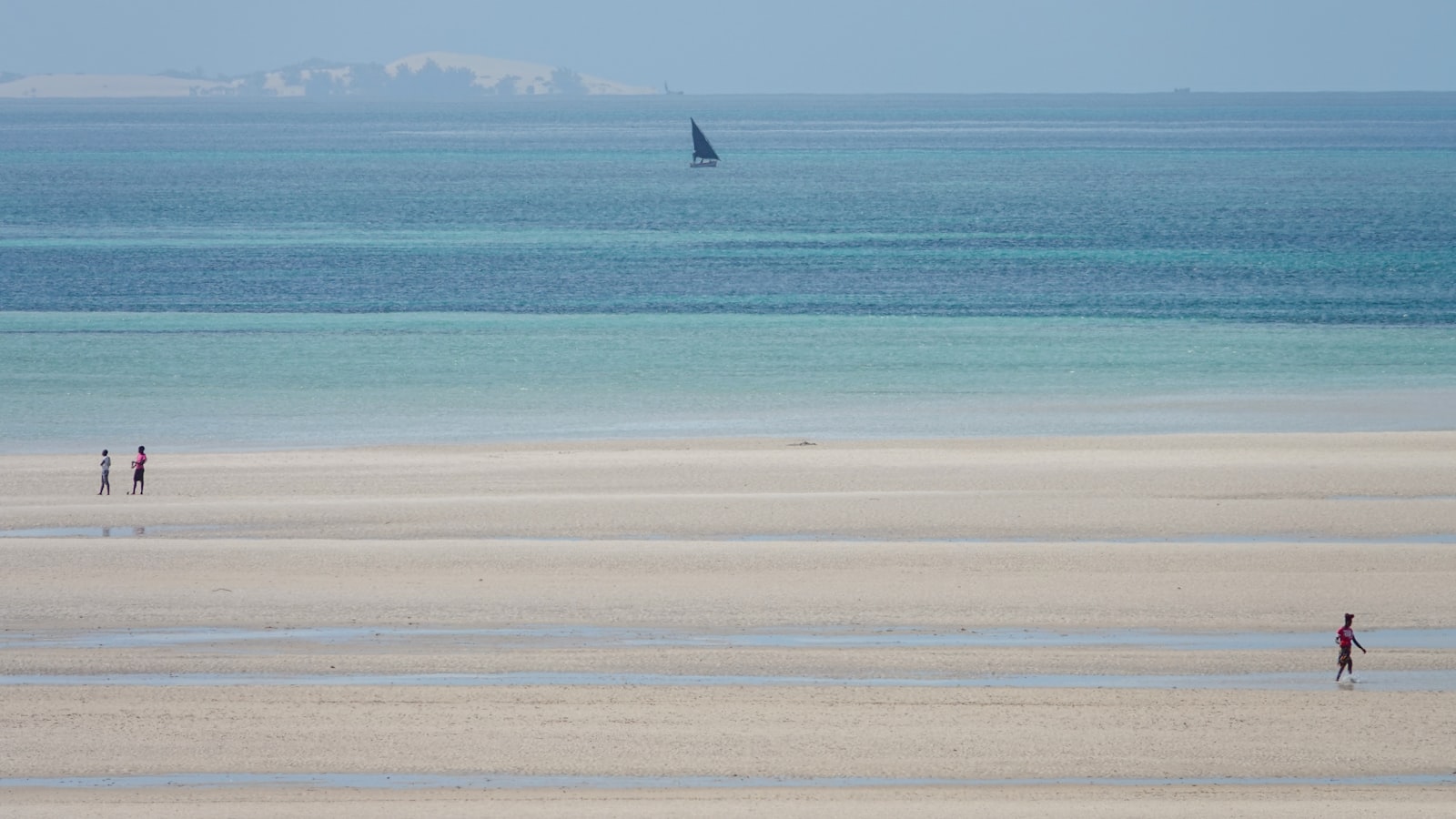
Photo by Nathalie Lays on Unsplash
Far to the north, off the port city of Pemba in Cabo Delgado province, the Quirimbas Archipelago scatters some thirty-two islands across the sea, part of which falls within the Quirimbas National Park. This is a wilder, less-visited prospect than Bazaruto, defined by mangrove channels, coral reefs and a deep trading history that drew Arab, Swahili and Portuguese ships for centuries.
The cultural heart is Ibo Island, a UNESCO-tentative gem of crumbling coral-stone forts, faded Portuguese-Swahili mansions and workshops where silversmiths still hammer filigree jewellery by hand. Visitors come for atmosphere, slow dhow journeys between islands and the sense of arriving somewhere genuinely off the standard map.
The Quirimbas demand more time and money to reach, and infrastructure is thinner. The reward is solitude: empty beaches, traditional fishing villages and lodges that often run on solar power with no through-road in sight.
A measured note on safety in the far north
Cabo Delgado, the mainland province that contains Pemba and the gateway to the Quirimbas, has experienced an armed insurgency since 2017, with violence concentrated in the northern and inland districts. The situation has fluctuated, with periods of relative calm and periods of renewed attacks, and it is the single most important practical consideration for anyone planning a Quirimbas trip.
This is not a reason to write off northern Mozambique outright, but it is a reason to plan carefully. Several established island lodges have continued to operate, typically arranging air transfers that bypass sensitive areas entirely, and reputable operators monitor conditions closely.
Before booking, check your own government's current travel advisory for Cabo Delgado, take out comprehensive travel insurance that remains valid given that advisory, and travel only with well-regarded operators who can speak frankly about the present situation. Crucially, the southern Bazaruto region and the country's main southern circuit are far from the conflict and are unaffected by it.
Diving, dhows and the wider coast
Mozambique is one of Africa's great underwater destinations. Beyond the two archipelagos, the southern town of Tofo, near Inhambane, has built a reputation as a budget-friendly base for diving and snorkelling with whale sharks and reef manta rays, and it draws independent travellers and backpackers who could never afford a Bazaruto lodge.
A dhow safari, sailing the traditional lateen-rigged boats between islands and sandbars, is the quintessential Mozambican experience and is offered in both archipelagos. In the Quirimbas in particular, multi-day dhow journeys with island camping have become a signature trip.
For something different again, Ilha de Moçambique, a tiny UNESCO World Heritage island off the central-northern coast and the country's former colonial capital, blends a stone town of churches, mosques and Portuguese fortifications with a reed-built half. It is reached by a long causeway and pairs well with a wider northern itinerary.
- Tofo, near Inhambane, for budget whale shark and manta dives
- Two Mile Reef in Bazaruto for accessible reef diving
- Multi-day dhow safaris with island camping in the Quirimbas
- Ilha de Moçambique for UNESCO history and stone-town architecture
Best time to visit Mozambique
Photo by Hendri Brits on Unsplash
The cool, dry season, running roughly from April or May to November, is the prime window. Skies are clearer, humidity drops, the sea tends to be calmer and visibility for diving is at its best. These months are comfortable for island lounging, dhow trips and reef snorkelling, and they overlap with peak demand at the better lodges, so book well ahead.
The hot, wet season runs from December to March. This is also cyclone season for the Mozambique Channel, and tropical storms can disrupt flights, boat transfers and reef conditions. Rain tends to come in heavy bursts rather than all-day drizzle, and some smaller lodges close for part of this period.
Wildlife adds seasonal nuance. Whale shark and manta encounters around Tofo and the south are generally better in the warmer months, while humpback whales pass the coast on migration during the cooler middle of the year, roughly June to October. If a specific marine encounter matters to you, check current timings with your operator before fixing dates.
Getting there and getting around
International arrivals usually land at Maputo (MPM) in the far south, often connecting through Johannesburg in South Africa. From there, the islands are reached by domestic flights rather than long road journeys, which are slow and tiring over such distances.
For the Bazaruto Archipelago, fly to Vilanculos (VNX), then continue to your island by light aircraft or boat transfer arranged through your lodge. For the Quirimbas, fly to Pemba (POL) in the north, from where lodges arrange light-aircraft hops or boat transfers to the islands. Ilha de Moçambique is most easily reached via Nampula and its causeway.
Domestic flight schedules can be limited and prone to change, so build in buffer time around international connections and avoid tight single-day transit plans. Most island lodges quote rates that include the relevant transfers; confirm exactly what is and is not included when you book.
- Maputo (MPM): main international gateway, usually via Johannesburg
- Vilanculos (VNX): gateway for the Bazaruto Archipelago
- Pemba (POL): gateway for the Quirimbas Archipelago
- Nampula: access point for Ilha de Moçambique via the causeway
Visas, money and what it costs
Most visitors need a visa to enter Mozambique. An e-visa system and visa-on-arrival have been available for many nationalities in recent years, but rules change, so confirm the current requirements with an official Mozambican source or your nearest embassy before you travel. Ensure your passport has ample validity and blank pages.
The currency is the Mozambican metical (MZN). In practice, island lodges price in and readily accept US dollars, and most take cards, though connectivity can be patchy. Carry some cash in small denominations for tips, markets, local guides and the silversmiths of Ibo. ATMs exist in towns such as Vilanculos and Pemba but should not be relied upon once you are out on the islands.
Costs vary enormously. The southern island lodges are genuinely high-end, with all-inclusive nightly rates that can run into several hundred US dollars per person and upwards, particularly once transfers and activities are added. By contrast, Tofo, Vilanculos town and a backpacker-style trip can be done on a modest budget. Treat any price as indicative and confirm current rates directly, as they shift with season, exchange rates and demand.
Frequently Asked Questions
- Is Mozambique safe to visit?
- Southern Mozambique, including the Bazaruto Archipelago, Vilanculos and Tofo, is far from any conflict and visited normally. The far-northern province of Cabo Delgado, which contains Pemba and the Quirimbas, has experienced insurgency since 2017. Check your government's current travel advisory, take suitable insurance and use reputable operators before planning a Quirimbas trip.
- Which is better, Bazaruto or Quirimbas?
- Bazaruto is more accessible, with dramatic dunes, easy diving and polished luxury lodges off Vilanculos, making it ideal for honeymoons and first trips. The Quirimbas is remoter and richer in Swahili-Portuguese history, especially on Ibo Island, but harder to reach and shadowed by regional security concerns. Choose Bazaruto for ease, Quirimbas for adventure.
- When is the best time to visit Mozambique's islands?
- The cool, dry season from roughly April or May to November offers the clearest skies, calmest seas and best diving visibility, and is the most popular window. December to March is hot, wet and within cyclone season, when storms can disrupt flights and boat transfers. Humpback whales typically pass the coast around June to October.
- Do I need a visa for Mozambique?
- Most travellers need a visa. In recent years an e-visa and visa-on-arrival have been available for many nationalities, but the rules change frequently. Confirm the current requirements with an official Mozambican source or embassy before departure, and make sure your passport has plenty of validity and blank pages.
- How do I get to the Bazaruto and Quirimbas archipelagos?
- Most visitors arrive internationally at Maputo, often via Johannesburg, then fly domestically. For Bazaruto, fly to Vilanculos (VNX) and take a light-aircraft or boat transfer to your island. For the Quirimbas, fly to Pemba (POL) and continue by air or boat. Lodges usually arrange these final transfers as part of your stay.
- Can I visit Mozambique on a budget?
- Yes. While the southern island lodges are expensive and all-inclusive, the coastal town of Tofo near Inhambane is a long-standing budget base for diving and snorkelling with whale sharks and mantas. Vilanculos town also offers cheaper guesthouses and day dhow trips to Bazaruto, making the region accessible without an island-lodge budget.
- What wildlife can I see in Mozambique's waters?
- Mozambique's reefs host a wealth of marine life. The Bazaruto National Park protects dugongs, with seasonal whale sharks, manta rays, turtles and dolphins. Tofo is renowned for whale sharks and reef mantas, and humpback whales migrate past the coast in the cooler months. Coral reefs throughout offer rewarding snorkelling and diving for all levels.