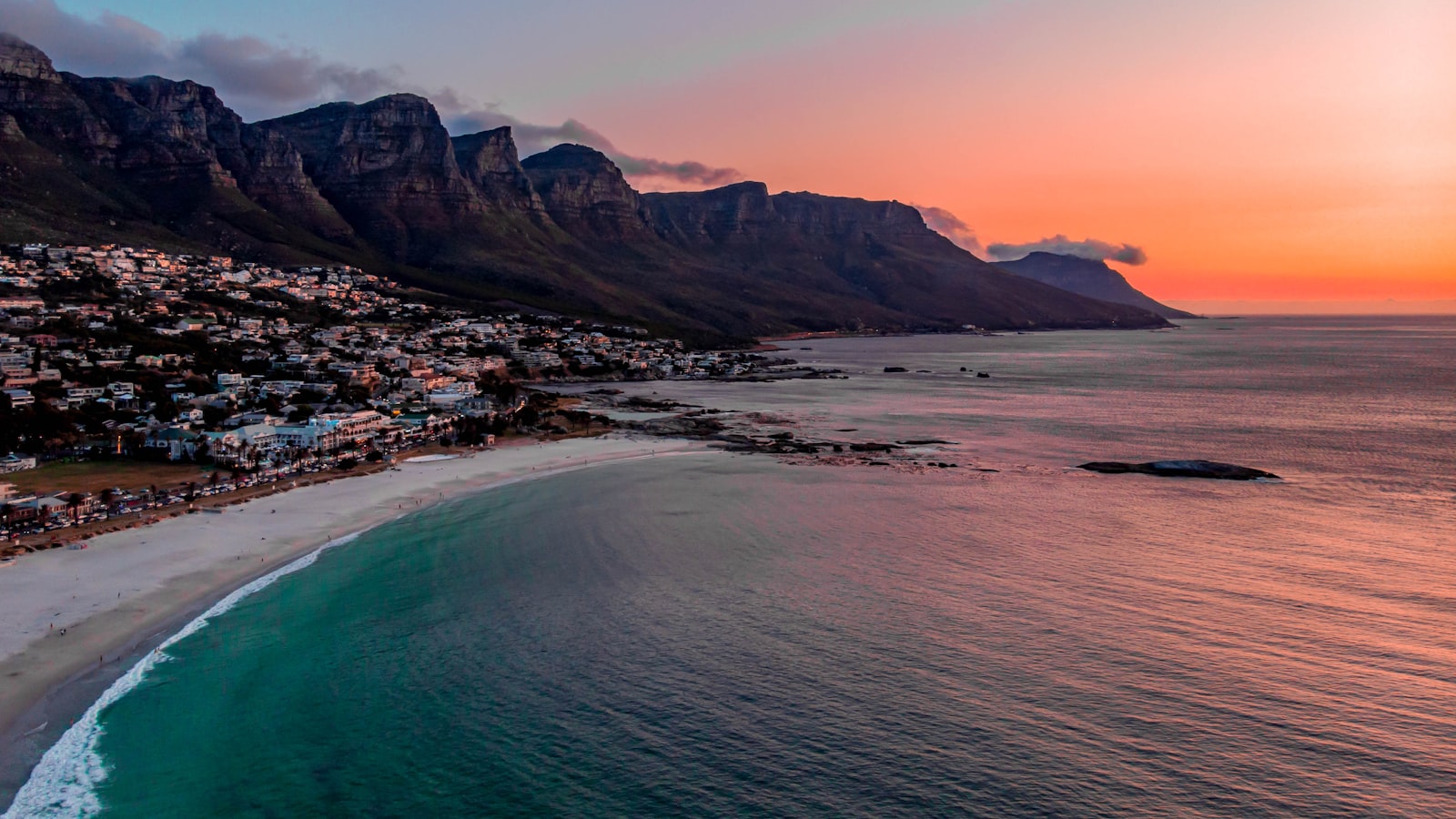
Two unhurried days on Kenya's Swahili coast: wander Lamu Old Town's car-free lanes, sail at sunset by dhow, then stretch out on Shela's long, empty beach.
- Location
- Lamu Archipelago, far northern coast of Kenya
- Airport
- Manda Airport (LAU), then a short boat transfer
- Getting around
- On foot, by donkey or by hired dhow; no private cars
- Best months
- Dec–Mar and Jun–Oct (dry and cooler)
- Dress code
- Conservative; cover shoulders and knees in town
- UNESCO status
- Lamu Old Town inscribed in 2001
Lamu is the oldest and best-preserved living Swahili town in East Africa, and a short stay here feels like stepping several centuries sideways. Sitting on its own island in the Lamu Archipelago, off Kenya's far northern coast, the town has no cars to speak of: transport is by donkey and by dhow, and daily life winds through a maze of narrow coral-stone lanes lined with carved wooden doors.
Lamu Old Town is a UNESCO World Heritage Site, but it is no museum piece. It is a working port and a devout, close-knit Muslim community where call to prayer, the clatter of hooves and the smell of grilled fish and cardamom coffee fill the same alleys. Two days is enough to feel its rhythm without rushing.
This 48-hour plan keeps things relaxed: a first day on foot in Lamu Town, and a second built around Shela's long beach and a boat trip into the archipelago. Pair it with sea breezes, slow meals and at least one sunset on the water.
Getting There and Oriented
Almost everyone arrives by air. Daily scheduled flights connect Nairobi's Wilson Airport and Mombasa to Manda Airport (airport code LAU), which sits on Manda Island just across the water from Lamu Town. Flights from Nairobi take roughly 1.5 to 2 hours; carriers such as Safarilink and Jambojet operate the route, with return fares commonly in the region of USD 120–250 depending on season and how early you book.
From the airstrip it is a two-minute walk to the jetty, where a motorised boat ferries you across the channel. A shared transfer to Lamu Town or Shela costs only a few US dollars; a private boat is more. If your hotel is booked, ask them to arrange the pick-up, as touts at the jetty can be persistent.
Road travel up the coast from Mombasa is long, rough in stretches, and crosses the far-northern mainland near the Somali border. Many governments maintain security advisories for that overland corridor, so check current guidance before considering it. The islands themselves remain the usual, calm tourist focus, but flying in spares you the question entirely.
Day One: Lamu Town on Foot
Photo by Tim Johnson on Unsplash
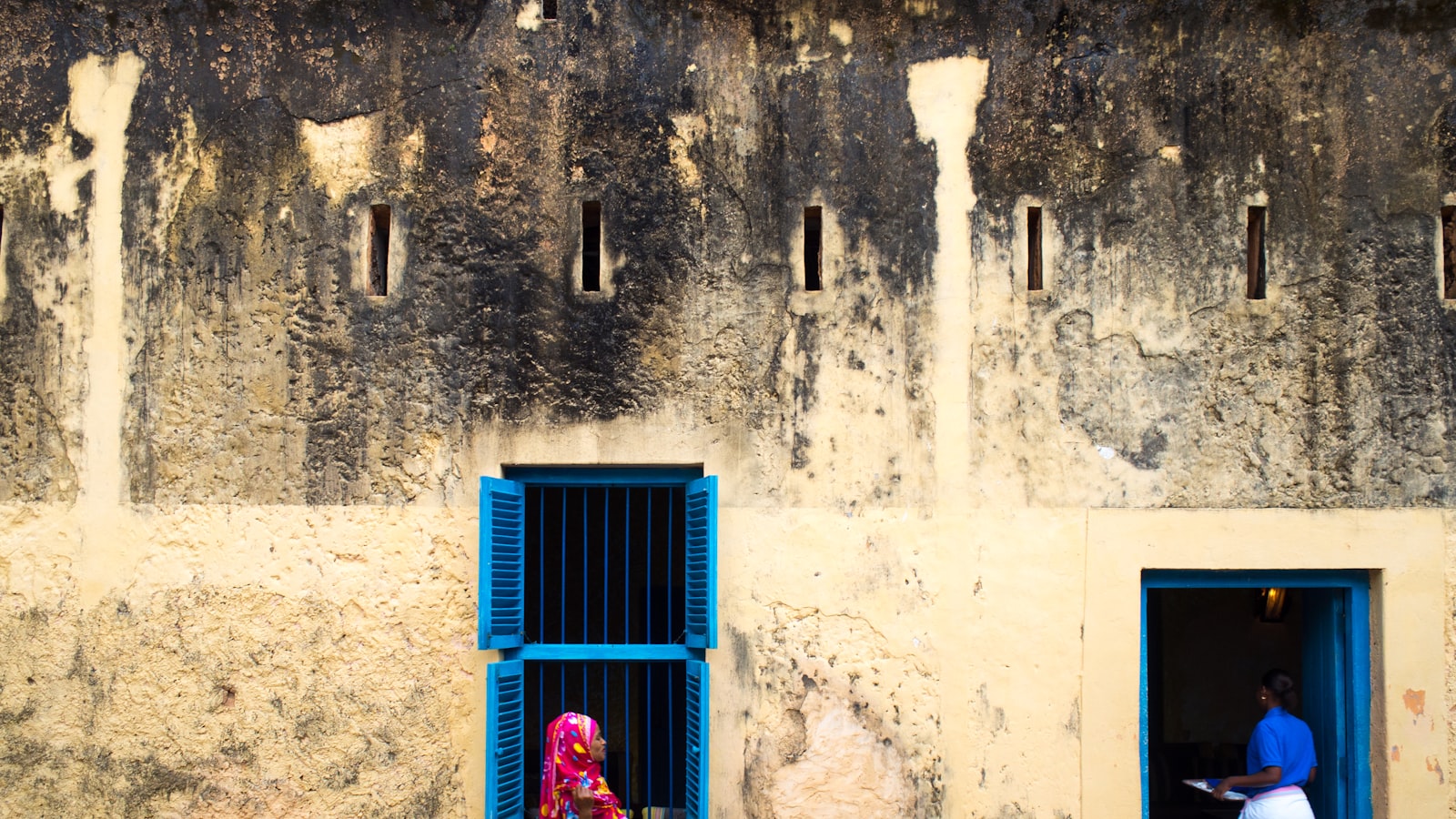
Start early on the waterfront, before the heat builds. The seafront promenade is the town's spine: dhows nudge the quay, donkeys haul sacks of cement and coral, and the long facade of merchants' houses rises behind. A few steps inland the lanes narrow to shoulder width, and it is genuinely easy and pleasant to get lost.
Make the museums your anchors. The Lamu Museum, in a fine seafront house, lays out Swahili culture, dhow-building and the famous siwa horns. The nearby Swahili House Museum shows how a traditional merchant's home was arranged around its courtyard, and Lamu Fort, built in the early 19th century on the main square, anchors the market quarter. None take long, and entry to each is modest, typically a few US dollars.
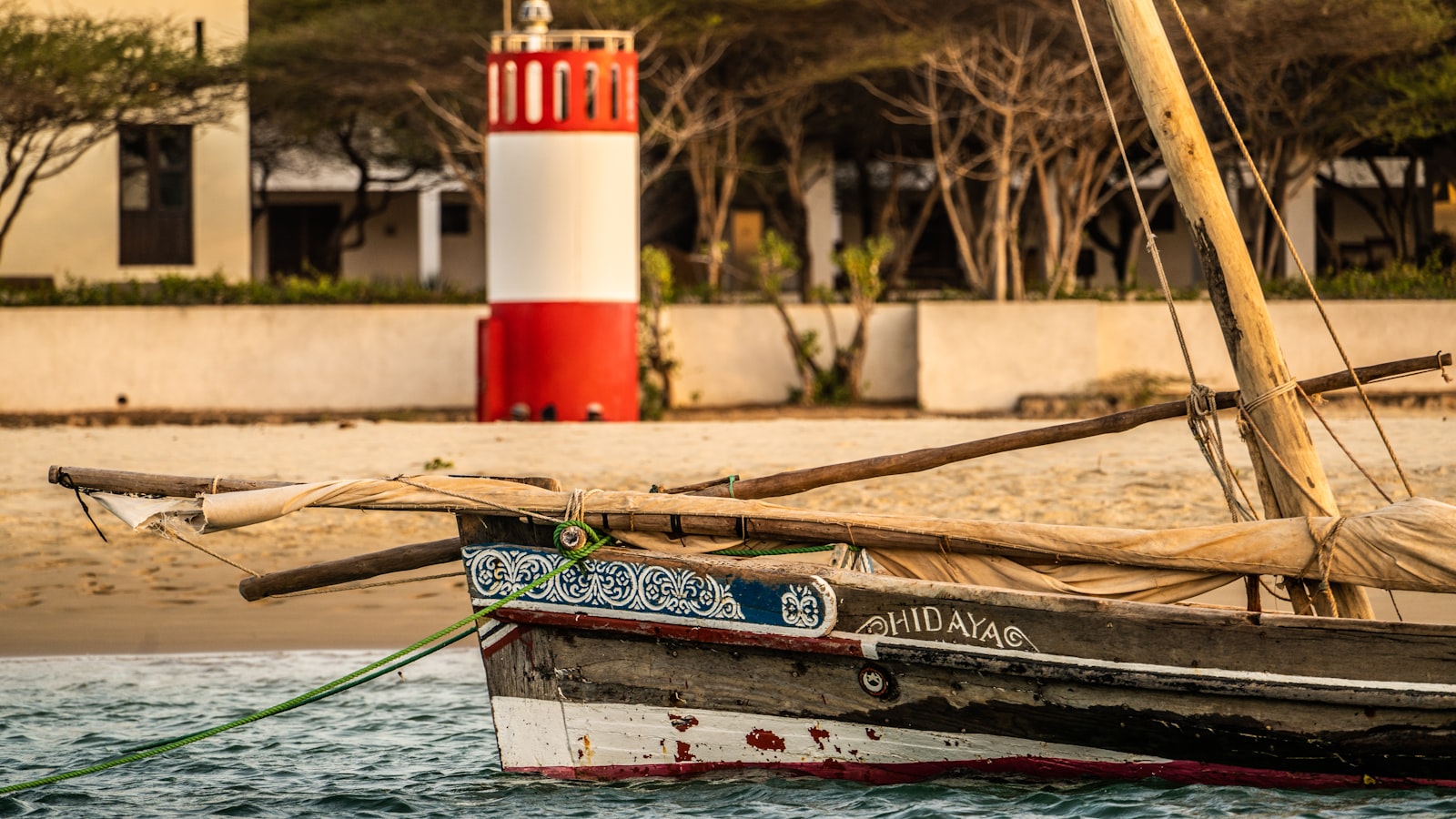
Spend the afternoon in the markets and lanes: the produce market behind the fort, workshops where craftsmen carve doors and chests, and tea houses serving spiced coffee. As the light softens, board a dhow for a sunset sail, the classic Lamu experience and best arranged earlier in the day.
- Lamu Museum on the waterfront for Swahili history and siwa horns
- Swahili House Museum to see a traditional courtyard home
- Lamu Fort and the adjacent main square and market
- The donkey-filled back lanes and carved-door workshops
- Sunset dhow sail along the channel (arrange in the morning)
Day One Evening: Food and the Waterfront
Lamu eats well and cheaply if you like seafood. Rooftop restaurants along and just behind the seafront serve crab, prawns, line-caught fish and Swahili staples such as coconut rice, biryani and samosas; a generous meal often runs USD 8–15 a head, more at the smarter hotel terraces. Fresh juice is everywhere; alcohol is limited and discreet, in keeping with a Muslim town.
After dark the waterfront stays gently busy with people taking the air. It is an easy, safe place to stroll, though as a conservative community late-night drinking and loud behaviour are out of place. Turn in reasonably early; the dawn here, with the first prayer and the boats setting out, is worth catching.
Day Two: Shela Beach and Swimming
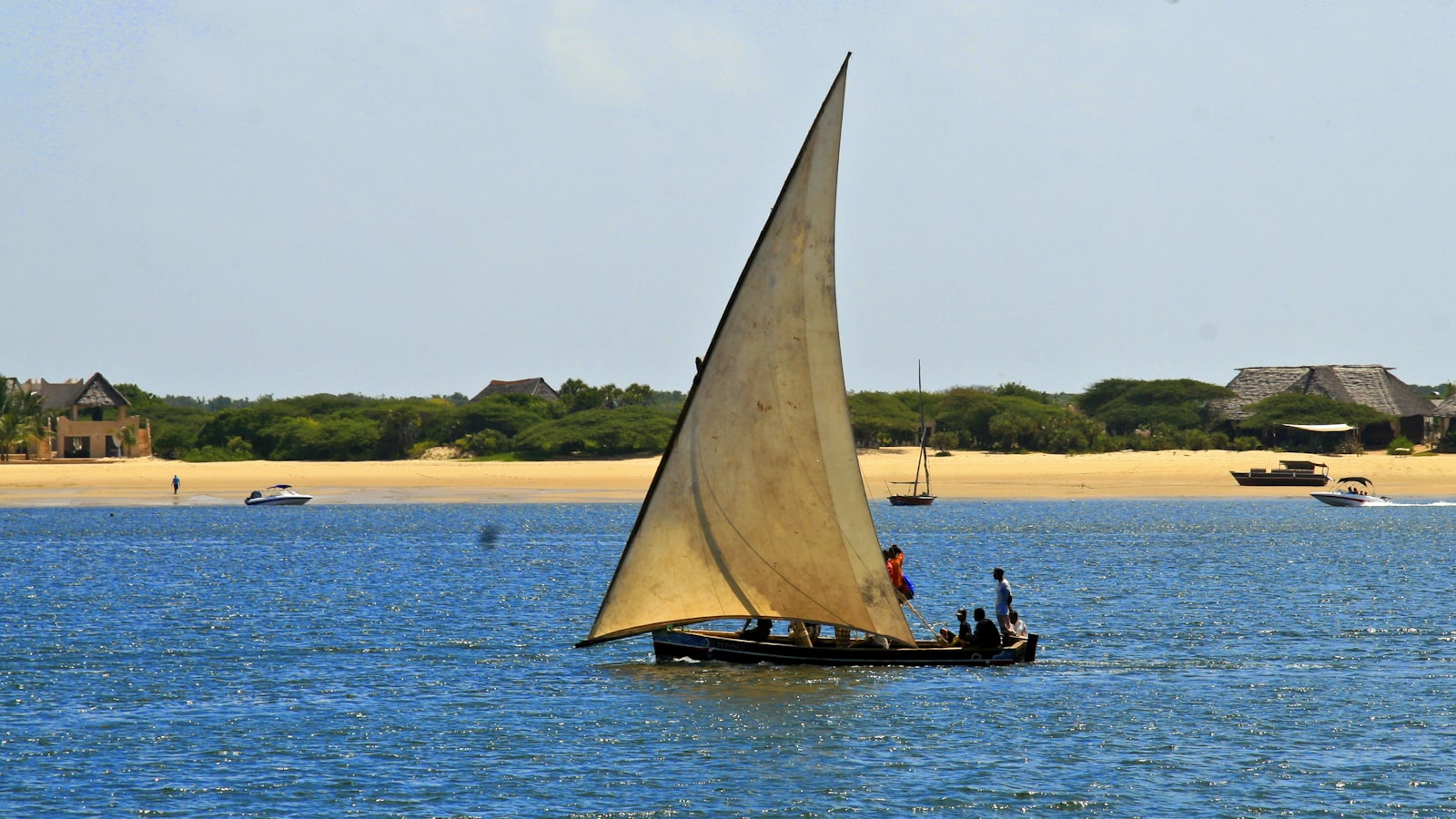
Photo by Stanislav Lvovsky on Unsplash
On the second morning, take a short boat ride (about 15–20 minutes, a couple of US dollars shared) or walk the shoreline path to Shela, the smaller village 3km down the island. Shela is quieter and more polished than the town, with a tight cluster of lanes, a famous Friday mosque, and a scattering of beautiful Swahili guesthouses and beach villas.
Beyond the village lies the reason most people come: a vast, almost empty beach running roughly 12km down the dune-backed coast. The swimming is good, the sand pale and soft, and you can walk for an hour and pass barely anyone. Bring water, sun cover and shoes for the hot sand; there is little shade once you leave the village, and few facilities along the strand.
Break for lunch back in Shela, where small restaurants and hotel terraces grill the morning's catch. This is also the best base if you would rather swap town bustle for beach quiet on a future visit.
Day Two Afternoon: Manda Island and the Archipelago
With a boatman hired for the afternoon, cross to Manda Island to visit the Takwa ruins, a 15th- to 17th-century Swahili settlement abandoned long ago and now a quiet site of roofless coral houses, a mosque and a pillar tomb among the scrub. Access depends on the tide, so your boatman will time the trip; allow a couple of hours including the channel crossing.
If ruins are not your thing, the same boat can take you further into the archipelago: snorkelling spots, sandbars that surface at low tide, or the mangrove channels between the islands. Agree the route and price before setting off; a half-day private dhow with a boatman typically costs in the region of USD 30–60 for the boat, depending on distance and bargaining.
Wherever you go, aim to be back on the water for sunset. A final sundowner sail, with the sails set against a pink sky and the muezzin drifting over from town, is the right way to close 48 hours here.
- Takwa ruins on Manda Island (tide-dependent access)
- Snorkelling and low-tide sandbars in the archipelago
- Mangrove-channel cruising between the islands
- A second sunset dhow sail to finish
Getting Around, Dress and When to Go
Within town you walk; there are no cars and the lanes are too narrow for them anyway. Donkeys do the heavy carrying, and a hired dhow with a boatman covers everything on the water, from the airport transfer to island hopping. Distances are short, so a relaxed pace suits the place.
Dress respectfully. Lamu is a conservative Muslim community, and in town both men and women should keep shoulders and knees covered; women may feel more comfortable carrying a light scarf. Swimwear is fine on Shela beach but cover up to walk back through the village. A little modesty is warmly received and opens doors.
Aim for the dry, cooler windows of roughly December to March or June to October; the long rains around April and May can be heavy and humid. If you can time it, the Lamu Cultural Festival in November fills the seafront with dhow and donkey races, henna, poetry and music, and is a wonderful, if busy, time to visit.
Money and Where to Stay
Kenya's currency is the shilling. There are ATMs in Lamu Town, but they can be temperamental, so carry enough cash for boats, meals and tips; many small guesthouses and boatmen prefer cash. Mobile money (M-Pesa) is widely used, and larger hotels may take cards, though it is unwise to rely on that.
For atmosphere, stay in a restored Swahili house in the heart of town, with thick coral walls, a shaded rooftop and the sounds of the lanes below; simple rooms can start around USD 30–50, with characterful boutique houses well above that. For beach and calm, choose Shela, where guesthouses and villas sit minutes from the long beach. Either way, book ahead in high season and around the November festival, when rooms fill fast.
Frequently Asked Questions
- How do I get to Lamu?
- Fly. Daily flights from Nairobi's Wilson Airport (about 1.5–2 hours) and Mombasa land at Manda Airport (LAU). From the airstrip it is a short walk to the jetty and a brief boat transfer across to Lamu Town or Shela. Road travel up the coast is long and crosses sensitive areas near the Somali border, so check security advisories first.
- Is Lamu safe to visit?
- The islands themselves are calm and the usual tourist focus, with low petty crime and a relaxed feel. The concern is the far-northern mainland near the Somali border, where many governments maintain travel advisories. Flying directly to Manda avoids that corridor entirely. As anywhere, take normal precautions and respect local customs.
- What should I wear in Lamu?
- Lamu is a conservative Muslim community, so cover shoulders and knees when in town. Light, loose cotton suits the heat, and women may like a scarf to hand. Swimwear is fine on Shela beach, but cover up to walk back through the village. Modest dress is appreciated and makes interactions warmer.
- When is the best time to visit Lamu?
- The dry, cooler months of roughly December to March and June to October are most comfortable. The long rains around April and May can be heavy. November brings the lively Lamu Cultural Festival, with dhow and donkey races, music and poetry along the seafront, though accommodation fills quickly around it.
- Are there cars in Lamu?
- Effectively no. Lamu Old Town's lanes are too narrow for cars, so transport is on foot, by donkey for goods, and by dhow or motorboat on the water. This car-free character is central to the island's atmosphere and one of the reasons the town is so well preserved.
- Is two days enough time in Lamu?
- Two days covers the essentials: Lamu Town's museums, fort and lanes, a sunset dhow sail, Shela's long beach, and a boat trip to Manda Island or the wider archipelago. It is enough to feel the rhythm of the place. Many visitors, having tasted it, wish they had stayed longer and slowed right down.