The best time for an African safari depends on region and priorities. We compare the classic dry season with the lush green season and break the year down month by month.
- Classic safari window
- Dry season — easier wildlife sightings
- East Africa dry season
- Roughly June–October
- Southern Africa dry season
- May–October (driest August–October)
- Migration river crossings
- Serengeti/Mara, July–October
- Green season upside
- Lush scenery, newborns, birding, low prices
- Pack for
- Cold winter mornings in Southern Africa
The best time for an African safari is, for most travellers, the dry season, when thinning vegetation and shrinking water sources push wildlife into the open and concentrate it at predictable places. Yet this is only half the story. The green season, when the rains arrive, transforms the same parks into something lusher, quieter and far cheaper, with newborn animals, dramatic skies and some of the finest birding on the continent.
There is no single answer that holds across Africa. The continent straddles the equator, so its seasons are regional rather than uniform: peak game viewing in Botswana does not line up with the Great Migration river crossings in the Serengeti, and Southern Africa's winter mornings can be genuinely cold.
This pillar guide explains the central dry-versus-green trade-off, then sets out region-by-region timing for East and Southern Africa, with a clear month-by-month reference to help you match the season to what matters most to you.
Dry season versus green season: the core principle
Almost every decision about when to go on safari comes back to one variable: water. In the dry season, seasonal pans and pools evaporate, rivers shrink and grasses are grazed down or burnt off. Animals are forced to gather around the few remaining permanent water sources, and with the bush thinned out they are much easier to spot. Predator action concentrates at these points too, which is why the dry months are the classic safari window and command peak prices.
The green season — also marketed as the emerald season — is the inverse. The rains green the landscape, fill the pans and disperse animals across a wider area with abundant water and grazing. Sightings take more patience because the bush is thick and the wildlife is spread out, but the rewards are real: this is calving and lambing time, raptors and migrant birds arrive in force, the light and cloudscapes are spectacular for photography, and you share the parks with far fewer vehicles.
Neither season is objectively better. A first-time visitor chasing reliable big-cat sightings will usually prefer the dry months; a returning traveller, a keen birder, a photographer or anyone on a budget may find the green season the more rewarding choice. The trick is to match the season to your priorities rather than assuming the peak months are automatically right for you.
East Africa: Kenya and Tanzania
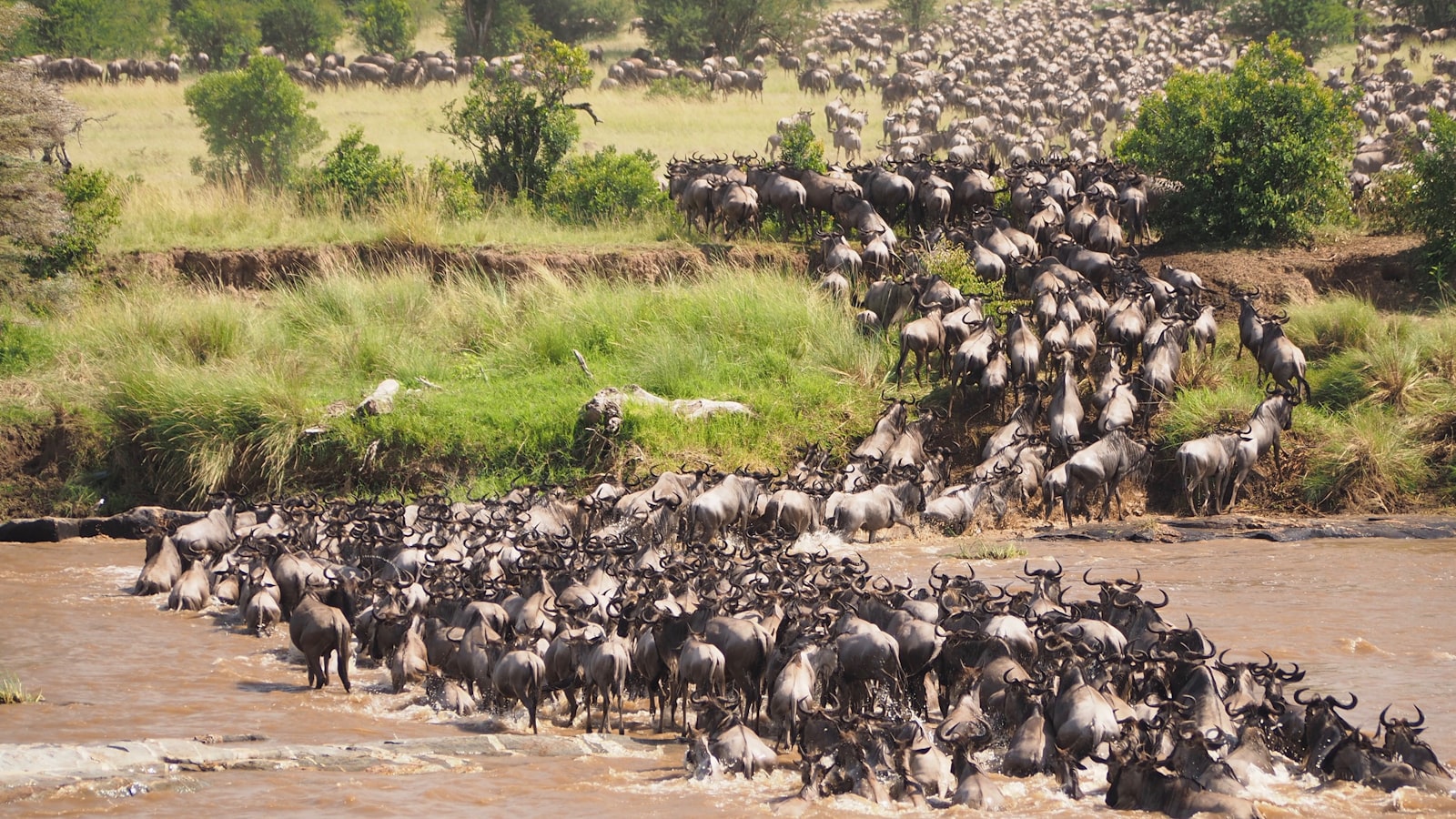
East Africa runs on a twin-rains rhythm rather than a single wet and dry split. The main dry season falls roughly from June to October and is the prime game-viewing window across the Serengeti, the Maasai Mara, Tarangire and the wider region. This is also when the Great Migration reaches the northern Serengeti and the Mara River, and the dramatic crossings — wildebeest and zebra braving crocodile-filled water — typically play out between July and October.
The calendar then pivots. Around January and February the migration herds are concentrated on the short-grass plains of the southern Serengeti and Ndutu for the calving, when hundreds of thousands of wildebeest give birth within a few weeks. It is a superb time for predator action and for seeing the herds at their densest, and it falls in a drier spell between the rains.
The two rainy periods are the "long rains" of roughly April and May, which is the genuine low season with the lowest prices and the thickest bush, and the "short rains" of around November, which are lighter and more scattered. Many camps reduce rates or close briefly during the long rains, so travellers willing to accept some wet weather can find real value either side of them.
For a full breakdown of where the herds are in each month, see our dedicated Great Migration guide, which this pillar links to as its companion.
Southern Africa: Botswana, Zambia, Zimbabwe, Kruger and Namibia
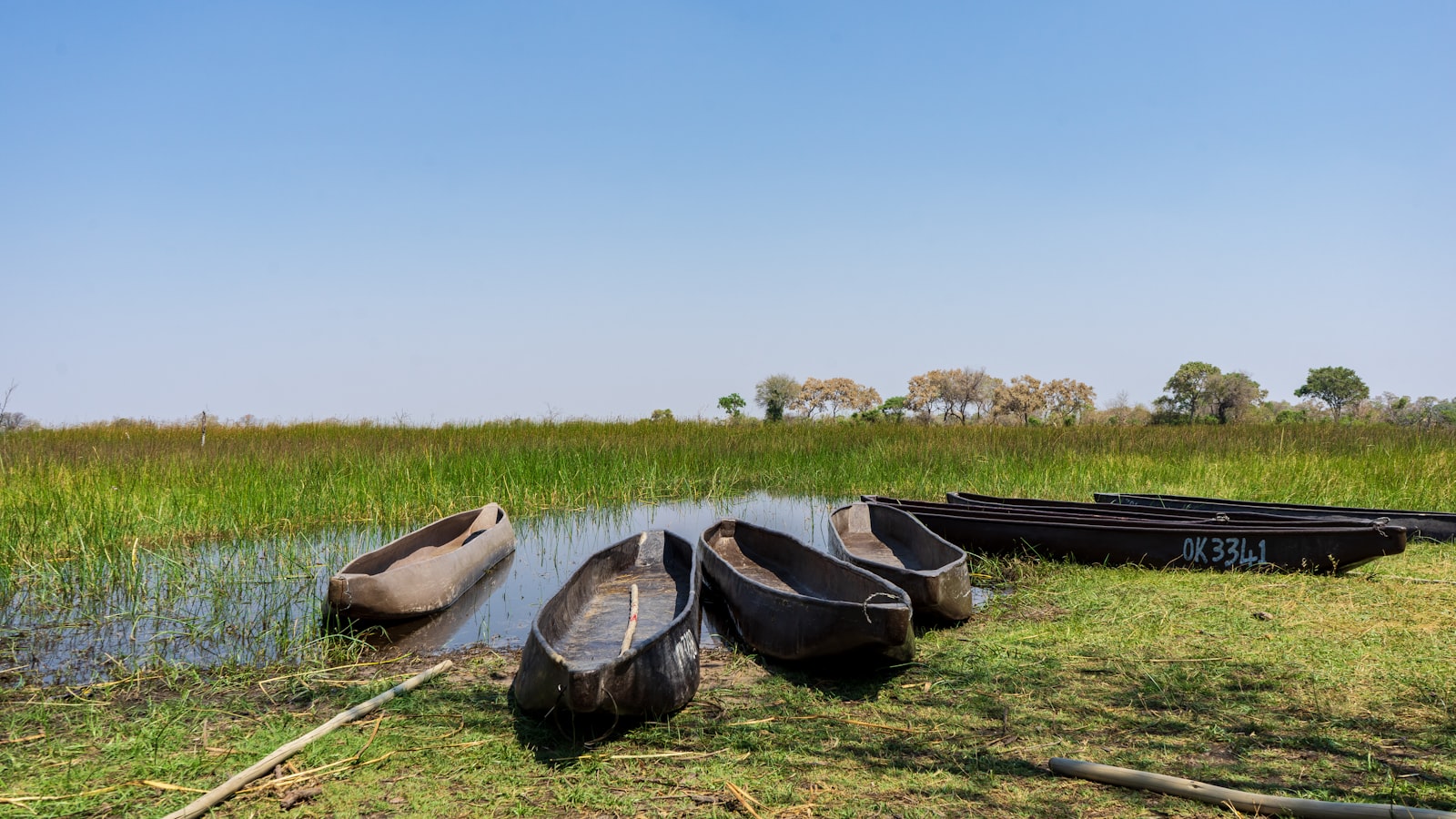
Photo by Ajeet Panesar on Unsplash
Southern Africa follows a cleaner single-season pattern. The dry winter months from May to October are the peak game-viewing period, and conditions become progressively better as the land dries out, with August to October the standout window when water is scarce and wildlife crowds the remaining rivers and waterholes. Kruger, the Okavango, Hwange, the Luangwa and Chobe all reward visitors most in this stretch.
A defining quirk of the region is the Okavango Delta flood. The waters that spread across the Delta fall as rain far upstream in the Angolan highlands months earlier and only arrive in Botswana around June to August — so the Delta is often at its fullest and most photogenic during the dry season, layering channels and lagoons over an otherwise parched landscape. This is the season for mokoro trips and water-based game viewing.
The green season, from November to April, brings the rains, lush growth, newborn impala and zebra, and exceptional birding across the region. It is low season for pricing and crowds. The flip side is heat and humidity building from October, thicker vegetation and some unsealed roads becoming difficult, though the storms and big skies are a gift for photographers.
One practical point catches many first-timers out: Southern Africa's dry season is winter, and morning game drives in June and July can be genuinely cold, especially in open vehicles in Kruger, the Kalahari and the Highveld. Pack proper layers — a fleece, a windproof and gloves are not overkill at dawn, even though midday warms up pleasantly.
Safari month by month: a quick reference
Use this month-by-month summary as a starting point, remembering that exact timing shifts year to year with the rains. It combines the East and Southern African calendars so you can see at a glance how the two regions overlap and diverge.
- January–February: Southern Serengeti calving (East Africa); green season and newborns across Southern Africa.
- March: Shoulder month; bush greening; East Africa's long rains beginning to build.
- April–May: East Africa's long rains (low season, lowest prices); Southern Africa drying out as the dry season opens in May.
- June: Dry season established south; Okavango flood arriving; cold mornings begin in Southern Africa.
- July–August: Prime dry-season viewing region-wide; migration river crossings underway in the Serengeti and Mara.
- September–October: Driest, most concentrated game viewing in Southern Africa; crossings continue north; building heat by October.
- November: East Africa's short rains; Southern Africa's green season opening with the first storms.
- December: Green season in full swing south; festive-period demand pushes some prices back up.
Weighing the trade-offs: cost, heat, malaria and crowds
Cost tracks demand closely. The dry-season peak — and the festive period in December — brings the highest lodge rates and the busiest camps, while the green-season and long-rains months offer the deepest discounts and the most space. Shoulder months such as June and November often strike the best balance of decent conditions and softer pricing.
Climate matters in both directions. The late dry season builds considerable heat, particularly in low-lying valleys like the Luangwa and Lower Zambezi by October, while the green season adds humidity and afternoon storms. Against that, Southern Africa's dry winter delivers crisp, comfortable days but cold dawns, as noted above.
Malaria risk is generally higher in the warm, wet green season, when mosquitoes are most active, and lower in the cool dry months — though many prime safari areas carry some year-round risk. Take current medical advice on prophylaxis and bring repellent and covering clothing whatever the season. Arid, higher or cooler regions such as central Namibia and parts of the South African Highveld carry markedly lower risk.
Crowds are worth a thought too. Honeypots like the Mara crossings and Kruger's southern circuit can feel busy at peak, so if solitude matters, lean towards the shoulder or green season or choose private concessions over the most popular public parks.
Matching the season to your priorities
If your dream is the migration river crossings, target July to October in the northern Serengeti and Maasai Mara. If you want the herds at their densest with newborns and intense predator action, aim for the southern Serengeti calving in January and February instead.
For the best general big-game and big-cat viewing with the highest hit rate, the dry season wins — broadly June to October in East Africa and May to October, peaking August to October, in Southern Africa. Photographers torn between seasons should weigh the clean sightlines and dust-light of the dry months against the dramatic skies, reflections and greenery of the rains; our Sossusvlei photography guide explores how Namibia's light rewards the patient.
Birders and budget travellers should look hard at the green season, when migrants arrive, plumage is at its brightest and prices fall. Families often do well in the dry season, when shorter grass, easier sightings, lower malaria risk and more comfortable conditions suit younger travellers — though always check minimum-age policies, which vary by camp.
Finally, many itineraries pair a safari with Victoria Falls, and the Falls have their own rhythm: highest water roughly February to May after the rains, and lower, clearer views later in the year. If the Falls are central to your trip, read our Zambia-versus-Zimbabwe guide alongside this one, as the ideal month differs from pure game viewing.
Building your itinerary around the calendar
Because timing is regional, the strongest trips are built around one clear priority and then filled out from there. Decide first whether you are chasing a specific event — the crossings, the calving, the Okavango flood — or simply the best all-round wildlife, and let that anchor your dates before you choose lodges and routes.
Combine regions with care. East and Southern Africa peak at slightly different times, so a single long trip spanning both can work beautifully in the middle of the year, when the Serengeti crossings and Southern Africa's drying landscapes broadly align. Shoulder seasons are also ideal for combining a flagship park such as Kruger with quieter neighbouring reserves at lower cost.
When you are ready to fix dates, our wider best-time-to-visit planning resource and the linked destination pages give country-level detail. Whatever you decide, build in flexibility: the rains run early or late from year to year, and the best guides read the conditions on the ground rather than the calendar alone.
Frequently Asked Questions
- What is the overall best time for an African safari?
- For most travellers it is the dry season, when sparse vegetation and shrinking water sources concentrate wildlife and make sightings easier. In East Africa that is roughly June to October, and in Southern Africa May to October, peaking from August to October. The green season is quieter and cheaper but harder for game viewing.
- Is the dry season or green season better for safari?
- The dry season offers easier, more reliable wildlife sightings and is best for first-timers and big-cat viewing, but it is busier and pricier. The green season brings lush scenery, newborn animals, superb birding, dramatic skies, fewer crowds and lower prices, at the cost of thicker bush and trickier sightings. Choose by priority, not default.
- When are the Great Migration river crossings?
- The dramatic Mara and Grumeti River crossings in the northern Serengeti and Maasai Mara typically occur between July and October, though exact timing varies year to year with the rains. The southern Serengeti calving, when the herds gather densest, happens around January and February. See our dedicated Great Migration guide for monthly detail.
- Why is Southern Africa's dry season so cold in the morning?
- Southern Africa's dry season falls in the southern-hemisphere winter, roughly May to August. Clear skies and low humidity let overnight temperatures drop sharply, so dawn game drives in open vehicles can be genuinely cold in Kruger, the Kalahari and the Highveld. Pack a fleece, windproof and gloves; midday usually warms up pleasantly.
- Is malaria a bigger risk at certain times of year?
- Risk is generally higher in the warm, wet green season, when mosquitoes are most active, and lower in the cool dry months, though many prime safari areas carry some year-round risk. Arid or higher regions such as central Namibia are markedly lower. Seek current medical advice on prophylaxis and use repellent and covering clothing whatever the season.
- When should I go on safari on a budget?
- The green and low seasons offer the best value: East Africa's long rains around April and May, and Southern Africa's green season from November to April, bring the deepest discounts and the fewest crowds. Shoulder months such as June and November balance reasonable conditions with softer pricing better than the December festive peak.
- Can I combine East and Southern Africa in one trip?
- Yes, and the middle of the year works best, when the Serengeti river crossings and Southern Africa's drying dry-season landscapes broadly align. Combining regions involves longer flights and higher cost, so anchor the itinerary around one clear priority — such as the crossings or the Okavango flood — and build the rest of the route around it.