Two days in the Mother City, planned hour by hour: Table Mountain at dawn, the V&A Waterfront, Bo-Kaap, then the Cape Peninsula drive to Cape Point and the Boulders penguins.
- Where
- Western Cape, South Africa, on Table Bay
- Best months
- November to March (warm, dry, windy)
- Currency
- South African Rand (ZAR); USD widely understood
- Getting around
- Hire car or Uber; City Sightseeing bus
- Table Mountain cableway
- Roughly ZAR 400–500 return (check live status)
- Time zone
- SAST (UTC+2), no daylight saving
Cape Town rewards visitors who plan tightly, and 48 hours is enough to see the headline sights if you move early and accept a few trade-offs. South Africa's second city sits in the Western Cape on the country's south-western tip, wrapped around Table Bay and pinned beneath the flat-topped massif of Table Mountain. Locals call it the Mother City, and it pairs a working harbour with mountain, vineyard and two oceans within an hour's drive.
This itinerary front-loads the mountain and city centre on day one, then dedicates day two to the Cape Peninsula loop. The single biggest variable is weather: Table Mountain closes in high wind or low cloud, so build in flexibility and check the cableway status the night before.
Expect to drive, walk and queue. With an early start each morning, two full days is genuinely workable.
Orientation: Where Cape Town Sits
Cape Town anchors the south-western corner of South Africa, about 1,300km from Johannesburg and a two-hour flight away. The city bowl nestles between Table Mountain, Devil's Peak, Lion's Head and Signal Hill, with the Atlantic seaboard (Sea Point, Camps Bay, Clifton) on one flank and the harbourside V&A Waterfront facing Table Bay.
Cape Town International Airport lies about 20km east of the centre, roughly 25–40 minutes by car depending on traffic. The Cape Peninsula stretches south for some 60km, ending at Cape Point. Distances look small on a map but mountain passes and coastal roads slow you down, so the two-day split below keeps each day's geography contained.
Day One: Table Mountain, Waterfront and the City Bowl
Start at the mountain. Aim to be at the Lower Cableway Station on Tafelberg Road by 08:00, before crowds, wind and afternoon cloud (the "tablecloth") build. The rotating cable car takes about five minutes; on top, the Western and Dassie walks give easy circuits with views to Robben Island and the peninsula. Buy tickets online to skip the queue, and confirm the cableway is open before leaving your accommodation, as high wind closes it without warning.
Fit walkers can instead hike Platteklip Gorge, a steep, unshaded two-to-three-hour ascent straight up the front face. Carry water, sun protection and a windproof layer; descend by cable car if your knees prefer. Either way, you want to be back down by late morning.
Spend the early afternoon at the V&A Waterfront for lunch and a wander; the Watershed market and the Zeitz MOCAA contemporary art museum are both here. From the Waterfront, the Robben Island ferry departs if you book ahead, though it eats three to four hours and is hard to fit into a tight schedule.
- 08:00 Table Mountain cableway (or Platteklip Gorge hike)
- 11:30 Descend, drive or Uber to the V&A Waterfront
- 12:30 Lunch and harbour wander; Zeitz MOCAA if time
- 15:00 Bo-Kaap walking visit
- 17:30 Sunset at Signal Hill or drinks in Camps Bay
Day One Continued: Bo-Kaap and Sunset
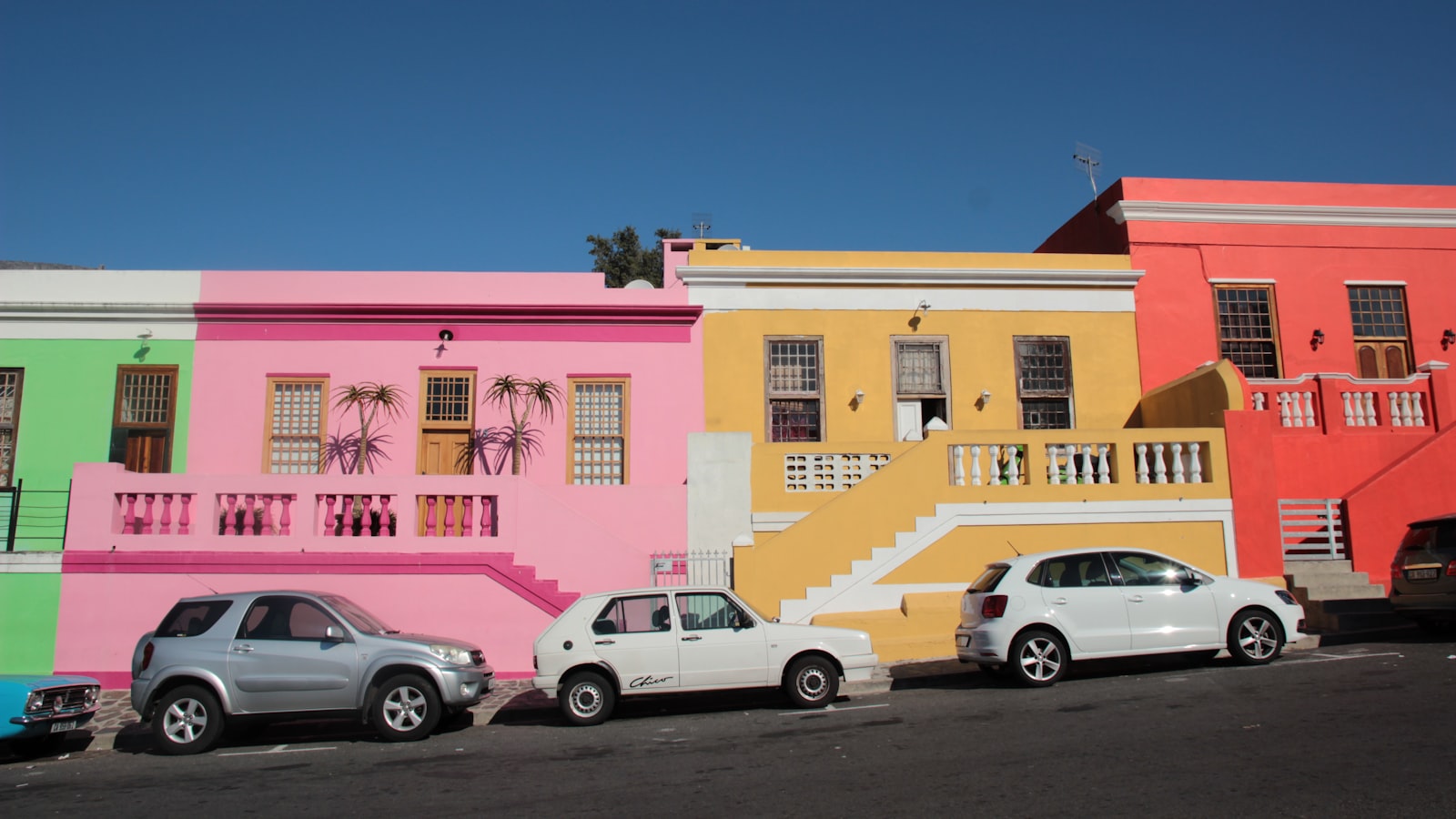
Photo by Madiba.de African Inspiration on Unsplash
Mid-afternoon, head to the Bo-Kaap on the slopes of Signal Hill above the city centre. This historic Cape Malay quarter is known for its steep cobbled streets and rows of brightly painted houses, with Wale and Chiappini streets the most photographed. It remains a living residential neighbourhood, so be respectful: ask before photographing people or doorways, and consider a guided walk or the small Bo-Kaap Museum for context on the area's Muslim heritage and cuisine.
From here you can stroll down into the city centre and the Company's Garden, a shaded park laid out by the original Dutch settlers, flanked by the South African National Gallery and the Iziko South African Museum. It is a calm counterpoint to the morning's climb.
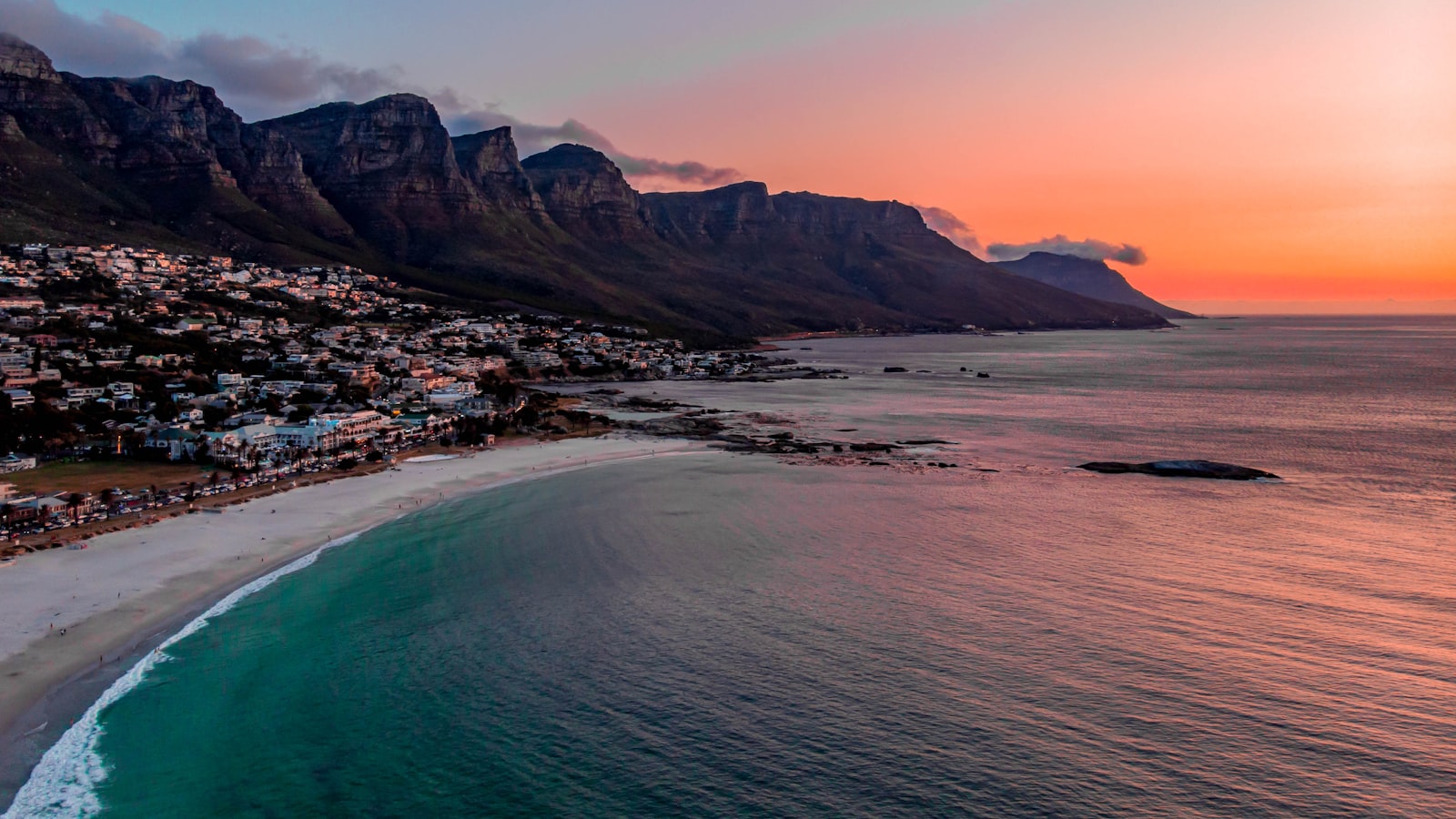
For sunset, drive up Signal Hill for a sweeping view over the Atlantic seaboard, or settle on a terrace in Camps Bay as the sun drops behind the Twelve Apostles. Both fill up; arrive 45 minutes before sundown to secure a spot.
Day Two: The Cape Peninsula Drive
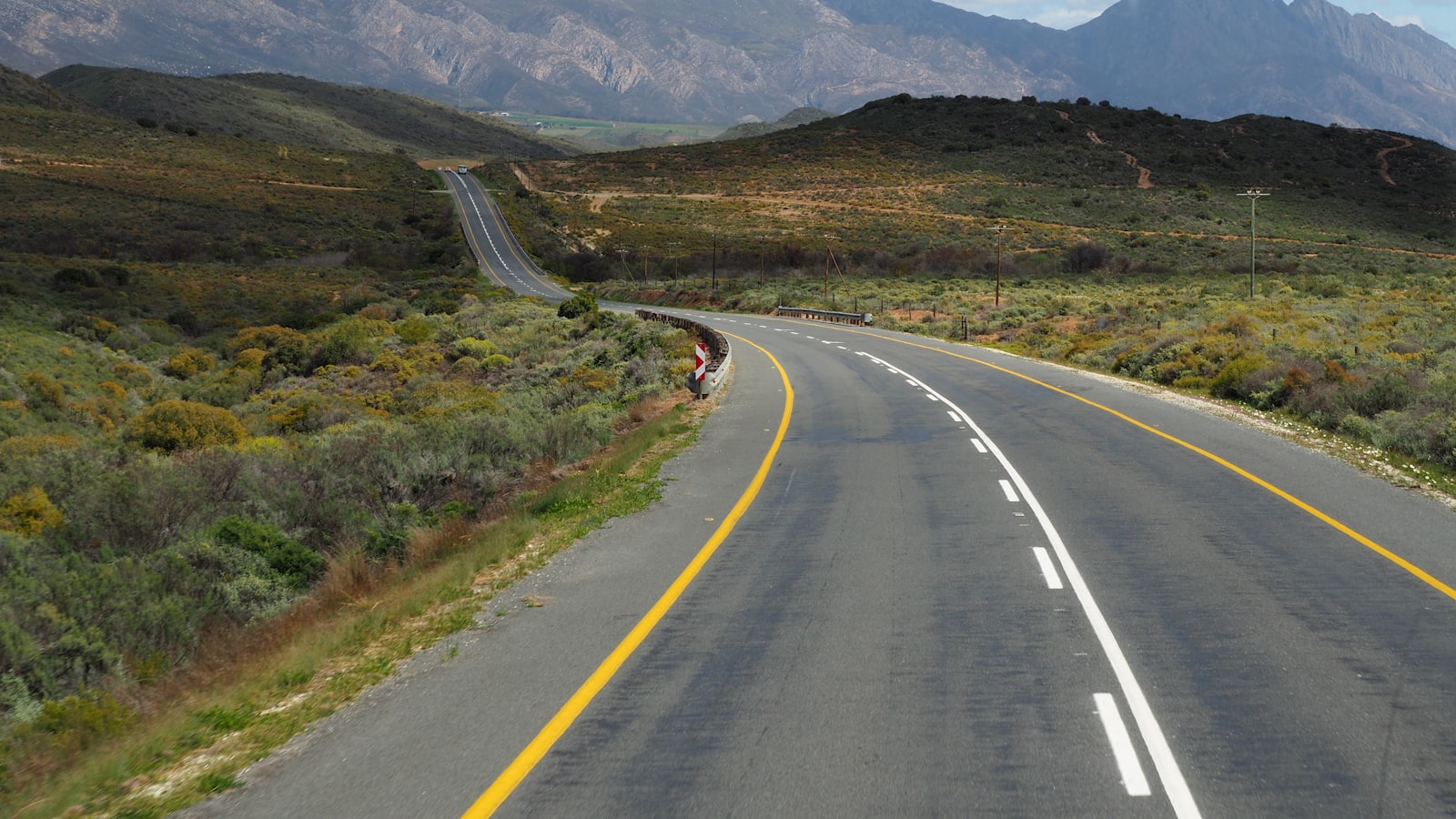
Day two is a loop around the peninsula, best done with a hire car or a private driver as public transport here is impractical. Leave by 08:00 and drive the Atlantic seaboard south through Camps Bay and Hout Bay, then onto Chapman's Peak Drive, a spectacular toll road carved into the cliffs between Hout Bay and Noordhoek (small toll, payable by card; check it is open as it closes for rockfalls and weather).
Continue to the Cape of Good Hope section of Table Mountain National Park. Pay the conservation fee at the gate, then drive to Cape Point, where a funicular (the "Flying Dutchman") or a steep path leads to the old lighthouse and dramatic views over the meeting of the cold Atlantic and warmer False Bay currents. Watch for baboons and do not leave food visible in the car.
- 08:00 Depart via Camps Bay and Hout Bay
- 09:00 Chapman's Peak Drive (toll road)
- 10:00 Cape of Good Hope and Cape Point lighthouse
- 12:30 Boulders Beach penguins, Simon's Town
- 14:00 Lunch in Simon's Town or Kalk Bay
- 15:30 Kirstenbosch or a Constantia wine estate
Day Two Continued: Penguins, Gardens and Wine
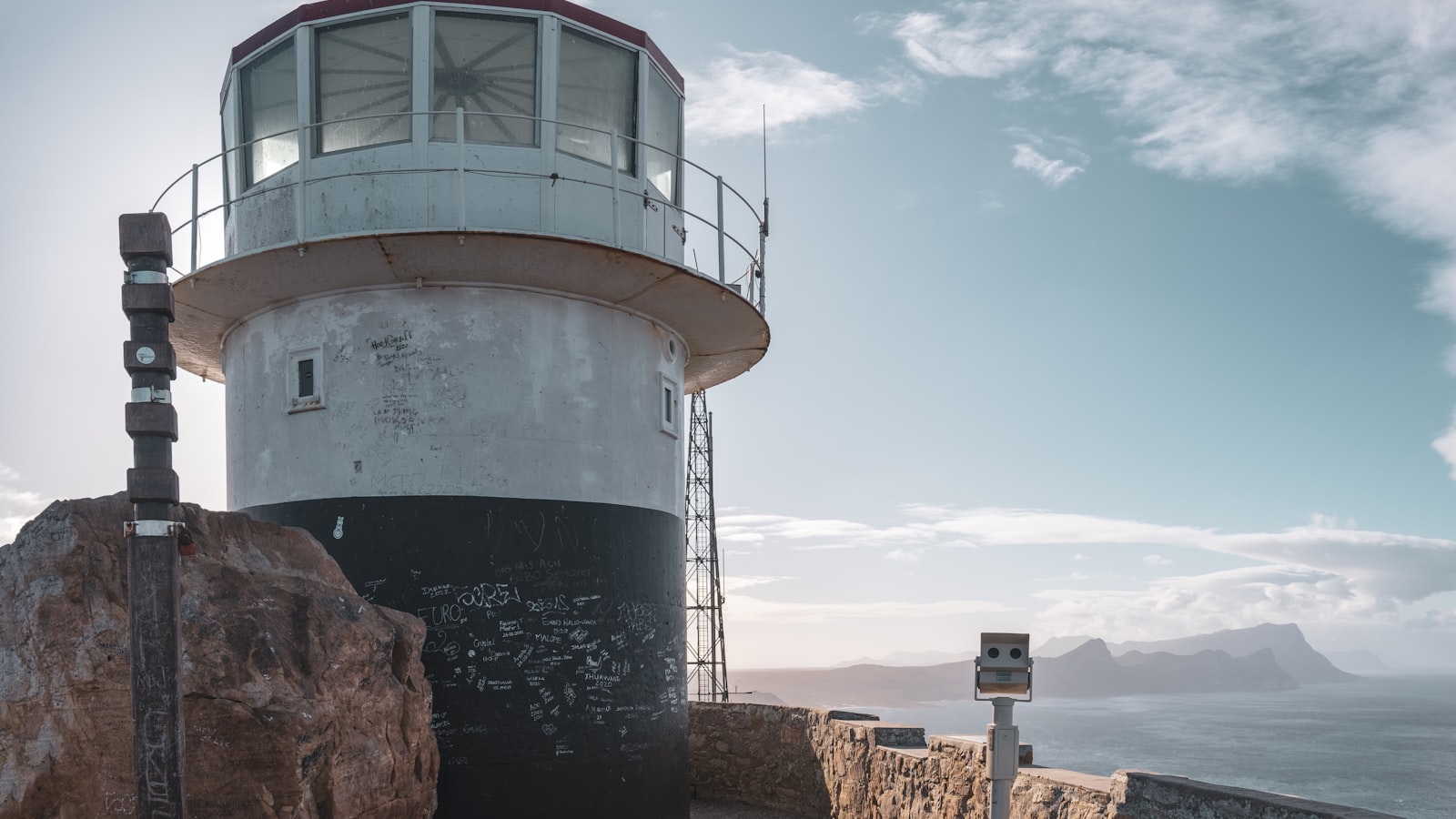
Photo by Joshua Kettle on Unsplash
Heading back along the False Bay coast, stop at Boulders Beach near Simon's Town to see the colony of African penguins from the boardwalks (a SANParks entry fee applies). The nearby village of Kalk Bay is a good lunch stop, with harbourside fish restaurants and antique shops along the main road.
In the afternoon, choose between two finales. Kirstenbosch National Botanical Garden, on the eastern flank of Table Mountain, is among the world's great gardens, with the Boomslang treetop walkway and fynbos collections; it is open until early evening in summer. Alternatively, swing into Constantia, the country's oldest wine region, for a tasting at an estate such as Groot Constantia or Klein Constantia before the drive back to town.
End the day with dinner on the Sea Point Promenade or in Camps Bay. Both have a strong run of restaurants and an easy seafront atmosphere; book ahead at weekends in summer.
Getting Around, Timing and Safety
For a 48-hour trip, the simplest combination is Uber or Bolt within the city and a hire car for the peninsula day; ride-hailing is cheap, reliable and widely used. The hop-on hop-off City Sightseeing bus is a sensible alternative for day one if you would rather not drive, linking Table Mountain, the Waterfront, Camps Bay and Kirstenbosch on its routes. MyCiTi buses cover Atlantic seaboard corridors but are not built around tourist sights.
The best months are November to March: warm, dry summer days, though the south-easterly wind known as the "Cape Doctor" can be fierce and is what shuts the mountain. April and May are quieter, with softer light and fewer crowds; winter (June to August) brings rain and the chance of a washed-out day. Always have a wet-weather plan such as Zeitz MOCAA or the museums.
Cape Town is rewarding but requires street sense. Use ride-hailing rather than walking unfamiliar areas after dark, keep phones and valuables out of sight, do not leave anything visible in a parked car, and tip the informal car guards a few rand. Hike popular trails such as Platteklip and Lion's Head in groups and during busy hours, not alone at dawn or dusk.
Where to Stay, Eat and Budget
Base yourself for proximity. The V&A Waterfront and adjacent De Waterkant suit first-timers who want safety and walkability; the City Bowl and trendy Gardens/Kloof Street area put you near restaurants and the mountain; the Atlantic seaboard (Sea Point, Camps Bay) offers sea views and a relaxed strip of cafes. Sea Point is well priced and central; Camps Bay is pricier and more scenic.
For eating, Kloof Street and Bree Street in the city centre are the dining heartland, the Old Biscuit Mill in Woodstock hosts a Saturday food market, and the Atlantic seaboard delivers sundowner-and-seafood evenings. Cape Malay curries, fresh line fish and Cape wines are the local signatures.
As a rough guide, mid-range travellers might budget from around USD 120–200 (ZAR 2,200–3,700) per person per day including a comfortable hotel, meals, a hire car and entry fees; backpackers can do it for much less, and luxury seekers far more. Major attractions take card, but carry some cash for car guards, tips and small purchases. Prices and exchange rates move, so treat these as ballpark figures rather than quotes.
Frequently Asked Questions
- Where exactly is Cape Town?
- Cape Town is on the south-western tip of South Africa, in the Western Cape province, on the shores of Table Bay beneath Table Mountain. It is about a two-hour flight or a long day's drive from Johannesburg, and its international airport sits roughly 20km east of the city centre.
- Is 48 hours enough time in Cape Town?
- Two days covers the essentials: Table Mountain, the city centre and Waterfront on day one, and the Cape Peninsula loop on day two. You will miss the Winelands, the Garden Route and beach days, but with early starts and tight planning a weekend gives a genuine feel for the Mother City.
- What is the best time to visit Cape Town?
- November to March brings warm, dry summer weather ideal for the mountain and beaches, though the south-easterly Cape Doctor wind can be strong. April and May are quieter and milder, while winter from June to August is wetter and cooler but cheaper and uncrowded.
- Do I need a car for two days in Cape Town?
- Not for the whole trip. Uber and Bolt handle the city cheaply and reliably, and the City Sightseeing bus links the main day-one sights. A hire car or private driver is strongly recommended for the peninsula day, however, as public transport to Cape Point and Boulders Beach is impractical.
- Is Cape Town safe for tourists?
- Cape Town is welcoming but, like any big city, requires care. Use ride-hailing instead of walking unfamiliar areas after dark, keep valuables out of sight, never leave items visible in a parked car, and hike popular trails in groups during busy hours. With basic street sense, most visits pass without incident.
- How much does it cost to go up Table Mountain?
- The aerial cableway costs roughly ZAR 400–500 for a return adult ticket, with discounts for early-morning trips and children; prices change seasonally, so check the official site. Buying online saves queueing. Hiking up Platteklip Gorge is free, and you can pay for a one-way cable car down.
- Can I see penguins near Cape Town?
- Yes. Boulders Beach near Simon's Town, about an hour south of the city on the False Bay coast, is home to a protected colony of African penguins viewable from boardwalks. A SANParks entry fee applies. It pairs naturally with a Cape Point day on the peninsula loop.