From mountain gorillas in Bwindi to chimpanzees in Kibale, savanna lions and the thunder of Murchison Falls, Uganda packs Africa's headline experiences into one compact, green country.
- Capital
- Kampala (airport at Entebbe, EBB)
- Best time to visit
- June–September and December–February (drier)
- Currency
- Ugandan shilling (UGX); USD widely used for tourism
- Gorilla permit
- Around USD 800 per person (confirm current rates)
- Language
- English and Swahili (official); Luganda widely spoken
- Health
- Malaria present; yellow fever certificate required
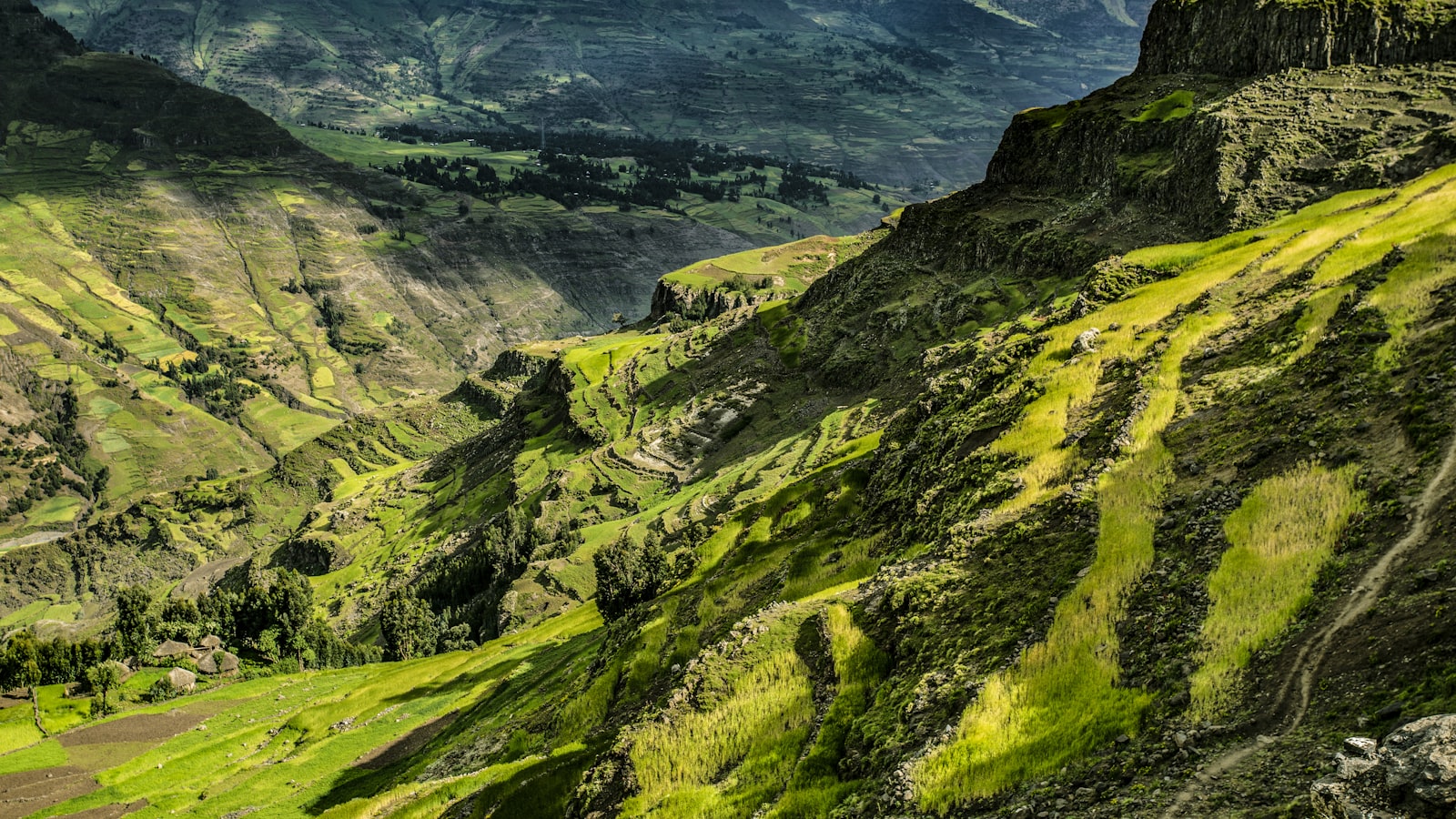
Uganda is the rare country where you can track mountain gorillas through misty forest one morning, watch chimpanzees swing overhead a few days later, and finish on a savanna game drive beneath tree-climbing lions. Straddling the equator on the shores of Lake Victoria, this green, fertile East African nation earns its old nickname, the Pearl of Africa, by packing an unusual diversity of landscapes and wildlife into a compact area.
Half of the world's remaining mountain gorillas live here, in Bwindi Impenetrable National Park and Mgahinga. Kibale Forest is the continent's primate capital, Queen Elizabeth and Murchison Falls deliver classic big-game safari, and Jinja sits on the source of the Nile, where the river that defines a continent begins its journey north.
This guide covers the headline experiences, how to combine primates and savanna into one sensible trip, when to go, and the practicalities of getting there, visas, money and health.
Why Uganda is called the Pearl of Africa
Winston Churchill coined the phrase after his 1907 visit, struck by the colour, fertility and variety of a country squeezed between the East African savannas and the rainforests of the Congo Basin. More than a century on, the description still fits. Uganda is intensely green, watered by equatorial rains and the great lakes that form its borders, and its landscapes shift quickly from papyrus wetland to montane forest to open grassland.
What makes Uganda distinctive is its biodiversity in a small footprint. The country sits at a biological crossroads where West African forest species meet East African plains animals, so a single trip can deliver gorillas, chimpanzees, savanna predators, the shoebill stork and more than a thousand bird species. Few destinations on the continent offer this range without long-haul internal travel.
It is also a warm, welcoming place to travel. Ugandans are widely regarded as some of the friendliest people in the region, English is an official language, and tourism here feels less crowded and more personal than in some better-known neighbours.
Mountain gorilla trekking in Bwindi and Mgahinga
Gorilla trekking is Uganda's signature experience and the reason many visitors come. The bulk of habituated gorilla families live in Bwindi Impenetrable National Park, a dense, ancient rainforest in the south-west with several trekking sectors: Buhoma, Ruhija, Rushaga and Nkuringo. The smaller Mgahinga Gorilla National Park, in the Virunga volcanoes, offers a single habituated group and dramatic scenery shared with Rwanda and the DRC.
A permit is required and currently costs around USD 800 per person for a standard trek (confirm current rates), which buys one hour with a gorilla family once they are located. Treks vary from a gentle couple of hours to a strenuous full day through steep, muddy terrain, so reasonable fitness, sturdy boots and a porter are all worth having. Permits are limited and sell out in peak months, so book well ahead.
We have a dedicated guide to gorilla trekking covering permits, fitness, what to pack and how Uganda compares with Rwanda, linked below.
- Bwindi sectors: Buhoma and Ruhija (north/east), Rushaga and Nkuringo (south)
- Permit around USD 800 per person, standard trek (confirm current rates)
- Minimum age is 15; bring rain gear, gloves and a daypack
- Hire a porter to help on steep, slippery trails and support the local community
Chimpanzee tracking in Kibale Forest
If gorillas are the headline, chimpanzees are the natural second act. Kibale Forest National Park is the primate capital of East Africa, home to around 1,500 chimpanzees alongside red colobus, grey-cheeked mangabey and several other primate species. Chimpanzee tracking permits are far cheaper than gorilla permits, and the forest walks are easier underfoot, making this an accessible primate encounter.
Standard chimp tracking grants an hour with a habituated group; a longer, pricier chimpanzee habituation experience lets you spend most of a day following the apes with researchers. Just outside the park, the Bigodi Wetland Sanctuary is a rewarding community-run walk for birds and more monkeys.
Kibale sits conveniently between the gorilla country of the south-west and the savanna of Queen Elizabeth, which makes it easy to slot into a circuit rather than a detour.
Queen Elizabeth National Park and the Kazinga Channel
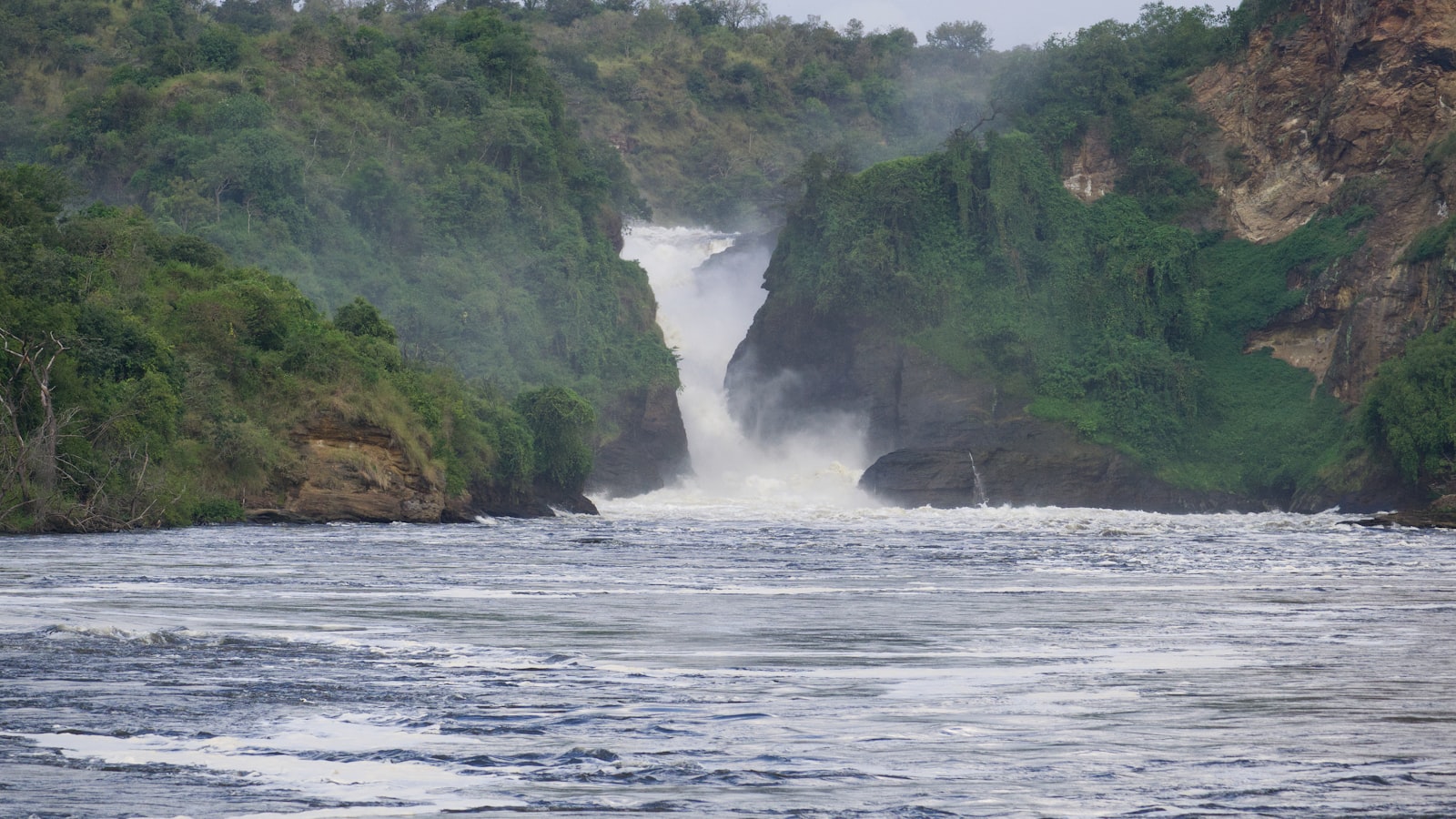
Photo by Jonathan Göhner on Unsplash
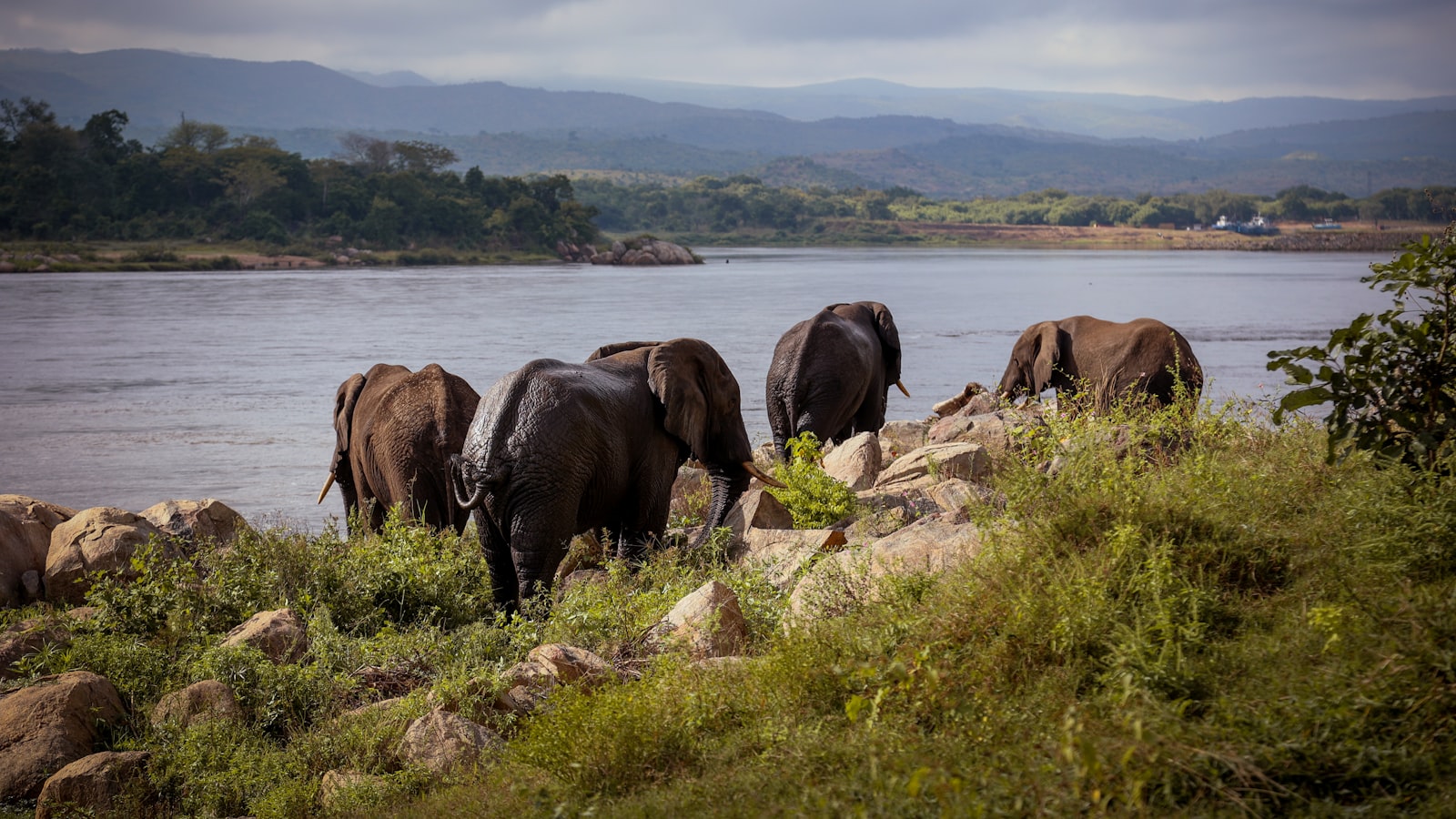
Queen Elizabeth National Park is Uganda's most popular savanna reserve, spread across the floor of the western Rift Valley between Lakes Edward and George. Game drives turn up elephant, buffalo, Uganda kob, warthog, leopard and a long list of birds, set against the backdrop of the Rwenzori Mountains. The park's most famous draw is the Ishasha sector in the south, where lions have the unusual habit of lounging in the branches of fig trees.
The Kazinga Channel boat cruise is the other essential outing. This natural waterway linking the two lakes attracts one of the highest concentrations of hippo and buffalo in Africa, plus elephants drinking at the shore and dense gatherings of waterbirds. An afternoon cruise here is one of the most reliable wildlife experiences in the country.
Queen Elizabeth pairs neatly with Bwindi, since Ishasha lies on the route south towards the gorilla parks, allowing you to combine lions and primates over a few days.
Murchison Falls and the Nile
Murchison Falls National Park, in the north-west, is Uganda's largest protected area and one of its most dramatic. Here the Victoria Nile is squeezed through a gorge barely seven metres wide before crashing forty-three metres in a thunderous, churning drop. The falls are the centrepiece, but the park also offers excellent savanna game viewing on the northern bank, with elephant, giraffe, lion, buffalo and the chance of a leopard.
The classic outing is a launch trip upriver to the base of the falls, cruising past hippos, crocodiles and elephants on the banks and watching for the African fish eagle overhead. Many visitors combine the boat with a hike to the top of the falls for the full force of the spectacle. Nearby Ziwa Rhino Sanctuary, on the route from Kampala, is where you can track white rhino on foot.
Murchison is reachable by a long road journey from Kampala or by a short domestic flight, and is often paired with chimpanzee tracking in the park's Budongo Forest.
Kidepo Valley and Jinja: wilderness and adventure
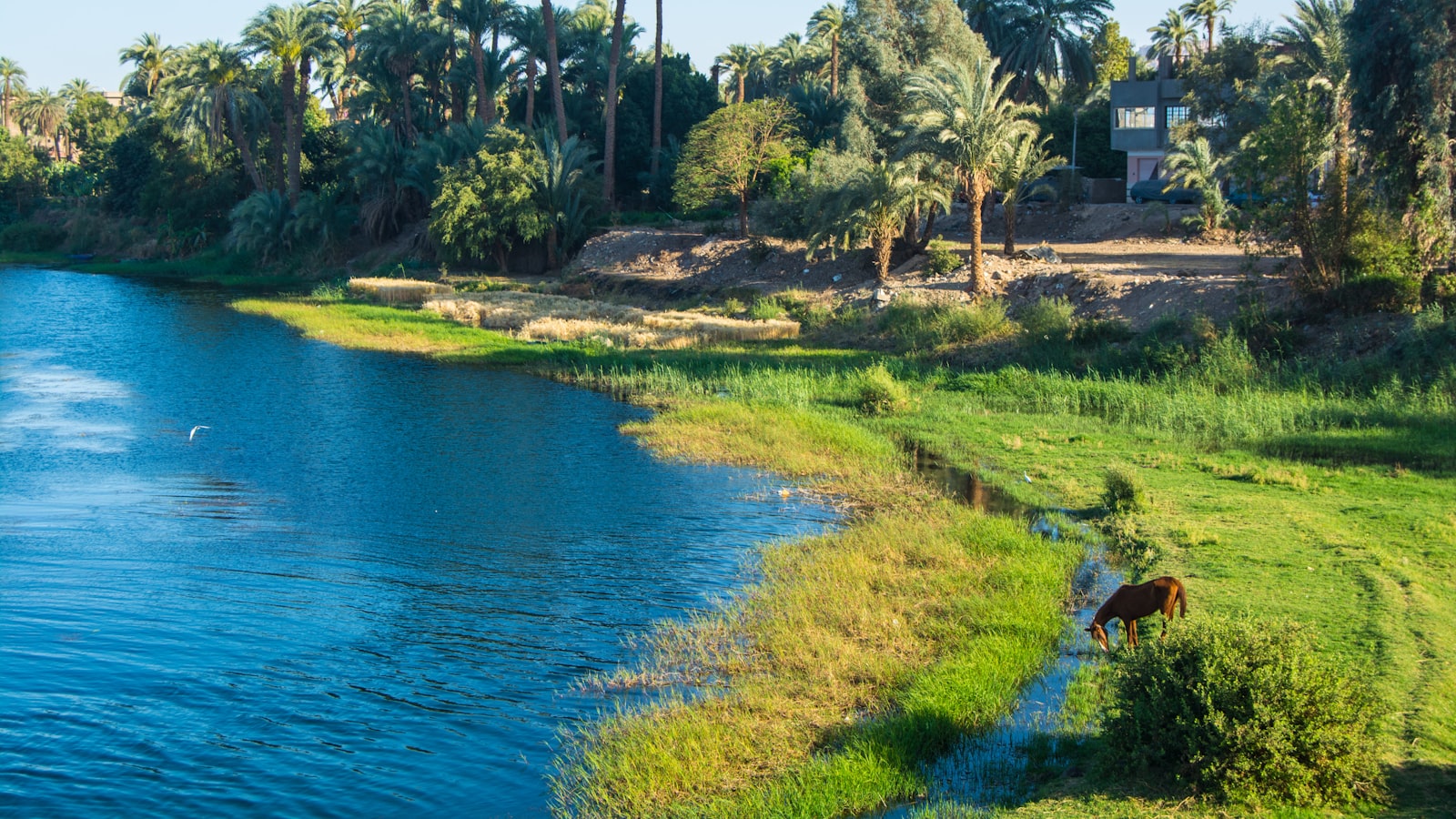
Photo by Mohamad Sameh on Unsplash
For travellers with more time, Kidepo Valley National Park in the remote far north-east is Uganda's most spectacular wilderness. Hemmed in by mountains on the border with South Sudan and Kenya, this seldom-visited park offers genuine solitude, big herds, lions, cheetah and species found nowhere else in the country. Its isolation makes a domestic flight the practical way in.
At the other end of the spectrum, Jinja is the country's adventure capital, set where the Nile begins its long journey out of Lake Victoria. The source of the Nile is the headline sight, but Jinja is best known for some of the finest white-water rafting in Africa, alongside kayaking, bungee jumping, quad biking and gentler sunset cruises. It makes an easy, fun add-on close to Kampala and Entebbe.
Together, Kidepo and Jinja show Uganda's range: one is raw, empty wilderness; the other is adrenaline on a world-class river.
Planning your route and when to go
A classic two-week itinerary loops through the west and south-west: Kibale for chimps, Queen Elizabeth for savanna and the Kazinga Channel, then Bwindi for gorillas, with Lake Bunyonyi as a restful finish. Shorter trips of seven to ten days can pair gorillas with one savanna park. Murchison Falls and Kidepo work best as separate northern legs, ideally with a domestic flight to save a long drive.
The drier seasons of June to September and December to February are the best times for trekking and game viewing, with firmer forest trails and easier wildlife spotting. That said, Uganda is equatorial and green year-round, so showers are possible in any month and the long rains of March to May bring lush scenery, lower prices and fewer visitors.
Whichever season you choose, build in slack. Overland transfers are long but scenic, roads can be slow, and the most rewarding way to travel Uganda is unhurried.
- Days 1–2: Arrive Entebbe; transfer towards Kibale Forest
- Days 3–4: Chimpanzee tracking in Kibale
- Days 5–6: Queen Elizabeth NP game drives and Kazinga cruise
- Days 7–9: Bwindi for gorilla trekking
- Days 10–11: Lake Bunyonyi to unwind, then return to Entebbe
Getting there, visas, money and health
International flights arrive at Entebbe International Airport (EBB), on the shore of Lake Victoria about 40km from the capital, Kampala. From there, most safaris travel overland by 4x4 with a driver-guide, though domestic flights to airstrips near the main parks save considerable time on longer itineraries. Distances are deceptive: scenic drives of six to ten hours between regions are common, so factor in plenty of road time.
Most visitors need a visa. The official Uganda e-visa should be arranged online before travel, while the East Africa Tourist Visa is a useful multiple-entry option covering Uganda, Kenya and Rwanda for travellers combining the three; check requirements officially before booking. The local currency is the Ugandan shilling (UGX), though US dollars are widely accepted for park fees, permits and upmarket lodges.
On health, malaria is present throughout the country, so antimalarial prophylaxis, repellent and covered clothing in the evenings are all sensible precautions. A yellow fever vaccination certificate is required for entry, so carry it with your passport. Tap water is best avoided in favour of bottled or treated water.
Frequently Asked Questions
- How much does gorilla trekking cost in Uganda?
- A standard gorilla trekking permit in Uganda currently costs around USD 800 per person (confirm current rates), which includes park entry and one hour with a habituated gorilla family. Uganda is notably cheaper than Rwanda for permits. They sell out in peak months, so book well ahead through a tour operator or the Uganda Wildlife Authority.
- When is the best time to visit Uganda?
- The drier seasons of June to September and December to February are best for gorilla trekking and savanna game viewing, with firmer trails and clearer wildlife sightings. Uganda is equatorial and green all year, so rain is possible in any month. The wetter seasons bring lush landscapes, fewer crowds and often lower prices.
- Do I need a visa to visit Uganda?
- Most visitors need a visa. You can apply for the official Uganda e-visa online before travel, or choose the East Africa Tourist Visa, a multiple-entry option that also covers Kenya and Rwanda and suits travellers combining the three countries. Requirements change, so confirm the latest rules through official government channels before booking your trip.
- Can you see both gorillas and chimpanzees in Uganda?
- Yes, and this is one of Uganda's great strengths. Mountain gorillas are tracked in Bwindi and Mgahinga in the south-west, while chimpanzees are tracked in Kibale Forest, the region's primate capital. The two parks sit on the same western circuit, so a single trip of around ten days can comfortably include both alongside a savanna safari.
- Is Uganda safe for tourists?
- Uganda is generally a welcoming and rewarding destination, with friendly people and well-established tourism in its national parks. As anywhere, take normal precautions in cities, watch your belongings and use reputable operators. Check your government's current travel advice before you go, particularly for remote border regions, and follow ranger guidance during treks and game drives.
- What vaccinations do I need for Uganda?
- A yellow fever vaccination certificate is required for entry to Uganda, so carry it with your passport. Malaria is present countrywide, so antimalarial tablets and insect precautions are strongly advised. Routine vaccinations should be up to date, and many travellers also consider typhoid and hepatitis. Seek personalised advice from a travel clinic well before departure.
- How do you get around Uganda?
- Most safaris travel overland by 4x4 with a driver-guide, which is scenic but slow, with drives of six to ten hours between regions. For longer itineraries including Murchison Falls or remote Kidepo Valley, domestic flights to park airstrips save considerable time. International visitors arrive at Entebbe International Airport, around 40km from Kampala on Lake Victoria.