A complete guide to Malawi, the Warm Heart of Africa: when to go, how to combine Lake Malawi, the highlands and restored wildlife reserves, plus visas, money and health advice.
- Capital
- Lilongwe (commercial hub: Blantyre)
- Best time to visit
- Dry season, May–October
- Main airports
- Lilongwe (LLW), Blantyre (BLZ)
- Currency
- Malawian kwacha (MWK) — carry cash
- Highest point
- Sapitwa, Mount Mulanje (~3,002m)
- Lake Malawi
- UNESCO World Heritage Site
Malawi is a small, friendly, landlocked country in south-east Africa, hemmed in by Zambia to the west, Tanzania to the north-east and Mozambique wrapping around its south and east. Long known as the Warm Heart of Africa, it trades the big-name crowds of its neighbours for an unhurried welcome and an unusual variety of landscapes packed into a country you can cross in a couple of days.
Its defining feature is Lake Malawi, a vast Rift Valley lake that fills much of the eastern border and gives the country its rhythm. Add the granite highlands of Mount Mulanje and the Zomba Plateau, the high grasslands of Nyika, and three wildlife reserves brought back from near-collapse, and you have one of the continent's most rewarding under-the-radar destinations.
This guide covers where to go, when to travel, and the practicalities of visas, money and health so you can plan a trip with confidence.
Where is Malawi and why visit?
Malawi sits in the southern stretch of the East African Rift, a long, narrow country roughly 900km from top to toe but rarely more than 150km wide. That shape is dictated by Lake Malawi, which runs down the eastern flank and accounts for around a fifth of the country's surface area. Because distances between regions are modest, it is genuinely possible to combine beach, mountain and safari in a single two-week trip without long internal flights.
What sets Malawi apart is its temperament. It has avoided the conflicts that have troubled parts of the region, and travellers consistently single out the friendliness of Malawians — hence the well-earned nickname. Tourism is small in scale, which means fewer vehicles at a sighting, quieter beaches and a more personal style of lodge. It suits travellers who want substance over status and are happy to swap polish for character.
The country also pairs well with neighbours. Many visitors combine Malawi with South Luangwa in Zambia, the Tanzanian safari circuit, or the beaches of northern Mozambique, using overland borders or short regional flights.
Lake Malawi: beaches, islands and the Ilala ferry
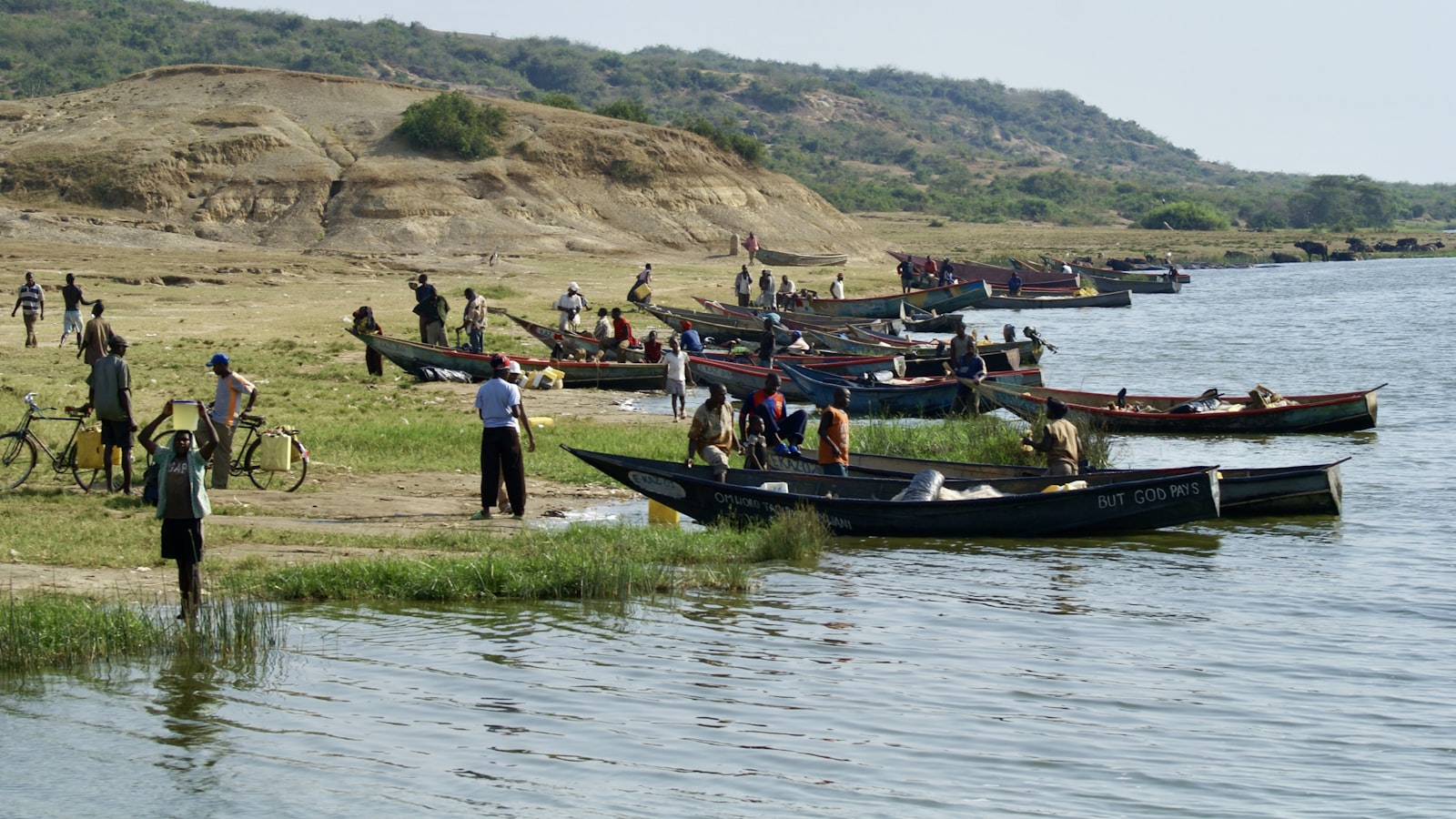
Photo by Lisa Stockton on Unsplash
Lake Malawi is the heart of any visit. A UNESCO World Heritage Site, it is famous for hundreds of endemic cichlid fish — more species than any other lake on earth — which makes the clear, freshwater snorkelling genuinely special. The water is bilharzia-bearing, so take local advice (see the health section below), but plenty of operators run safe diving and kayaking from the established resorts.
The southern village of Cape Maclear (Chembe), within Lake Malawi National Park, is the classic backpacker-to-mid-range base, with rocky islands just offshore. Senga Bay is the easiest beach to reach from Lilongwe, while Nkhata Bay in the north has a laid-back, hillier feel. For a step up in seclusion, the islands of Likoma and Chizumulu sit far out towards the Mozambican shore, with a handful of characterful lodges.
The historic Ilala ferry has plied the lake for decades, linking lakeshore towns and the islands on a slow, sociable schedule. It is an experience in itself rather than fast transport, and sailings can change at short notice, so confirm the current timetable locally before relying on it.
The highlands: Mount Mulanje, Zomba and Nyika
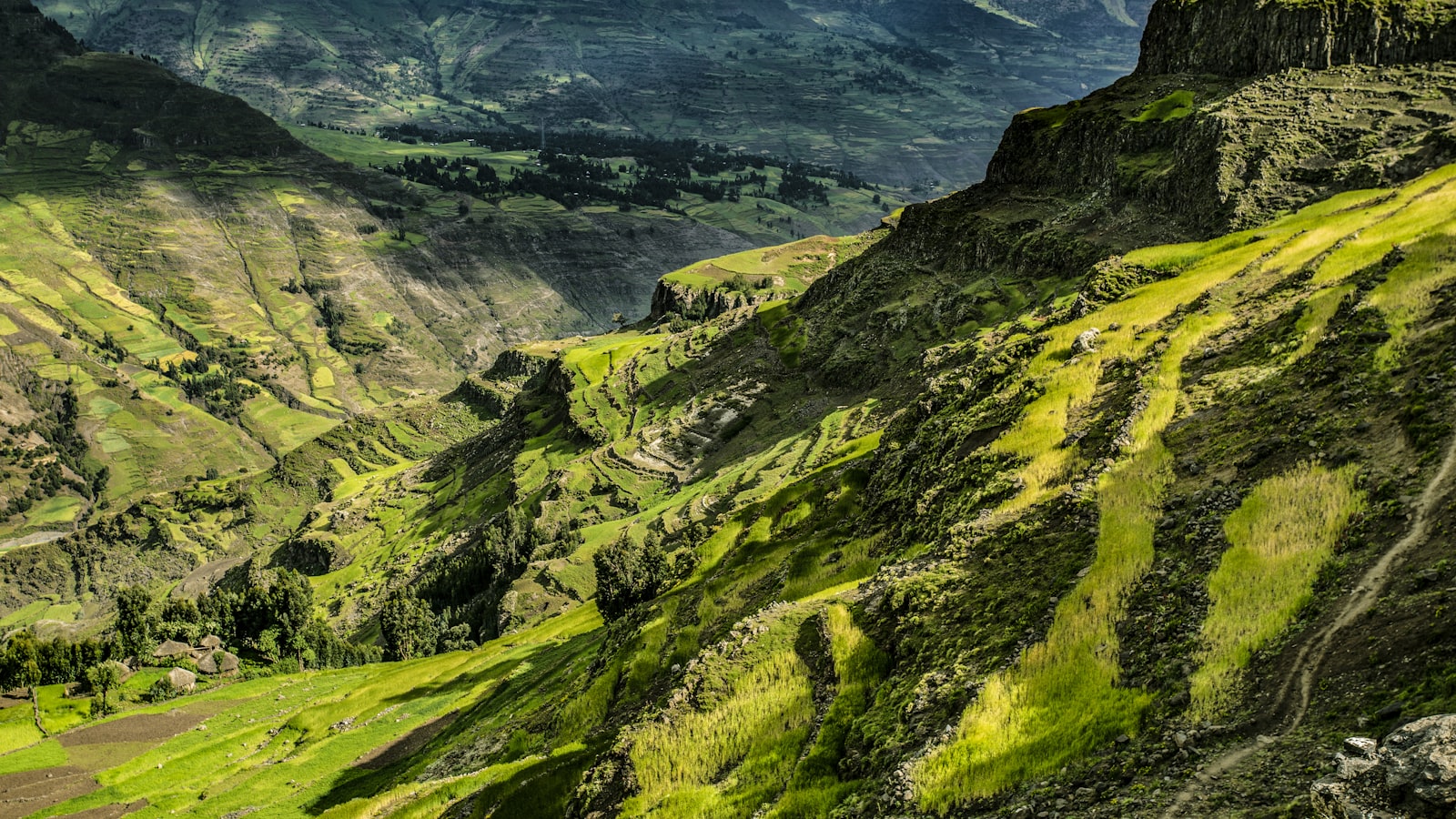
Malawi's highlands offer some of the best hiking in southern Africa. Mount Mulanje, a dramatic granite massif in the south, rises abruptly from the surrounding tea estates to Sapitwa peak at around 3,002m, the highest point in the country. Trekkers typically spend two to four days on the plateau, sleeping in basic mountain huts and hiring local guides and porters, who are arranged through the forestry office at Likhubula.
Closer to the old colonial capital of Zomba, the Zomba Plateau is a gentler, more accessible upland of pine forest, viewpoints and waterfalls, reachable by road and ideal for day walks. Far to the north, Nyika National Park is something else entirely: vast rolling grasslands at over 2,000m, cool enough for roaring evening fires, with roan antelope, eland, zebra and one of Africa's densest leopard populations across an open, almost Scottish-feeling landscape.
- Mount Mulanje — multi-day treks to Sapitwa (~3,002m); guides/porters from Likhubula
- Zomba Plateau — easy day walks, viewpoints and waterfalls near Zomba town
- Nyika National Park — high grasslands, antelope, leopards and excellent walking
- Best hiked in the dry season; nights can be genuinely cold at altitude
Malawi safari: Majete, Liwonde and Nkhotakota
Malawi's wildlife story is one of revival. Decades of poaching had emptied its reserves, but a partnership with the non-profit African Parks has transformed three of them. Majete Wildlife Reserve in the south-west was restocked from scratch and is now a Big Five reserve, complete with black rhino, lion and elephant, and is the easiest place in the country to see a full safari roll-call.
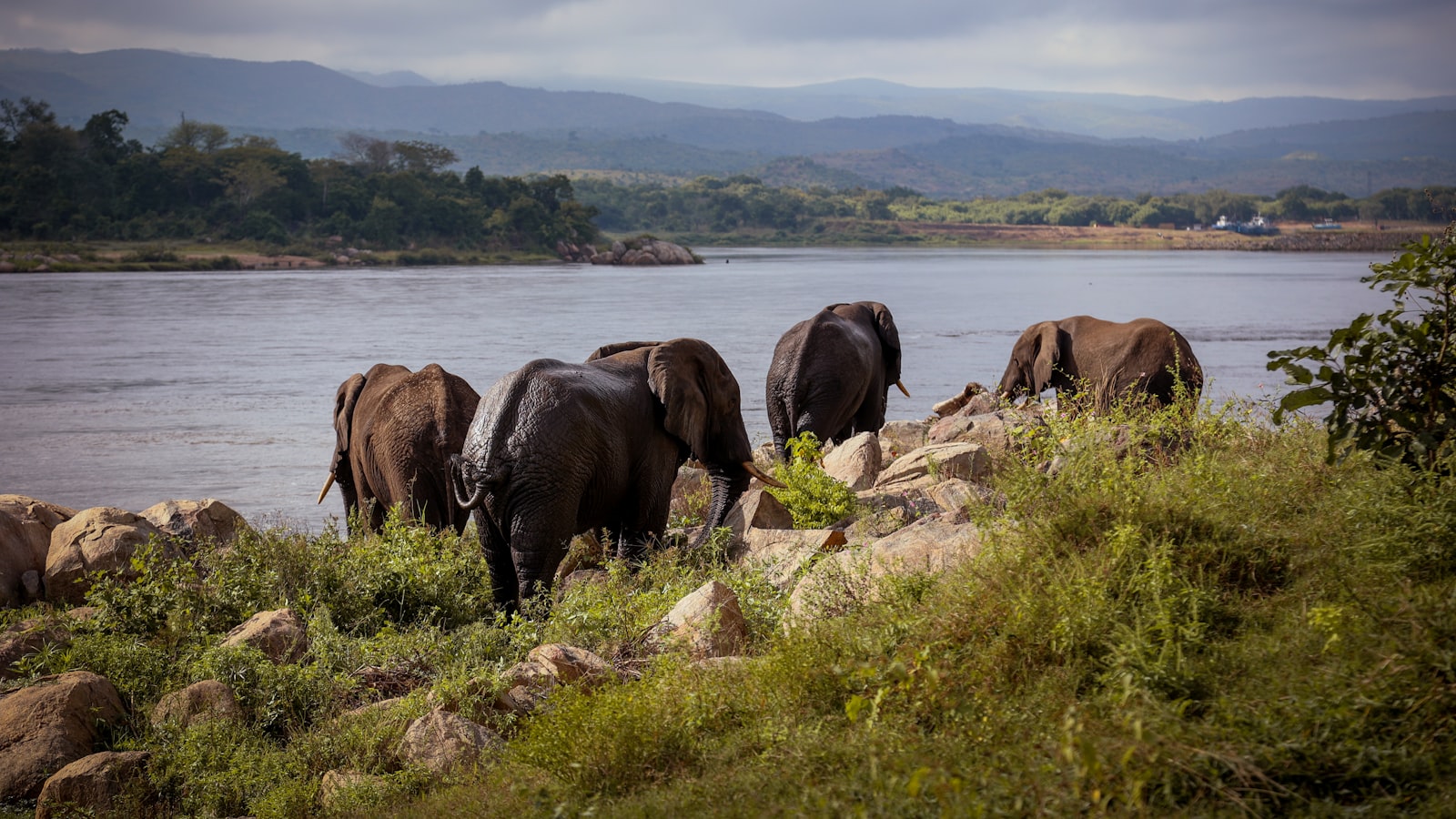
Liwonde National Park, on the Shire River, is the country's standout. Boat safaris glide past dense hippo and crocodile populations and huge numbers of elephant, while large translocations — including cheetah and rhino — have rebuilt its predator base. Nkhotakota Wildlife Reserve, a rugged miombo wilderness on the lake's western side, received one of Africa's largest-ever elephant translocations and now offers a wilder, less-trodden experience.
These reserves are compact and well-suited to a few nights each, making it straightforward to fold a genuine safari into a lake-and-mountains trip without the cost of a dedicated big-game holiday elsewhere.
Lilongwe, Blantyre and a sample itinerary
Lilongwe, the capital, is the usual arrival point and a practical base for stocking up, changing money and reaching the central lakeshore and Nkhotakota. Blantyre, in the south, is the commercial and historic hub and the natural gateway to Mulanje, Zomba, Liwonde and Majete. Neither city is a major sight in its own right, but both have decent hotels, supermarkets and tour operators.
A classic two-week loop might run: fly into Lilongwe, head to the central or southern lakeshore for a few relaxed days, then south to Liwonde for river safaris, on to Majete for Big Five game drives, and finish hiking Mulanje or Zomba before flying home from Blantyre. With more time, add the northern lake, the islands and Nyika.
Roads between the main centres are mostly tarred and in fair condition, though minor routes can be rough; a 4x4 is wise in the wet season and for reaching some reserves.
- Days 1–4: Lilongwe arrival and central or southern lakeshore
- Days 5–7: Liwonde National Park — river and game-drive safaris
- Days 8–10: Majete Wildlife Reserve for Big Five and black rhino
- Days 11–14: Mulanje or Zomba hiking, departing from Blantyre
Best time to visit Malawi
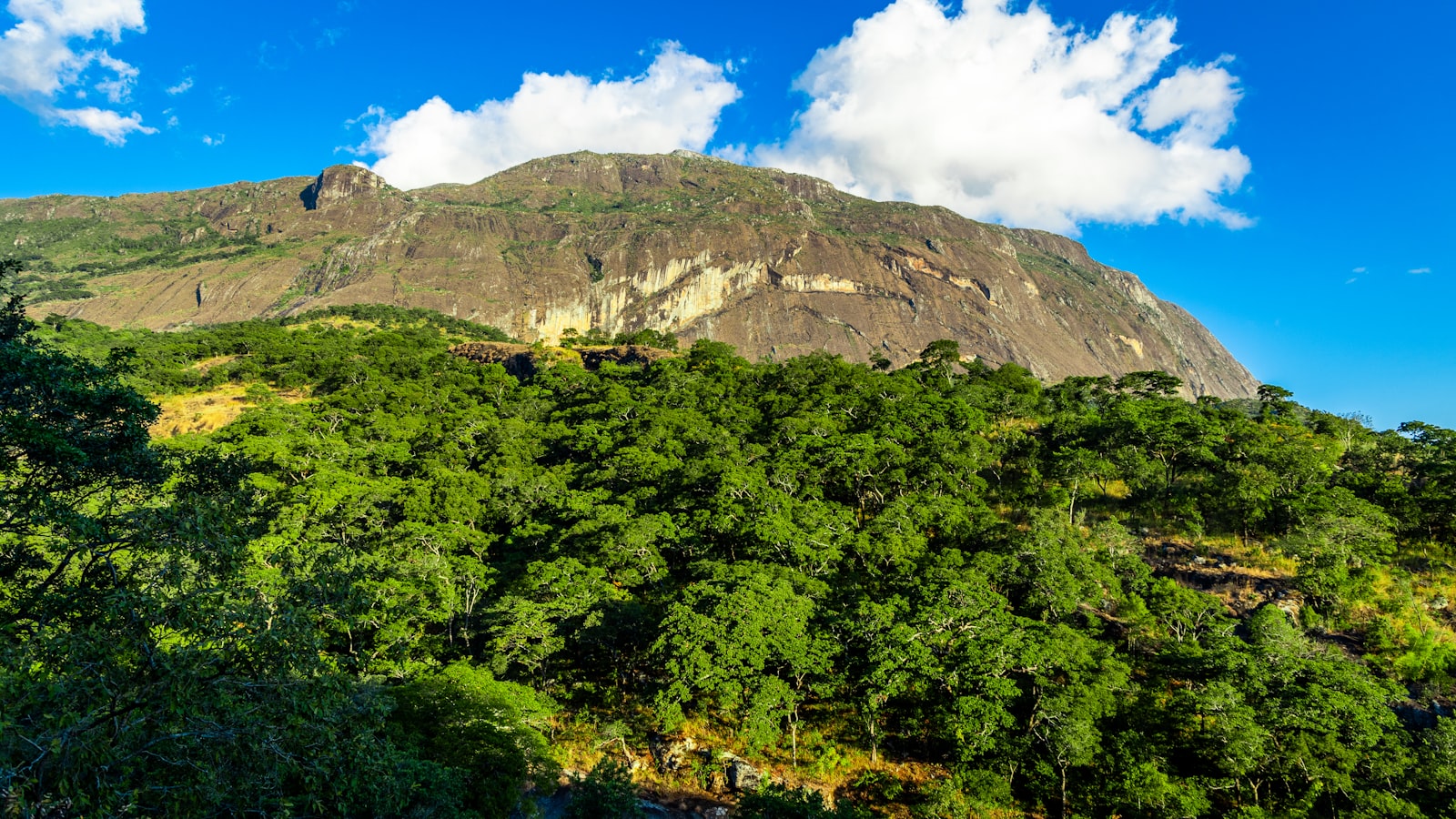
Photo by Omar Hakeem on Unsplash
The dry season, roughly May to October, is the prime window for most visitors. May to July is pleasantly cool and green after the rains, with chilly highland nights, while September and October turn hot and dusty but deliver the best wildlife viewing as animals concentrate around shrinking water. This is the easiest period for hiking, lake activities and safari alike.
The wet, green season from November to April brings dramatic afternoon storms, lush scenery and excellent birding, plus lower prices and quieter lodges. The trade-offs are humidity, occasional impassable minor roads, and thicker bush that makes spotting game harder. Some remote camps close for the heaviest months. For a first trip combining lake, mountains and safari, aim for the dry season; for photographers and birders on a budget, the green season has real appeal.
Getting there, visas, money and health
Most visitors fly into Kamuzu International Airport at Lilongwe (LLW) or Chileka at Blantyre (BLZ), usually connecting through Addis Ababa, Nairobi or Johannesburg as there are no long-haul direct services from Europe. Overland crossings from Zambia, Tanzania and Mozambique are common for regional travellers, and the Ilala ferry connects lakeshore points internally.
Many nationalities can obtain a Malawi e-visa in advance or a visa on arrival, but rules change and vary by passport, so always confirm the current requirements through official Malawian government channels before you travel. The currency is the Malawian kwacha (MWK); cards are accepted in upmarket hotels and cities but are unreliable elsewhere, so carry sufficient cash and change money at banks or bureaux rather than informally.
On health, malaria is present throughout the country, so take prophylaxis and use repellent and nets. Lake Malawi carries a bilharzia (schistosomiasis) risk; many travellers swim and simply take a praziquantel course afterwards on medical advice. Check routine and recommended vaccinations with a travel clinic well before departure, and note that a yellow fever certificate may be required if arriving from an affected country.
- Fly via Addis Ababa, Nairobi or Johannesburg into LLW or BLZ
- E-visa or visa on arrival for many nationalities — confirm officially
- Carry Malawian kwacha (MWK) in cash; cards are patchy outside cities
- Take malaria precautions; manage bilharzia risk in the lake with medical advice
Frequently Asked Questions
- Is Malawi safe for tourists?
- Malawi is generally regarded as one of the safer countries in the region and is well known for friendly, welcoming people. Petty theft can occur in cities and busy markets, so take normal precautions with valuables. Drive carefully, avoid travelling on rural roads after dark, and check your government's current travel advice before departure.
- When is the best time to visit Malawi?
- The dry season from May to October is best for most travellers. May to July is cool and green, while September and October are hot but offer superb wildlife viewing. The green season from November to April brings lush scenery, lower prices and great birding, but also humidity and some impassable minor roads.
- Do I need a visa for Malawi?
- Many nationalities can apply for a Malawi e-visa online before travel or obtain a visa on arrival, but requirements depend on your passport and change periodically. Always confirm the current rules and fees through official Malawian government immigration channels before booking, and ensure your passport has sufficient validity and blank pages.
- Can you go on safari in Malawi?
- Yes. Three reserves restored with the non-profit African Parks now offer rewarding safaris: Majete is a Big Five reserve with black rhino, Liwonde has excellent river safaris with elephant and reintroduced predators, and Nkhotakota is a wild miombo wilderness. They are compact and easy to combine with the lake and the highlands.
- Is it safe to swim in Lake Malawi?
- Many travellers swim, snorkel and dive in Lake Malawi safely, but the water carries a bilharzia (schistosomiasis) risk. The common approach is to take medical advice and a course of praziquantel after exposure. Avoid swimming in still, reed-fringed shallows where the risk is higher, and check the local situation at your lodge.
- What currency is used in Malawi and can I use cards?
- The currency is the Malawian kwacha (MWK). Cards are accepted in some city hotels, lodges and supermarkets but are unreliable elsewhere, and ATMs can run short of cash. Carry enough kwacha for daily needs, change money at banks or official bureaux, and keep small denominations for tips and local purchases.
- How many days do you need in Malawi?
- Around ten days to two weeks lets you combine the three core experiences: a few days on Lake Malawi, a safari at Liwonde or Majete, and hiking on Mulanje or the Zomba Plateau. With extra time you can add the northern lakeshore, the islands of Likoma and Chizumulu, or the high grasslands of Nyika National Park.