Samburu National Reserve is a semi-arid wilderness in Kenya's rugged north, famous for its dry-country Special Five, river-loving elephants and strong Samburu cultural heritage.
- Location
- Samburu County, northern Kenya
- Size
- Approximately 165 km²
- Lifeline
- Ewaso Ng'iro River
- Signature draw
- The Samburu Special Five
- Best time
- June–October & December–March
- From Nairobi
- 5–6 hour drive or short flight
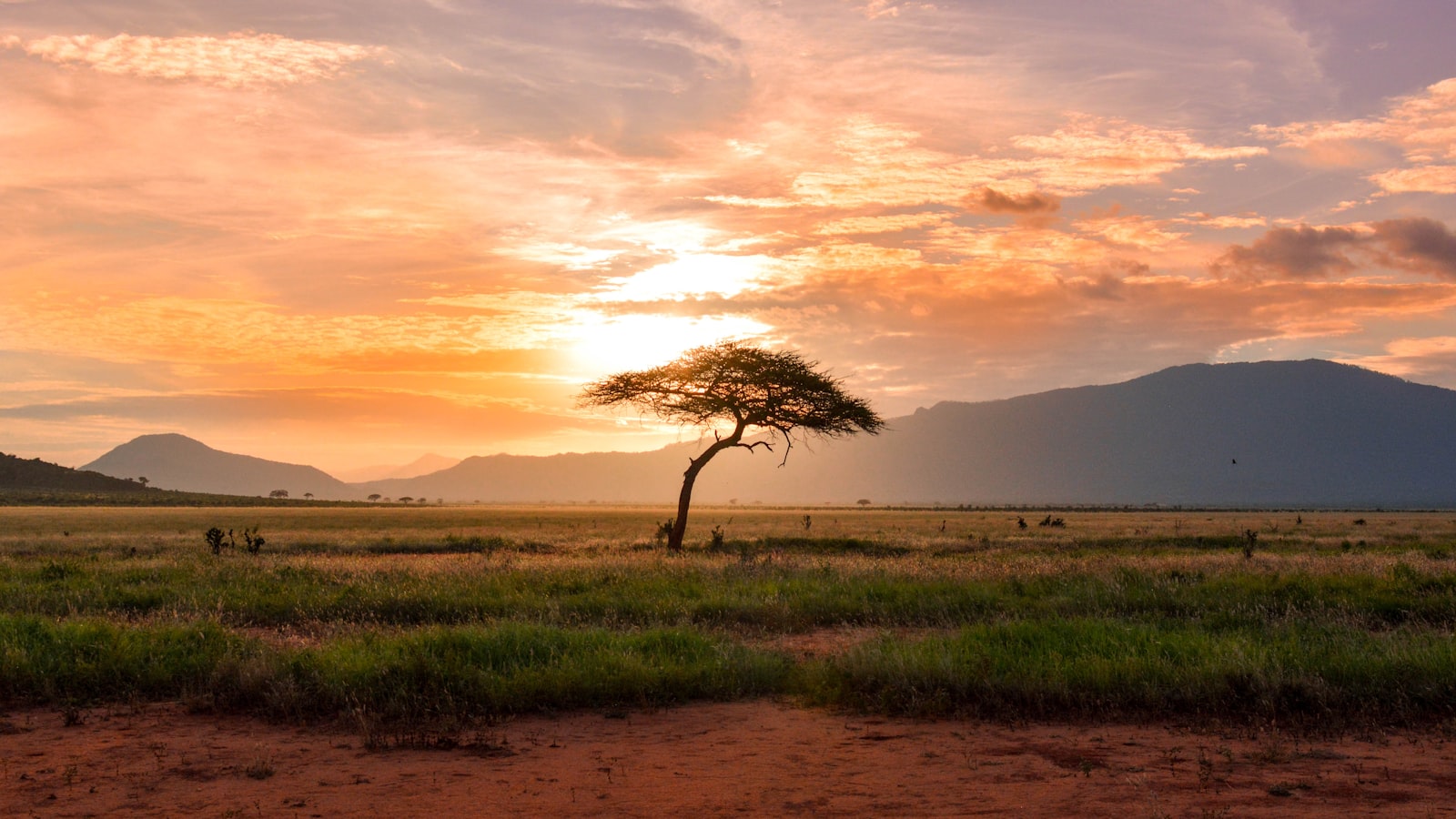
Samburu National Reserve is a wild, semi-arid wedge of northern Kenya where the muddy Ewaso Ng'iro River carves a green ribbon through scrub, doum palms and acacia. Roughly 165 square kilometres in size, it sits some 350 kilometres north of Nairobi in Samburu County, far drier and emptier than the famous southern parks. The river is the reserve's lifeline, drawing wildlife to its banks across a landscape of red earth and distant, sun-baked hills.
What sets Samburu apart is its cast of dry-country specialists, the so-called Samburu Special Five, alongside big elephant herds, predators and exceptional riverine birdlife. It is also the home of the semi-nomadic Samburu people and a long heritage of lion storytelling. This guide covers the wildlife, culture, best time to visit and how Samburu fits a wider northern Kenya safari.
Where is Samburu and why is it different?
Samburu National Reserve lies in Kenya's arid north, on the northern bank of the Ewaso Ng'iro River. Unlike the rolling grasslands of the Maasai Mara or Amboseli, this is true dry country: open bushland, scattered termite mounds, riverine forest and a backdrop of rugged volcanic hills, including the distinctive table-top of Ololokwe to the north.
The river is everything here. It rises in the Aberdare and Mount Kenya highlands and flows north-east before eventually vanishing into the Lorian Swamp. In the dry months it becomes a magnet, concentrating elephant, big cats and antelope along a narrow corridor of shade and water. That concentration, set against stark scenery, gives Samburu a wilder, more remote feel than the heavily visited southern reserves.
Samburu does not sit alone. Across the river lie Buffalo Springs National Reserve and, a little east, Shaba National Reserve. Together the three form a single ecosystem, sharing wildlife and the Ewaso Ng'iro, and many lodges arrange game drives that cross between them.
The Samburu Special Five
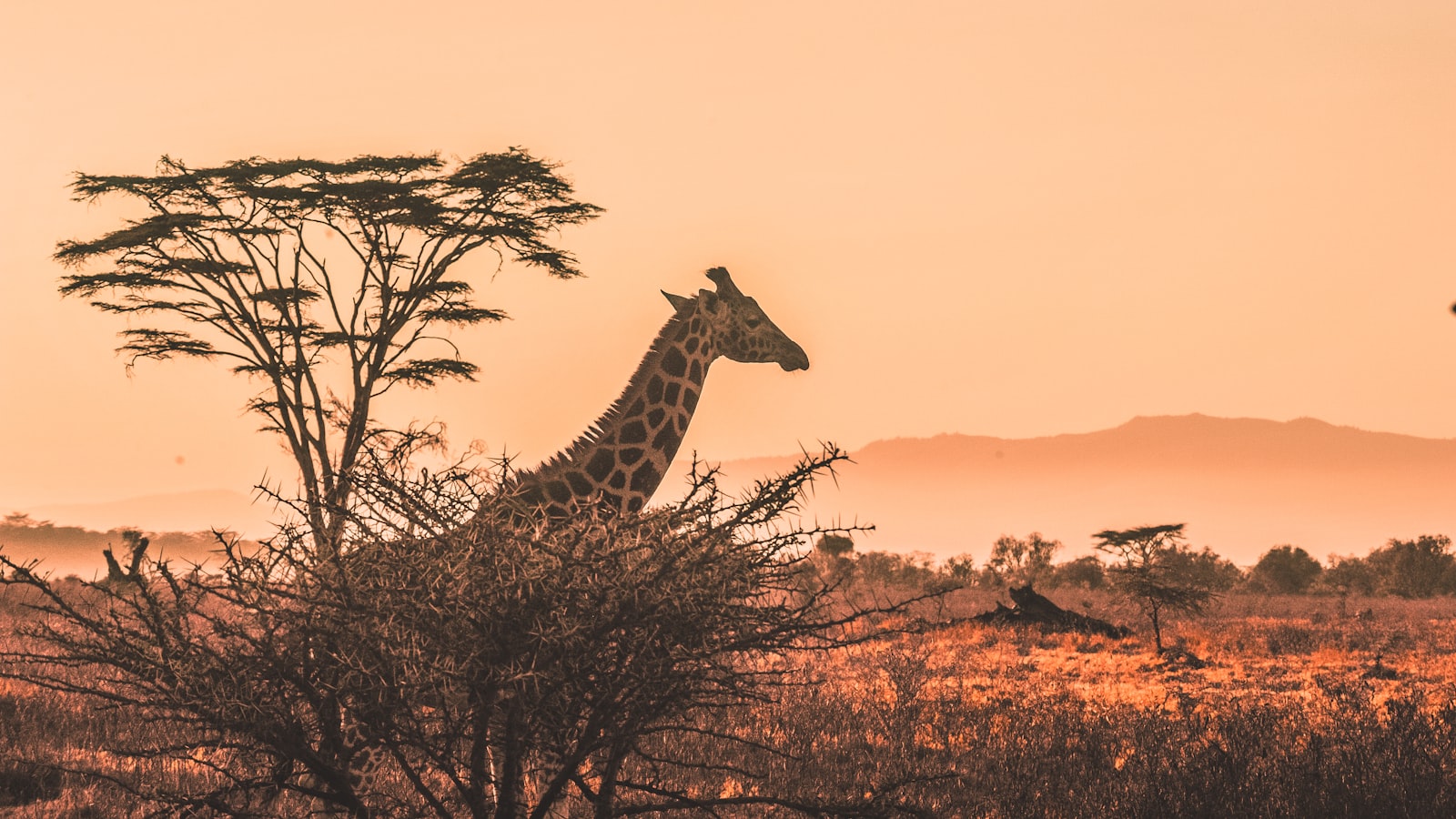
Photo by Harshil Gudka on Unsplash
The reserve's headline attraction is the Samburu Special Five, a quintet of northern, dry-adapted species that are difficult or impossible to see in Kenya's southern parks. Spotting all five is a genuine goal for many visitors and a point of pride for local guides.
Each species is built for an arid life. The endangered Grevy's zebra is the largest wild zebra, with narrow stripes and big rounded ears; northern Kenya holds most of the world's remaining population. The reticulated giraffe wears a striking, sharply defined coat of liver-red patches webbed with white. The gerenuk, or giraffe-necked antelope, stands on its hind legs to browse high branches, while the beisa oryx and the blue-legged Somali ostrich complete the set.
- Grevy's zebra – the largest, most endangered wild zebra
- Reticulated giraffe – bold, net-patterned northern giraffe
- Gerenuk – long-necked antelope that browses upright
- Beisa oryx – grey desert antelope with long straight horns
- Somali ostrich – blue-grey-legged northern ostrich
Elephants, big cats and birdlife
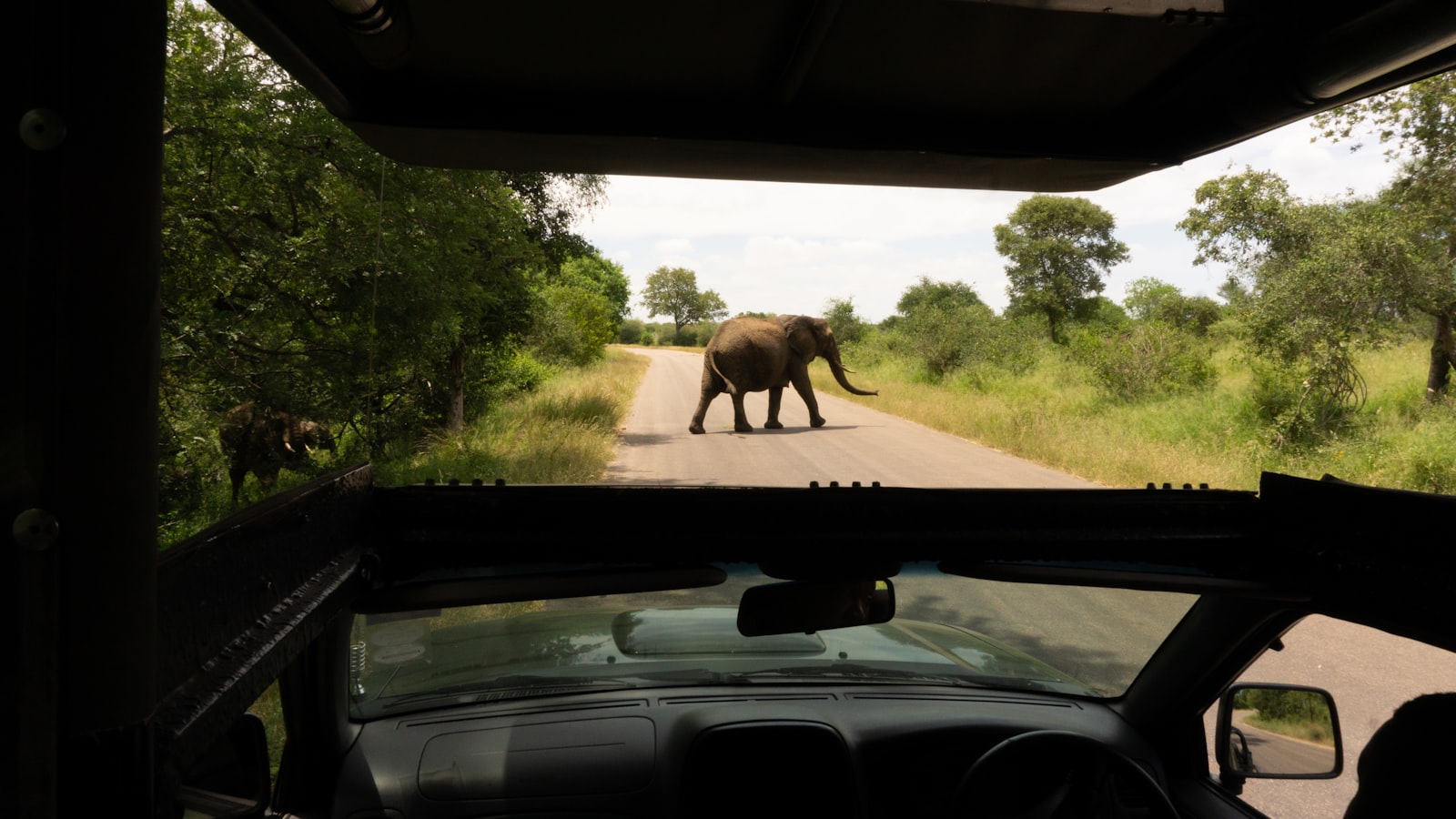
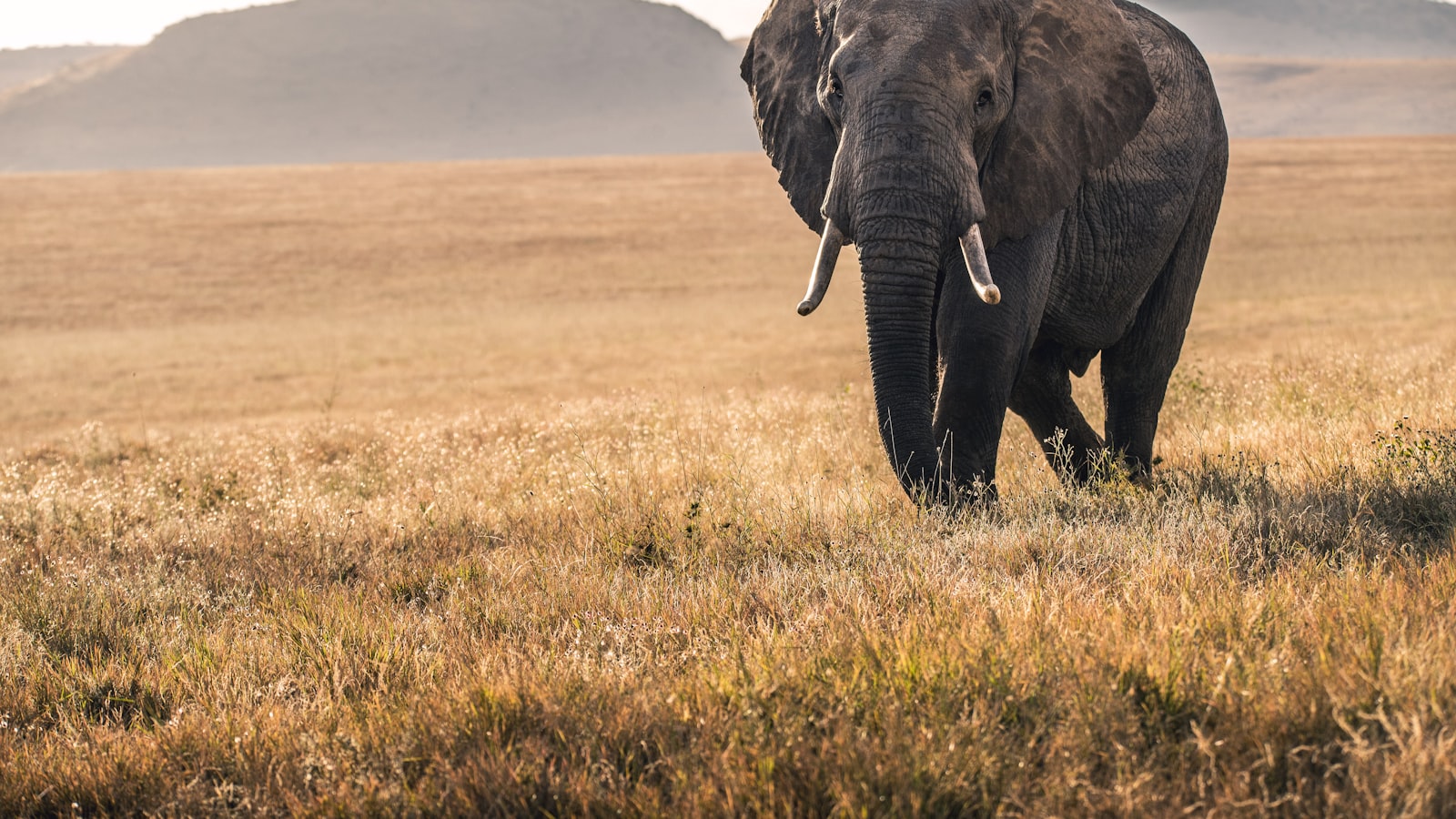
Beyond the Special Five, Samburu is renowned for its elephants. Large family herds drink, bathe and cross the Ewaso Ng'iro, and the reserve is the base for Save the Elephants, the long-running research organisation founded by Iain Douglas-Hamilton in 1993. Years of monitoring mean many of the area's elephants are individually known, and the research camp has helped make Samburu one of the best places in Kenya to watch elephant family life at close quarters.
Predators are present too. Lion prides patrol the riverine fringe, leopards haunt the doum palms and acacia thickets along the water, and the open country suits cheetah, which hunt gazelle and the abundant impala. Sightings take patience in this thicker, drier terrain, but they reward early starts and good local guiding.
The river corridor is a birdwatcher's delight. Vulturine guineafowl stalk the bush in shimmering blue-and-black flocks, while martial eagles, palm-nut vultures, kingfishers, bee-eaters and hornbills work the water's edge. More than 350 bird species have been recorded across the wider ecosystem.
The Samburu people and culture
The reserve takes its name from the Samburu, a semi-nomadic people closely related to the Maasai and speaking a similar Maa language. Traditionally herders of cattle, goats, sheep and camels, they move with their livestock in search of grazing and water, an existence shaped by the same dry landscape that defines the reserve.
Samburu society is known for its striking dress: layered beadwork, ochre-dyed hair among the moran (young warriors), and bright shukas. Many lodges and nearby community conservancies offer respectful cultural visits to a manyatta, where guests can learn about herding life, beadwork and ceremony, with fees supporting local livelihoods.
Community involvement is central to conservation here. The wider Samburu landscape includes a network of community conservancies, where local people manage land for both wildlife and livestock, linking tourism income directly to grassroots stewardship of the north.
Lions, Elsa and Samburu's storytelling legacy
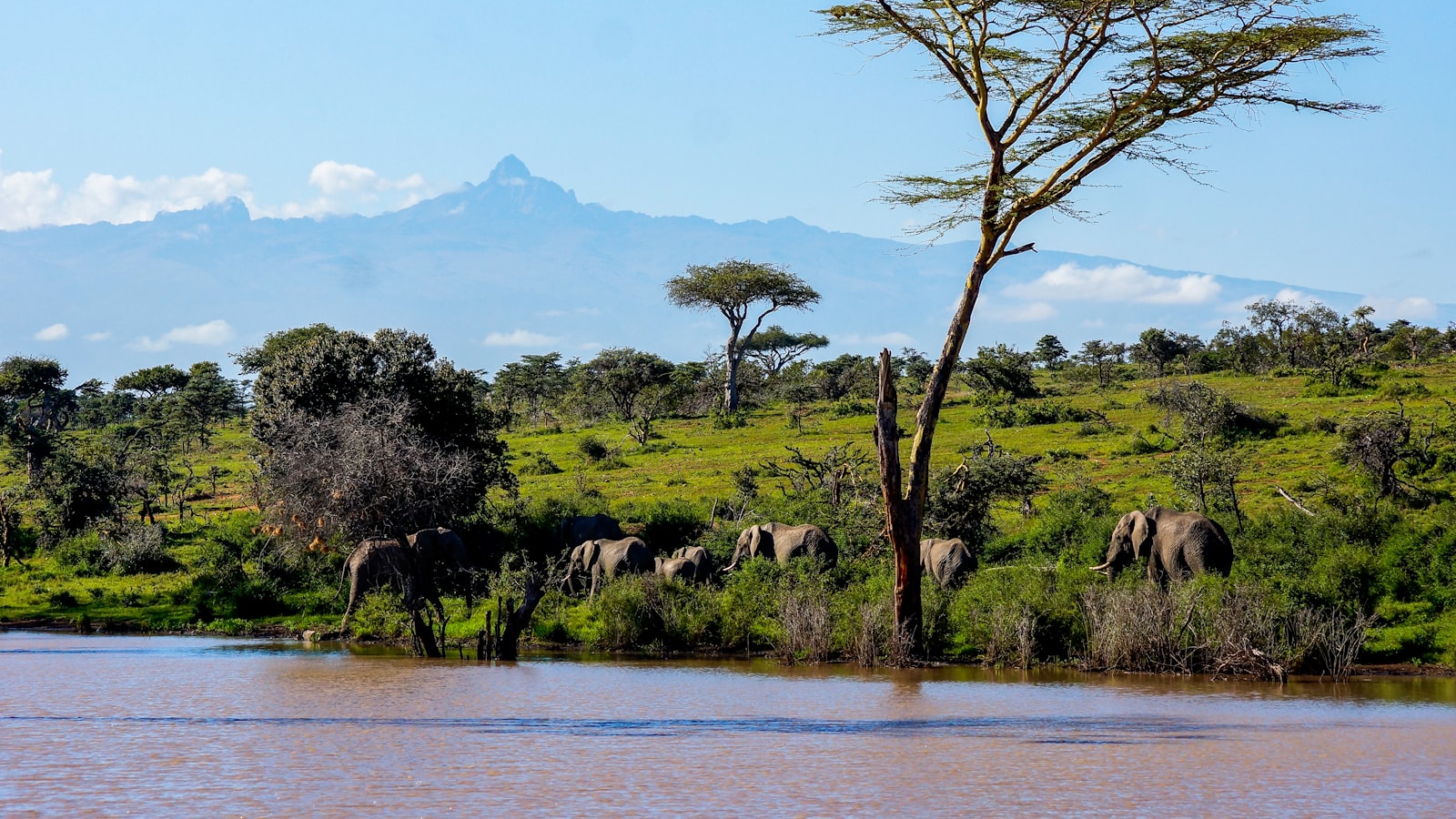
Photo by Leon Pauleikhoff on Unsplash
Northern Kenya has long fed the world's imagination about lions. Just to the east of Samburu, neighbouring Shaba and the Meru region are tied to Joy and George Adamson and the lioness Elsa, made famous by the book and film Born Free. The Adamsons' work raising and releasing orphaned lions helped shape modern ideas about wildlife and rewilding.
Samburu itself produced one of conservation's strangest stories: Kamunyak, a lioness who, in 2002, repeatedly adopted oryx calves rather than eating them, even protecting them from other predators. The episode drew global attention and remains a touchstone for the area's reputation as a place of unusual, almost mythical wildlife encounters.
These stories are part of why a Samburu safari feels different. The landscape is harsh, but it carries a deep human and animal history that lends every game drive an extra layer of meaning.
Things to do in Samburu
Game drives are the core activity, typically in the cooler hours of early morning and late afternoon when wildlife gathers near the river. Many camps focus their drives along the Ewaso Ng'iro, where animals come to drink and big cats lie up in the shade.
River-watching is a pleasure in itself. Lodges set along the banks let guests sit with a drink and watch elephants, crocodiles and birds come and go, while guided walks, cultural visits and sundowners round out the experience. In the broader Laikipia–Samburu landscape, some conservancies add night drives, walking safaris and camel treks rarely permitted inside national parks.
- Morning and afternoon game drives along the river
- River-watching from riverside lodges and camps
- Cultural visits to a Samburu manyatta
- Community conservancy experiences in the wider landscape
- Birdwatching and guided walks where permitted
Best time to visit and getting there
Samburu is rewarding year-round, but the dry seasons of June to October and December to March are best for wildlife viewing. With little water elsewhere, animals concentrate along the Ewaso Ng'iro, vegetation thins and sightings improve. The long rains of roughly April and May, and shorter rains in November, can bring lush scenery, fewer visitors and occasional flooding of river crossings.
Most visitors reach Samburu by road or air. The drive from Nairobi takes around five to six hours via Nanyuki and Isiolo on a generally good tarmac road, often combined with a stop in Laikipia or at the Mount Kenya foothills. Scheduled and charter flights serve airstrips such as Samburu (Buffalo Springs) and Kalama, with short hops from Nairobi's Wilson Airport.
Samburu pairs naturally with other northern destinations. Many itineraries combine it with the conservancies of Laikipia, home to rhino sanctuaries and big-cat conservation, before flying south to the Maasai Mara for the open plains and the Great Migration, giving a contrast between Kenya's wild north and its classic grassland safari.
Frequently Asked Questions
- What are the Samburu Special Five?
- The Special Five are five dry-country species rarely seen in southern Kenya: the endangered Grevy's zebra, the reticulated giraffe, the long-necked gerenuk antelope, the beisa oryx and the Somali ostrich. Spotting all five is a popular goal, and Samburu is one of the most reliable places in Kenya to find them together.
- When is the best time to visit Samburu National Reserve?
- The dry seasons of June to October and December to March offer the best wildlife viewing, as animals concentrate along the Ewaso Ng'iro River and vegetation thins out. The rains around April to May and November bring greener scenery and fewer visitors, but can make some tracks and river crossings difficult.
- How do you get to Samburu from Nairobi?
- By road, Samburu is roughly a five to six hour drive north of Nairobi via Nanyuki and Isiolo on mostly good tarmac. Alternatively, scheduled and charter flights from Nairobi's Wilson Airport reach local airstrips such as Samburu and Kalama in under an hour and a half, often as part of a wider northern circuit.
- Can you see the Big Five in Samburu?
- Not entirely. Samburu has lion, leopard and elephant, but rhino are absent from the reserve itself and buffalo are uncommon in the drier terrain. Many visitors instead focus on the Samburu Special Five, the region's distinctive dry-country species, and combine the reserve with Laikipia conservancies where rhino can be seen.
- Is Samburu good for seeing elephants?
- Yes. Samburu is one of Kenya's finest places to watch elephants, with large family herds gathering at the Ewaso Ng'iro River. It is the base for Save the Elephants, a long-running research project, so many of the area's elephants are individually known and closely studied, adding depth to sightings.
- Who are the Samburu people?
- The Samburu are a semi-nomadic people of northern Kenya, closely related to the Maasai and speaking a similar Maa language. They herd cattle, goats, sheep and camels across the arid landscape and are known for elaborate beadwork and ceremony. Many lodges arrange respectful cultural visits that support local communities.
- Does Samburu pair well with the Maasai Mara?
- Very well. Samburu offers wild, dry northern scenery and unique species, while the Maasai Mara delivers open plains and the Great Migration. Many itineraries combine the two, often with Laikipia in between, flying between regions to enjoy both Kenya's rugged north and its classic grassland safari.