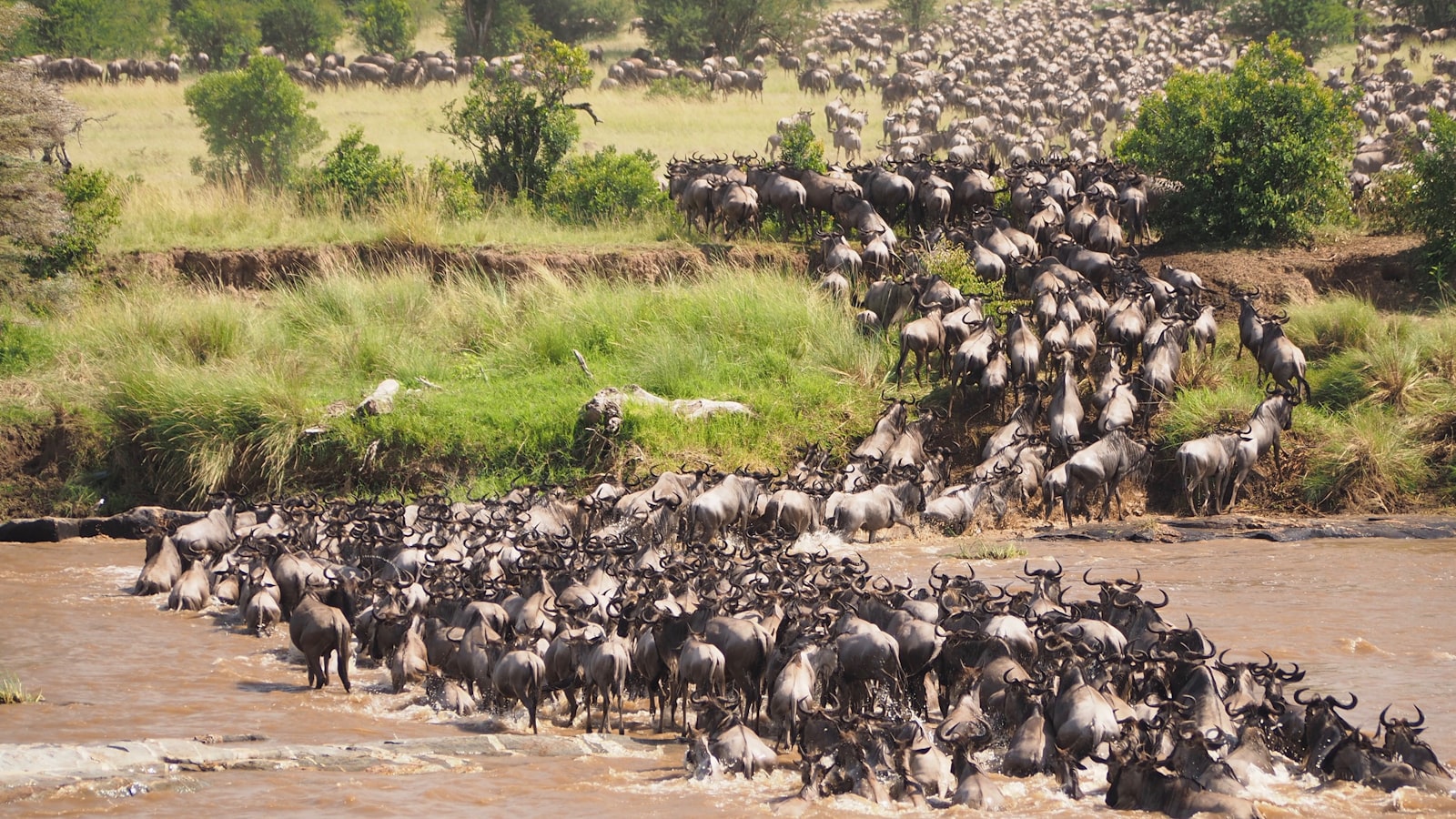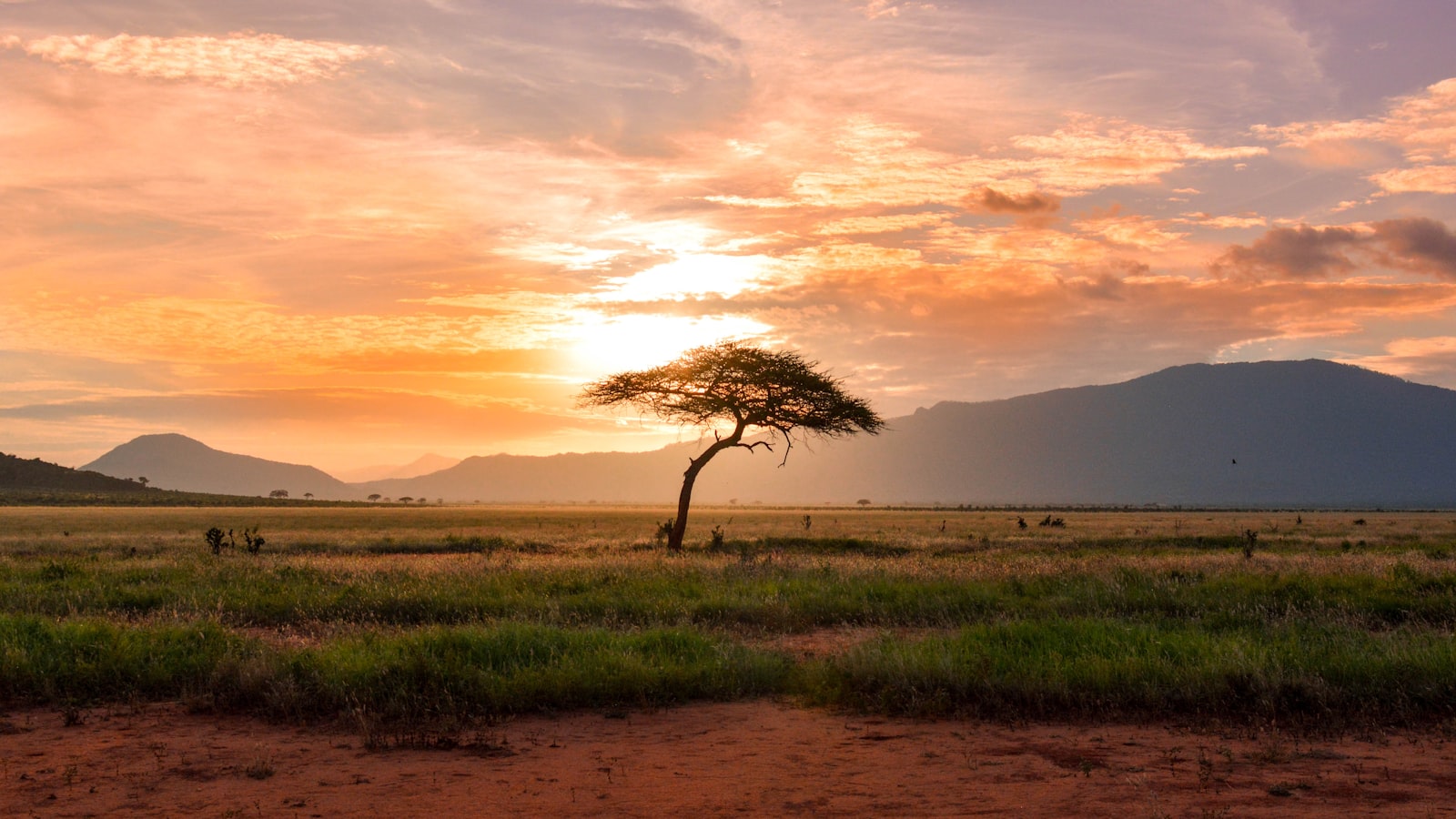
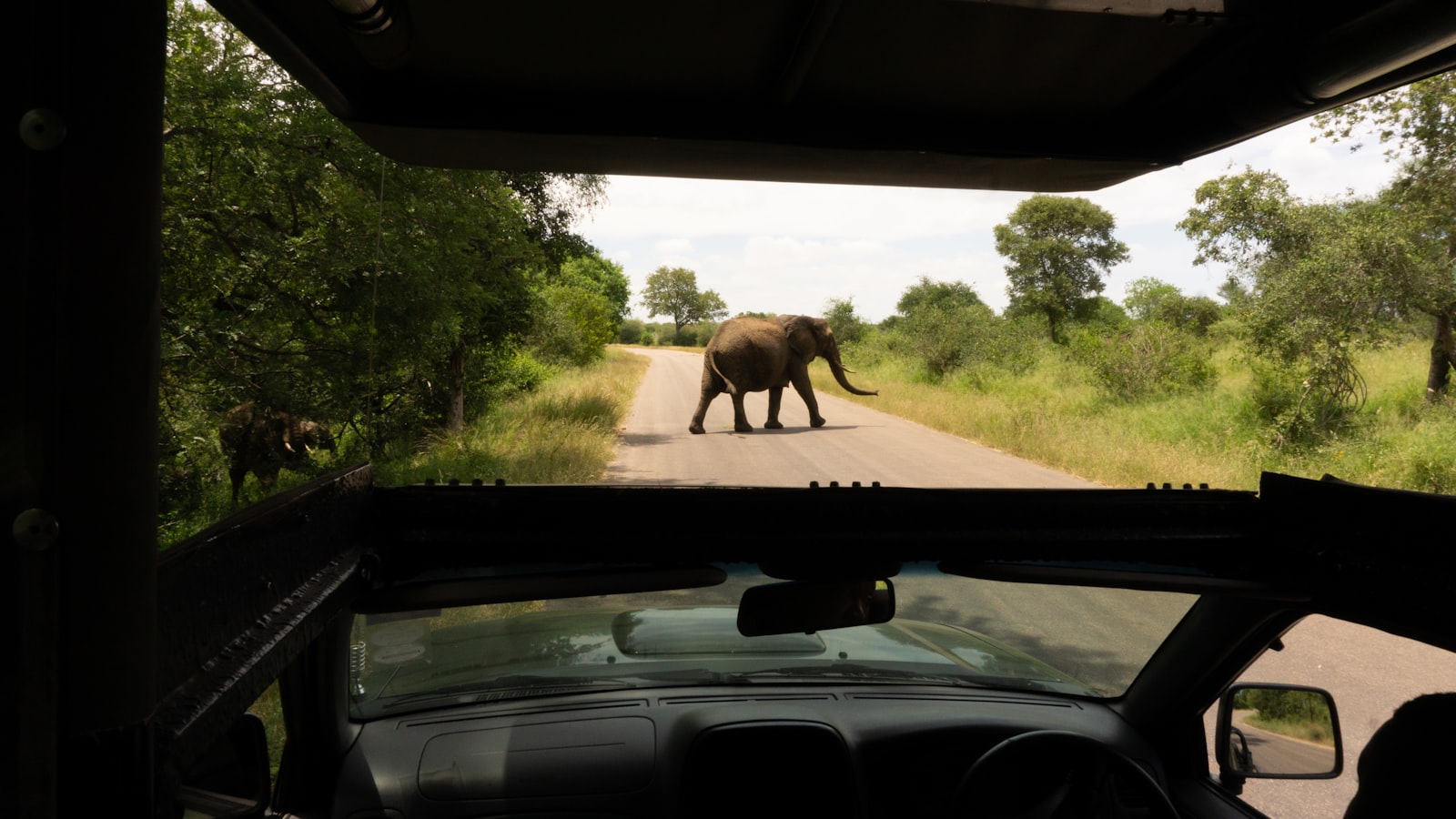
Everything you need to plan a Kruger National Park safari in South Africa, from self-drive routes and rest camps to the private reserves, Big Five sightings and the best season to go.
- Location
- North-east South Africa (Mpumalanga & Limpopo)
- Size
- ~19,485 sq km
- Wildlife
- All of the Big Five, 500+ bird species
- Best time
- Dry winter, May to September
- Getting there
- ~4.5–5 hrs drive from Johannesburg; fly to SZK or KMIA
- Malaria
- Present; take precautions
Kruger National Park is South Africa's flagship wildlife reserve and one of the largest game parks in Africa, covering roughly 19,485 square kilometres of bushveld in the country's north-east. Stretching nearly 360km from the Crocodile River in the south to the Limpopo on the Zimbabwean border, it is about the size of a small country and home to all of the Big Five: lion, leopard, elephant, buffalo and rhino.
What sets Kruger apart is access. A network of tarred and gravel roads, well-run SANParks rest camps and a stable malaria-control programme make it the best-value self-drive safari on the continent. You can rent a normal car in Johannesburg, drive in through a gate and run your own game drives for a fraction of the cost of a guided lodge.
This guide covers how to choose between self-drive and a guided private reserve such as Sabi Sands, when to visit, which gates and camps to use, what it costs, and how to combine the park with the scenic Panorama Route.
Where is Kruger and how do you get there?
Kruger sits in the north-east of South Africa, spanning the provinces of Mpumalanga and Limpopo and bordering Mozambique to the east and Zimbabwe to the north. Most visitors approach from the southern and central sections, which are closest to Johannesburg and hold the densest game populations.
Driving is the standard option. From Johannesburg or Pretoria it is roughly 4.5 to 5 hours on good roads (the N4 toll route) to the southern gates around Nelspruit (Mbombela). The drive is straightforward in a standard hire car, and self-drivers often break the journey overnight near the park.
If you would rather fly, two airports serve the area. Kruger Mpumalanga International (KMIA, code MQP) near Nelspruit handles the most flights from Johannesburg and Cape Town and is about an hour from the southern gates. Skukuza Airport (SZK) sits inside the park itself near its largest camp, ideal if you want to land and start a safari the same day.
- Paul Kruger Gate – nearest to Skukuza, the park's main camp
- Phabeni Gate – quick access from Hazyview and the Panorama Route
- Numbi Gate – southern entry near Hazyview
- Malelane Gate – far south, just off the N4 from Johannesburg
- Orpen Gate – central Kruger and the gateway to the Timbavati reserves
Self-drive Kruger versus a guided private reserve
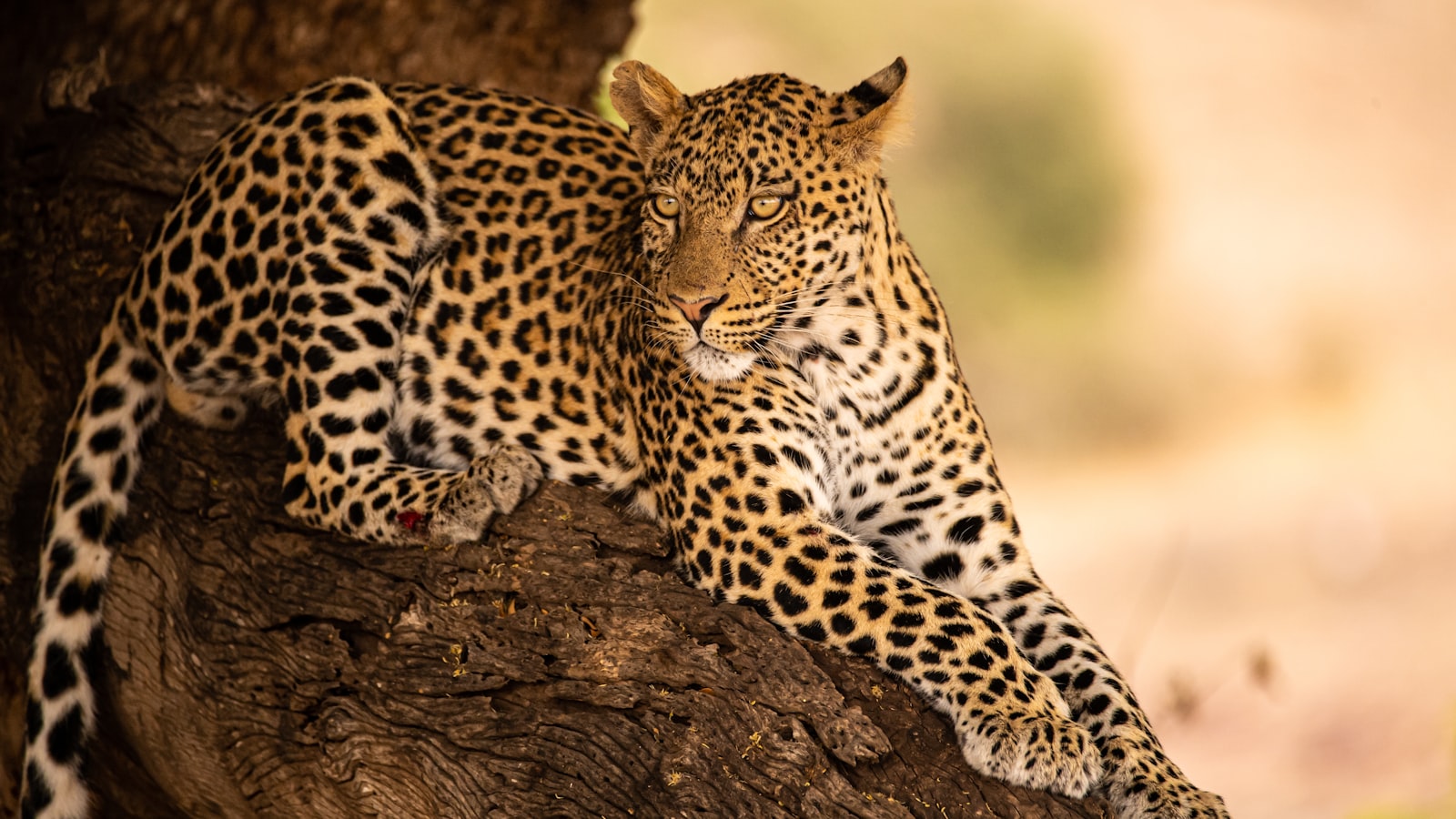
Photo by Birger Strahl on Unsplash
The biggest decision is whether to self-drive in the national park or book a guided lodge in one of the adjoining private reserves. Both share the same unfenced ecosystem, so the animals move freely between them, but the experience and price differ sharply.
Self-drive Kruger is independent and affordable. You set your own pace, stay in SANParks rest camps, and explore a vast road network in your own vehicle. The trade-off is that you must stay on the roads, you cannot drive off-road to a sighting, and finding shy animals like leopard takes patience and luck. Guided sunrise and night drives can be booked through the camps to add expert eyes and access to areas you cannot self-drive.
The private reserves on Kruger's western boundary – Sabi Sands, Timbavati, Manyeleti and others – sell an all-inclusive, guided experience. Rangers in open vehicles can drive off-road right up to wildlife, run night drives with spotlights, and radio between vehicles, which dramatically raises your odds of close leopard and big-cat sightings. Sabi Sands in particular is famous for relaxed, habituated leopards.
When is the best time to visit Kruger?
The dry winter months from May to September are widely considered the best time for game viewing. Rainfall is minimal, the bush thins out and grass dies back, so animals are easier to spot and they gather around the remaining waterholes and rivers. Days are mild and sunny, though early morning drives can be cold, so pack warm layers.
The green summer season from October to March is the wet, hot half of the year. Thunderstorms bring lush vegetation, migrant birds arrive and many animals give birth, so it is a rewarding time for birders and photographers. The downside is that thick foliage and dispersed water make general game viewing harder, and midday heat and humidity can be intense.
School holidays in December, Easter and the South African winter break drive up demand. Popular rest camps and private lodges can book out months ahead for these periods, so reserve early if your dates are fixed.
Rest camps and lodges for every budget
Accommodation inside the national park is run by SANParks and is excellent value. The main rest camps are fenced, with a range of options from campsites and basic safari tents to self-catering bungalows and family cottages, plus shops, restaurants, fuel and swimming pools at the larger ones.
Skukuza is the biggest and busiest, effectively the park's capital, with a full range of services. Other popular camps include Lower Sabie, beautifully set on a river in a game-rich area; Satara in the central plains, known for lion and cheetah country; Olifants, perched on a cliff with sweeping river views; and Berg-en-Dal near Malelane. Smaller bushveld camps and satellite camps offer quieter, more remote stays.
At the luxury end, the private reserves and a handful of concessions inside Kruger run all-inclusive lodges where rates cover accommodation, meals and twice-daily guided drives. These typically run from a few hundred US dollars per person per night into the thousands at the most exclusive Sabi Sands properties, while SANParks self-catering accommodation can cost well under USD 100 per unit for budget travellers.
Entry fees, the Wild Card and conservation costs
Day visitors and overnight guests pay a daily conservation fee per person to enter Kruger, charged for each day or part-day you are inside the park. International visitors pay a higher rate than South African residents and SADC nationals, so budget for this on top of accommodation.
If you plan to spend many days in Kruger or visit several South African parks in a year, the SANParks Wild Card can pay for itself. It grants unlimited entry to participating parks for 12 months, with separate tariffs for international visitors, SADC residents and locals. For a long Kruger trip or a multi-park itinerary, do the maths before you travel.
Always confirm the current fees on the official SANParks website before booking, as conservation fees and accommodation rates are reviewed annually and quoted in South African rand, so the US dollar equivalent shifts with the exchange rate.
Practical self-drive tips and safety
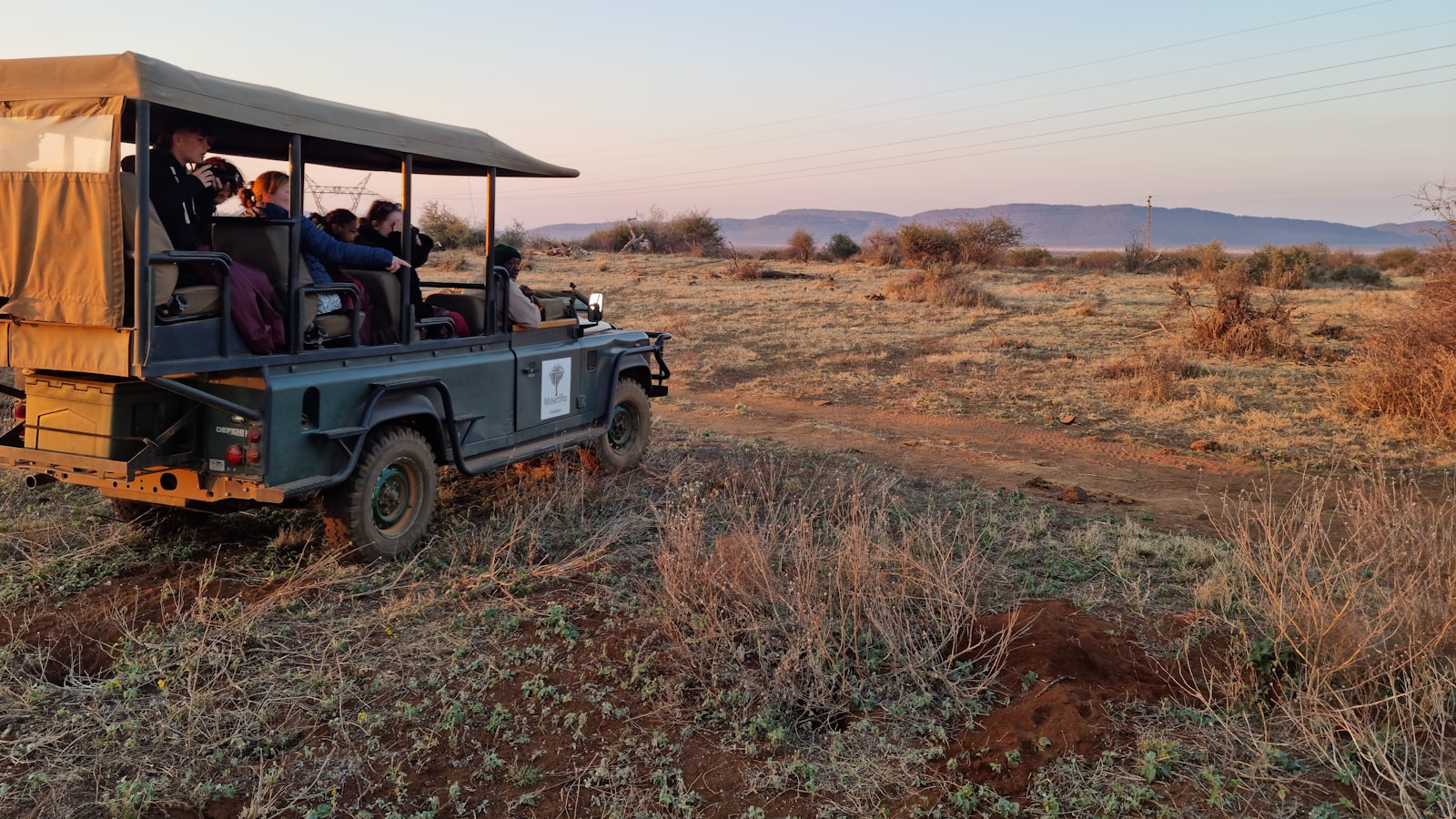
Photo by Claire Roadley on Unsplash
Self-driving Kruger is safe and easy if you follow the rules. Speed limits are strictly enforced – generally 50km/h on tarred roads and 40km/h on gravel – and they exist as much for the animals as for you. Distances are deceptive, so plan routes that get you back to camp before gates close.
Gate and camp times are non-negotiable and change with the season; in midwinter camps open around 06:00 and close near 17:30, with longer hours in summer. Being late back to camp incurs a fine, so always check the posted times. Fill up with fuel whenever you can, carry water and snacks, and never leave your vehicle except at designated rest stops, picnic sites and hides – predators are present everywhere.
Kruger lies in a malaria area, with the highest risk in the wet summer months. Speak to a travel clinic about antimalarial prophylaxis before you go, use repellent, cover up at dusk and dawn, and sleep under nets or in screened rooms. Risk is lower in the dry winter but precautions are still sensible.
- Book rest camps and popular lodges months ahead for school holidays
- Download the official SANParks maps and check current gate times
- Keep to speed limits and stay in your vehicle at all times
- Carry cash and a card for fees, fuel and camp shops
- Pack binoculars, warm layers for winter mornings and sun protection
Combining Kruger with the Panorama Route
Most visitors driving from Johannesburg pass close to the Panorama Route, a scenic stretch of the Drakensberg escarpment in Mpumalanga that pairs naturally with a Kruger safari. It is an easy add-on of one or two days before or after the park.
Highlights include the Blyde River Canyon, one of the largest green canyons in the world; God's Window, with its sweeping views over the lowveld towards Kruger; Bourke's Luck Potholes; and the historic gold-rush town of Pilgrim's Rest. Hazyview and Graskop make convenient bases, both within easy reach of the western Kruger gates.
A classic self-drive itinerary runs Johannesburg to the Panorama Route, then into Kruger via Phabeni or Numbi gate, spending several nights in the rest camps before looping back. Add Cape Town and the Garden Route by air and you have a comprehensive South African trip.
Frequently Asked Questions
- Can you see the Big Five in Kruger?
- Yes. Kruger is one of the few reserves in Africa where you can see all of the Big Five – lion, leopard, elephant, buffalo and rhino. Lion, elephant and buffalo are common on self-drives, while leopard and rhino take more patience. The southern and central sections generally offer the densest game and the best overall chances of a full Big Five sighting.
- Is Kruger good for a self-drive safari?
- Kruger is arguably the best self-drive safari destination in Africa. A large network of tarred and gravel roads, clear signage, well-run SANParks rest camps and a low daily entry fee let you run your own game drives in a normal hire car. You set the pace and budget, though you must stay on the roads and obey speed limits and gate times.
- Kruger or Sabi Sands – which should I choose?
- Choose Kruger self-drive for independence and value, and Sabi Sands or another private reserve for guided luxury and closer wildlife. The reserves share Kruger's unfenced ecosystem but allow off-road driving, night drives and expert guiding, which greatly improves leopard and big-cat sightings. Many visitors combine a few self-drive nights with one or two nights at a private lodge.
- Do I need a malaria precaution for Kruger?
- Kruger is a malaria area, with the highest risk during the wet summer (October to April). Consult a travel clinic about antimalarial tablets before you travel, use insect repellent, wear long sleeves at dawn and dusk, and sleep under nets or in screened rooms. Risk is lower in the dry winter months but basic precautions remain sensible.
- How many days do you need in Kruger?
- Three to four nights is a good minimum, giving you several full days to explore different sections and improve your chances of a complete Big Five sighting. A week or more lets you cover the southern, central and northern regions at a relaxed pace. Even a two-night visit is worthwhile if it is all your itinerary allows.
- What is the best time of year to visit Kruger?
- The dry winter from May to September is best for game viewing, as thinning bush and shrinking waterholes concentrate animals and make them easier to spot. The green summer from October to March brings lush scenery, newborn animals and migrant birds, but thicker vegetation makes general wildlife harder to find and the heat can be intense.