A practical guide to Mana Pools National Park in Zimbabwe: walking safaris, Zambezi canoe trips, famous elephants and painted dogs, plus the best time to visit and how to get there.
- Location
- Northern Zimbabwe, Zambezi River
- Status
- UNESCO World Heritage Site
- Open season
- Roughly April/May to October/November
- Best time
- August to October (late dry season)
- Signature activities
- Walking, canoeing, game drives
- Key wildlife
- Elephant, lion, painted dogs
Mana Pools National Park is a remote UNESCO World Heritage Site on the southern bank of the Zambezi River in far northern Zimbabwe, and one of Africa's last great wilderness safaris. The name comes from the Shona word for four, a reference to the four large pools left behind by the river's old channels on the broad floodplain below the Zambian escarpment.
What sets Mana Pools apart is intimacy and self-reliance. It is one of the few African parks that historically allowed visitors to walk unguided, and it remains the continent's premier walking and canoeing destination. You can drift the Zambezi past pods of hippo and herds of elephant, or track game on foot with an expert guide reading tracks in the sand.
This guide covers the signature activities, the famous wildlife, the strong dry-season rhythm, the best months to come, how to reach the park and where to stay.
Where is Mana Pools and what makes it special?
Mana Pools sits in the Zambezi Valley in northern Zimbabwe, opposite Zambia's Lower Zambezi National Park, which faces it across the river. The core of the park is a wide alluvial floodplain shaded by towering winterthorn (Faidherbia albida) trees, backed by jesse bush and the distant blue line of the escarpment. The four namesake pools are former channels of the Zambezi.
The park was inscribed by UNESCO in 1984 as part of the Mana Pools, Sapi and Chewore Safari Areas, recognised for its wild Zambezi riverscape and dense seasonal wildlife. There are few roads, little development and no fences. The combination of river, floodplain and quiet makes it feel genuinely remote.
Crucially, Mana Pools built its reputation on walking. For decades it allowed experienced visitors to explore on foot at their own risk, an almost unique freedom in African parks, and that culture of intimate, ground-level wildlife encounters still defines the experience today.
Walking safaris: the Mana Pools signature
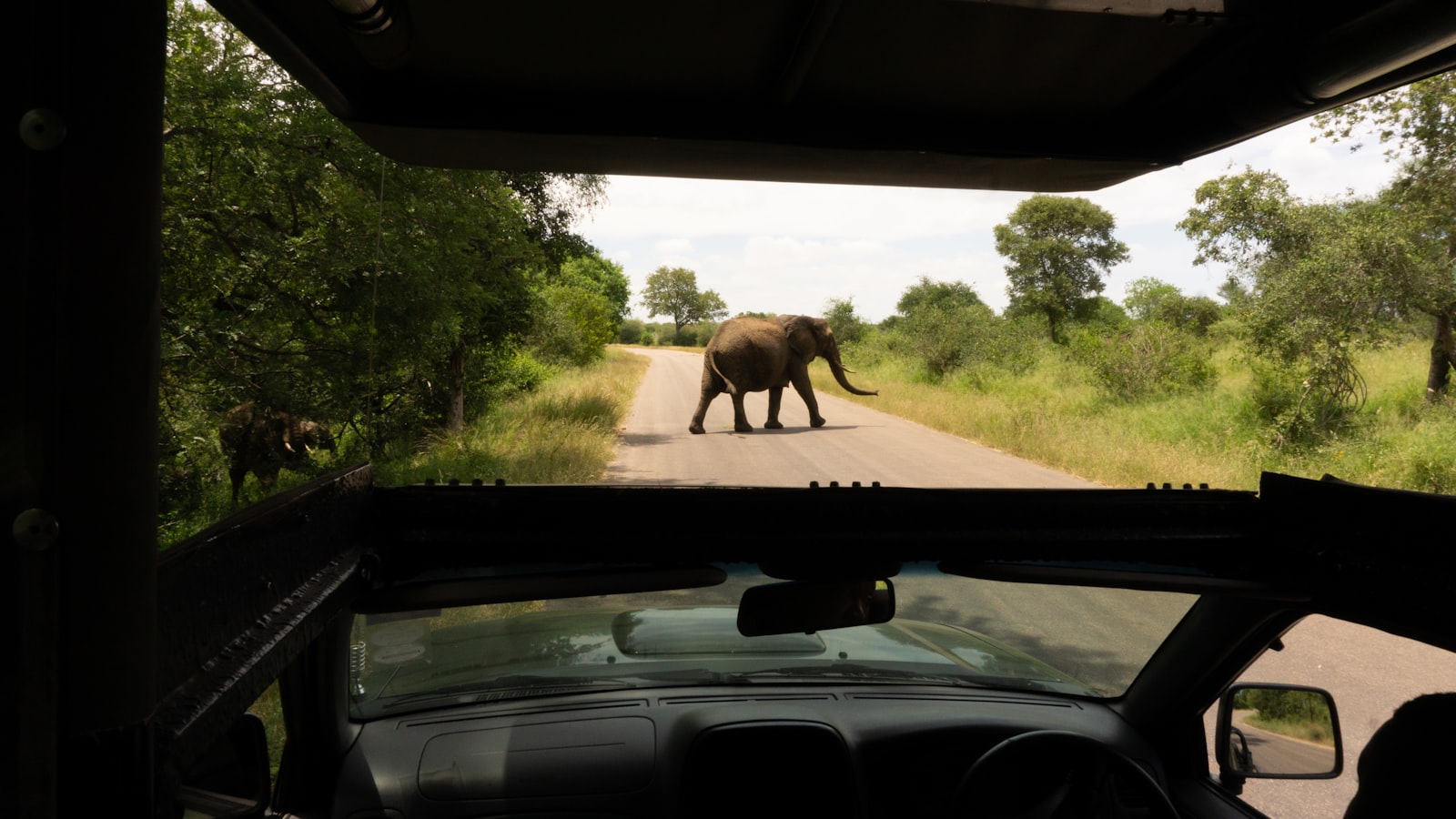
A walking safari is the classic Mana Pools experience. On foot you notice what a vehicle misses: tracks, dung, birdsong, the tension before a predator moves. The open floodplain and clear understorey beneath the winterthorns make it one of the best places in Africa to approach elephant and other game safely on foot.
Guiding standards in Zimbabwe are exceptional. The country's professional guide qualification is famously rigorous and takes years to complete, and a top Mana Pools guide can read a situation, position you correctly and keep encounters calm. This is why your choice of guide and operator matters more than almost anything else.
Self-guided walking is still permitted in parts of the park for those who accept the risk, but it is not for the inexperienced. Whether guided or alone, the rules are simple: stay alert, keep your distance, never come between animals and water, and treat every elephant, buffalo and lion with respect.
Canoe safaris on the Zambezi
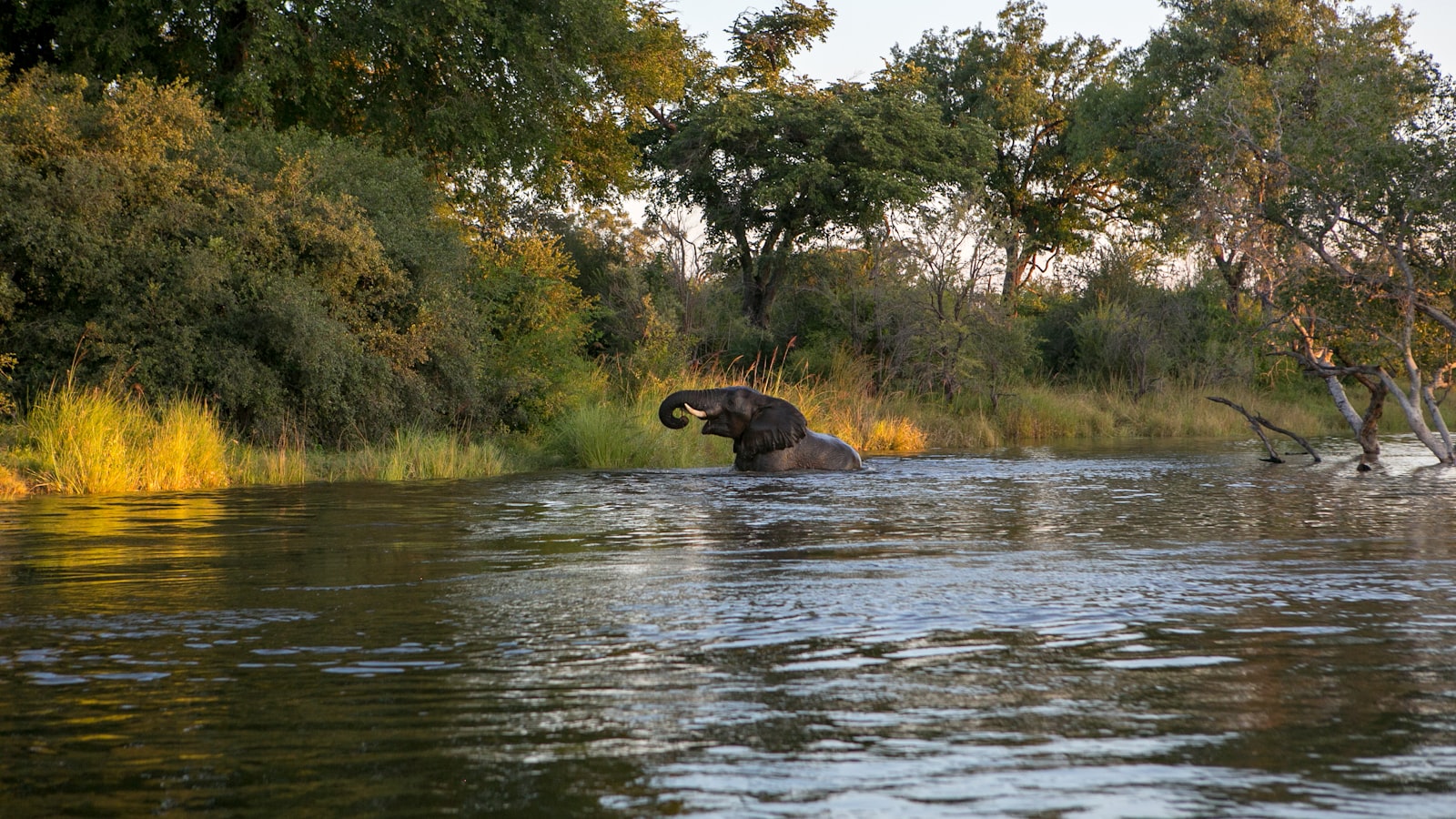
Photo by Nicole Olwagen on Unsplash
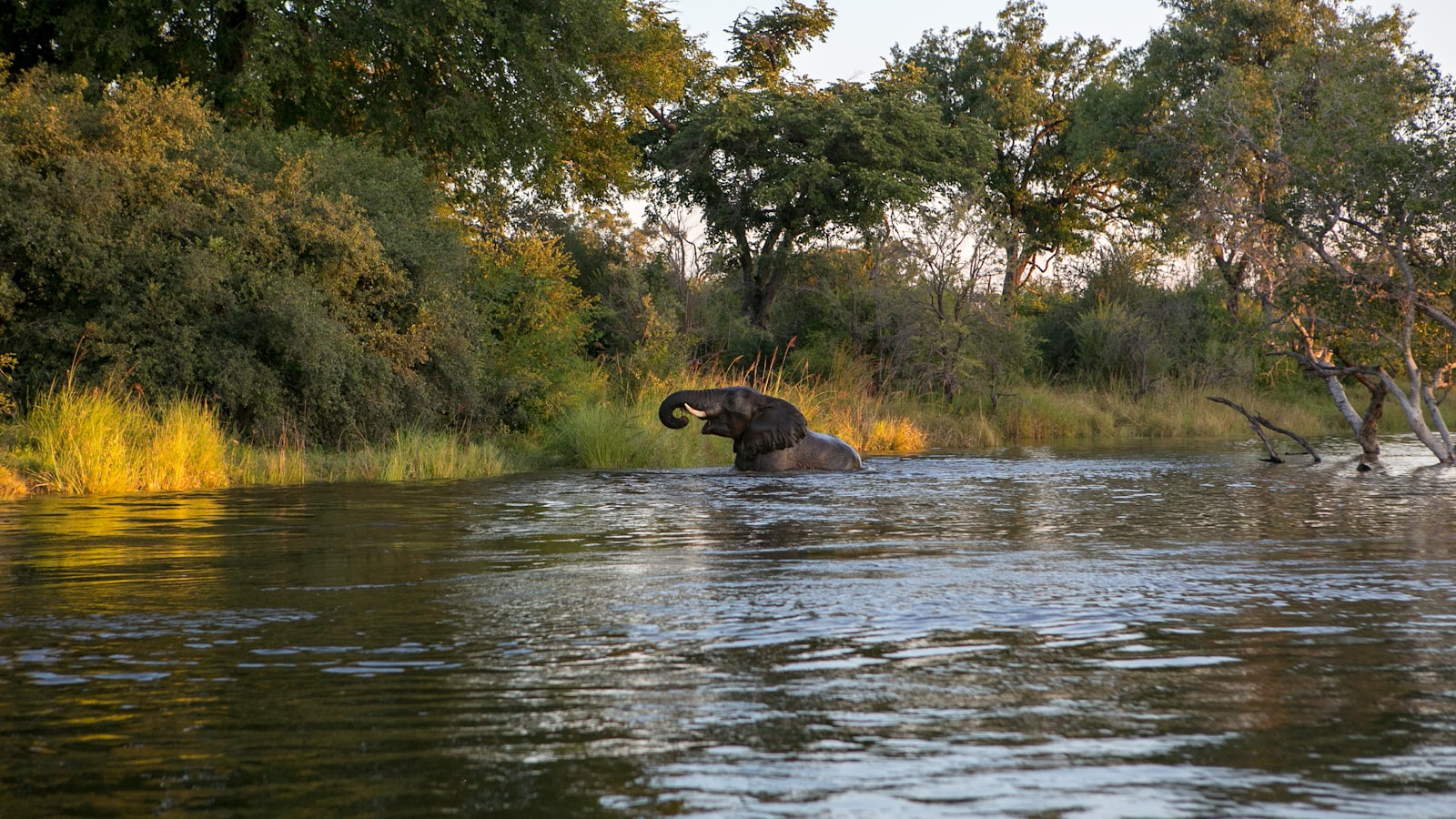
Canoeing the Zambezi is the other great Mana Pools activity, and a wonderful counterpoint to walking. Trips run in stable two-person Canadian-style canoes, gliding downstream past hippo pods, basking crocodiles and elephants crossing between islands, with the escarpment glowing at sunset.
Canoe safaris range from short half-day paddles based at a single camp to multi-day point-to-point expeditions of two to four nights, sleeping at fly-camps or simple riverside sites along the way. Longer trips often run through the Mana, Sapi and Chewore stretches downstream. A skilled river guide is essential for steering clear of hippos and reading the current.
Bring a hat, high-factor sun cream and a dry bag; the sun on open water is fierce. Fishing enthusiasts can also try catch-and-release tiger fishing, with the hard-fighting tigerfish a prized quarry on the Zambezi.
The wildlife: elephants, lions and painted dogs
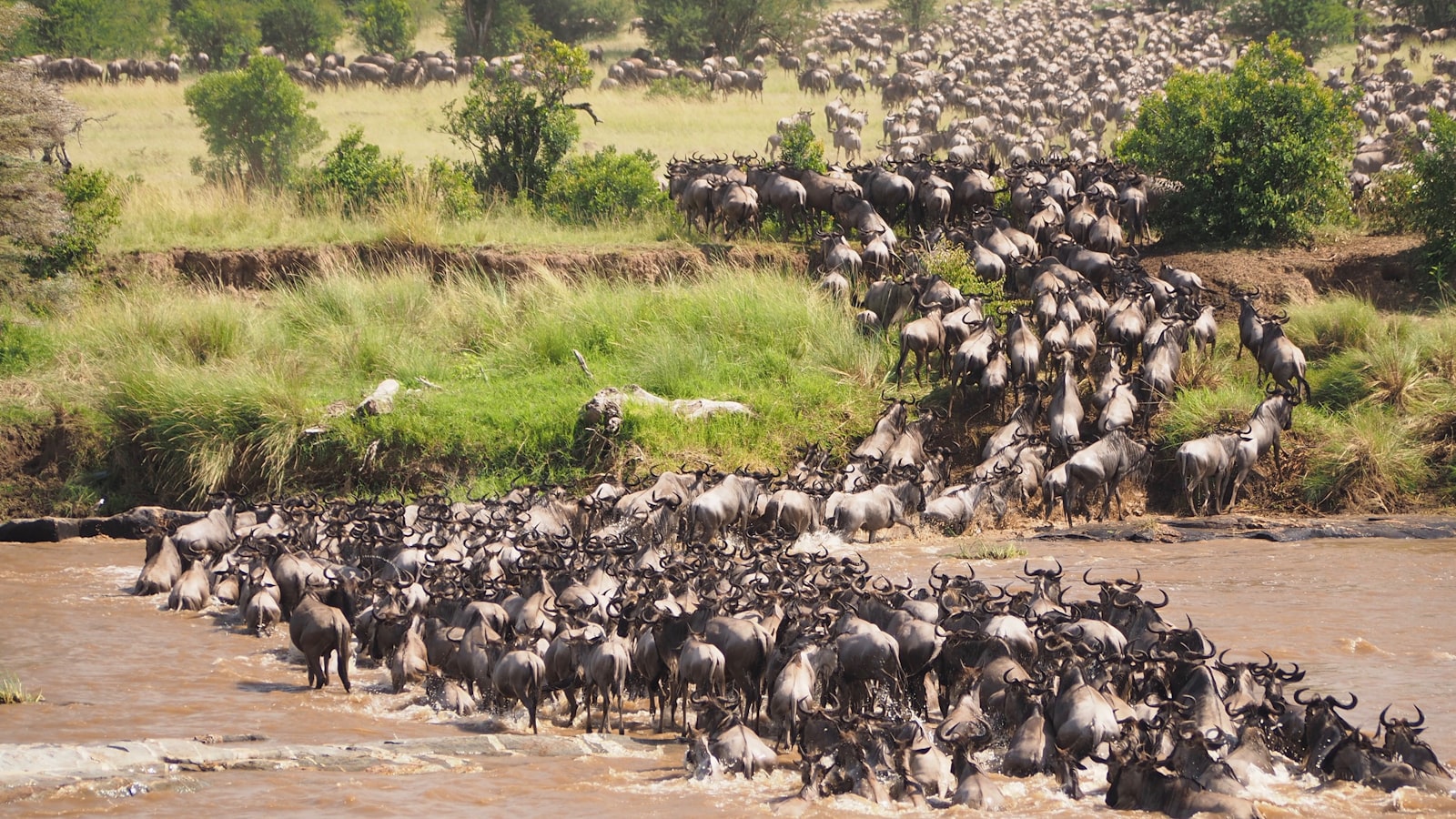
In the dry season the shrinking floodplain draws spectacular concentrations of animals to the river. Large herds of elephant and buffalo gather, with strong lion prides and good numbers of leopard, hippo and crocodile. Plains game includes eland, kudu, zebra, impala and waterbuck.
Mana Pools became famous for elephants that rear up on their hind legs to reach the high seed pods of the winterthorn trees, a learned behaviour made iconic by a bull known as Boswell. Several individuals have continued the trick, and watching a six-tonne elephant balance upright is unforgettable.
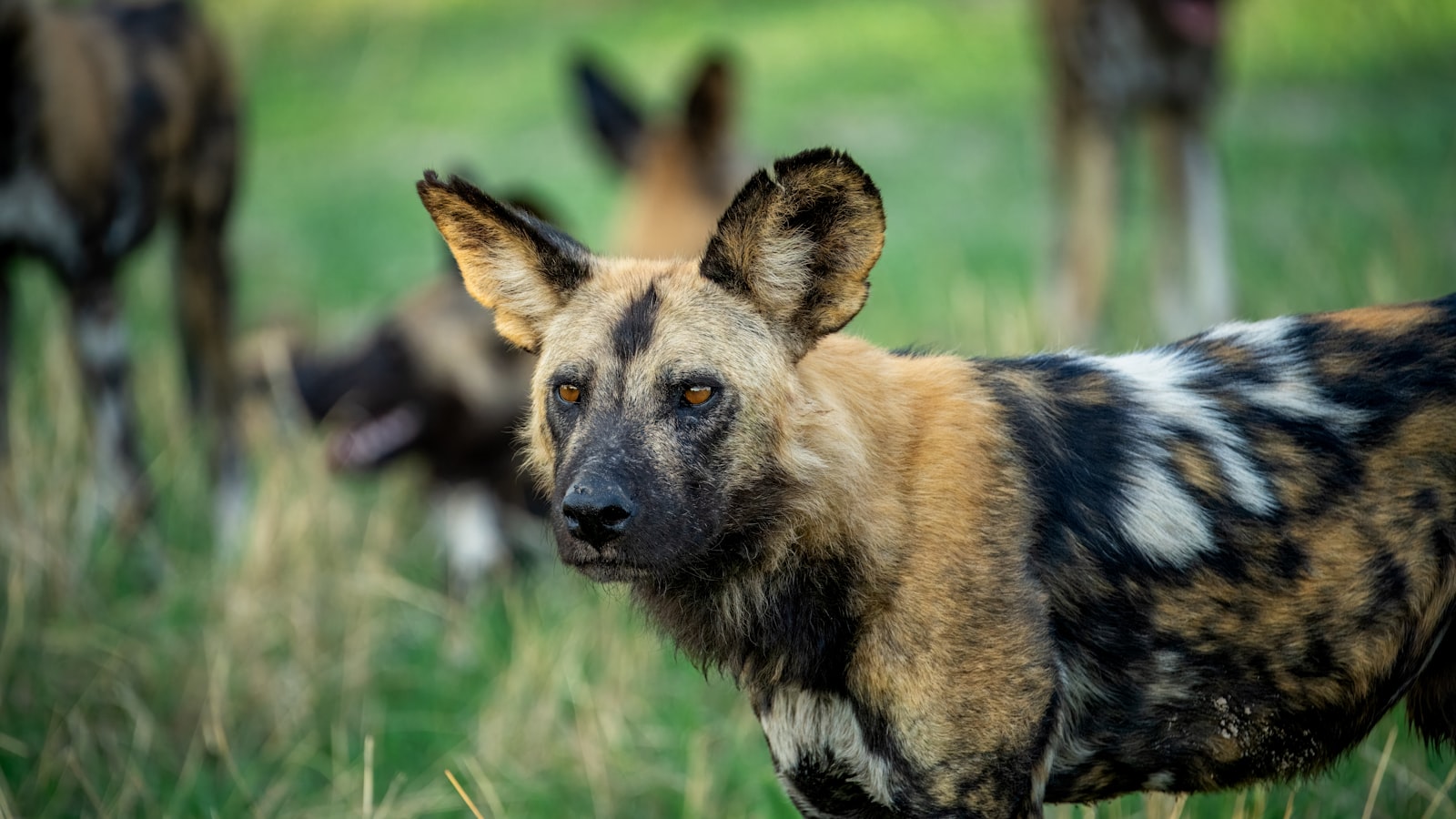
Above all, Mana Pools is a stronghold for the endangered African wild dog, also called the painted dog. These efficient pack hunters den in the area and are seen with real regularity, making the park one of the best places on the continent to watch them hunt and raise pups.
- Elephant, including pod-reaching bulls on the floodplain
- Big lion prides and resident leopard
- Endangered painted dogs (African wild dogs)
- Buffalo, hippo and large Nile crocodile
- Eland, kudu, zebra, impala and waterbuck
When is the best time to visit Mana Pools?
Mana Pools is firmly a dry-season park. Most camps open from around April or May and close in October or November, when the first rains arrive and the floodplain becomes impassable. During the wet season, roughly November to March, much of the park is inaccessible and the wildlife disperses.
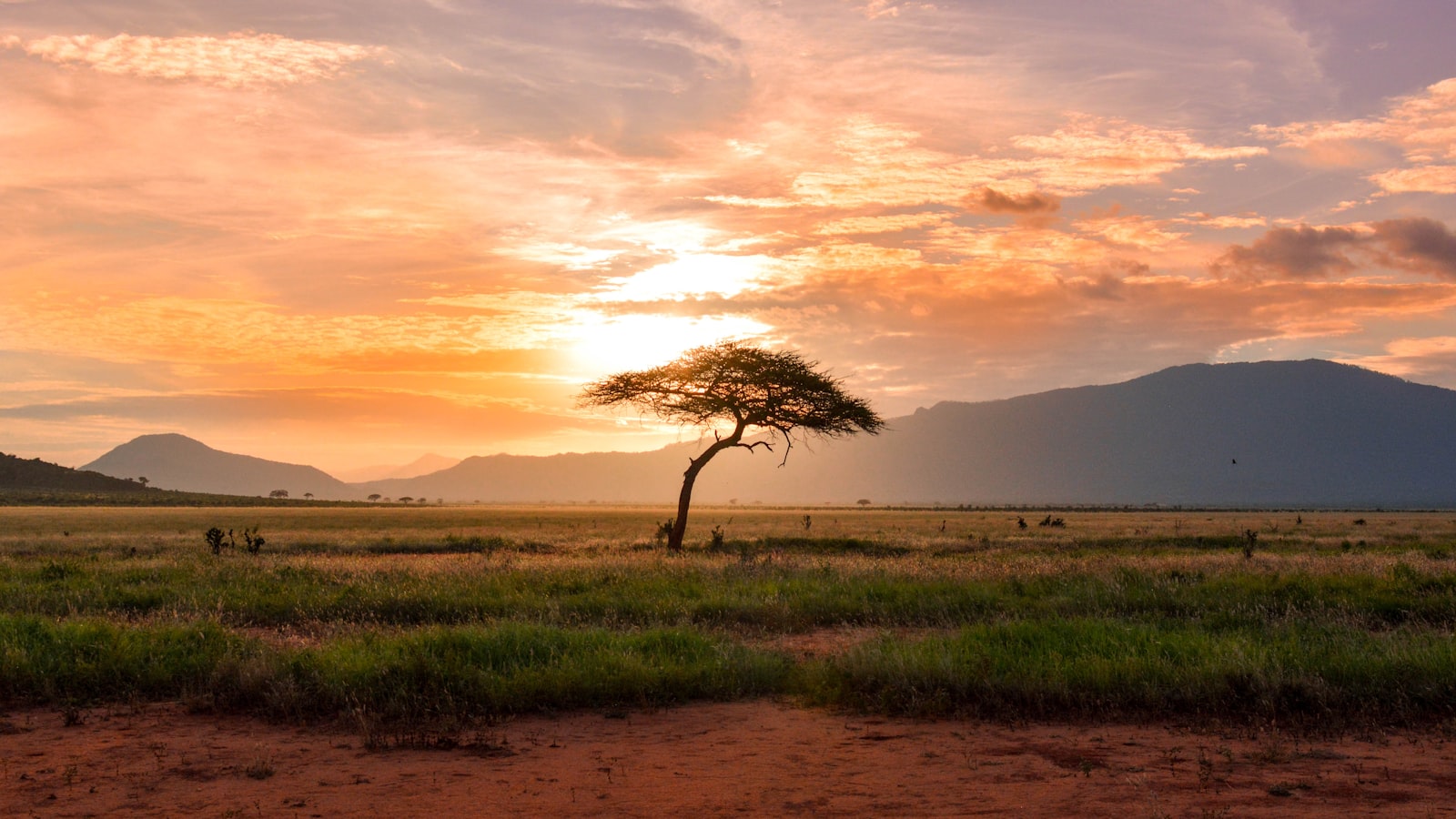
The late dry season, from August to October, is the peak window. As surface water vanishes inland, animals concentrate on the shrinking floodplain and along the river, and the bare winterthorns create the dusty golden light Mana Pools is famous for. October is the most dramatic month for game but also the hottest, with daytime temperatures regularly soaring well above the mid-30s Celsius.
Earlier in the season, May to July, the bush is greener, nights are cooler and the park is quieter, with comfortable walking conditions. If your priority is sheer density of animals and predator action, aim for September and October and prepare for the heat.
Getting there and access permits
Most visitors fly in by light aircraft to one of the park's bush airstrips, such as Mana Main, with scheduled and charter flights connecting from Victoria Falls, Harare and Kariba. Flying saves a long, rough overland journey and is the standard option for fly-in camps.
Driving is possible but demanding. The route runs via the Makuti and Marongora area, where you obtain park entry, then descends the escarpment on a rough track to the floodplain. A high-clearance 4x4 is essential, and self-drivers must arrange entry permits in advance, as numbers in the park are controlled.
Whatever your approach, plan well ahead. The park caps visitor numbers, popular camps and public sites book out months in advance for the peak window, and there are no shops, fuel or reliable connectivity inside, so arrive fully self-sufficient.
Where to stay: camps, concessions and camping
Accommodation ranges from exclusive private concessions to no-frills public campsites, so Mana Pools suits both high-end fly-in guests and self-sufficient overlanders. Remote tented camps and lodges along the river and in the surrounding concessions offer guided walking, canoeing and game drives, typically on all-inclusive rates.
For independent travellers, the national parks campsites, including the main site at Nyamepi near the park headquarters, offer riverside pitches at a fraction of the cost, along with a handful of exclusive-use bush sites. Facilities are basic, so you must bring tents, water, food and fuel.
Expect lodge and camp rates to vary widely; mid-range to premium safari camps commonly fall into the several-hundred US dollars per person per night bracket, with luxury and fly-in packages costing considerably more, while public camping is dramatically cheaper. Always confirm current rates, park fees and what is included when booking.
Frequently Asked Questions
- Is Mana Pools safe for walking safaris?
- Walking is the heart of Mana Pools and is safe when done sensibly. The biggest factor is your guide: Zimbabwe's professional guides are exceptionally well trained. Keep your distance, stay calm and follow instructions around elephant, buffalo and lion. Self-guided walking is allowed in parts of the park but only suits genuinely experienced visitors.
- When is the best time to visit Mana Pools National Park?
- The dry season from April or May to October or November is the only practical time, as the park largely closes in the rains. The late dry season, August to October, is peak, with animals concentrated on the floodplain. October offers the most dramatic game viewing but is extremely hot, often well above the mid-30s Celsius.
- Can you see wild dogs in Mana Pools?
- Yes. Mana Pools is one of Africa's best places to see endangered African wild dogs, also called painted dogs. Packs den in and around the park and are encountered with real regularity, particularly in the dry season. Sightings are never guaranteed, but few parks offer better odds of watching them hunt and raise pups.
- How do you get to Mana Pools?
- Most visitors fly in by light aircraft to airstrips such as Mana Main, with flights from Victoria Falls, Harare and Kariba. Driving is possible in a high-clearance 4x4 via the Makuti and Marongora area, descending the escarpment to the floodplain. Entry permits must be arranged in advance because visitor numbers are capped.
- What are the famous Mana Pools elephants?
- Mana Pools is known for bull elephants that stand on their hind legs to reach the high seed pods of winterthorn trees. The behaviour was made famous by a bull called Boswell, and several elephants have since learned the trick. Watching a six-tonne animal balance upright on the floodplain is a highlight of any visit.
- How long is a Zambezi canoe safari?
- Canoe trips range from short half-day paddles based at a single camp to multi-day point-to-point expeditions of two to four nights, sleeping at fly-camps or simple riverside sites. Longer routes run through the Mana, Sapi and Chewore stretches. A skilled river guide is essential for navigating hippos, crocodiles and the current.