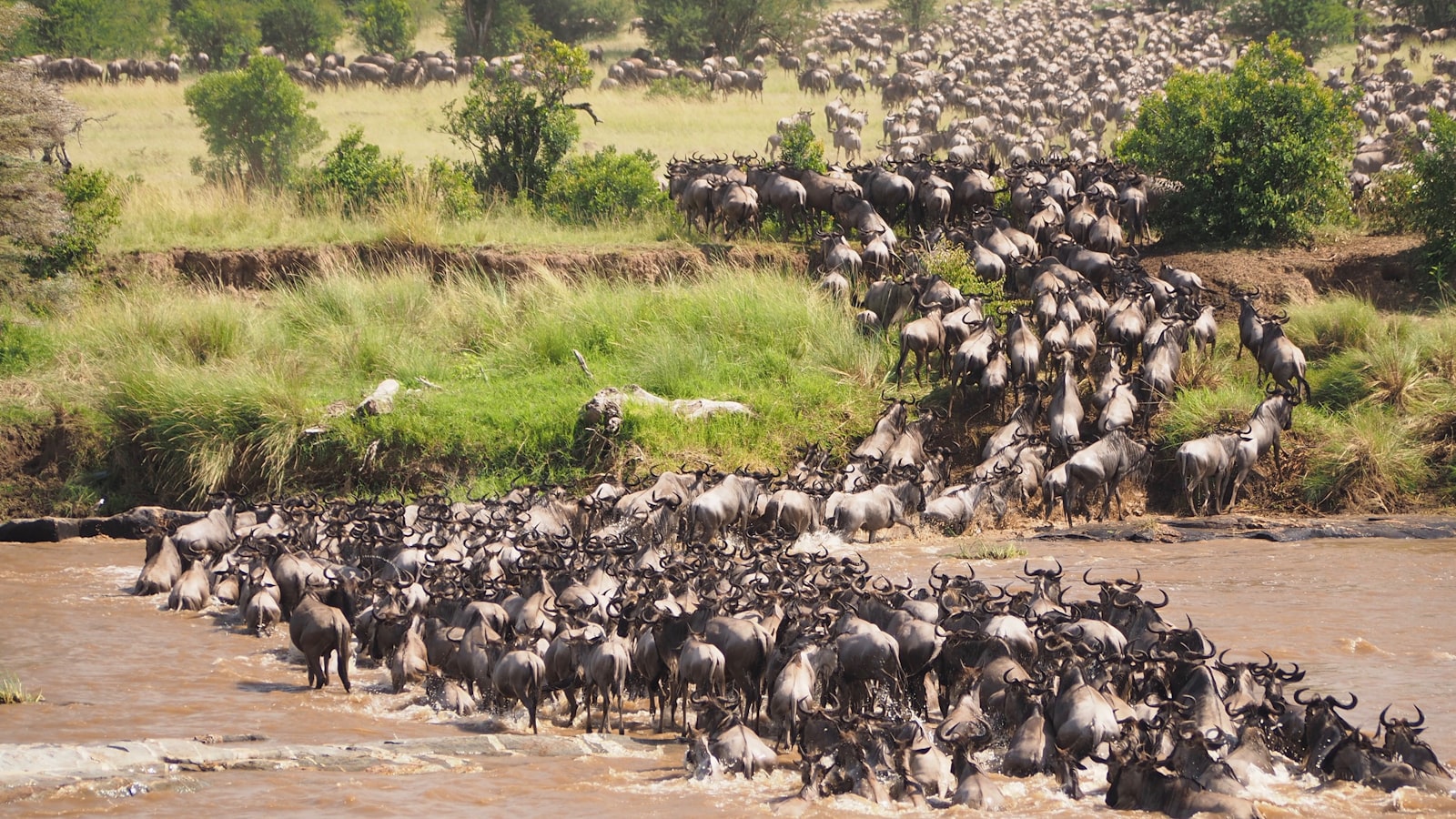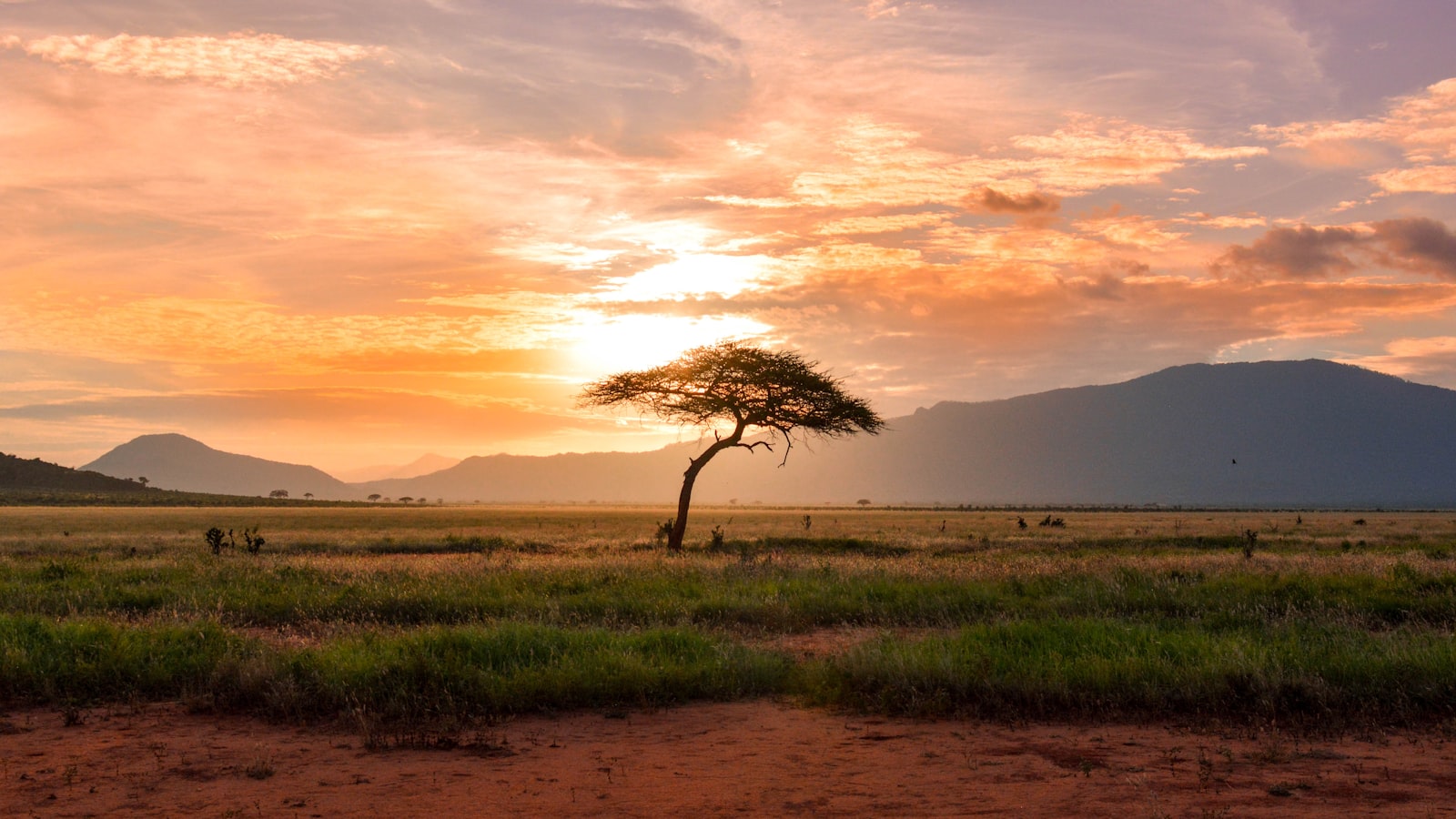
Hwange National Park, Zimbabwe's largest reserve on the Kalahari's edge, draws tens of thousands of elephants to its pumped waterholes each dry season near Victoria Falls.
- Size
- Approximately 14,650 sq km
- Location
- North-west Zimbabwe, Kalahari sands
- Best time
- Dry season, July to October
- Famous for
- Elephants, lions, painted dogs
- Nearest hub
- Victoria Falls, around 2 hours by road
- Bird species
- Over 400 recorded
Hwange National Park is Zimbabwe's largest protected area and one of Africa's finest elephant destinations, covering roughly 14,650 square kilometres in the country's north-west on the edge of the Kalahari sands. The park has no major perennial rivers, so wildlife depends on a network of natural and artificially pumped waterholes that, in the dry months, draw extraordinary concentrations of game.
It is the dry-season elephant gatherings that make Hwange famous. Tens of thousands of elephants are thought to use the park, and from July to October huge herds queue at pans such as Nyamandhlovu and Ngweshla, often alongside buffalo, giraffe and predators. The park also shelters large lion prides, endangered painted dogs, sable and roan antelope, and more than 400 bird species.
Hwange's other great advantage is location. It lies only about two hours by road from Victoria Falls, making it one of the easiest premier safari parks in Africa to combine with a world-famous waterfall in a single trip.
Where is Hwange National Park and why does it matter?
Hwange sits in north-western Zimbabwe, bordered to the south and west by Botswana and the Kalahari, and is named after a local Nhanzwa chief. At around 14,650 square kilometres it is comfortably the country's largest national park, larger than many small nations, and it forms part of the vast Kavango-Zambezi transfrontier conservation landscape that links Zimbabwe, Botswana, Zambia, Namibia and Angola.
The landscape is a mosaic. The north and east hold mopane woodland, teak forests and rocky outcrops, while the south and west open into Kalahari sand grasslands and seasonal pans. Because the underlying sand drains so quickly and there are no permanent rivers inside the core park, surface water is scarce for much of the year, a fact that shapes everything about how and when wildlife moves.
Why do so many elephants concentrate here?
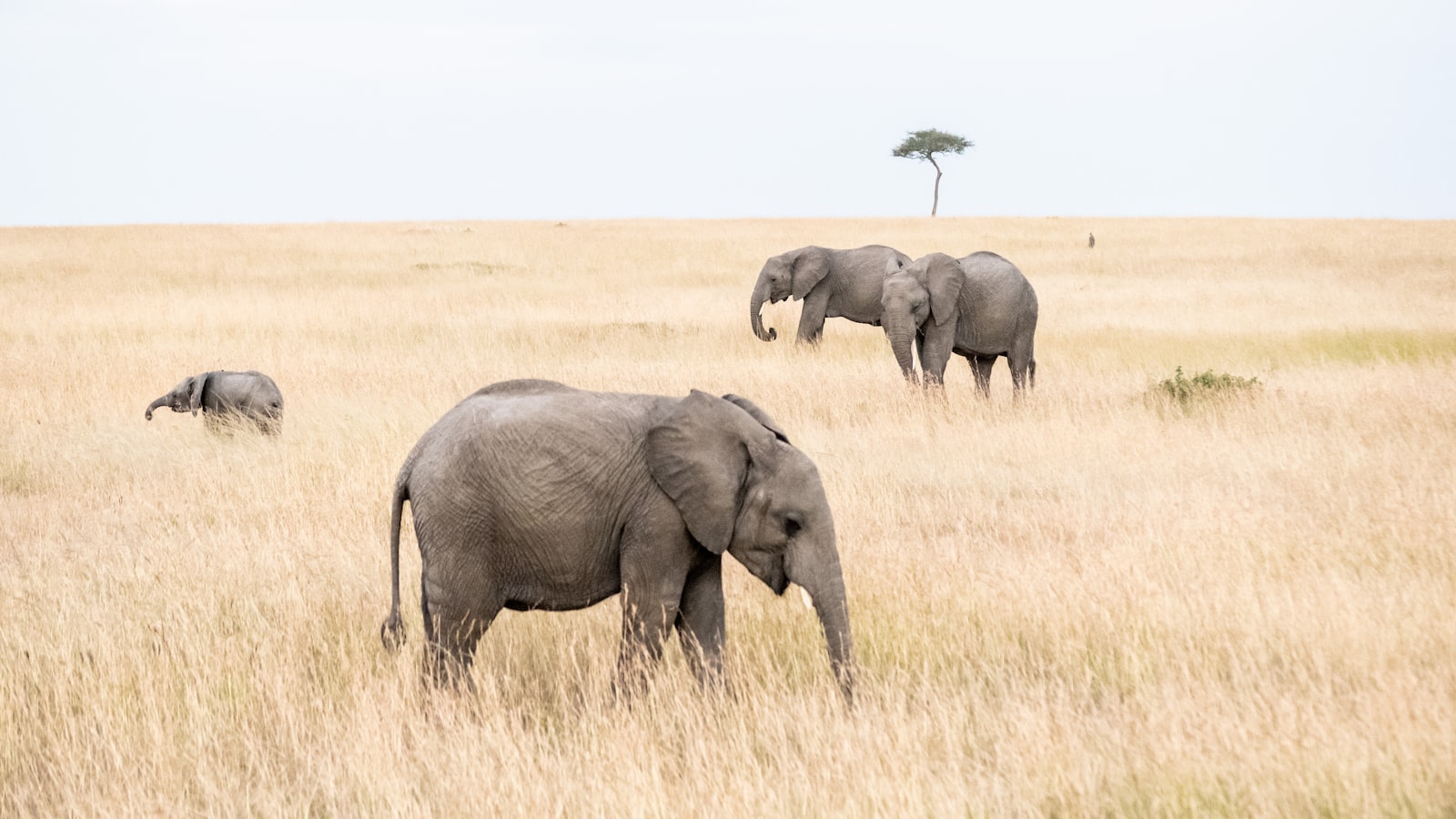
Photo by Carlos Torres on Unsplash
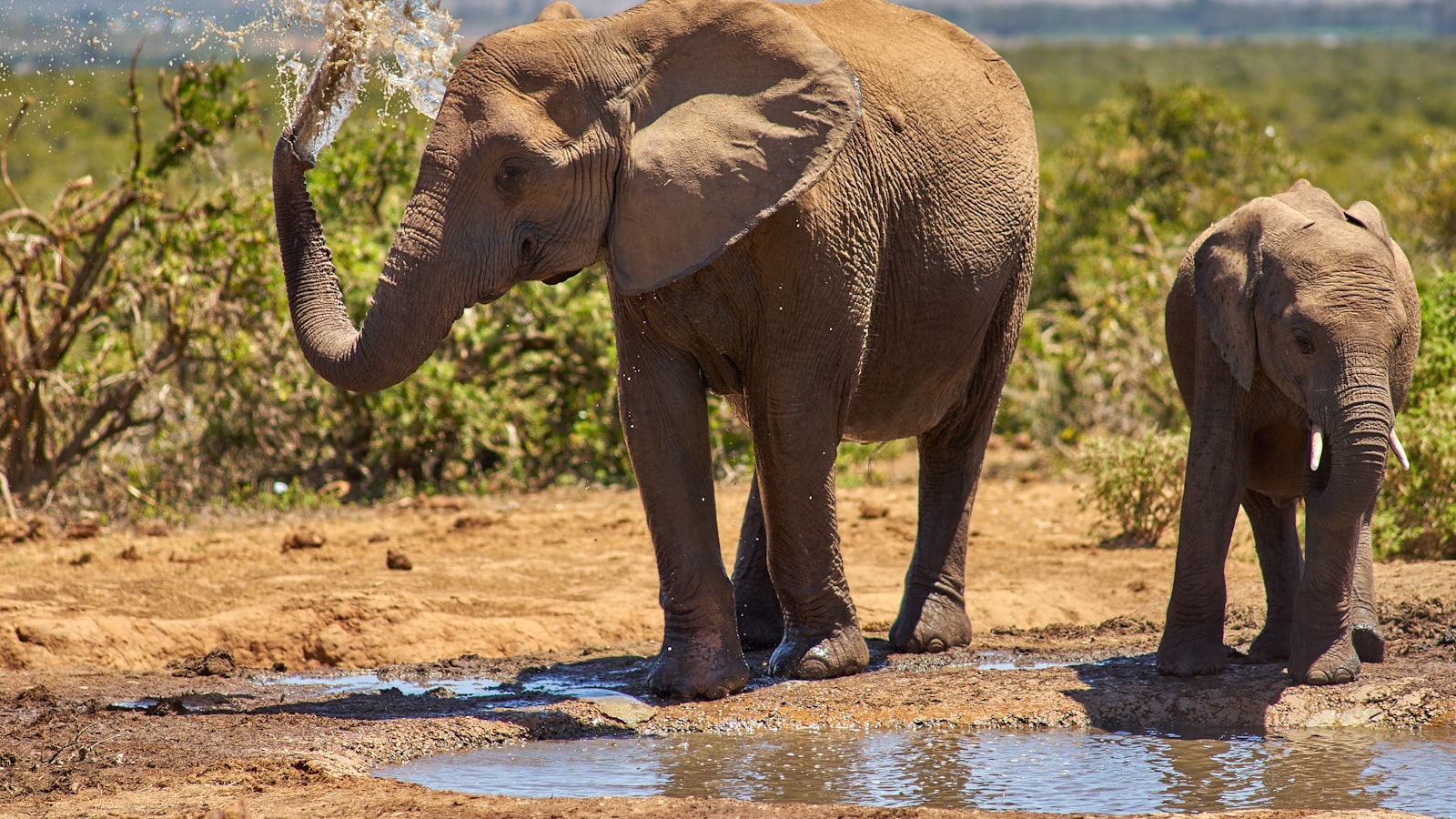
Hwange's elephant reputation rests on its waterholes. With no major perennial river to rely on, the park's wildlife depends heavily on pans, and many of these are sustained through the dry season by pumped water, historically diesel boreholes and increasingly solar-powered ones maintained by Zimbabwe Parks and conservation partners. Without this pumping, much of the park would be unusable for large herbivores in the late dry season.
The payoff is some of the most reliable elephant viewing on the continent. As natural water dries up from around June, elephants funnel toward the pumped pans in growing numbers. By September and October, when conditions are at their harshest, a single waterhole such as Nyamandhlovu near Main Camp or Ngweshla in the south-east can host hundreds of elephants in a day, arriving in family groups to drink, bathe and jostle for position.
This dependence on artificial water is both the park's great spectacle and its central conservation challenge. Pumping costs are significant, breakdowns can be locally serious, and the elephant population is large enough that vegetation pressure around popular pans is a genuine management concern.
What other wildlife will you see?
Elephants are the headline, but Hwange is a genuinely rich big-game park. It holds large lion prides, and the area gained worldwide attention through Cecil, a well-known male lion studied by Oxford University researchers who was killed by a trophy hunter just outside the park in 2015. Lion sightings remain a highlight, particularly around the busier pans where prey congregates.
The park is also one of southern Africa's strongholds for endangered painted dogs, also called African wild dogs, with dedicated research and protection work based nearby. Buffalo move in large herds, and Hwange is a good place to look for sable and roan antelope, two handsome and often-elusive species, alongside giraffe, zebra, kudu, eland and the occasional leopard or cheetah.
- Elephant: tens of thousands, with vast dry-season waterhole gatherings
- Lion: large prides, made famous by the lion Cecil
- Painted dogs (African wild dogs): an endangered, high-value sighting
- Buffalo, giraffe, zebra, kudu and eland in good numbers
- Sable and roan antelope, two regional specialities
- Over 400 bird species, richest in the green season
The three main areas and where to stay
Hwange is traditionally divided into three public sections, each served by a Parks rest camp. Main Camp in the north-east is the most developed and accessible, close to the celebrated Nyamandhlovu Pan and its viewing platform, and the natural base for first-time and self-drive visitors. Sinamatella, set on a plateau in the north, offers dramatic views and good buffalo and elephant country, while Robins Camp in the north-west is quieter and known for predators.
Beyond the public camps, much of Hwange's reputation for luxury safaris rests on the private concessions leased along and inside its boundaries. These exclusive areas host high-end lodges and tented camps and allow activities not permitted in the public park, giving guests a more flexible, lower-traffic experience.
Accommodation spans a wide budget. Parks rest camps, chalets and campsites are inexpensive and suit self-drivers, while private concession lodges are firmly in the premium bracket, frequently several hundred to well over a thousand US dollars per person per night, usually all-inclusive of meals and activities.
Safari activities at Hwange
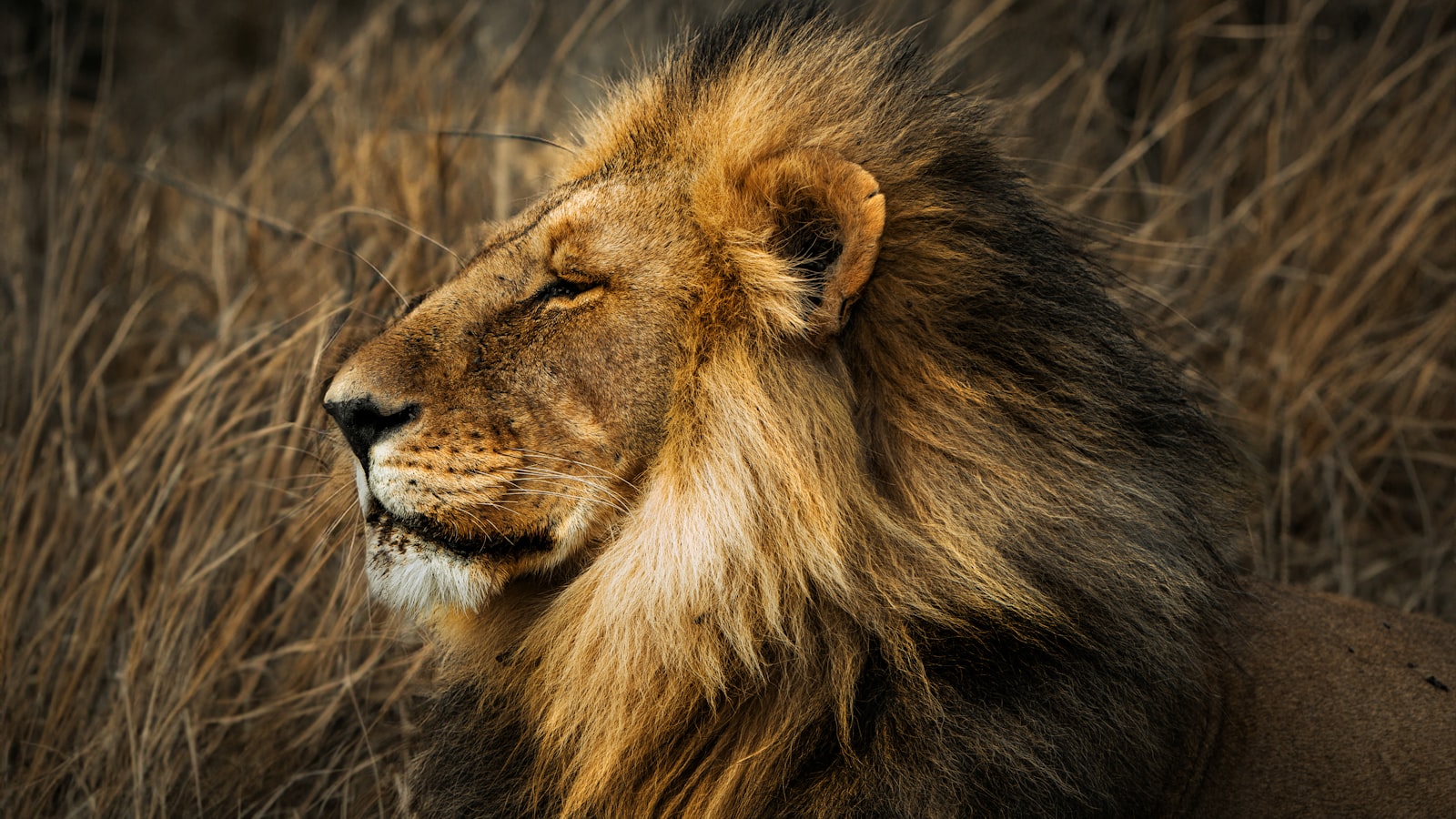
Photo by Matthew Stephenson on Unsplash
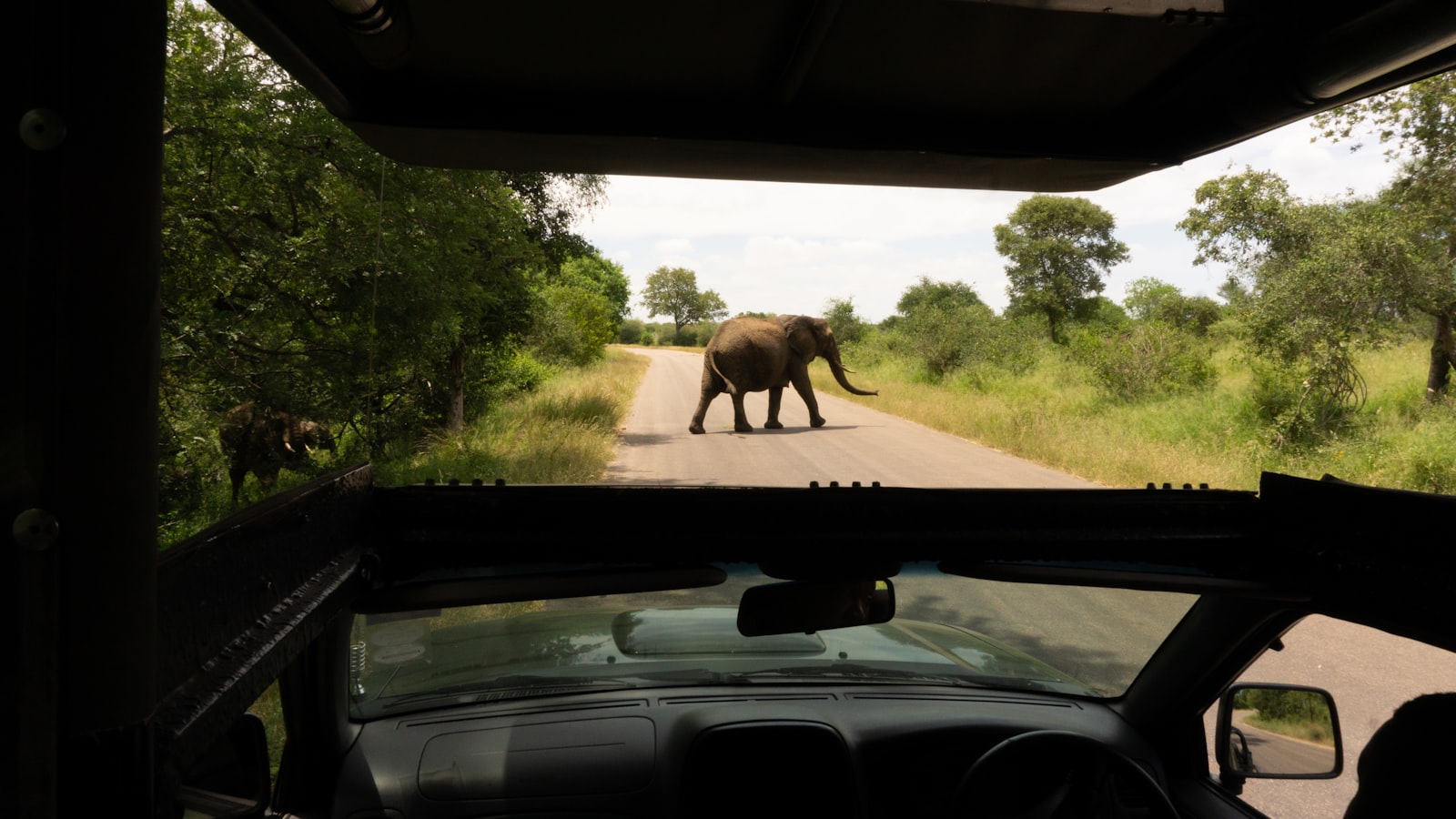
The classic Hwange experience is the game drive, and the park's waterhole-driven wildlife rewards patience: rather than chasing animals across open plains, much of the best viewing comes from positioning near a productive pan and letting the wildlife come to water. In the public park, activities are largely limited to self-drive and guided day drives, and visitors must be out before the gates close.
Private concessions unlock a fuller menu. Here, licensed guides offer night drives with spotlights, a chance to find leopard, lion on the move and smaller nocturnal species, as well as guided walking safaris that bring you on foot into elephant and big-game country. Several camps also maintain photographic hides and sunken waterhole hides, putting you at eye level with drinking elephants for memorable images.
- Day game drives, available in both public and private areas
- Night drives with spotlights, in private concessions only
- Guided walking safaris with armed, licensed guides
- Waterhole and sunken photographic hides for close encounters
- Birdwatching, especially rewarding in the green season
When is the best time to visit Hwange?
For classic big-game viewing, the dry season from roughly July to October is prime. As the bush thins and seasonal water vanishes, animals mass at the pumped pans in spectacular numbers, sightings become predictable and the late dry months of September and October deliver the densest waterhole action, albeit in increasing heat.
The green season, from around November to April, is a different park. Rains transform the landscape into lush grassland, migrant birds arrive and many species drop their young, making it a fine time for birders and photographers who value scenery and newborns. The trade-off is that abundant surface water lets wildlife disperse widely, so big herds at waterholes are far less concentrated and some roads can become difficult.
Getting there and combining Hwange with Victoria Falls
Hwange's accessibility is a major draw. Victoria Falls, with its international airport, lies only about two hours by road from the park's northern reaches, so many itineraries fly into the Falls, enjoy the waterfall and activities for a day or two, then transfer south to Hwange. Hwange town and the park sit on the main Bulawayo to Victoria Falls road and railway line, and the historic train still passes nearby.
For those short on time, the park has its own airstrips, and light-aircraft fly-in safaris connect Hwange with Victoria Falls and other regional camps in well under an hour, dropping guests close to their lodge. Self-drivers can reach Main Camp on tarred and well-marked roads, though a high-clearance vehicle is sensible inside the park.
The natural pairing of a great elephant park with one of the world's most famous waterfalls makes the Hwange and Victoria Falls combination one of southern Africa's most popular short safari circuits, easily extended onward to Botswana's Chobe or Zimbabwe's Mana Pools.
Frequently Asked Questions
- How many elephants are there in Hwange?
- Hwange is thought to support tens of thousands of elephants, one of the largest concentrations in Africa, though the exact figure fluctuates with rainfall and seasonal movements across the Zimbabwe-Botswana border. The park is widely considered to hold an elephant population near or beyond what its dry-season water can comfortably sustain, which is why waterhole management matters so much.
- What is the best time to visit Hwange National Park?
- The dry season from July to October is best for big-game viewing, as wildlife crowds the pumped waterholes and sightings become predictable, peaking in September and October. The green season from November to April is lush and excellent for birds and newborn animals, but surface water lets herds disperse, so waterhole spectacles are much less concentrated.
- How do you get to Hwange from Victoria Falls?
- Hwange lies only about two hours by road from Victoria Falls, making a road transfer the most common option. The two sit on the same main road and railway between Bulawayo and Victoria Falls. Alternatively, light-aircraft fly-in safaris connect Victoria Falls to Hwange's airstrips in well under an hour, dropping guests close to their chosen lodge.
- Who was Cecil the lion?
- Cecil was a well-known male lion in the Hwange area, studied by Oxford University researchers and fitted with a tracking collar. He was killed by a trophy hunter just outside the park in 2015, prompting an international outcry over lion conservation and trophy hunting. His story drew lasting global attention to Hwange and its predators.
- Why does Hwange pump water into waterholes?
- Hwange has no major perennial rivers, and its Kalahari sands drain quickly, so much of the park would have little surface water in the dry season. Zimbabwe Parks and conservation partners pump water, increasingly using solar boreholes, to keep key pans filled. This sustains wildlife through the dry months and creates the park's famous elephant gatherings.
- Can you do walking safaris and night drives in Hwange?
- Yes, but mainly in the private concessions. The public park is largely restricted to self-drive and guided day game drives, with gate times to observe. Private concession lodges, however, can offer guided walking safaris with armed guides and spotlit night drives, giving access to nocturnal species and on-foot encounters not permitted in the main public areas.
- Is Hwange a good safari for self-drivers?
- Hwange is one of Zimbabwe's most self-drive-friendly parks. Main Camp is reached on tarred roads, Parks chalets and campsites are inexpensive, and waterholes such as Nyamandhlovu offer reliable viewing from platforms. A high-clearance vehicle, fuel reserves and supplies are advisable, as facilities inside the park are limited and distances between pans can be considerable.