A practical comparison of the Zambian and Zimbabwean sides of Victoria Falls, covering views, seasons, Devil's Pool, the KAZA visa, activities and how to visit both.
- River
- Zambezi, on the Zambia–Zimbabwe border
- Width / drop
- ~1,700m wide, ~100m drop
- Peak spray
- February to May (high water)
- Devil's Pool season
- Roughly August to January (low water)
- Visa
- KAZA UniVisa, ~US$50, both countries
- Airports
- Victoria Falls (VFA) or Livingstone (LVI)
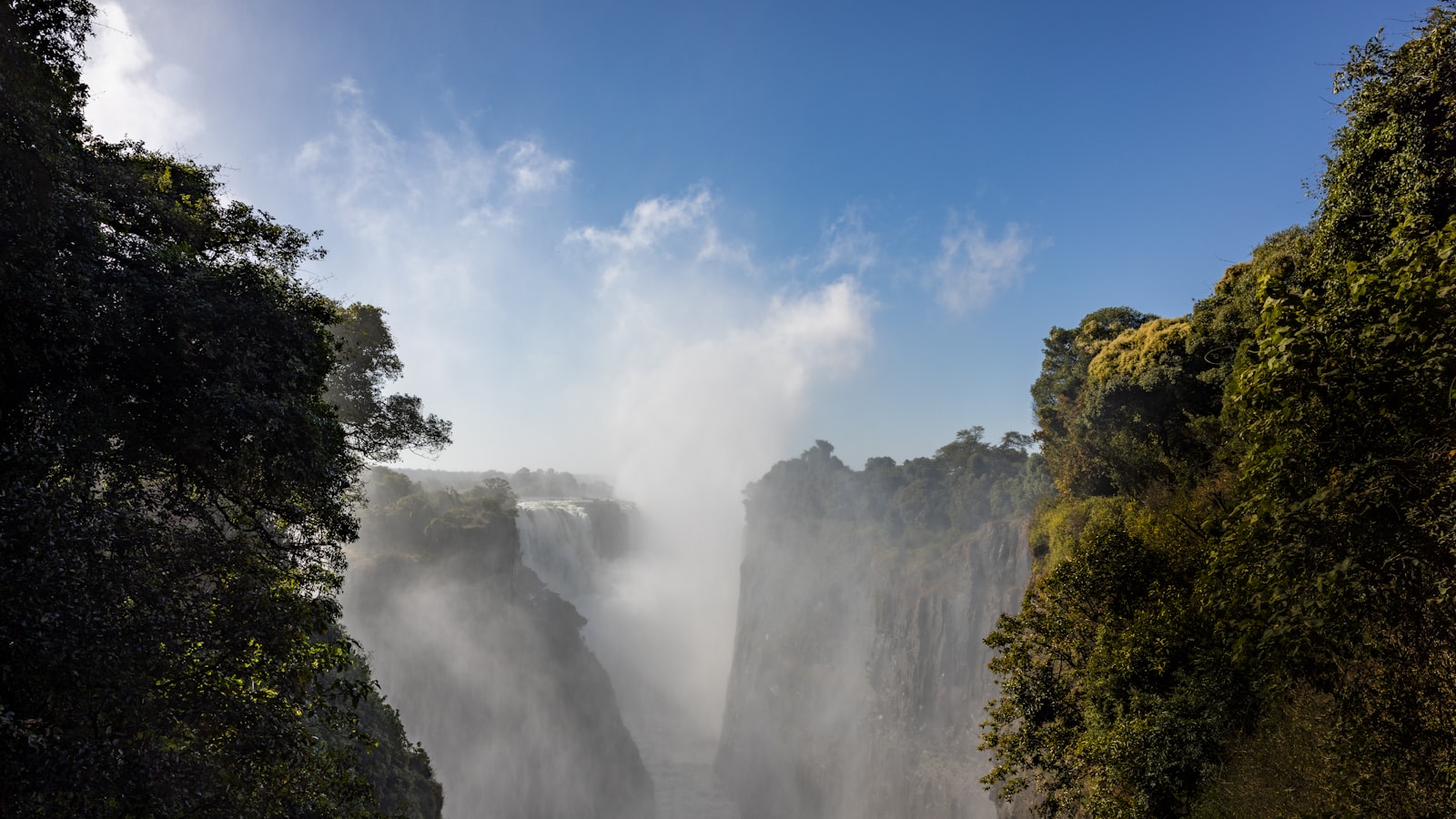
Victoria Falls is the headline reason most travellers come to this corner of southern Africa, and almost all of them arrive with the same question: should you see it from the Zambia side or the Zimbabwe side? The falls sit on the Zambezi River, exactly on the international border, where the river plunges roughly 100 metres into a narrow basalt gorge across a curtain around 1,700 metres wide. It is one of the Seven Natural Wonders of the World and, by the combined measure of width and height, the largest sheet of falling water on the planet.
The short answer is that neither side is objectively better; they offer genuinely different experiences. Zimbabwe holds most of the frontage and the classic head-on panoramas, while Zambia gets you to the very lip of the water and to Devil's Pool. Which suits you depends on the season you travel and what you most want to do.
This guide compares both sides honestly, explains the high-water and low-water seasons, covers the KAZA UniVisa, and gives a clear framework for choosing.
Where Victoria Falls is and why the border matters
The town of Victoria Falls sits on the Zimbabwean bank, while the city of Livingstone lies about 11km from the falls on the Zambian side. The two are linked by the Victoria Falls Bridge, which spans the gorge just downstream of the main curtain and carries the road, rail and a busy pedestrian walkway between the two countries.
Because the river cuts the falls roughly along the border, each country owns a stretch of the frontage. Zimbabwe's national park looks across at most of the curtain, including the widest and most consistently flowing sections. Zambia's frontage is shorter and sits at the eastern end, closer to where the river spills over its lip before funnelling into the gorge.
This geography is the root of every comparison that follows. It explains why Zimbabwe gives you breadth and Zambia gives you intimacy, and why the season you choose changes the balance so dramatically.
The Zimbabwe side: panoramas and the rainforest walk
Zimbabwe holds roughly three-quarters of the falls' frontage, and this is where you find the classic, head-on views that appear on most postcards. The Victoria Falls National Park runs a paved rainforest trail with a series of viewpoints, from the Devil's Cataract at the western end past the Main Falls to Danger Point, where you stand at the edge of the gorge.
The walk takes one to two hours at a relaxed pace and stays scenic across the whole year, which is its great advantage. Even in low water, the western cataracts keep flowing, so you always see falling water. The statue of David Livingstone stands near the western entrance, a nod to the explorer who reached the falls in 1855.
Practically, Victoria Falls town is the more developed tourism base. It is compact and walkable, with a dense cluster of hotels, operators, restaurants and craft markets, and the park gate sits within easy reach of most lodgings.
- Main viewing: paved rainforest trail, 16-plus viewpoints
- Best for: head-on panoramas, year-round flow, first-time visitors
- Park fee: around US$50 for international visitors
- Town: walkable, well served by operators and hotels
The Zambia side: Knife-Edge Bridge and getting close
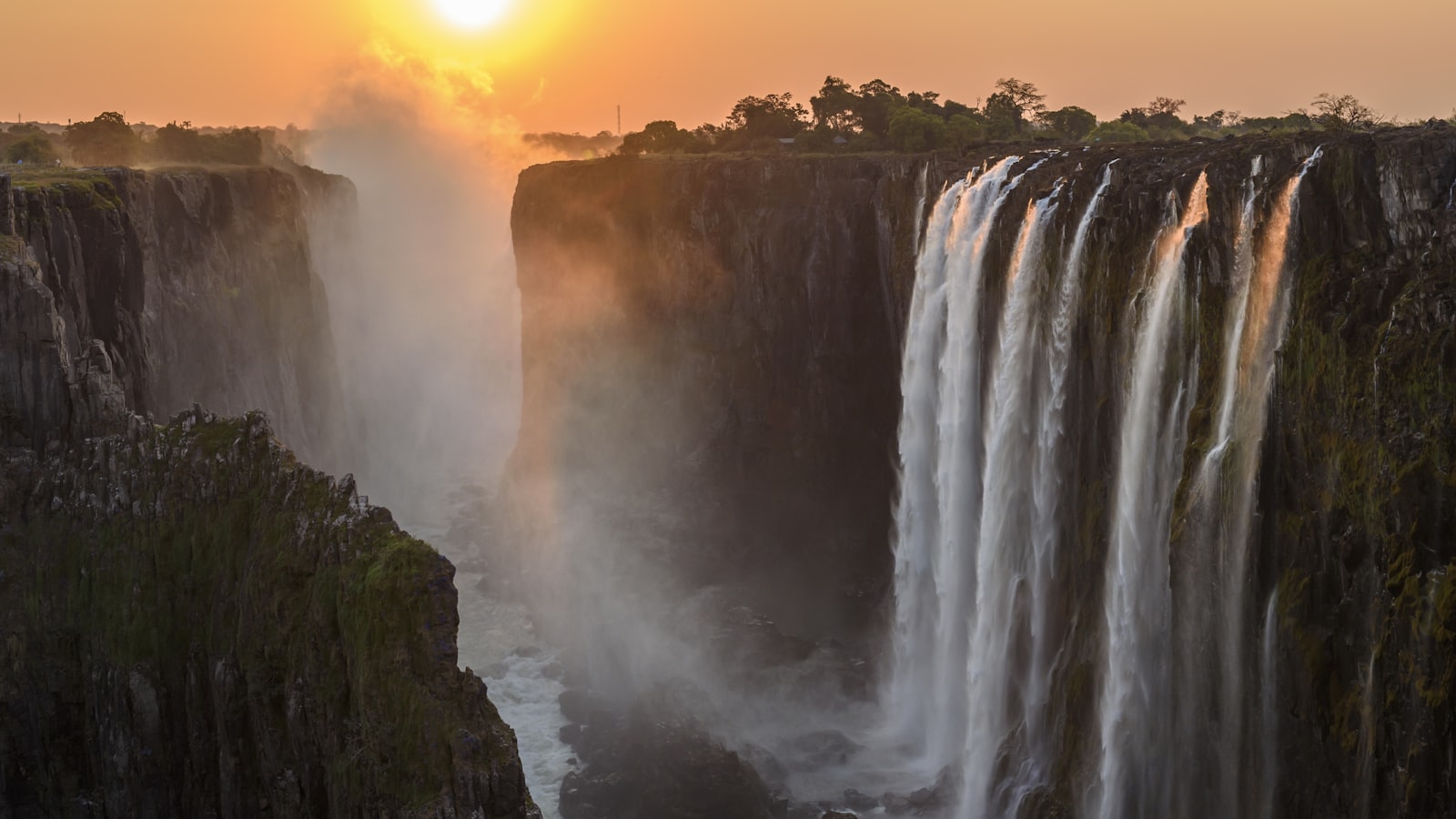
Photo by Sammy Wong on Unsplash
The Zambian frontage, within Mosi-oa-Tunya National Park, is shorter but more intimate. The standout is the Knife-Edge Bridge, a narrow footbridge that crosses a side gorge and puts you in the heart of the spray during high water, often soaking visitors completely. From here you also look across at the Eastern Cataract and down into the boiling pot below the bridge.
The trade-off is seasonal. In low water, from roughly August to January, the Zambian lip can run thin or dry in places, and the views genuinely diminish; some travellers in October find their stretch reduced to bare rock face. The flip side is that this exposed rock reveals the structure of the falls and, crucially, opens access to Devil's Pool.
Livingstone, the Zambian base, is a slightly larger town with a strong historical character and good museums, though it is further from the falls than Victoria Falls town is on the Zimbabwean side.
High water vs low water: timing changes everything
The Zambezi's flow swings enormously through the year, and the season you pick matters more than the side. Peak flow runs from roughly February to May, after the summer rains in the catchment. At this point the falls are at their most thunderous, throwing up a column of spray visible from kilometres away; locals call the falls Mosi-oa-Tunya, 'the smoke that thunders'.
The catch in high water is that the same spray can obscure the view, particularly from the Zambian side and the Knife-Edge Bridge, where you may see little but a wall of mist. A raincoat is essential, and cameras need protection.
Low water, from roughly August to January, brings clearer views of the rock face and the gorge, gentler conditions, and the opening of Devil's Pool and Livingstone Island. White-water rafting season also peaks in low water, when the rapids downstream are runnable.
- Feb–May: maximum flow and spray, dramatic but misty views
- Jun–Jul: high but easing flow, good all-round month
- Aug–Jan: low water, clearer views, Devil's Pool and rafting open
- Bring a waterproof and dry bag in high-water months
Devil's Pool, the KAZA visa and visiting both sides
Devil's Pool is the natural rock pool right on the lip of the falls, accessed only from the Zambian side via Livingstone Island. A submerged rock ledge lets you swim to the very edge with the drop just beyond. It operates only in low water, roughly August to January, when the current is safe enough; trips run with guides and usually include a meal on the island. If Devil's Pool is the experience you want, you must base on or cross to the Zambian side and travel in the right season.
The KAZA UniVisa makes seeing both sides straightforward. It costs around US$50, is valid for 30 days, and covers entry to both Zambia and Zimbabwe plus day trips to Botswana through the Kazungula border. Check eligibility for your nationality before you travel, as the scheme does not cover everyone.
Many visitors do both sides, which is easy: you simply walk across the Victoria Falls Bridge between the two parks, clearing immigration on foot. The walk takes minutes and offers fine views of the bungee jump and the gorge along the way.
- Confirm your nationality qualifies for the KAZA UniVisa
- Enter via either side and buy the UniVisa on arrival
- Walk across the bridge to clear immigration into the other country
- Time Devil's Pool for the low-water window (Aug–Jan)
Activities: rafting, bungee, flights and cruises
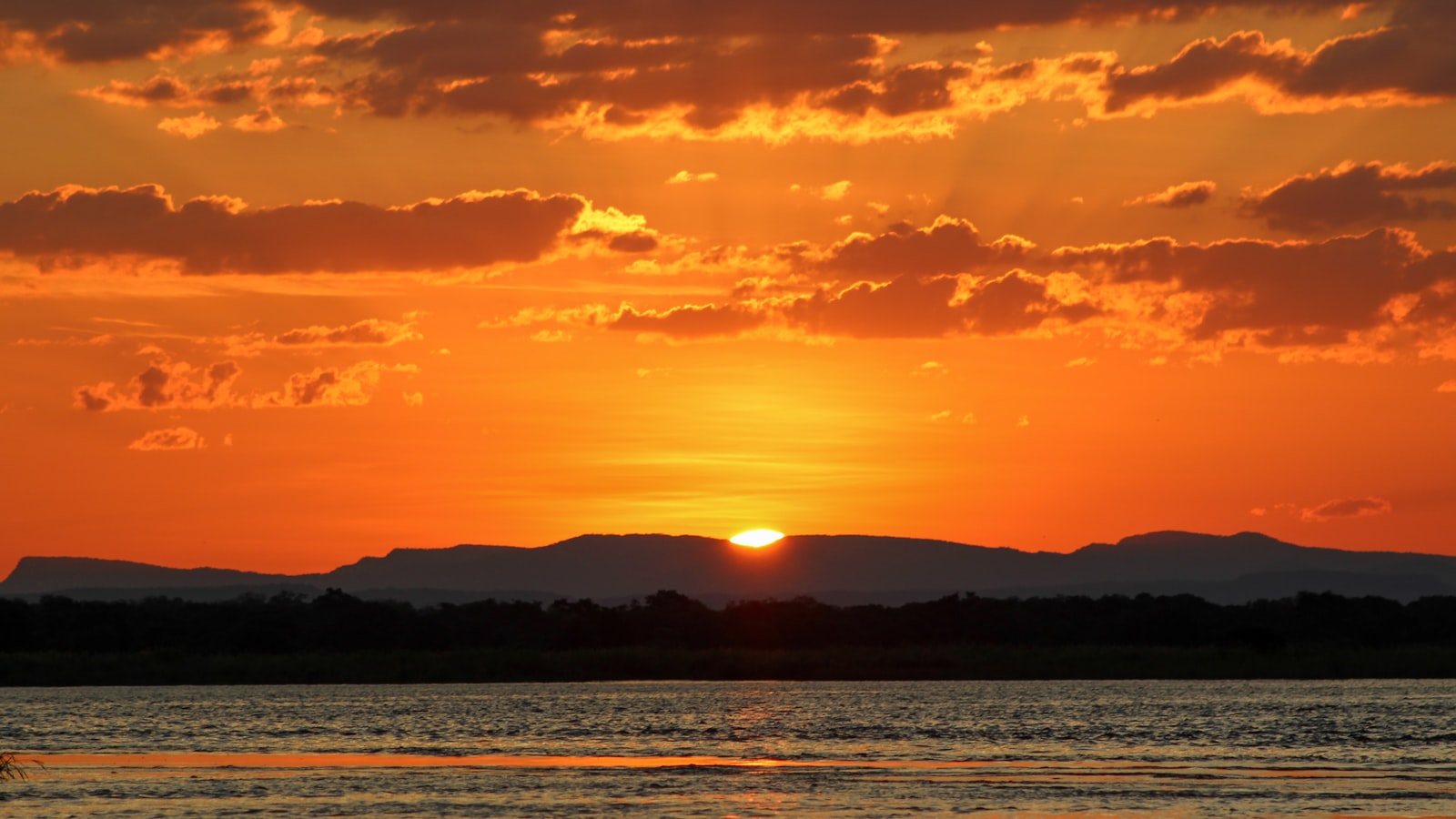
Photo by Sean Peter on Unsplash
Beyond the falls themselves, this is one of Africa's busiest adventure hubs, and most activities can be booked from either side. The white-water rafting on the Zambezi below the falls is world-class, running grade IV and V rapids; it operates mainly in low water, roughly from July or August to early the following year, when river levels allow safe descents.
The bungee jump from the Victoria Falls Bridge drops 111 metres towards the river, and the bridge also offers a swing and zip-line. For the broadest perspective, the helicopter 'Flight of Angels' loops over the full curtain and gorge; microlight flights are available from the Zambian side. In the evenings, a sunset cruise on the calm Zambezi above the falls is the standard wind-down, with hippos, elephants and birdlife along the banks.
Because operators work across the border, your choice of side need not limit your activities; many will collect you from either Livingstone or Victoria Falls town.
Getting there, where to stay and a clear recommendation
Two airports serve the falls. Victoria Falls Airport (VFA) on the Zimbabwean side has the wider international network and sits close to town. Harry Mwanga Nkumbula International Airport (LVI) at Livingstone serves the Zambian side. Both are well connected to Johannesburg, and regional carriers link them to Nairobi, Cape Town and beyond.
For accommodation, the Zimbabwean side has the deeper range, from the historic Victoria Falls Hotel and riverside lodges to budget guesthouses, all within reach of the park. The Zambian side offers excellent riverfront lodges along the upper Zambezi near Livingstone, including stays with direct island and Devil's Pool access.
As a framework: choose Zimbabwe if you want the best year-round panoramas, a walkable base and your first proper look at the falls. Choose Zambia if you are travelling in low water, want to swim Devil's Pool and get to the lip, or prefer quieter riverfront lodges. If time allows, do both, base where your priority activity sits, and walk the bridge for the rest.
- Best year-round views and easy base: Zimbabwe side
- Devil's Pool and getting to the lip: Zambia side, low water
- Want everything: do both via the Victoria Falls Bridge
- Adventure focus (rafting/bungee): either side, low-water months
Frequently Asked Questions
- Which side of Victoria Falls is better, Zambia or Zimbabwe?
- Neither is universally better. Zimbabwe holds about three-quarters of the frontage and the classic head-on panoramas that flow year-round, making it the safer choice for first-time visitors. Zambia gets you closer to the lip and to Devil's Pool but its views thin out in low water. The best pick depends on your season and priorities.
- Can you visit both sides of Victoria Falls in one trip?
- Yes, and it is easy. You walk across the Victoria Falls Bridge between the two national parks, clearing immigration on foot in a few minutes. The KAZA UniVisa, around US$50, covers both Zambia and Zimbabwe, so many visitors spend a morning on one side and an afternoon on the other.
- When does Devil's Pool open?
- Devil's Pool operates only in the low-water season, roughly August to January, when the Zambezi's current is gentle enough to swim safely to the edge. Exact dates shift each year with river levels. It is reached from the Zambian side via Livingstone Island, with guided trips that usually include a meal on the island.
- What is the best time of year to see Victoria Falls?
- For maximum power and spray, visit February to May after the rains, though heavy mist can obscure the view. For clearer views, gentler conditions, Devil's Pool and white-water rafting, choose the low-water months of August to January. June and July offer a strong, easing flow and are a reliable all-round compromise.
- Do I need a visa for Victoria Falls?
- Most nationalities need a visa for both Zambia and Zimbabwe. The KAZA UniVisa, costing around US$50 and valid for 30 days, covers both countries plus day trips to Botswana, and can be bought on arrival. Confirm your nationality qualifies before travelling, as the scheme does not cover everyone.
- Which airport should I fly into for Victoria Falls?
- Victoria Falls Airport (VFA) serves the Zimbabwean side, has the wider international network and sits close to town. Harry Mwanga Nkumbula International Airport (LVI) at Livingstone serves the Zambian side. Both connect well to Johannesburg. Choose the airport on the side where you plan to base, since crossing afterwards is straightforward.