Gonarezhou is Zimbabwe's wild, low-volume second park in the south-eastern lowveld, home to the Chilojo Cliffs, big elephant herds and a remarkable conservation recovery.
- Location
- South-eastern lowveld, Zimbabwe
- Size
- Around 5,000 km2, Zimbabwe's second-largest park
- Best time
- Dry season, May to October
- Main gates
- Chipinda Pools (north), Mabalauta (south)
- Icon
- Chilojo Cliffs on the Runde River
- Managed by
- Gonarezhou Conservation Trust
Gonarezhou National Park is Zimbabwe's second-largest protected area and arguably its wildest, sprawling across roughly 5,000 square kilometres of remote lowveld in the country's south-eastern corner. Its Shona name translates as "place of elephants", and the description still fits: large, free-ranging herds move through mopane woodland, sandveld and along two great rivers, the Runde and the Save.
This is not a polished, first-timer safari circuit. Gonarezhou rewards self-sufficient travellers, 4x4 owners and a small number of camps with genuine wilderness, dramatic scenery and very few other vehicles. The park forms the Zimbabwean component of the Great Limpopo Transfrontier Park, linking it with South Africa's Kruger and Mozambique's Limpopo National Park.
Its signature landmark is the Chilojo Cliffs, a wall of red sandstone glowing above the Runde valley. This guide covers what to see, when to go, how to reach the park and what it costs.
Where is Gonarezhou and what makes it special?
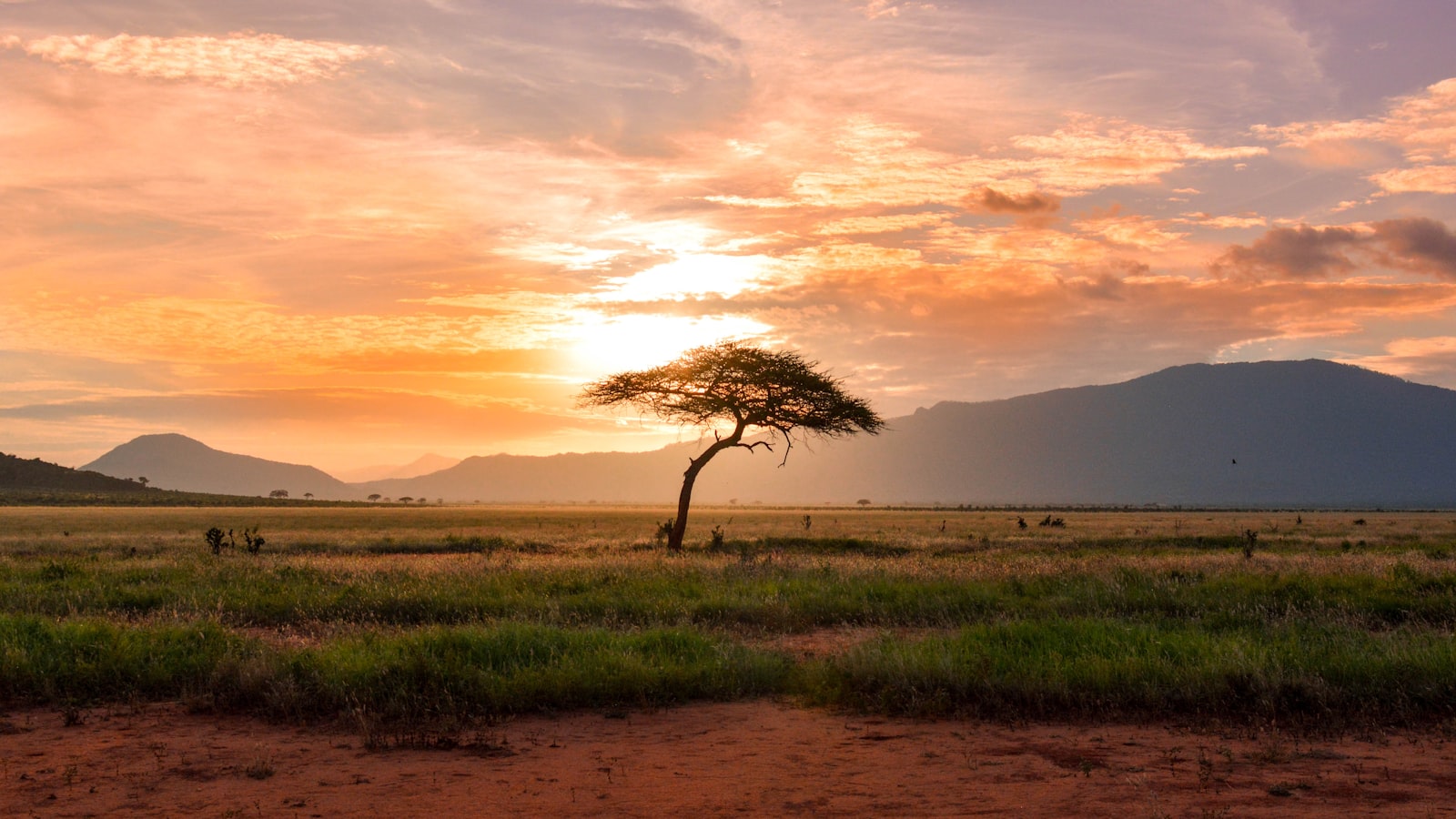
Gonarezhou lies in Zimbabwe's south-eastern lowveld, hard against the Mozambique border and within reach of South Africa's Kruger. The landscape is hot, low and rugged: mopane and combretum woodland, ancient baobabs, sandveld thickets and the broad, sandy beds of the Runde and Save rivers. Altitude is low, so summers are searing and the dry-season heat builds quickly through the day.
What sets the park apart is its scale and emptiness. Where Hwange and Victoria Falls draw steady traffic, Gonarezhou remains a frontier, visited by a fraction of the numbers. You can drive for hours without seeing another vehicle, which suits travellers chasing solitude rather than guaranteed sightings.
The park is the Zimbabwean piece of the Great Limpopo Transfrontier Park, a vast cross-border conservation landscape that joins Gonarezhou with Kruger and Mozambique's Limpopo National Park, allowing wildlife to range across former international fences.
The Chilojo Cliffs and the park's landscapes
The Chilojo Cliffs are Gonarezhou's icon and one of Zimbabwe's most striking natural features. These red sandstone cliffs rise sharply above the Runde River valley, formed over millions of years of erosion, and turn a deep, burning orange in the low light of early morning and late afternoon.
There are two classic ways to experience them. You can stand on top, at viewpoints along the clifftop with the Runde valley spread out below, or look up at them from the valley floor near the river, where elephants and other game often gather. Photographers tend to favour the warm hours at either end of the day.
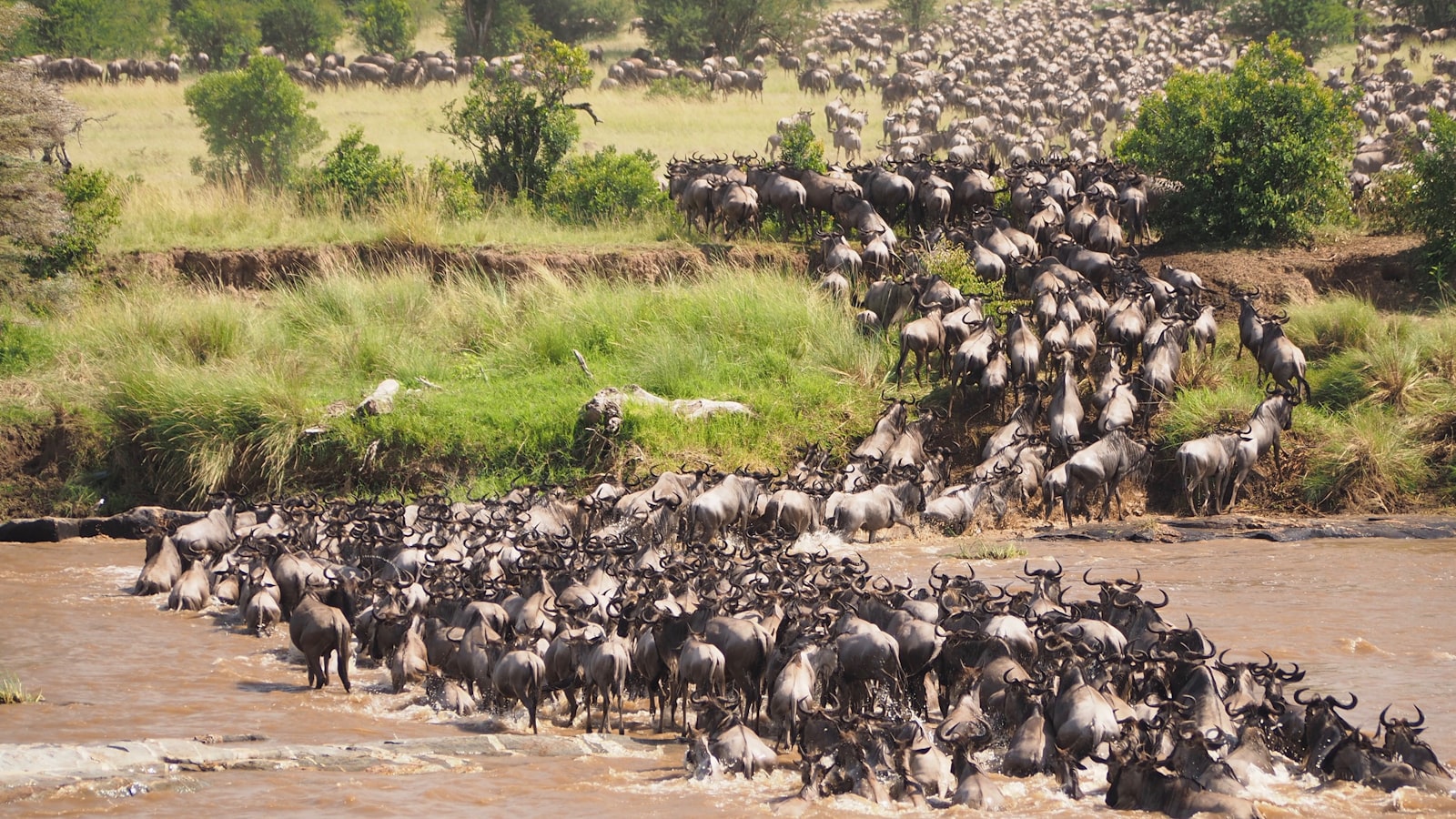
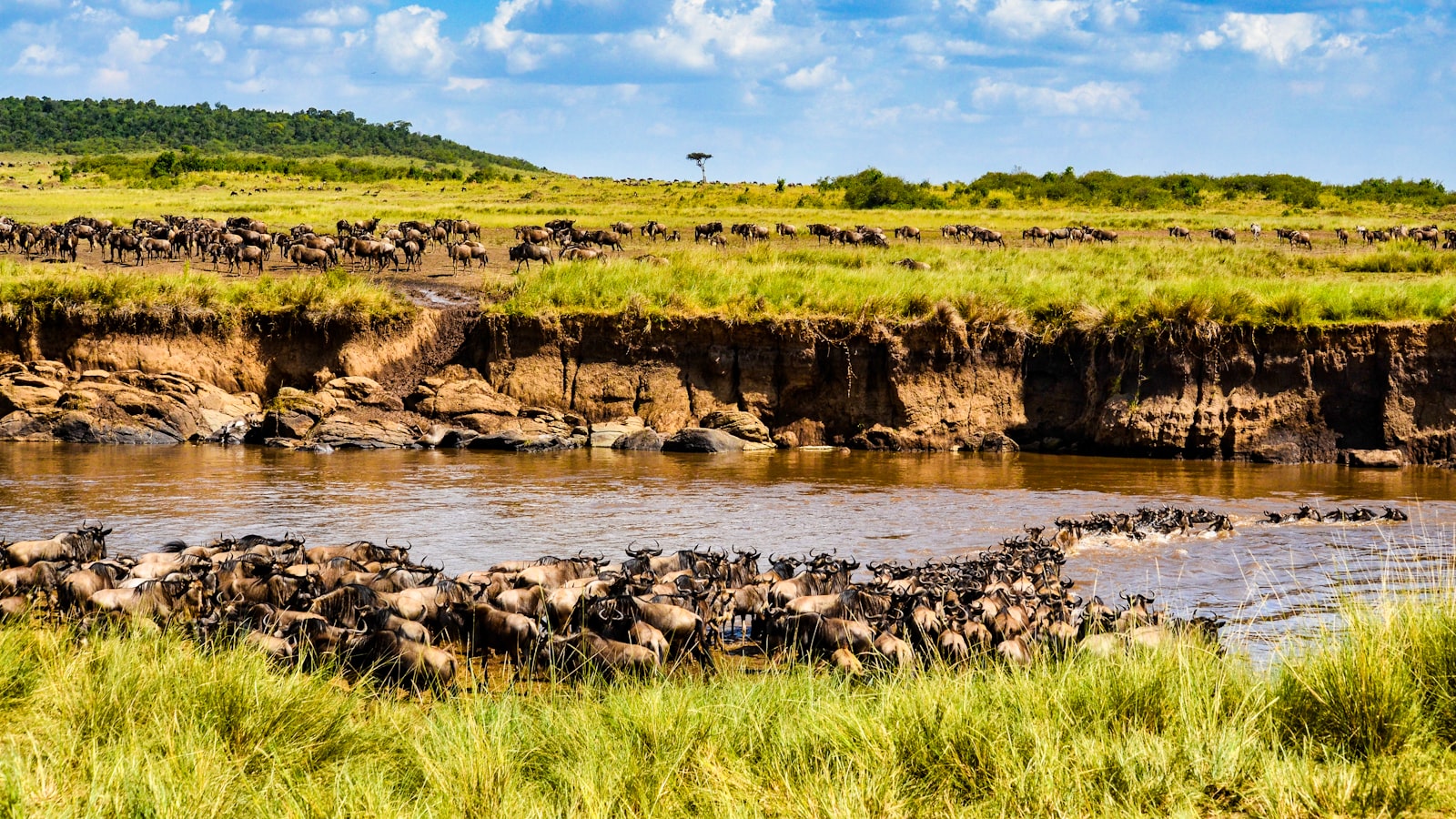
Beyond the cliffs, the rivers are the lifeblood of the park. The Runde and the Save sustain hippos, crocodiles and the wildlife that concentrates along permanent water as the dry season deepens, and their pools and sand rivers form some of the most productive game-viewing areas.
Wildlife: elephants, predators and the nyala
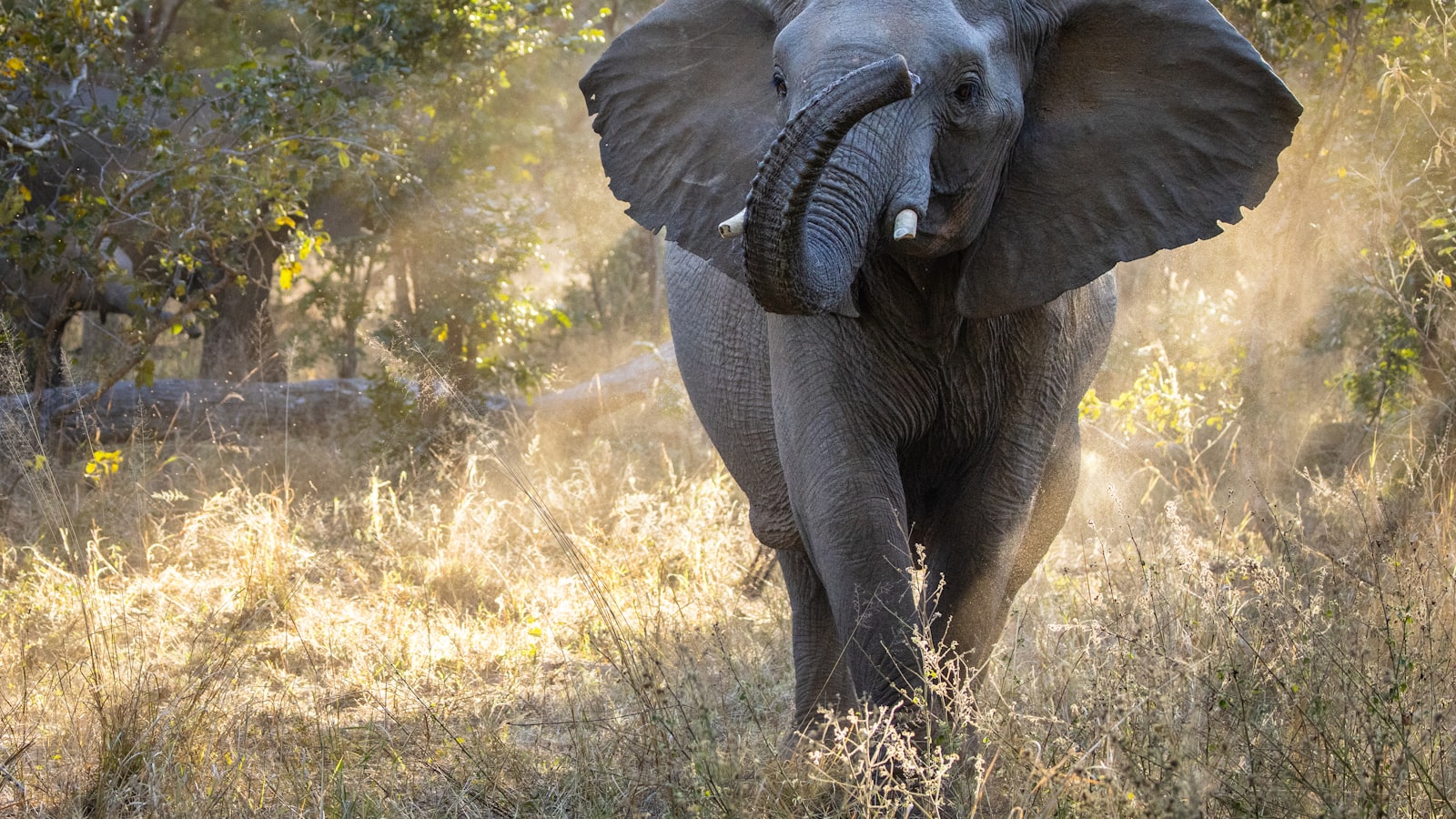
Photo by Ian Mackey on Unsplash
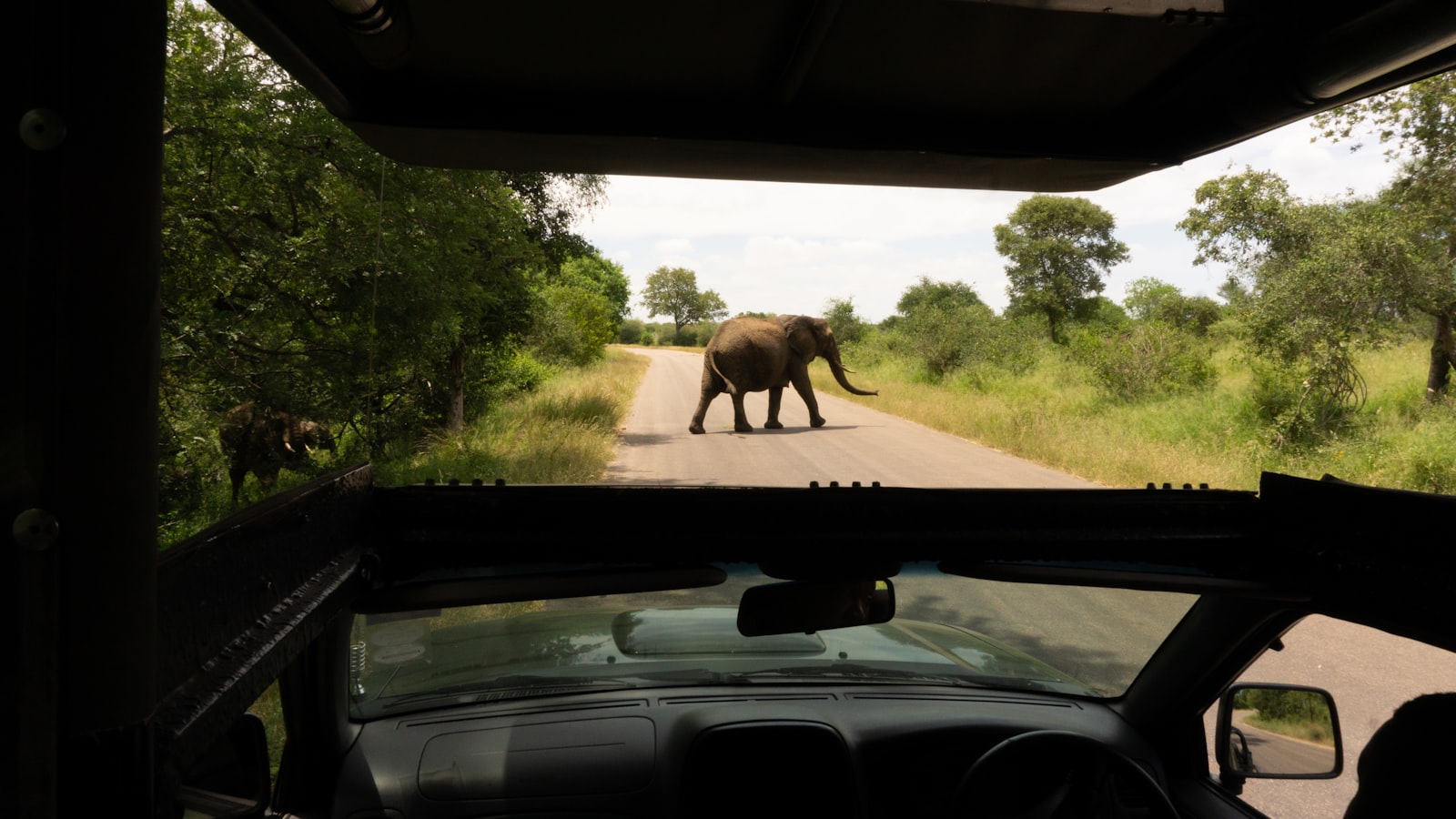
Elephants define Gonarezhou. The park holds thousands of them, and for years these herds were famously wary of vehicles and people, a legacy of a hard past of poaching and culling in the late twentieth century. As protection has improved, the elephants have grown noticeably calmer, though they still command respect and a cautious distance.
Predators are present but require patience. Lion and leopard occur throughout the park, and Gonarezhou is an important stronghold for the endangered African wild dog, which ranges widely across the transfrontier landscape. Sightings are never guaranteed, which is part of the wild appeal.
Plains game and specialities round out the picture. The park is a reliable place to see nyala, a beautiful, localised antelope of dense riverine thickets, alongside zebra, kudu, buffalo, eland and impala. Hippos and large crocodiles patrol the rivers, and the birdlife is excellent, with more than 400 species recorded.
A conservation turnaround
Gonarezhou's recent history is one of African conservation's quieter success stories. After decades of pressure, including heavy poaching and difficult culling programmes, the park was struggling. In 2017 management passed to the Gonarezhou Conservation Trust, a partnership between the Zimbabwe Parks and Wildlife Management Authority and the Frankfurt Zoological Society.
The Trust took on a long-term mandate to run and fund the park, investing in anti-poaching, infrastructure, community engagement and monitoring. The results have been encouraging: elephant and other wildlife populations have recovered strongly, and the park has even been able to translocate animals to help restock other reserves.
For visitors, this turnaround means improved roads, gates and facilities, plus the knowledge that tourism revenue feeds directly back into protecting one of southern Africa's last great wildernesses.
Things to do: game drives, walking and camping
Gonarezhou is built for self-drive exploration. A network of rough tracks links the rivers, cliffs and waterholes, and confident 4x4 travellers can spend days moving between viewpoints and remote campsites, watching for elephants along the sand rivers. A high-clearance 4x4 is essential, and sand and river crossings demand experience.
Walking is one of the park's great pleasures. Guided walks, offered by camps and licensed operators, let you read tracks, approach the cliffs on foot and feel the scale of the place in a way no vehicle allows. The Runde and Save valleys, and the Chilojo viewpoints, are highlights.
Camping is central to the experience. The park offers exclusive-use wilderness campsites, many in spectacular riverside or clifftop settings, which you must be fully self-sufficient to use, carrying your own water, fuel, food and recovery gear.
- Self-drive 4x4 game viewing along the Runde and Save rivers
- Clifftop and valley-floor viewpoints at the Chilojo Cliffs
- Guided walking safaris with camps and licensed operators
- Exclusive wilderness camping at remote, self-sufficient sites
- Birdwatching and river viewing for hippos and crocodiles
Best time to visit Gonarezhou
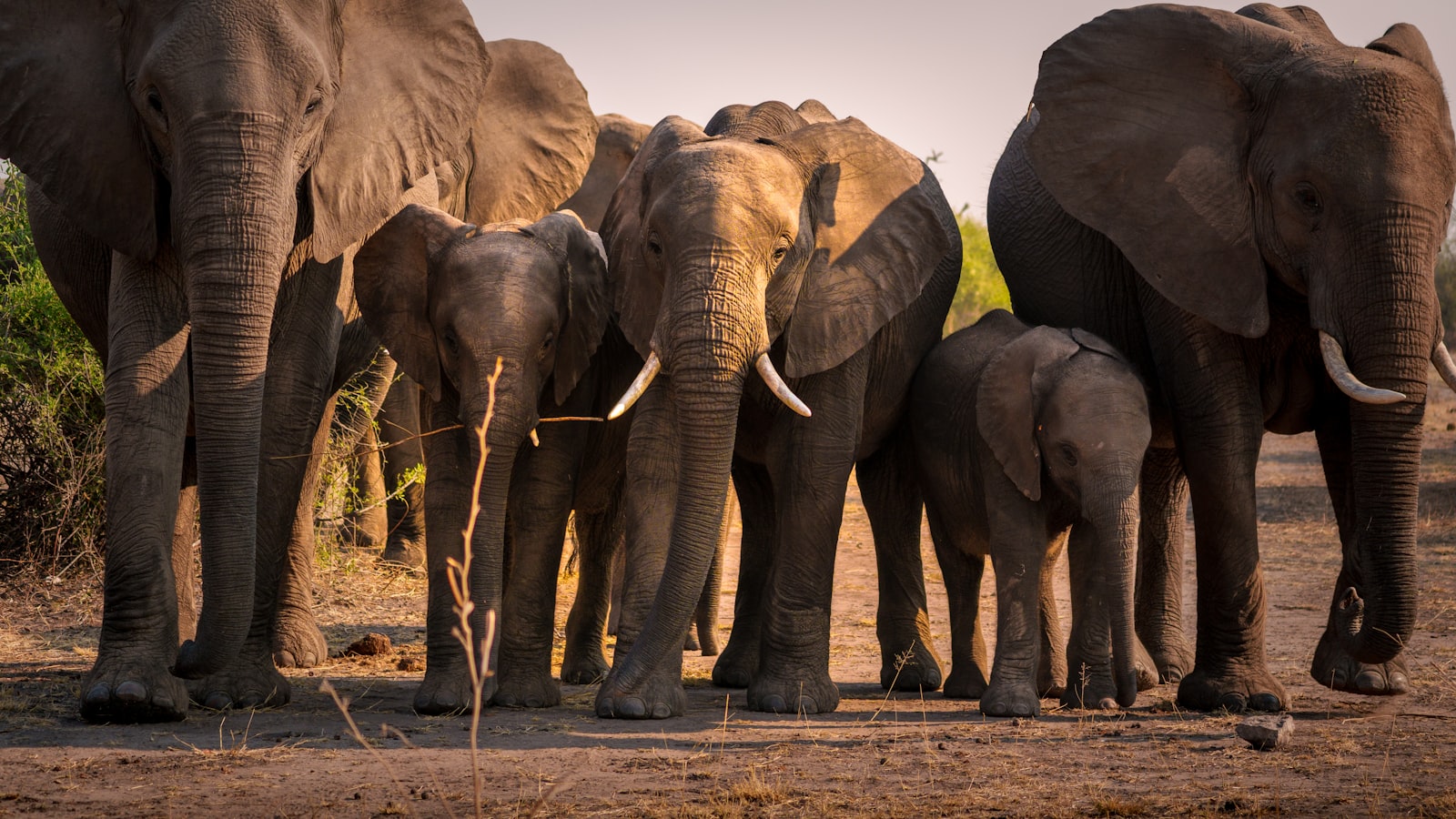
Photo by Ed Wingate on Unsplash
The dry season, roughly May to October, is the prime time to visit. As surface water dries up, wildlife concentrates along the Runde and Save rivers and the remaining pools, making game easier to find, while the roads are firm and the park is at its most accessible. June and July are cooler; September and October are very hot but excellent for sightings.
The wet season, from about November to March, transforms the park into lush, green country with superb birding and dramatic skies, but rain can make tracks impassable and rivers may flood crossings. Some camps and routes close, and access becomes far harder.
If reliable access and dense river game are the priority, plan for the dry season. Travellers chasing scenery, solitude and birds, and equipped for tough conditions, may still relish the green months.
Getting there and where to stay
Gonarezhou takes effort to reach. By road it is a long drive from Harare or Bulawayo, typically a full day or more, with the final stretches on dirt. The park has two main gates: Chipinda Pools in the north, near the town of Chiredzi and the Runde River, and Mabalauta in the south, on the Mwenezi River. Fly-in access to airstrips is possible for those on serviced safaris.
Its position in the lowveld makes Gonarezhou easy to combine with the wider region. It can be paired with the private conservancies of the Save Valley to the north, or, via the transfrontier links and border crossings, with a Kruger safari in South Africa.
Accommodation is limited and varied. At the budget end are inexpensive self-drive and exclusive-use campsites run within the park; at the upper end sit a handful of small camps and lodges offering guided safaris and full service. There is little in between, which keeps visitor numbers low and the atmosphere wild.
Frequently Asked Questions
- What does Gonarezhou mean?
- Gonarezhou is a Shona name usually translated as "place of elephants". The name reflects the park's defining feature: large herds of elephant that range across its woodlands and rivers. The park has long been associated with elephants and remains one of Zimbabwe's most important strongholds for them today.
- Where are the Chilojo Cliffs?
- The Chilojo Cliffs stand above the Runde River valley in the northern part of Gonarezhou, reachable from the Chipinda Pools area. They are tall red sandstone cliffs and the park's signature landmark. You can view them both from clifftop viewpoints and from the valley floor near the river.
- Is Gonarezhou good for self-drive safaris?
- Yes, Gonarezhou is one of southern Africa's classic self-drive wilderness parks, but it suits experienced, self-sufficient travellers. A high-clearance 4x4 is essential, tracks are rough and sandy, and there are few facilities. You should carry your own water, fuel, food and recovery gear and be confident handling remote conditions.
- When is the best time to visit Gonarezhou?
- The dry season, from about May to October, is best. Wildlife gathers along the Runde and Save rivers, roads are firm and access is easiest. June and July are cooler, while September and October are hot but excellent for game. The wet season is green and good for birds but access becomes difficult.
- How do I get to Gonarezhou?
- Most visitors drive, a long day or more from Harare or Bulawayo, entering via Chipinda Pools in the north or Mabalauta in the south. The final roads are dirt and a 4x4 is recommended. Fly-in access to airstrips is available for guests on serviced safaris, and the park can be combined with Kruger across the border.
- Is Gonarezhou safe and worth visiting?
- Gonarezhou is a well-managed park run by the Gonarezhou Conservation Trust, and wildlife populations have recovered strongly in recent years. It is worth visiting for travellers who want true wilderness and solitude rather than guaranteed sightings or polished lodges. Come prepared, respect the elephants and the remote conditions, and it rewards handsomely.