A practical guide to travelling Namibia: Etosha's waterholes, the red dunes of Sossusvlei, the Skeleton Coast and Damaraland, with realistic self-drive logistics and timing.
- Capital
- Windhoek (airport code WDH)
- Currency
- Namibian dollar (N$), pegged 1:1 to and interchangeable with the South African rand
- Best time to visit
- Dry winter, May to October, for wildlife and mild days
- Main airport
- Hosea Kutako International, ~45km east of Windhoek
- Getting around
- Self-drive; 2WD fine on main routes, high-clearance or 4x4 useful for remote areas
- Malaria
- Mainly the far north (Etosha, Zambezi/Caprivi); low risk elsewhere
Namibia is one of Africa's most rewarding self-drive destinations: a vast, dramatically arid country on the south-western Atlantic coast, and one of the least densely populated nations on earth. Empty horizons, well-graded gravel roads and a strong tourism backbone make it unusually easy to explore independently, even on a first trip to the continent.
The headline sights span enormous variety. Etosha National Park delivers excellent dry-season game viewing around a giant salt pan; Sossusvlei holds the Namib's towering red dunes and the bleached pan of Deadvlei; Swakopmund mixes German-colonial quirk with adrenaline activities; and the Skeleton Coast, Damaraland and Fish River Canyon push into genuine wilderness.
This guide covers what to see, how to plan a realistic self-drive loop, when to go, and the practical details of money, visas, vehicles and malaria so you can build an itinerary that works.
Why Namibia suits independent travellers
Few countries reward self-drive travel as well as Namibia. The road network is good and clearly signed, traffic is light, and the main tourist circuit is served by tar roads and well-maintained gravel. Distances are large but the driving itself is straightforward, with the main hazards being loose gravel, sudden patches of sand and wildlife on the road, especially at dawn and dusk.
The country is also reassuringly set up for visitors. Rest camps, guest farms and lodges are well established, fuel and supplies are reliable in towns, and English is the official language and widely spoken. For travellers who want the freedom to set their own pace, stop for photographs and reach remote corners without a guide, Namibia is hard to beat.
That said, the scale demands respect. Phone signal disappears for long stretches, settlements are far apart, and a flat tyre on a quiet gravel road is a real possibility. Carry water, a spare (ideally two), and plan fuel stops carefully rather than assuming the next town will have a working pump.
Etosha National Park: waterhole game viewing
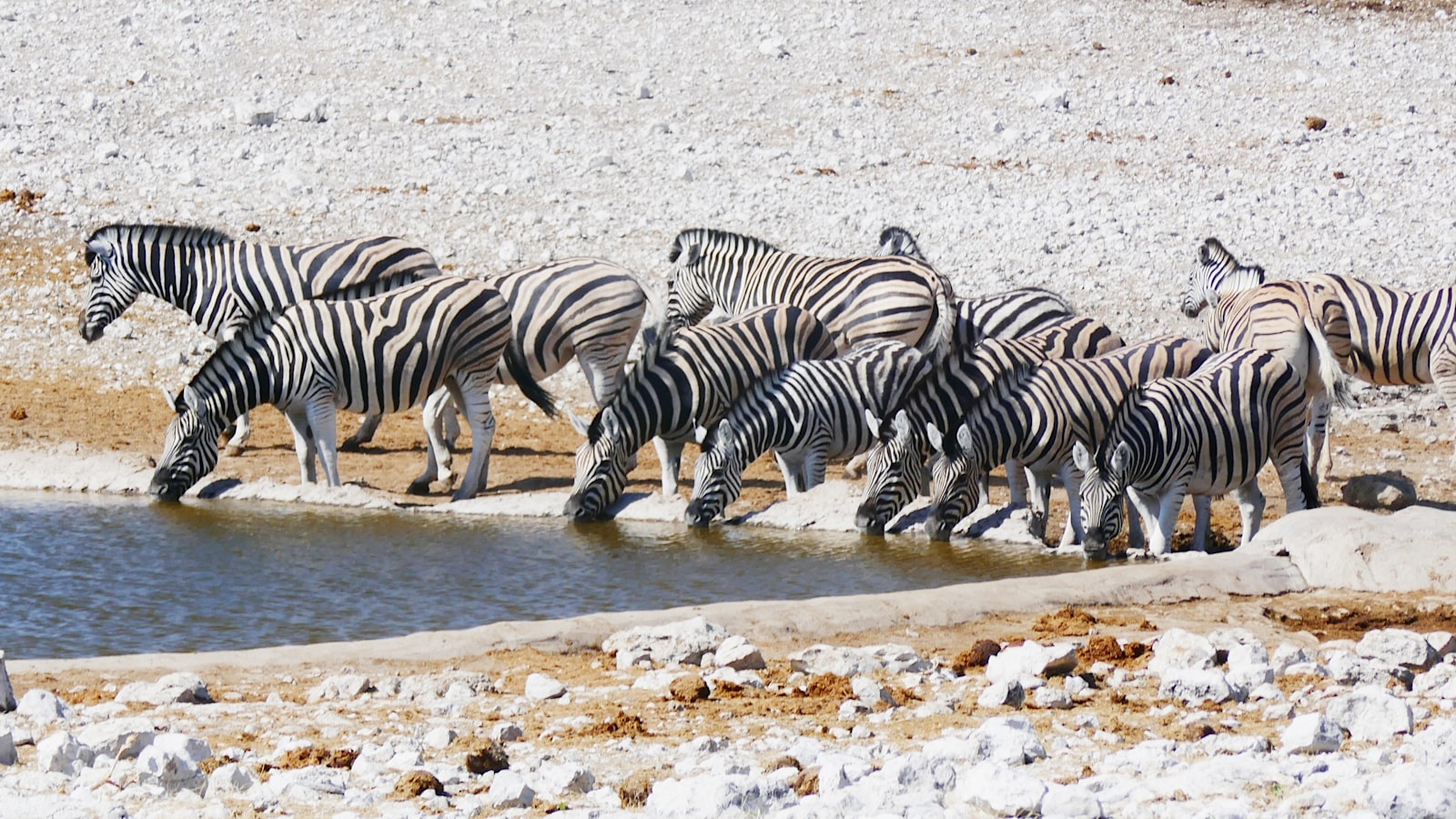
Photo by Anna Sullivan on Unsplash
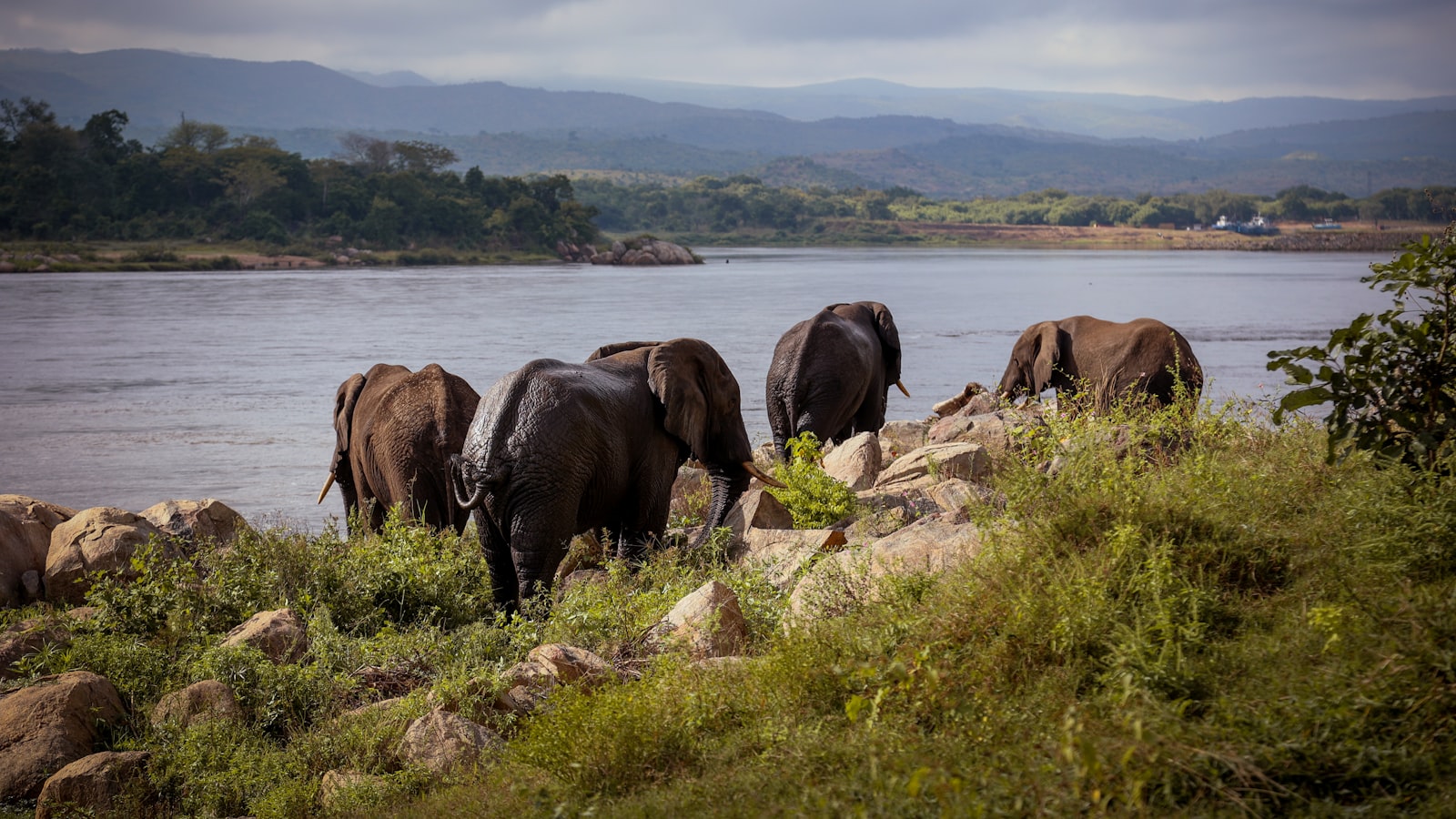
Etosha National Park is the country's wildlife centrepiece, built around a vast salt pan so large it is visible from space. In the dry season, animals concentrate around the park's waterholes, making sightings predictable and easy to plan: you simply position yourself at a productive waterhole and wait. Elephant, lion, black rhino, giraffe, springbok, oryx, zebra and a long list of plains game are all regularly seen.
Self-drivers love Etosha because the fenced rest camps double as comfortable bases. Camps such as Okaukuejo, Halali and Namutoni have their own floodlit waterholes where you can sit after dark, often with excellent rhino and elephant sightings. Okaukuejo's waterhole in particular has a strong reputation for night-time rhino visits.
- Visit in the dry months (roughly June to October) when animals cluster at water and the bush is thin.
- Enter the park early and aim to be at a waterhole during the cool first and last hours of daylight.
- Book rest camps well ahead in peak season; they fill quickly, especially around school holidays.
- Respect the gate times strictly — being caught out after the camp gates close carries a fine.
Sossusvlei and the dunes of the Namib
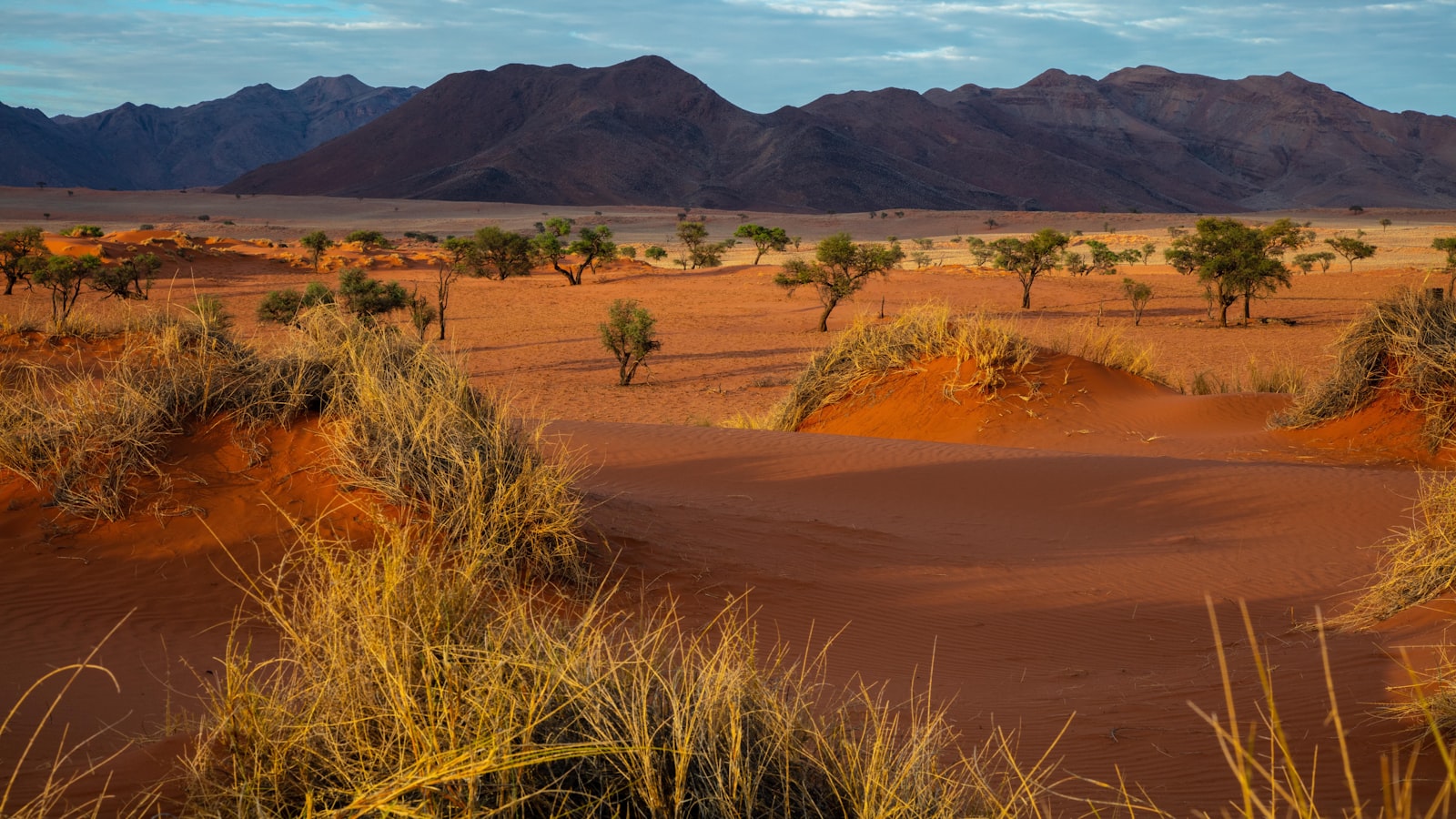
Sossusvlei, in the Namib-Naukluft, is the image most people carry of Namibia: enormous, sculpted red dunes rising hundreds of metres above pale clay pans. The most famous landmarks are the towering dunes you can climb, including the much-photographed Dune 45 and 'Big Daddy', and the stark white pan of Deadvlei, studded with blackened, centuries-old camel-thorn trees.
Light is everything here. The classic plan is to enter at the Sesriem gate at first light, drive the sealed road to the dunes, and reach Deadvlei before the sun is high so the dune faces still glow and the pan is partly shaded. The last few kilometres to Sossusvlei itself are deep sand, where a 4x4 or the park shuttle is needed; ordinary cars park at the 2WD lot and transfer in.
Plan at least one full night in the area, ideally inside the park gate at Sesriem so you can beat the day-visitor crowds. We have a dedicated guide to photographing Sossusvlei if you want detailed advice on timing, lenses and the best vantage points.
Swakopmund and the Skeleton Coast
Swakopmund is Namibia's coastal playground: a tidy German-colonial town of pastel facades, cafes and bakeries, wedged between the cold Atlantic and the dunes. It is the country's adventure capital, with dune boarding, quad biking, skydiving and scenic flights all on offer, plus calmer pleasures like fishing and birdwatching at the nearby Walvis Bay lagoon, where flamingos gather in numbers.
North of Swakopmund the coast turns wild and forbidding. The Skeleton Coast takes its name from the bones of whales and the wrecks of ships driven ashore in the fog, and a handful of rusting hulks are still visible from the road. The Cape Cross seal colony, roughly two hours north of Swakopmund, holds tens of thousands of Cape fur seals — a remarkable, if pungent, spectacle.
The southern, more accessible part of the Skeleton Coast can be driven independently as a day trip or en route north. The far northern wilderness section is largely fly-in and fee-controlled, usually visited through specialist lodges rather than on a casual self-drive.
Damaraland, Fish River Canyon and Kolmanskop
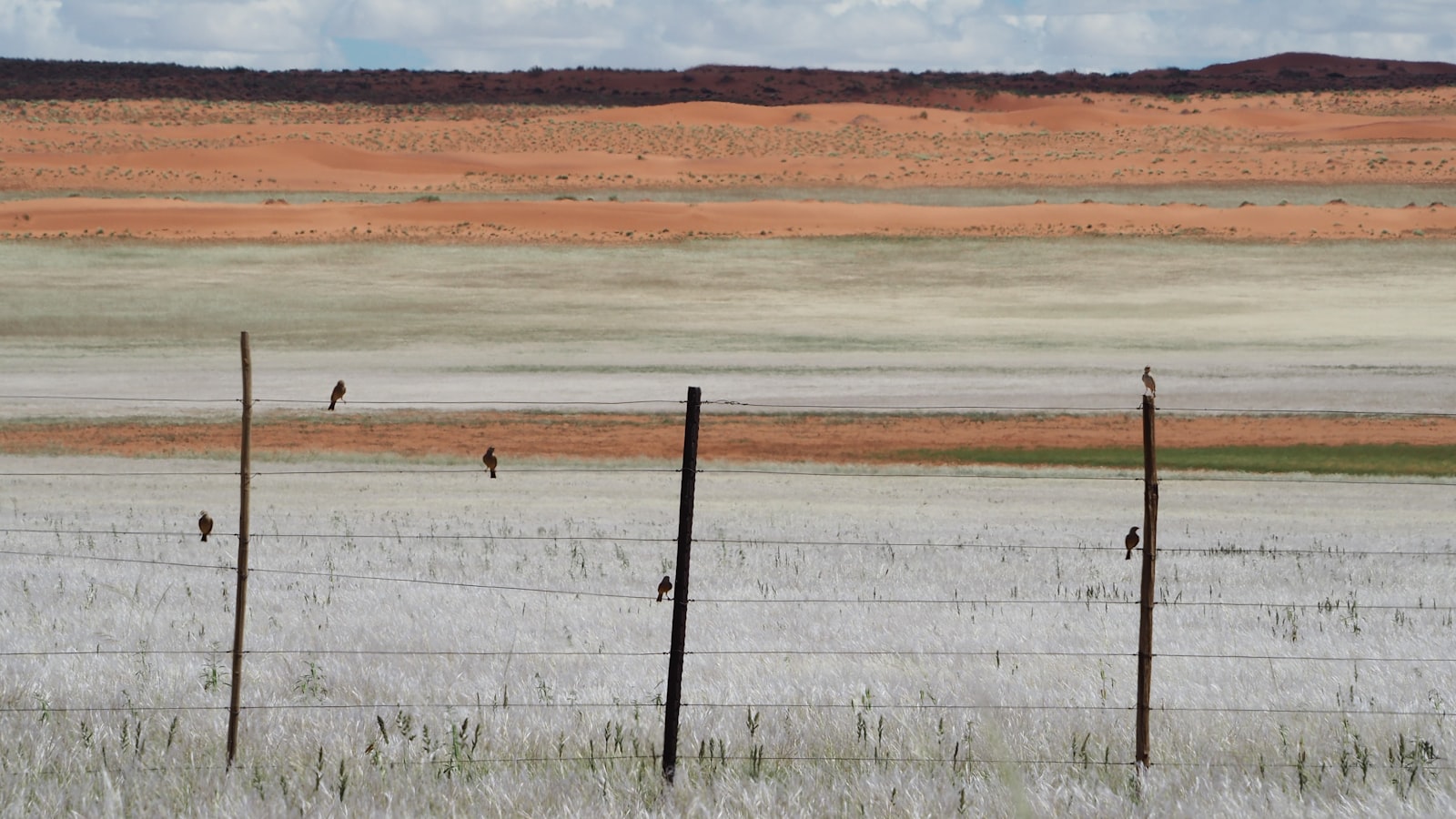
Photo by Nicoletta Rossi Ganzer on Unsplash
Damaraland, inland from the Skeleton Coast, is rugged, sparsely populated and full of surprises. It is one of the best places in Africa to look for free-ranging desert-adapted elephants and black rhino, which survive in this dry terrain with the help of conservancy and tracking programmes. The area also holds Twyfelfontein, a UNESCO World Heritage Site with thousands of ancient rock engravings, alongside oddities like the Petrified Forest and the Organ Pipes rock formation.
Far to the south lies Fish River Canyon, among the largest canyons in the world, a giant gash in the plateau best seen from the viewpoints near Hobas. The multi-day hike along its floor is a serious undertaking, open only in the cooler months and requiring permits and proof of fitness; most visitors simply admire it from the rim.
Near Lüderitz on the south-west coast, the ghost town of Kolmanskop is slowly being reclaimed by the desert. Once a wealthy diamond-mining settlement, its grand houses now stand half-buried in sand, making it one of the country's most atmospheric and photogenic stops. Entry requires a permit, sold on site or in Lüderitz.
Planning a self-drive loop and distances
Namibia is big, and driving days are long. A common two-week loop runs Windhoek to Sossusvlei, up to Swakopmund, on through Damaraland to Etosha, then back to Windhoek — a route that strings together the country's greatest hits but involves several four-to-six-hour driving days on gravel. As a rough sense of scale, Windhoek to Sossusvlei is around 5 hours, Swakopmund to Etosha's western side a similar stretch, and the south (Fish River Canyon, Lüderitz) adds long days again.
Drive defensively and conservatively. Gravel roads are best taken at moderate speeds — many accidents come from over-speeding and oversteering on loose surfaces. Keep the tank topped up: fill whenever you pass a working fuel station rather than waiting, as pumps can be far apart and occasionally out of fuel or cash-only.
Build in slack. Trying to see Sossusvlei, the coast, Damaraland, Etosha and the south in one trip means rushing; most travellers pick a northern or southern focus, or allow three weeks. Booking lodges and rest camps ahead is wise in the May-to-October peak.
- Classic 14-day loop: Windhoek, Sossusvlei, Swakopmund, Damaraland, Etosha, Windhoek.
- Expect several driving days of 4 to 6 hours, mostly on gravel.
- Refuel at every reliable town; carry water and at least one good spare tyre.
- Avoid driving at night, when wildlife and unlit hazards are most dangerous.
When to go, getting there and around
The dry winter, roughly May to October, is the best all-round time to visit. Wildlife concentrates at Etosha's waterholes, skies are clear, days are mild and the air is comfortable for hiking and dune-climbing, though desert nights can be cold. The summer months from November to April are hotter, with occasional dramatic thunderstorms; the landscape greens up and birding improves, but wildlife disperses and some roads can wash out.
Most visitors arrive at Hosea Kutako International Airport (WDH), about 45km east of Windhoek, with regional connections through Johannesburg and other hubs. Car hire is the standard way to get around, with firms at the airport and in Windhoek offering everything from compact 2WDs to fully kitted camping 4x4s.
A 2WD car copes well with the main tourist routes and tar roads. A high-clearance vehicle or 4x4 makes life easier on rougher gravel and is genuinely needed for the deep sand at Sossusvlei, parts of Damaraland and any remote tracks. Many travellers hire a 4x4 with a rooftop tent to combine transport and accommodation.
Money, visas and health
The local currency is the Namibian dollar (N$), pegged one-to-one with the South African rand, which is also accepted everywhere; Namibian dollars, however, are not generally usable back in South Africa. Cards are widely accepted in towns and at lodges, but carry cash for fuel, park fees, permits and rural stops where machines may be offline.
Many nationalities can visit Namibia visa-free for tourism for a limited stay, though rules change and some travellers now need to register or pay a fee on arrival — always confirm the current requirements with an official Namibian source before booking. Ensure your passport has enough validity and blank pages.
Namibia is largely a low-malaria destination. The real risk is concentrated in the far north — Etosha and especially the Zambezi (Caprivi) region — and is highest in the wetter months. Most of the central and southern country, including Sossusvlei, Swakopmund and the coast, is considered very low risk. Seek personalised medical advice on antimalarials, and take the usual sun, water and insect precautions in this intense desert climate.
Frequently Asked Questions
- Is Namibia safe for a self-drive holiday?
- Yes, Namibia is one of Africa's easiest and safest self-drive countries. Roads are good and well signed, and the tourist circuit is well established. The main risks are practical: long distances, gravel-road accidents from over-speeding, and isolation. Drive carefully, avoid night driving, carry water and spares, and fuel up whenever you can.
- When is the best time to visit Namibia?
- The dry winter from May to October is best overall. Wildlife gathers at Etosha's waterholes, skies are clear and days are mild, ideal for game viewing and dune-climbing, though nights get cold. Summer, November to April, is hotter with occasional storms; the desert greens up and birding improves, but wildlife disperses and some roads may flood.
- Do I need a 4x4 to travel in Namibia?
- Not for the main routes. A 2WD car handles the tar roads and good gravel that link most highlights. However, a high-clearance vehicle or 4x4 is genuinely useful on rougher gravel and is needed for the deep sand at Sossusvlei and remote tracks in Damaraland. Many travellers hire a 4x4 with a rooftop tent for flexibility.
- Do I need a visa to visit Namibia?
- Many nationalities can enter Namibia visa-free for short tourist stays, but rules are changing and some visitors now face a registration step or arrival fee. Requirements depend on your passport, so always confirm with an official Namibian government source before you travel and ensure your passport has sufficient validity and blank pages.
- Is there malaria in Namibia?
- Malaria risk is largely confined to the far north, mainly Etosha and the Zambezi (Caprivi) region, and is highest in the wetter summer months. Most of central and southern Namibia, including Sossusvlei, Swakopmund and the coast, is very low risk. Seek personalised medical advice on antimalarials and take standard insect precautions in the north.
- What currency is used in Namibia?
- Namibia uses the Namibian dollar (N$), pegged one-to-one with the South African rand, which is also accepted everywhere in the country. Note that Namibian dollars are not generally usable in South Africa. Cards work in towns and lodges, but carry cash for fuel, park fees, permits and remote areas where card machines may be offline.
- How many days do you need in Namibia?
- Allow at least 10 to 14 days for a satisfying loop taking in Sossusvlei, Swakopmund, Damaraland and Etosha, given the long driving distances. With three weeks you can add the south, including Fish River Canyon and Kolmanskop, without rushing. Shorter trips work best if you focus on either the north or the south rather than both.