
Malawi
The Warm Heart of Africa. Lake Malawi, a freshwater sea stretching most of the country's length, is the centrepiece, offering beaches, diving, and island escapes. Beyond the lake, the African Parks-managed reserves of Liwonde, Majete, and Nkhotakota deliver Big Five safari at a fraction of regional prices, and the country's highland trio (Mulanje, Nyika, Zomba) opens a side of Africa that looks nothing like the savannah.
Photo by Craig Manners on Unsplash
About Malawi
Malawi is the country travellers discover late and regret not visiting sooner. It is not on every Africa itinerary, historically overshadowed by the high-volume safari machines of its neighbours, and that omission is the most consistent thing people say when they return: they wish they had come sooner, stayed longer, and told fewer people about it. The nickname is not marketing. The Warm Heart of Africa is what Malawi genuinely is: a country whose people greet strangers with a particular openness, whose villages operate on a philosophy of communal welcome, and where the encounter between traveller and host has not yet been processed into transactional efficiency.
Beneath the human dimension lies extraordinary ecological diversity. Lake Malawi covers a fifth of the country's surface area, an ancient rift lake of such evolutionary significance that its 1,000+ endemic cichlid species have been compared to the Galápagos finches as a laboratory of natural selection. The southern lakeshore around Cape Maclear and the islands of the UNESCO-inscribed Lake Malawi National Park (Mumbo, Domwe) are the most accessible introduction; remote Likoma Island in the lake's eastern half pairs world-class diving with a 1905 Anglican cathedral larger in footprint than Winchester.
Malawi's wildlife story is one of the most compelling in contemporary African conservation. Liwonde, Majete, and Nkhotakota, all managed by African Parks, have been transformed from near-empty land into thriving ecosystems holding the Big Five, wild dogs, cheetahs, and (since 2018, at Majete) giraffes. The 2016–17 Nkhotakota translocation moved 500 elephants and 2,000 other animals into a single reserve in the largest such operation in African history. Walking safaris on the Bua, boat safaris on the Shire, and rhino tracking on foot at Liwonde are all available at a fraction of regional safari prices. The highland trio, Nyika Plateau (213 orchid species, horseback safaris among roan antelope), Mount Mulanje (3,002-metre Sapitwa, central Africa's premier trekking massif), and the gentler Zomba Plateau, opens a register that looks nothing like savannah Africa, and Livingstonia (the cliff-top mission town) and the UNESCO Chongoni Rock Art (2,000 years of continuous artistic tradition) provide the historical and cultural depth that completes the picture. Compact, navigable, affordable, and genuinely uncrowded at globally significant destinations.
Explore Malawi
In-depth guides to the destinations that define a trip to Malawi.
Africa's Inland Sea and Cichlid Capital
Lake Malawi
A 580-kilometre UNESCO-inscribed rift lake holding more fish species than any other lake on earth. Snorkelling and diving on Cape Maclear's …
The Shire River Big Five Safari
Liwonde National Park
Malawi's premier Big Five safari, transformed by African Parks from a depleted reserve into a functioning ecosystem with rhino tracking, boa…
Africa's Greatest Conservation Comeback
Majete Wildlife Reserve
Malawi's first Big Five reserve, rebuilt from complete depletion by African Parks since 2003. Lions, black rhinos, elephants, leopards, buff…
Malawi's High Plateau
Nyika National Park
Malawi's largest park, 3,134 square kilometres of high-altitude montane grassland averaging 2,000 metres. Roan antelope, leopards, 213 orchi…
Central Africa's Premier Trekking Massif
Mount Mulanje
A 3,002-metre granite massif rising abruptly from the tea estates of southern Malawi. Twenty distinct peaks, the critically endangered Mulan…
Malawi's Green Capital
Lilongwe
Malawi's primary international entry point and a sprawling, low-rise capital with a wildlife sanctuary in its centre, an Old Town market tha…
Malawi's Wild Forest
Nkhotakota Wildlife Reserve
Malawi's largest reserve and the recipient of the largest wildlife translocation in African history, 500 elephants and 2,000 other animals m…
Malawi's Remote Island Sanctuary
Likoma Island
A 17-square-kilometre Malawian sovereign island in the middle of Mozambican lake waters. St Peter's Cathedral, completed 1905, larger in foo…
Malawi's Colonial Highland Retreat
Zomba Plateau
An 1,800-metre forested plateau above Malawi's former colonial capital. Hiking and mountain biking on the forestry trail network, escarpment…
Cliff-edge Mission and UNESCO Rock Art
Livingstonia & Chongoni
Two cultural anchors at opposite ends of the Malawian timeline. Livingstonia, a 19th-century Scottish missionary town perched 700 metres abo…
Top Highlights
When to Visit Malawi
Dry Season
July, October
The most commercially popular and logistically reliable window. Skies are clear, roads accessible, and wildlife concentrates around permanent water, the Shire River in Liwonde, the engineered waterholes of Majete. July is the coolest month nationally; highland destinations (Nyika, Zomba, Mulanje) require warm layering with night temperatures near freezing at elevation. By September and October, heat builds toward the pre-rain peak, game viewing intensifies, and lake activities are at their best, calm, clear water and warm temperatures for snorkelling and diving.
Orchid & Birding Season
December, April
The rains arrive from mid-November and peak December–February, transforming the landscape from dry brown to vivid green. This window is highly valued by specific travellers: birders for the migratory species that flood in, botanists for Nyika Plateau's extraordinary orchid bloom (213 species, 30 endemic), and photographers for the dramatic thunderstorm light. Most safari camps remain operational with modified programming; remote areas require 4WD.
Transitional Shoulder
May, June
The rains recede, leaving clear air, vivid green landscapes, and cooling temperatures. An excellent period combining good wildlife viewing with photogenic conditions and slightly lower rates than peak. Increasingly popular as word spreads.
Getting to Malawi
Most international travellers fly into Kamuzu International Airport (LLW) in Lilongwe or Chileka International Airport (BLZ) in Blantyre, usually via Addis Ababa, Nairobi, or Johannesburg. Regional flights and overland buses connect Malawi to Tanzania, Zambia, and Mozambique. Internal transport relies on a mix of light aircraft (for lake and remote destinations), shared minibuses, and rental vehicles on a generally decent road network.
Main Airports
- Kamuzu International Airport (LLW), Lilongwe
- Chileka International Airport (BLZ), Blantyre
Visa Information
US passport holders do not require a pre-arranged tourist visa for stays of 30 days or less but must pay an entry fee on arrival of US$50 per adult, US$25 per child, in cash USD only, credit card processing at immigration is unreliable, so carry exact cash in clean notes. Other nationalities should confirm requirements via the Malawi High Commission. All foreign currency must be declared on arrival; the maximum exit limit is US$5,000. Passports should have at least 6 months' validity.
From Neighbouring Countries
Malawi shares borders with Mozambique (multiple crossings), Tanzania (Songwe), and Zambia (Mchinji). All are manageable overland, and Malawi is a popular stop on the overland Cape-to-Cairo route. The ferry across Lake Malawi from Tanzania is one of the most scenic and underused border crossings in Africa.
Travel Tips for Malawi
Explore More, Malawi
More in Southern Africa
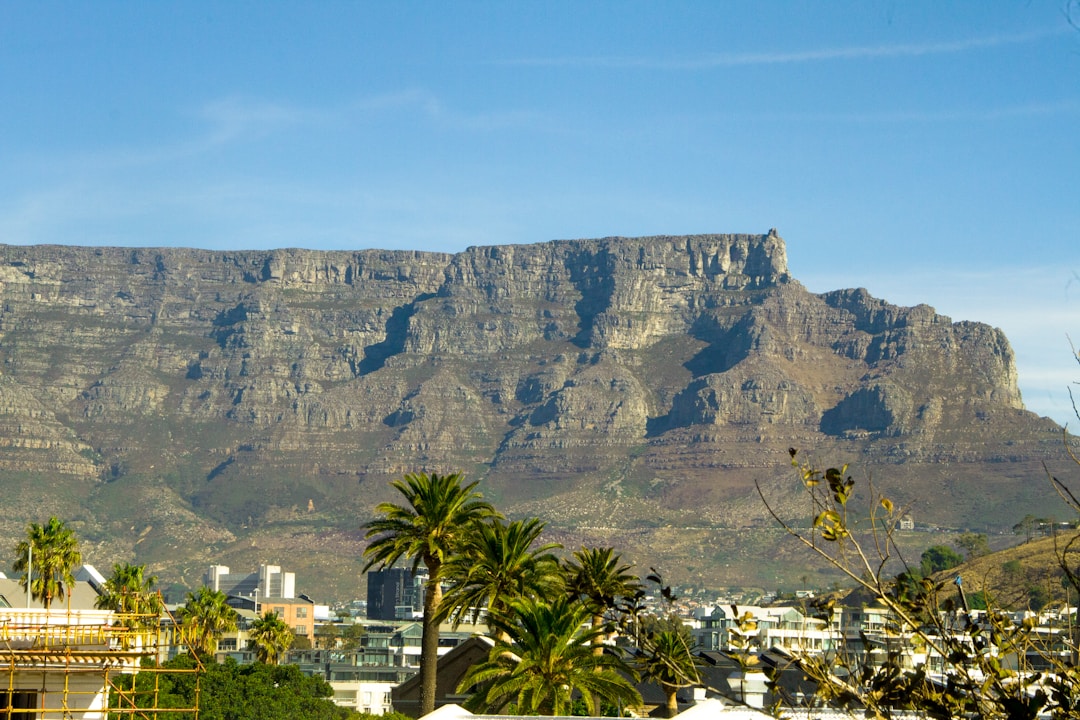
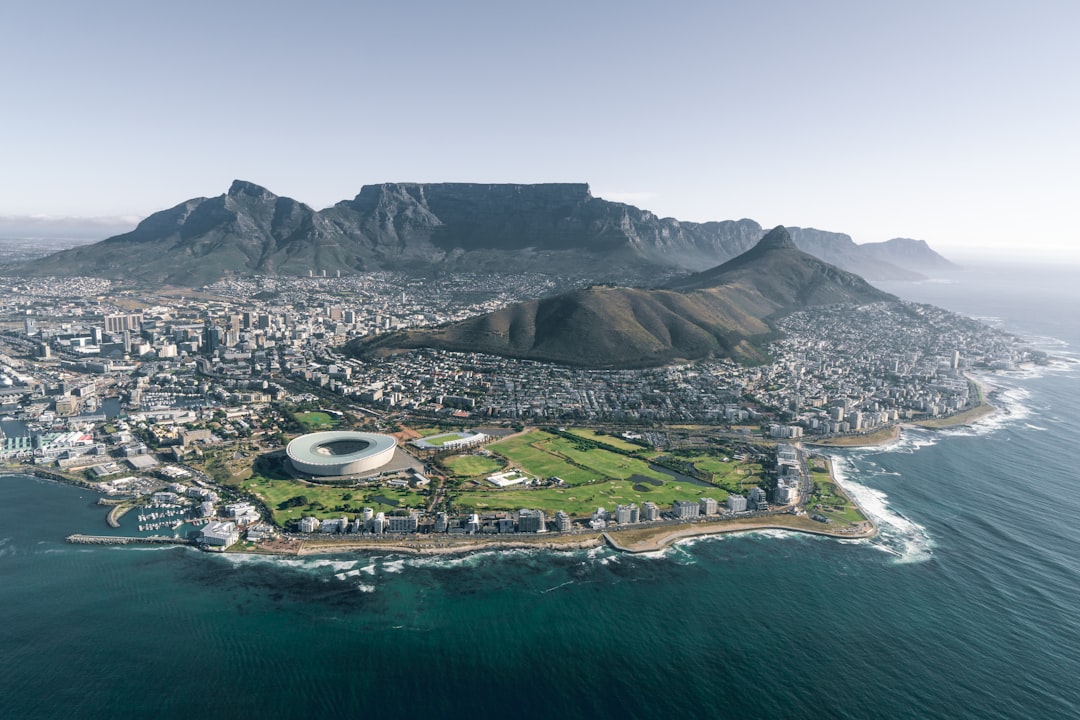
South Africa
Capital: Pretoria
A world in one country, Big Five safari that sets the global benchmark, Cape Town as one of the world's great cities, the Cape Winelands matching the world's best, the Garden Route, the Drakensberg, and the historical depth of the Apartheid Museum and Robben Island. No other African country assembles this range.
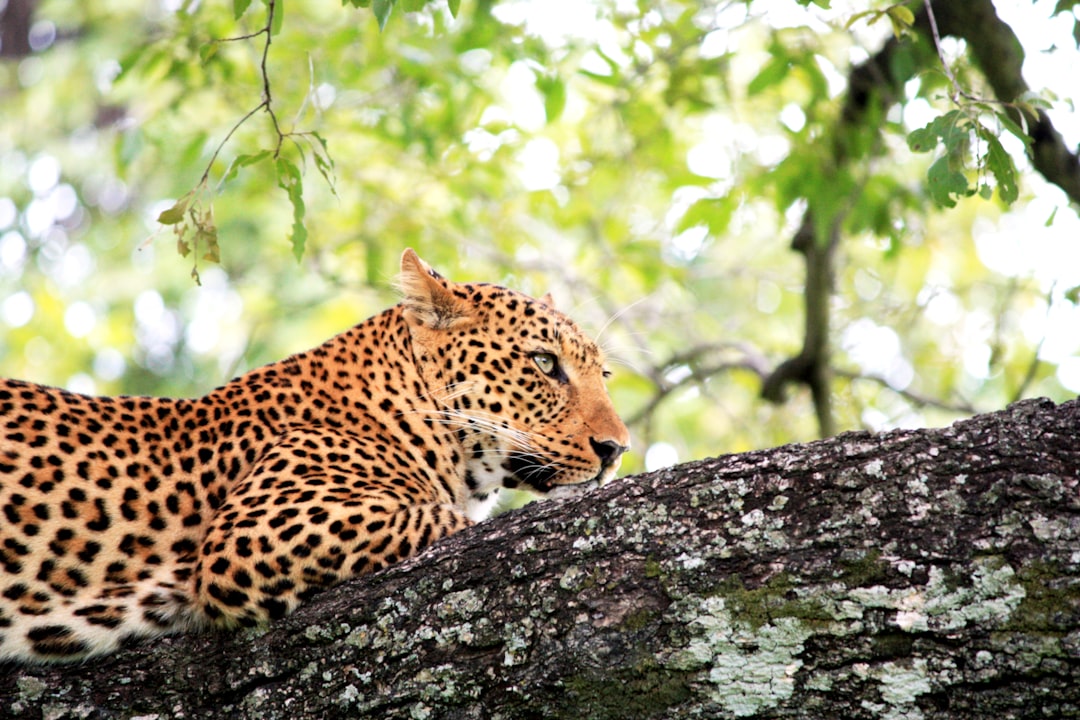
Zambia
Capital: Lusaka
Home to the mighty Victoria Falls and some of Africa's finest walking safaris. Zambia is raw, authentic, and uncrowded, a destination for travellers who want to experience the real Africa.
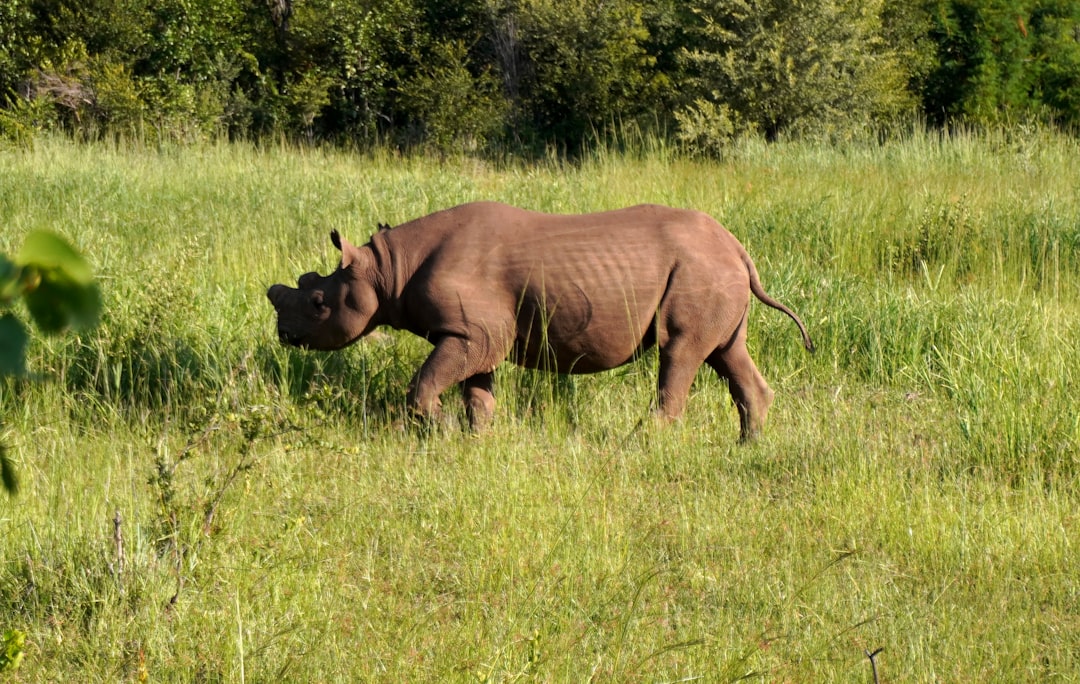
Zimbabwe
Capital: Harare
From the Zimbabwe side of Victoria Falls to the ancient ruins of Great Zimbabwe, this is a country of extraordinary natural beauty and deep cultural heritage. Hwange and Mana Pools deliver world-class safari experiences.
Botswana
Capital: Gaborone
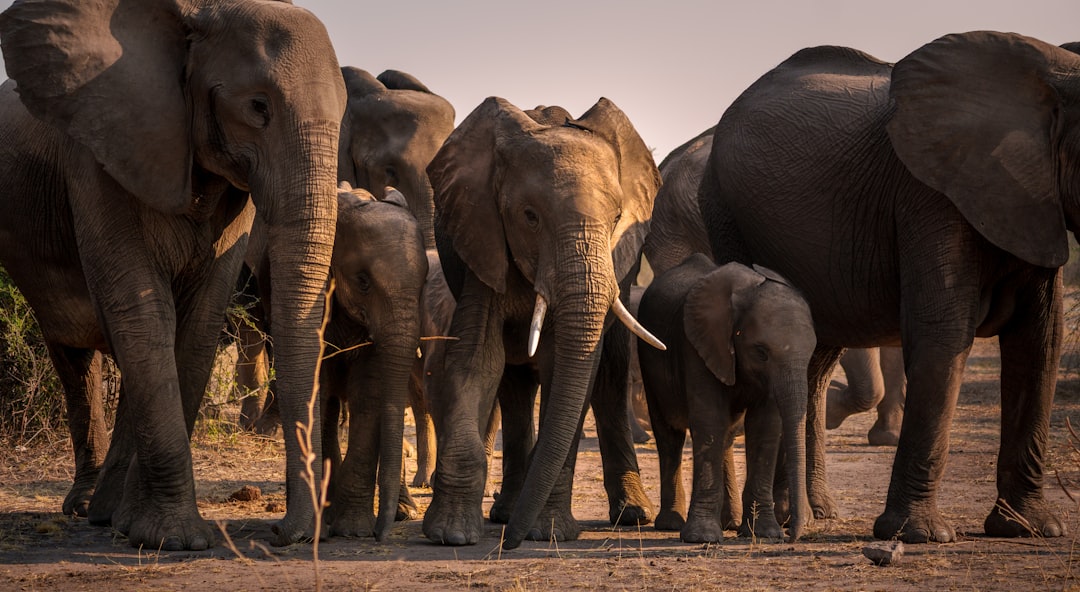
The jewel of Southern African safari. The Okavango Delta, Chobe National Park, and the Makgadikgadi Salt Pans make Botswana one of the most sought-after wildlife destinations on Earth.
Namibia
Capital: Windhoek
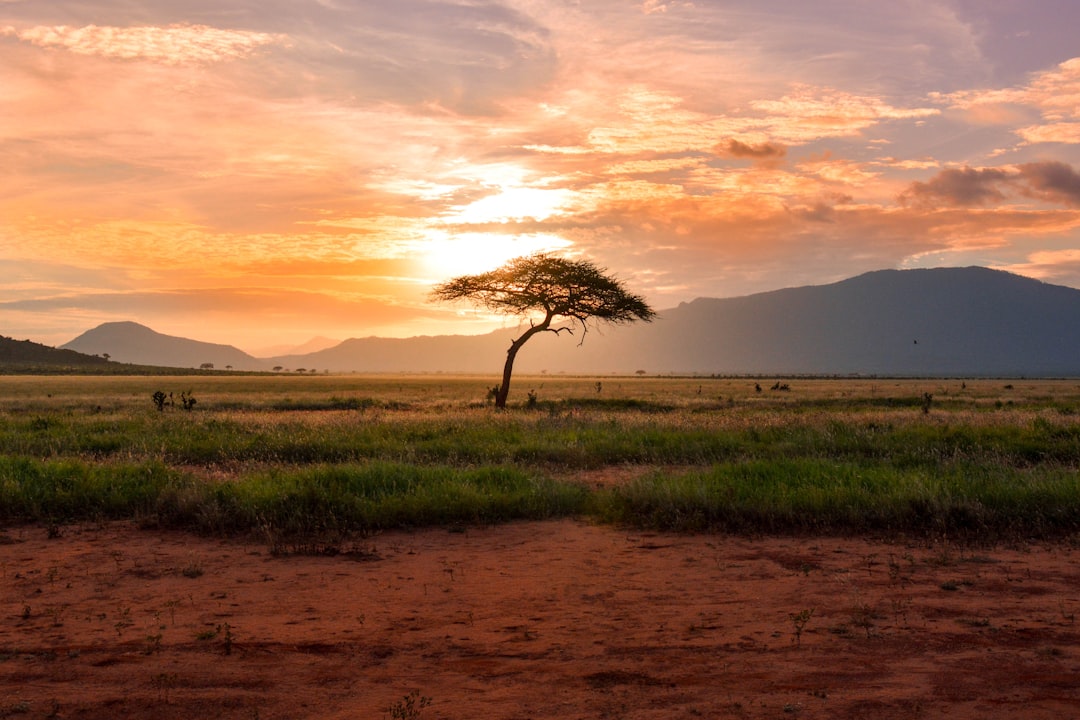
A photographer's paradise of towering red dunes, shipwreck coastlines, and vast desert landscapes. Namibia is one of Africa's most visually striking countries, with excellent self-drive routes and unique desert-adapted wildlife.
Mozambique
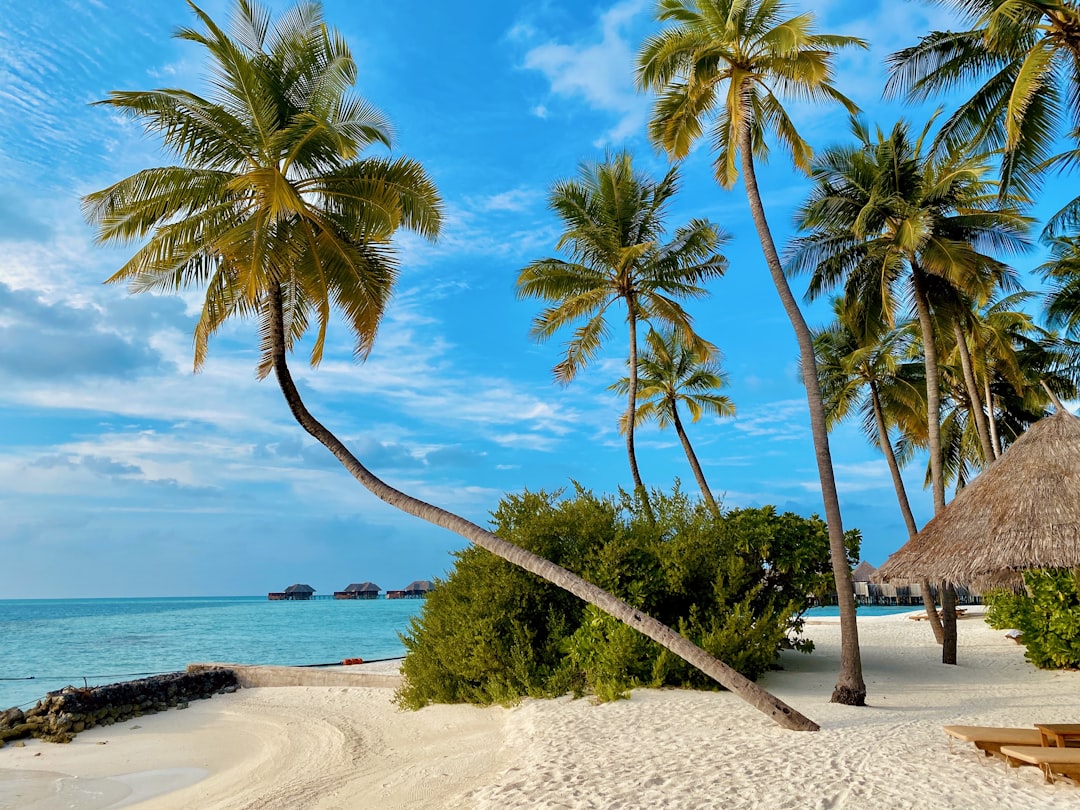
Capital: Maputo
Africa's Indian Ocean paradise, 2,500 kilometres of coast, the Bazaruto Archipelago's last viable dugong population, year-round whale sharks at Tofo, Africa's greatest rewilding story at Gorongosa, and the UNESCO heritage of Ilha de Moçambique. Note: Cabo Delgado Province (including the Quirimbas) is currently subject to Level 4 "Do Not Travel" advisories.