Gabon is Central Africa's rainforest secret, where forest elephants and gorillas wander Atlantic beaches in Loango National Park, the so-called Africa's Last Eden.
- Capital
- Libreville (main gateway, LBV)
- Flagship park
- Loango National Park
- Forest cover
- Around 88% rainforest
- National parks
- 13, created in 2002
- Best months
- Long dry season, ~June to September
- Language
- French (official)
Gabon is one of Africa's least-visited wildlife destinations, a country straddling the equator on the Atlantic coast of Central Africa where roughly 88% of the land is still covered by dense, humid rainforest. Oil-rich, French-speaking and thinly populated with around two million people, it has chosen a different path from many of its neighbours: in 2002 it carved out a national network of 13 national parks and staked part of its future on low-volume ecotourism.
The headline draw is Loango National Park, long dubbed "Africa's Last Eden". This is where the country's most famous and surreal images come from: forest elephants, hippos, buffalo and lowland gorillas moving along wild Atlantic beaches and even into the surf, with mandrills in the forest behind and whales and nesting turtles offshore in season.
This is not an easy or cheap place to travel. It is remote, undeveloped for tourism and reached largely by small aircraft and boat. But for the patient, it offers an encounter with primary rainforest that has almost no equal on the continent.
Where is Gabon and why does it matter?
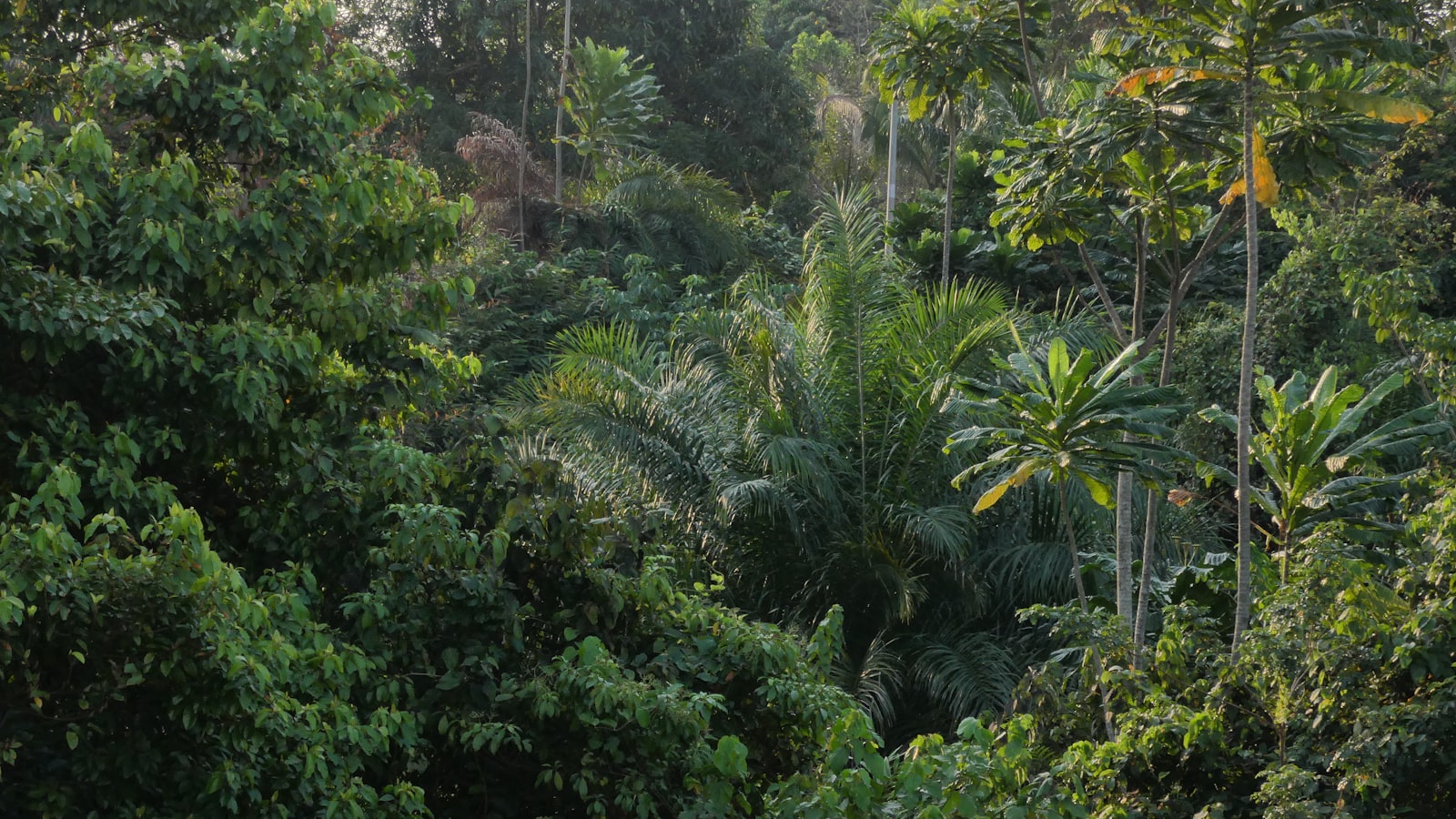
Gabon sits on the western coast of Central Africa, straddling the equator and bordered by Equatorial Guinea, Cameroon and the Republic of the Congo. The Atlantic Ocean forms its long western edge, where rainforest gives way to lagoons, mangroves and surf-pounded beaches. Inland, the country is dominated by the Congo Basin forest, the second-largest tropical rainforest on Earth after the Amazon.
What sets Gabon apart is how much of that forest survives. With a small population concentrated in a few towns and an economy historically built on oil, vast tracts of wilderness have never been cleared. In 2002 the government created a network of 13 national parks covering roughly 11% of the country, a landmark decision that repositioned Gabon as a conservation destination rather than purely an extractive economy.
For travellers, the result is a country where wildlife and pristine habitat, rather than developed infrastructure, are the headline. Expect primary forest, big rivers and a handful of remote, well-run camps rather than a polished safari circuit.
Loango National Park: Africa's Last Eden
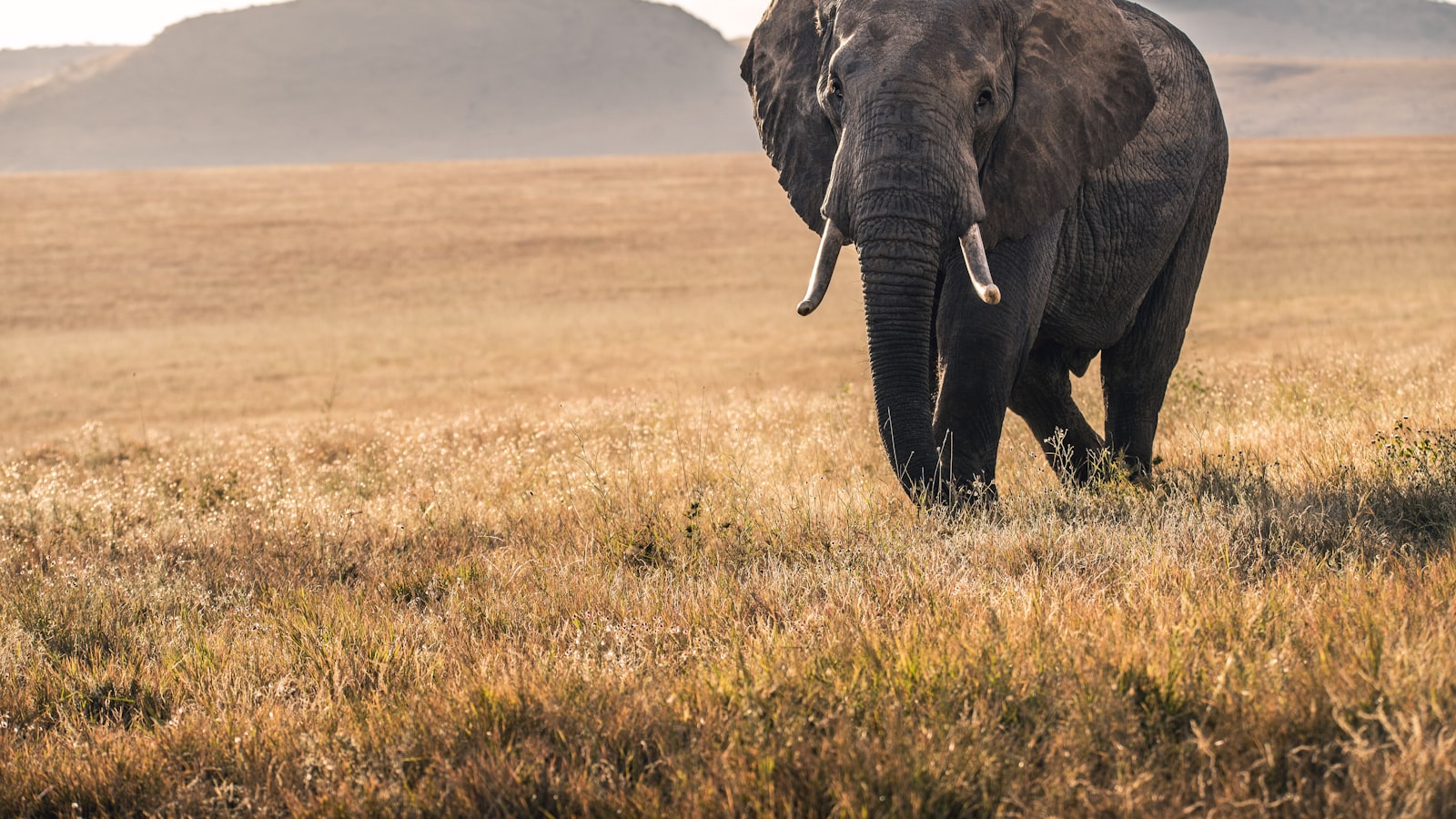
Photo by David Clode on Unsplash
Loango National Park, on the central Atlantic coast, is the reason most visitors come to Gabon. The conservationist Mike Fay's phrase "Africa's Last Eden" stuck because the park delivers scenes found almost nowhere else: forest elephants emerging onto the beach, buffalo grazing the coastal grasslands, hippos surfing in the Atlantic shallows and western lowland gorillas in the forest behind the dunes.
The park is a mosaic of rainforest, savanna, mangrove, lagoon and ocean, and that variety is what concentrates the wildlife. Mandrills move through the forest in large troops, and the Iguela lagoon system teems with fish, drawing predators and birds. Sightings are never guaranteed, but the combination of habitats packed against the coast gives Loango its singular character.
Seasonality shapes what you see. Humpback whales pass offshore during the long dry season, broadly July to September, while leatherback and other sea turtles nest on the beaches at certain times of year. Always confirm exact timing with your operator, as wildlife calendars shift.
Gorilla trekking and forest wildlife
Gabon offers western lowland gorilla trekking at a small number of sites, including habituation projects within and around Loango. This is a different experience from the mountain gorilla treks of Rwanda and Uganda: the terrain is flatter but the forest is denser and wetter, and the gorillas are a separate subspecies. Habituation is ongoing, so access and reliability vary, and you should treat sightings as a privilege rather than a certainty.
Beyond gorillas, the forests hold chimpanzees, forest elephants, mandrills, sitatunga, duikers and a remarkable range of birds. The key thing to understand is that this is dense rainforest. Unlike the open plains of East Africa, you rarely see far, animals are shy and well-camouflaged, and good sightings depend heavily on a skilled local guide, patience and a willingness to walk.
- Western lowland gorillas at select habituation sites
- Forest elephants, more elusive than savanna elephants
- Mandrills in large troops, especially around Lopé
- Chimpanzees, sitatunga and forest duikers
- Rich birdlife including African grey parrots
Beyond Loango: Lopé, Ivindo and Pongara
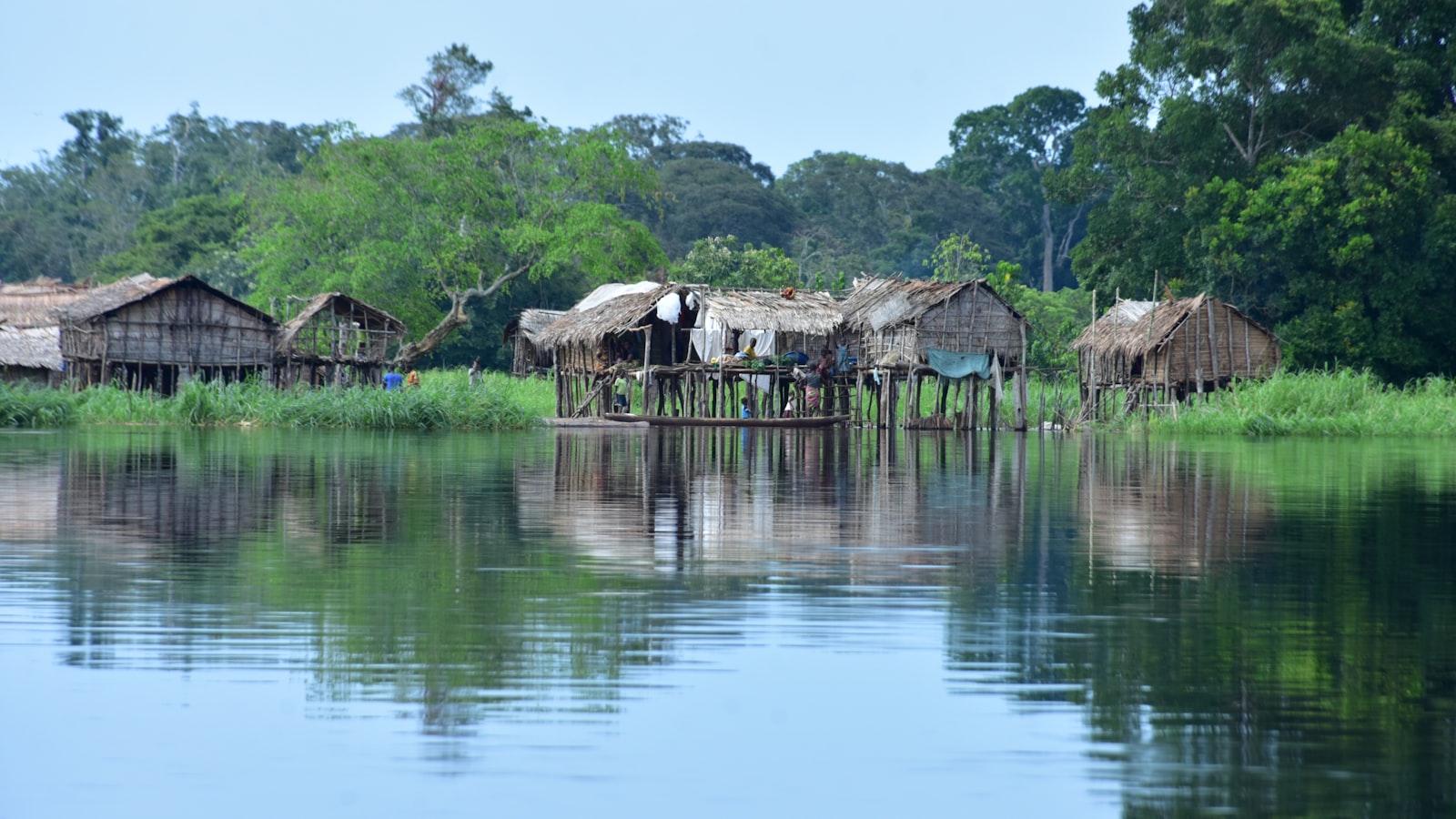
Photo by Toza Productions on Unsplash
Loango may be the headline act, but several other parks reward the effort of reaching them. Lopé National Park, in central Gabon and a UNESCO World Heritage Site, protects a striking savanna-forest mosaic, is famous for super-groups of mandrills numbering in the hundreds, and preserves ancient rock art and archaeological sites that record thousands of years of human presence.
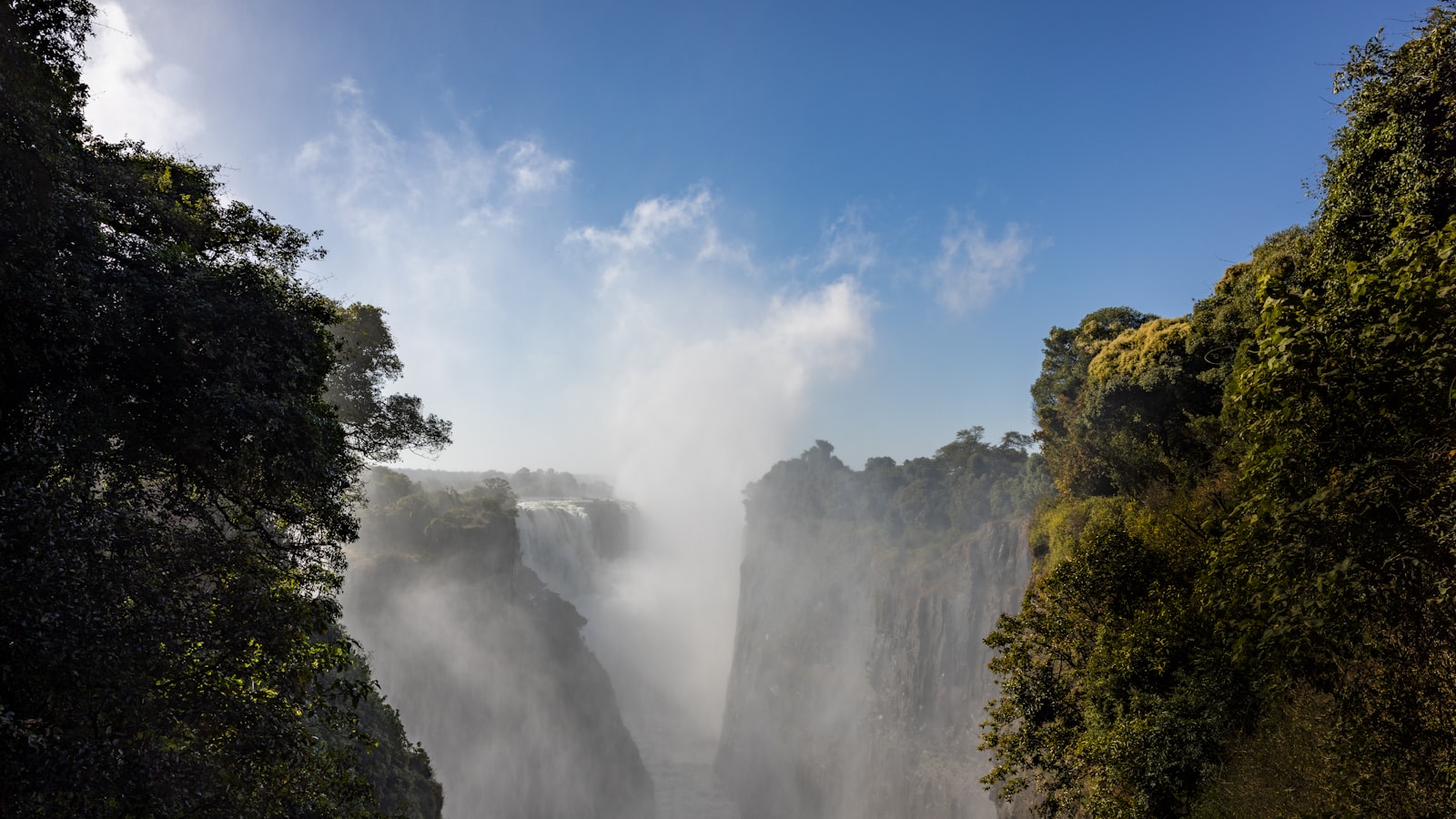
Ivindo National Park, in the north-east, is the place for water and forest clearings. It contains the powerful Kongou Falls and a series of wildlife-rich natural clearings known as "bais", the best known being Langoué Bai, where forest elephants, gorillas, buffalo and sitatunga gather in the open to feed on mineral-rich vegetation, offering some of the country's most reliable big-mammal viewing.
Closer to the capital, Pongara National Park sits across the estuary from Libreville and combines beaches, mangroves and forest. Its accessibility makes it a useful add-on for turtle nesting in season and a taste of Gabon's coast without a long internal flight.
Libreville and getting around
Libreville, the coastal capital, is the main gateway and where almost every itinerary begins. It is a sprawling, humid city on the Atlantic with a French colonial heart, markets, seafood restaurants and a handful of hotels used for arrival and departure nights. Most travellers spend little time here, treating it as a staging point.
From Libreville, reaching the parks usually means a small charter or scheduled light aircraft followed by a road or boat transfer, since the country has few sealed roads and long distances between towns. Loango, for example, is typically reached by flight to Port-Gentil or a regional airstrip and then a boat journey through the lagoons. Because of this complexity and cost, almost all visits are arranged through specialist operators who handle the logistics end to end.
Best time to visit and the practical realities
Gabon's climate is equatorial and humid year-round, but it has a distinct long dry season from roughly June to September, which is generally the most comfortable time to travel and the best window for whales and certain wildlife. There is a shorter dry spell around December to January, with rainier months in between. Wildlife timing, particularly for whales and nesting turtles, varies by exact month, so plan dates around your priorities and confirm with operators.
Be realistic about cost and comfort. Gabon is expensive relative to many African destinations because of charter flights, remote camps and small visitor numbers, and infrastructure outside the camps is limited. In return you get genuine wilderness and very few other tourists.
On entry requirements, Gabon operates an electronic visa system and most visitors will need a visa, so check the official process and your nationality's requirements well ahead. Malaria is present throughout the country, so antimalarial prophylaxis and bite prevention are essential, and a yellow fever vaccination certificate is typically required for entry. Confirm all visa and health details through official sources before you travel.
- Long dry season (around June to September): most comfortable travel
- Whales offshore broadly July to September; confirm timing
- Sea turtle nesting seasonal; check exact months with operators
- Expect travel by small aircraft and boat via specialist operators
- Malaria present; yellow fever certificate typically required
Frequently Asked Questions
- Why is Loango National Park called Africa's Last Eden?
- The nickname comes from the park's extraordinary mix of habitats and the surreal sight of forest elephants, buffalo, hippos and gorillas on wild Atlantic beaches. Conservationist Mike Fay helped popularise the phrase. Few places on Earth concentrate rainforest, savanna, lagoon and ocean wildlife so dramatically against a coastline, which is what gives Loango its reputation.
- Can you see gorillas in Gabon?
- Yes. Gabon offers western lowland gorilla trekking at a small number of habituation sites, including projects in and around Loango. The experience differs from mountain gorilla trekking in Rwanda or Uganda, taking place in denser, wetter lowland forest. Habituation is ongoing, so access and the likelihood of sightings vary; treat any encounter as a privilege rather than a guarantee.
- When is the best time to visit Gabon?
- The long dry season, roughly June to September, is generally the most comfortable time and good for whales offshore. There is a shorter drier spell around December to January. Because seasonal wildlife such as whales and nesting turtles peaks in specific months, plan your dates around your priorities and confirm exact timing with your tour operator before booking.
- How do you get to Gabon and its parks?
- International flights arrive at Libreville International Airport (LBV), the main gateway. From there, reaching the national parks usually involves a small scheduled or charter aircraft followed by a road or boat transfer, as Gabon has few sealed roads. Because the logistics are complex and costly, most visitors travel with specialist operators who arrange everything end to end.
- Do I need a visa and vaccinations for Gabon?
- Most travellers need a visa, and Gabon operates an electronic visa system, so check the official process for your nationality well in advance. A yellow fever vaccination certificate is typically required for entry, and malaria is present throughout the country, so antimalarial medication and bite prevention are strongly advised. Always confirm current visa and health requirements through official sources.
- Is Gabon expensive to visit?
- Yes, relatively. Gabon is one of Africa's more expensive wildlife destinations because of charter flights, remote camps and very low visitor numbers, with limited infrastructure outside the camps. The trade-off is genuine, uncrowded wilderness and wildlife encounters you cannot easily have elsewhere. Budget carefully and book through specialist operators who can give clear, all-inclusive pricing.