Sabi Sands is the private reserve bordering Kruger that is widely rated the world's best place to see leopard. Here is how a safari works, what it costs and when to go.
- Location
- Western boundary of Kruger National Park, Mpumalanga, South Africa
- Famous for
- Leopard sightings and the Big Five
- Best time
- Dry winter, May to September
- Getting there
- Fly to Skukuza (SZK) or KMIA (MQP); or 4.5–5 hrs from Johannesburg
- Malaria
- Low-risk area; seek medical advice
- Style
- All-inclusive, guided, premium lodges
Sabi Sands is a private game reserve on the western edge of South Africa's Kruger National Park, and it is widely regarded as the finest place on earth to see and photograph leopard. There are no fences along its eastern boundary with Kruger, so lion, elephant, leopard, buffalo, rhino and everything else move freely across an enormous shared wilderness.
What sets Sabi Sands apart is not just the density of wildlife but the way you experience it. This is a guided, lodge-only reserve where rangers in open vehicles can drive off-road right up to a sighting and run spotlit night drives, neither of which is permitted in the public national park. Decades of careful, low-impact traversing have produced unusually relaxed leopards that tolerate vehicles at close range.
This guide explains how a Sabi Sands safari actually works, what it costs, when to go and how to get there, so you can plan a trip with realistic expectations and no nasty surprises.
What is Sabi Sands and why is it special?
Sabi Sands (formally the Sabi Sand Game Reserve) is a roughly 65,000-hectare collection of private properties that together form one of Africa's most celebrated wildlife areas. It lies along the western side of Kruger, and because the fence between the two was dropped decades ago, animals roam across both as a single ecosystem. You are, in effect, on greater Kruger land, but managed privately for a small number of guests rather than the public.
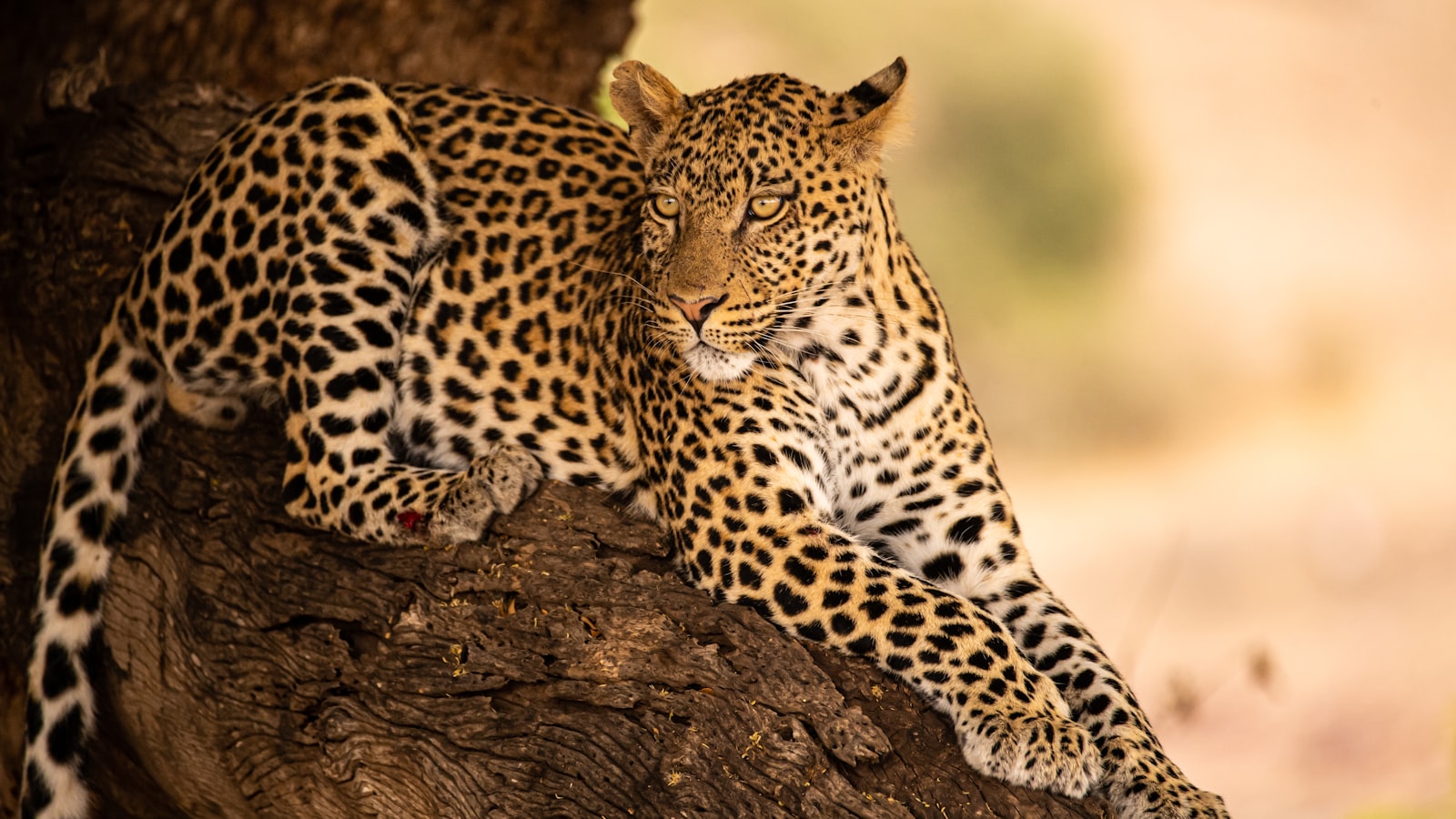
The reserve's reputation rests on its leopards. Generations of these cats have grown up around respectful, well-regulated game-viewing, so where leopards elsewhere vanish at the sound of an engine, Sabi Sands' leopards often carry on hunting, grooming or hauling a kill into a marula tree while a vehicle sits quietly nearby. For photographers and first-time safari-goers alike, the difference is extraordinary.
It is not only about leopard. Lion prides, breeding herds of elephant, buffalo and both white and black rhino are present in good numbers, alongside cheetah, wild dog on occasion, hippo, giraffe, zebra and a rich supporting cast of plains game and birds.
Why is Sabi Sands the best place to see leopard?
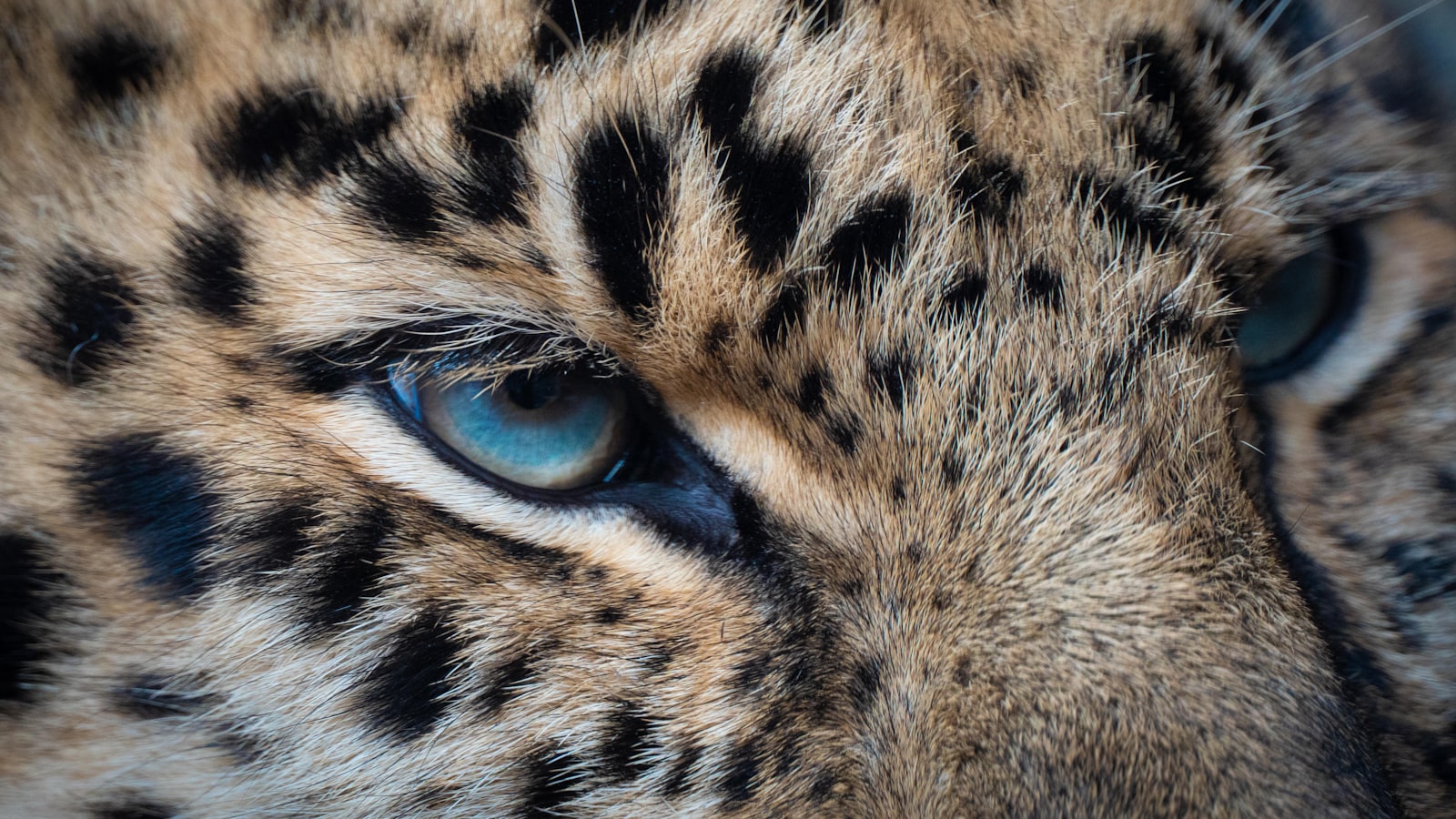
Two things combine to make Sabi Sands the leopard capital. First, the habitat of riverine bush, dry riverbeds and rocky koppies along the Sand and Sabie rivers is ideal leopard country with plenty of cover and prey. Second, and more importantly, is traversing policy: lodges share carefully managed land, limit the number of vehicles at any sighting and keep their distance, so the cats have learned that vehicles are neither threat nor competition.
The result is habituation, not taming. These are wild leopards living wild lives, but they ignore the vehicles enough to let you watch natural behaviour unfold. Rangers and their trackers, who read tracks and alarm calls from the bonnet of the vehicle, are exceptionally skilled at relocating known individuals, many of which are recognised by name and rosette pattern.
No serious safari guarantees a sighting, but a multi-night stay in Sabi Sands gives you one of the highest leopard-encounter probabilities anywhere on the continent.
Sabi Sands versus a self-drive Kruger safari
The public Kruger National Park is superb value and a wonderful self-drive destination, but the experience is fundamentally different. In Kruger you must stay on tarred or gravel roads, you cannot drive at night, and you generally view animals from your own vehicle at whatever distance the road allows. Sabi Sands trades that affordability and independence for access and intimacy.
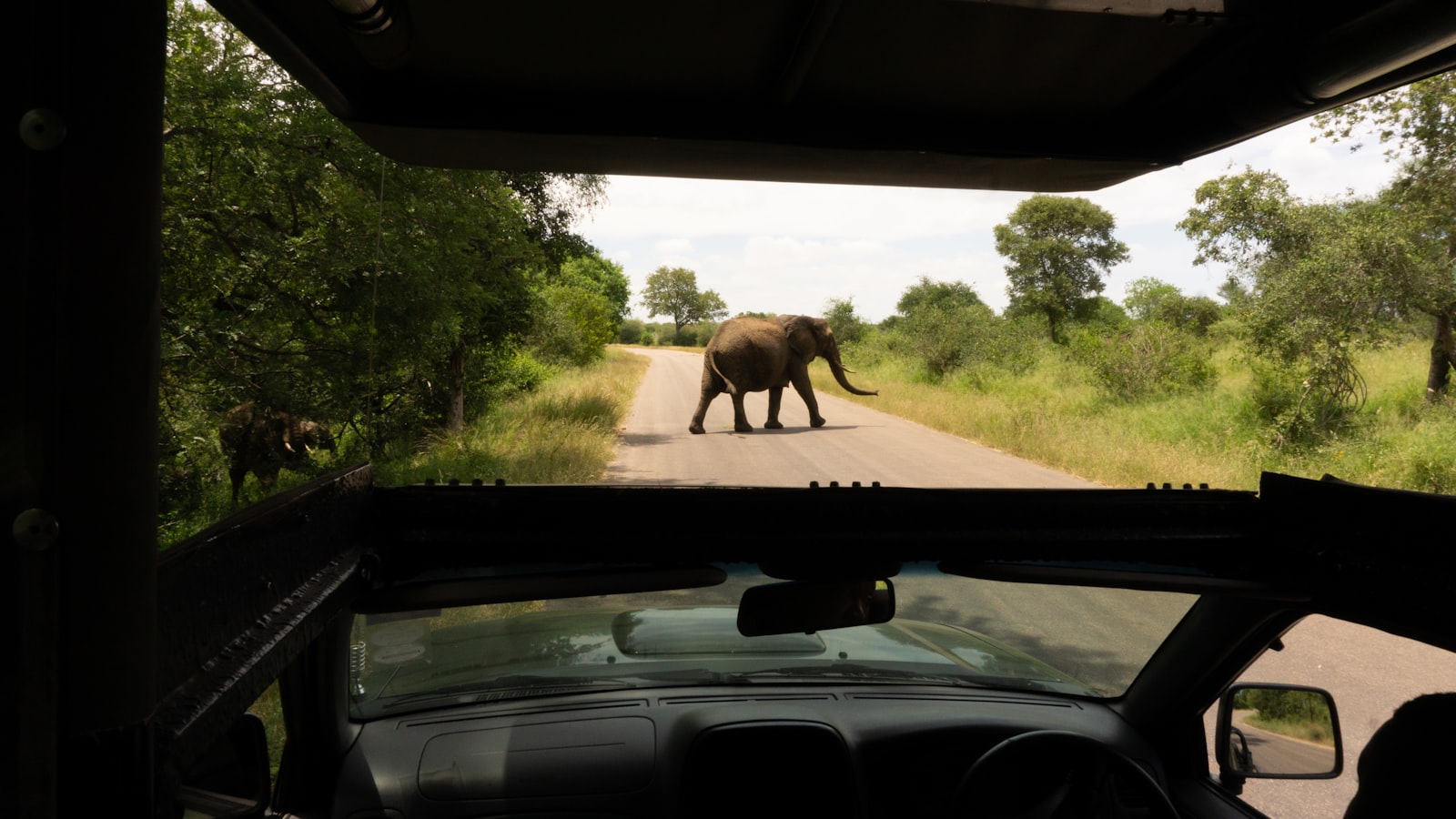
In Sabi Sands everything is guided. A qualified ranger drives an open 4x4, usually with a tracker, and is permitted to leave the road and approach a sighting across the bush, position for the light and stay through changing behaviour. Night drives with a spotlight reveal nocturnal species, leopard included, that self-drivers simply never see.
- Off-road driving right up to sightings (not allowed in public Kruger)
- Spotlit night drives for nocturnal wildlife
- Expert ranger-and-tracker teams in open vehicles
- Limited vehicles per sighting for a quieter experience
- All meals, drives and usually drinks included in the rate
A typical day on safari
Sabi Sands days are built around the cooler hours when animals are most active. You are woken before dawn for coffee, then head out on a morning game drive of three to four hours, pausing somewhere scenic for a hot drink or a snack in the bush. Mornings are prime time for predators still moving after the night.
Back at the lodge there is a generous brunch, then a long, lazy middle of the day to rest, swim, watch the waterhole or enjoy a spa treatment. Many lodges offer an optional guided bush walk with an armed ranger for a closer look at tracks, dung, birds and smaller creatures.
The afternoon drive departs mid to late afternoon, breaks for sundowner drinks at golden hour, then continues after dark with a spotlight before returning for dinner. Two drives a day, superb light morning and evening, and patient guiding make Sabi Sands a dream for photographers of every level.
The lodges: from accessible to ultra-luxury
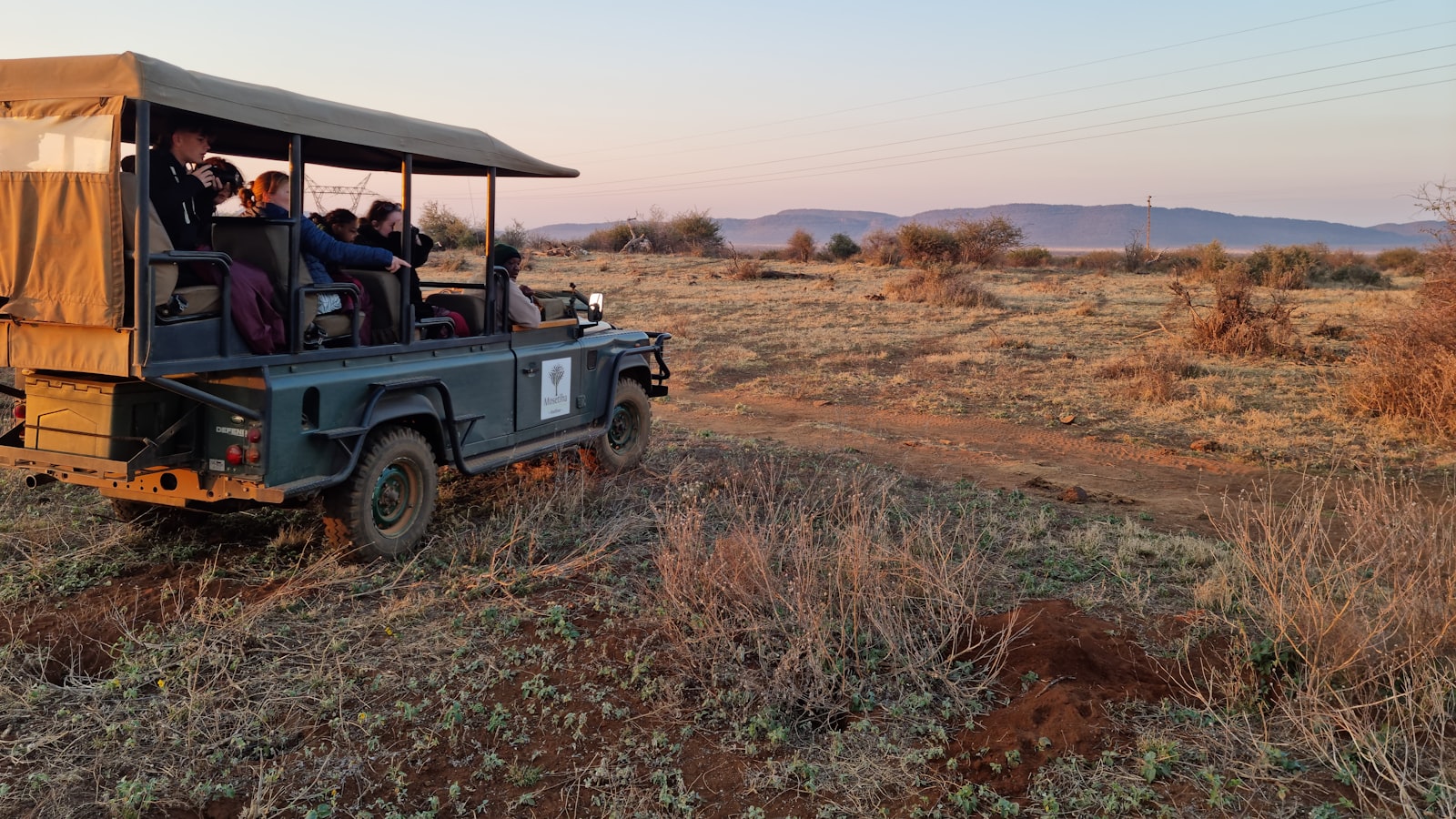
Photo by Claire Roadley on Unsplash
Sabi Sands contains some of the most famous safari lodges in Africa, spread across several private concessions. Rather than promising specifics that change, it helps to think in tiers. At the more accessible end are smaller owner-run camps and classic safari lodges that still deliver the full guided, all-inclusive experience at comparatively gentler rates.
In the middle sit polished, design-led lodges with private plunge pools, excellent food and wine, and a high staff-to-guest ratio. At the top are the flagship, ultra-luxurious properties with vast private suites, dedicated butlers, wine cellars and standout architecture, which rank among the most exclusive safari addresses anywhere.
Across every tier the core product is consistent: shared traversing rights, skilled guiding and a strong chance of leopard. Choose your tier on budget, the level of pampering you want and whether you prefer an intimate camp or a larger lodge.
What does a Sabi Sands safari cost?
Sabi Sands is firmly premium. All-inclusive rates, covering accommodation, all meals, two daily game drives and usually local drinks, commonly run from several hundred US dollars per person per night at the more affordable lodges to well over a thousand, and several thousand, at the flagship properties. Rates rise in peak dry season and over festive periods, and many lodges quote in South African rand, so the dollar figure shifts with the exchange rate.
Always confirm current rates directly, and check what is included. Some items, such as premium imported wines, spa treatments, private vehicles and conservation or community levies, may be charged on top. Because much is bundled, the headline nightly figure is closer to a true all-in cost than it first appears.
If the leading lodges are beyond budget, you can still capture much of the magic by combining a couple of nights in a more accessible Sabi Sands camp with time in the public Kruger or a neighbouring reserve.
Best time to visit and getting there
The dry winter from May to September is the easiest time for game viewing: vegetation thins, animals concentrate around water and the leopard-spotting is at its best, with mild, sunny days and cold early mornings on the open vehicle, so pack layers. The green summer from roughly October to April is lush and dramatic, excellent for birds and newborn animals, but the thicker bush and afternoon storms can make sightings harder.
Getting there is straightforward. The quickest option is to fly into Skukuza Airport (SZK) inside Kruger or Kruger Mpumalanga International (KMIA, code MQP) near Nelspruit, both served by flights from Johannesburg and Cape Town, then take a short road or air transfer arranged by your lodge. Alternatively you can self-drive from Johannesburg in roughly four and a half to five hours.
Sabi Sands is a low-risk malaria area. The risk is real but modest, especially in the dry winter; seek personal medical advice on prophylaxis before you travel, and use repellent and cover up at dusk regardless.
How to combine Sabi Sands with the rest of South Africa
Sabi Sands pairs beautifully with the rest of the country. The classic itinerary is bush and beach or bush and city: three or four nights on safari followed by Cape Town for the mountain, the winelands and the coast, an easy two-hour flight away via Johannesburg.
Closer to the reserve, the scenic Panorama Route, with the Blyde River Canyon, God's Window and a string of waterfalls, makes a spectacular drive on the way in or out and adds a completely different landscape to your trip. Three to four nights in Sabi Sands is the sweet spot, enough to bank multiple leopard sightings and the full Big Five without it feeling rushed.
Frequently Asked Questions
- Are you guaranteed to see leopard in Sabi Sands?
- No ethical safari guarantees a sighting, because these are wild animals. That said, Sabi Sands offers one of the highest leopard-encounter rates on earth thanks to its habituated cats and skilled trackers. Over a typical three- to four-night stay, most guests see leopard more than once, often alongside the rest of the Big Five.
- How is Sabi Sands different from Kruger National Park?
- Sabi Sands is a private reserve sharing an unfenced border with Kruger, so wildlife moves freely between them. Unlike the self-drive public park, Sabi Sands is guided and lodge-only, with open vehicles that drive off-road to sightings and run night drives. It is more exclusive and far pricier, but more intimate.
- How much does a Sabi Sands safari cost?
- It is a premium destination. All-inclusive rates commonly start from several hundred US dollars per person per night at more accessible lodges and climb to well over a thousand, even several thousand, at flagship properties. Prices peak in dry season and festive periods. Always confirm current rates and exactly what each lodge includes.
- When is the best time to visit Sabi Sands?
- The dry winter from May to September gives the easiest game viewing, with thin bush, animals gathered around water and superb leopard sightings, though mornings are cold. Green summer, October to April, is lush and great for birds and young animals, but thicker vegetation and storms can make wildlife harder to spot.
- Is Sabi Sands a malaria area?
- Sabi Sands sits in a low-risk malaria zone. The risk is modest, particularly in the dry winter months, but it is not zero. Seek personal medical advice on antimalarial prophylaxis before travelling, and protect yourself with repellent, long sleeves and trousers at dusk and after dark regardless of the season.
- How do you get to Sabi Sands?
- Most visitors fly from Johannesburg or Cape Town to Skukuza Airport (SZK) inside Kruger or Kruger Mpumalanga International (KMIA/MQP) near Nelspruit, then take a short transfer arranged by their lodge. Alternatively you can self-drive from Johannesburg in around four and a half to five hours. Your lodge will advise on the best routing.
- How many nights should I spend in Sabi Sands?
- Three to four nights is the sweet spot. That gives you six to eight game drives, which is usually enough to see leopard more than once and complete the Big Five, while leaving time to relax at the lodge. It also pairs neatly with Cape Town, the Panorama Route or a longer southern Africa itinerary.