

A practical 2026 guide to the Ghana visa: who needs one, the embassy and e-visa routes, mandatory yellow fever rules, requirements and how to apply step by step.
- Who needs a visa
- Most non-African nationals; AU passport holders now visa-free
- Main routes
- Embassy sticker visa; emerging e-visa; limited visa on arrival
- Mandatory health rule
- Valid yellow fever vaccination certificate, checked on arrival
- Passport validity
- At least 6 months with blank pages
- Main entry point
- Kotoka International Airport (ACC), Accra
- Processing time
- Apply well ahead: one to several weeks
Sorting out your Ghana visa is the first practical step towards exploring one of West Africa's warmest and most welcoming destinations, from the historic forts of Cape Coast to the bustle of Accra. The rules, however, are in flux: Ghana is modernising its system, and what applied a year ago may not apply today.
Most non-African visitors still need a visa to enter Ghana, traditionally obtained in advance from a Ghanaian embassy or high commission. Electronic options and limited visa-on-arrival arrangements have been rolled out, while African Union passport holders now benefit from a visa-free policy introduced in 2025.
This guide explains the routes, requirements and the strict yellow fever rule, and shows you how to apply. Because the system is reforming and rules differ by nationality, always confirm the current process with the Ghana Immigration Service (GIS) or your nearest Ghanaian mission before you book.
Do I need a visa for Ghana?
For most travellers from outside Africa the answer is yes. Citizens of the United Kingdom, the European Union, the United States, Canada, Australia and most of Asia require a visa to enter Ghana for tourism, and the long-standing route has been to apply in advance through a Ghanaian embassy or high commission.
The picture has changed for African travellers. In 2025 Ghana announced visa-free entry for all African Union nationals, meaning many African passport holders no longer need a visa at all. Members of the Economic Community of West African States (ECOWAS) already enjoyed visa-free movement.
Because nationality determines everything here, and because the policy is still settling into practice, do not rely on hearsay. Run your passport through the destinations.africa Visa Checker and confirm with the GIS or the nearest Ghanaian mission before making firm plans.
Visa types and application routes

Photo by Andrew Molo on Unsplash
Ghana offers single-entry and multiple-entry tourist visas. A single-entry visa suits a one-off trip; a multiple-entry visa is useful if you plan to leave and re-enter, for example on a regional itinerary through neighbouring countries. Validity and permitted length of stay vary, so check the conditions printed on your visa.
There are three routes you may encounter, and which one is open to you depends on your nationality and current GIS policy:
- Embassy or high commission visa: the traditional sticker visa placed in your passport, applied for in advance at the Ghanaian mission serving your country.
- Electronic visa: Ghana has rolled out online application options. Availability and the exact process change, so verify on official GIS channels rather than assuming an e-visa is open to you.
- Visa on arrival: offered at times for certain travellers, often pre-approved or in specific categories rather than as a general walk-up service. Never treat it as a default; arrange your visa before travelling unless GIS explicitly confirms eligibility.
The mandatory yellow fever rule
This is the one requirement no traveller should overlook. Ghana requires every visitor to hold a valid yellow fever vaccination certificate, and it is checked on arrival. Without it you can be denied entry, vaccinated on the spot in poor conditions, or quarantined.
The yellow fever vaccine must be administered at an approved centre, which issues the international certificate of vaccination (the yellow card). The certificate becomes valid 10 days after vaccination and now counts as valid for life, but get vaccinated in good time before you fly.
Carry the original certificate with your passport rather than leaving it in your luggage. Many missions also ask to see it as part of the visa application, so arrange your vaccination early in the planning process and keep a photograph as backup.
Ghana visa requirements
Exact requirements vary by nationality and by the mission processing your application, but most applicants should expect to provide the following. Confirm the precise checklist with the GIS or your nearest Ghanaian embassy or high commission before you apply.
- A passport valid for at least six months beyond your intended stay, with at least two blank pages.
- A completed visa application form (paper or online, depending on the route).
- Recent passport-sized photographs meeting the mission's specifications.
- A valid yellow fever vaccination certificate.
- Proof of accommodation, or an invitation letter and details from a host in Ghana.
- A confirmed return or onward air ticket.
- Proof of sufficient funds for your stay, such as recent bank statements.
- The visa fee, which differs by nationality and between single- and multiple-entry visas.
How to apply, step by step
The exact sequence depends on whether you apply at a mission or online, but the overall flow is consistent. Start early, as embassy processing can take anywhere from one to several weeks.
- Confirm whether you need a visa using the destinations.africa Visa Checker and the GIS or nearest Ghanaian mission.
- Identify the correct route for your nationality: embassy, e-visa or, where explicitly offered, visa on arrival.
- Get your yellow fever vaccination and secure the international certificate.
- Gather your documents: passport, photographs, proof of accommodation, return ticket and proof of funds.
- Complete the application form accurately, choosing single or multiple entry.
- Pay the visa fee through the official channel and keep your receipt or reference number.
- Submit your application and, if required, attend the mission or biometric appointment.
- Track progress and collect your passport, then check the visa details for errors before you travel.
Fees, processing times and practicalities
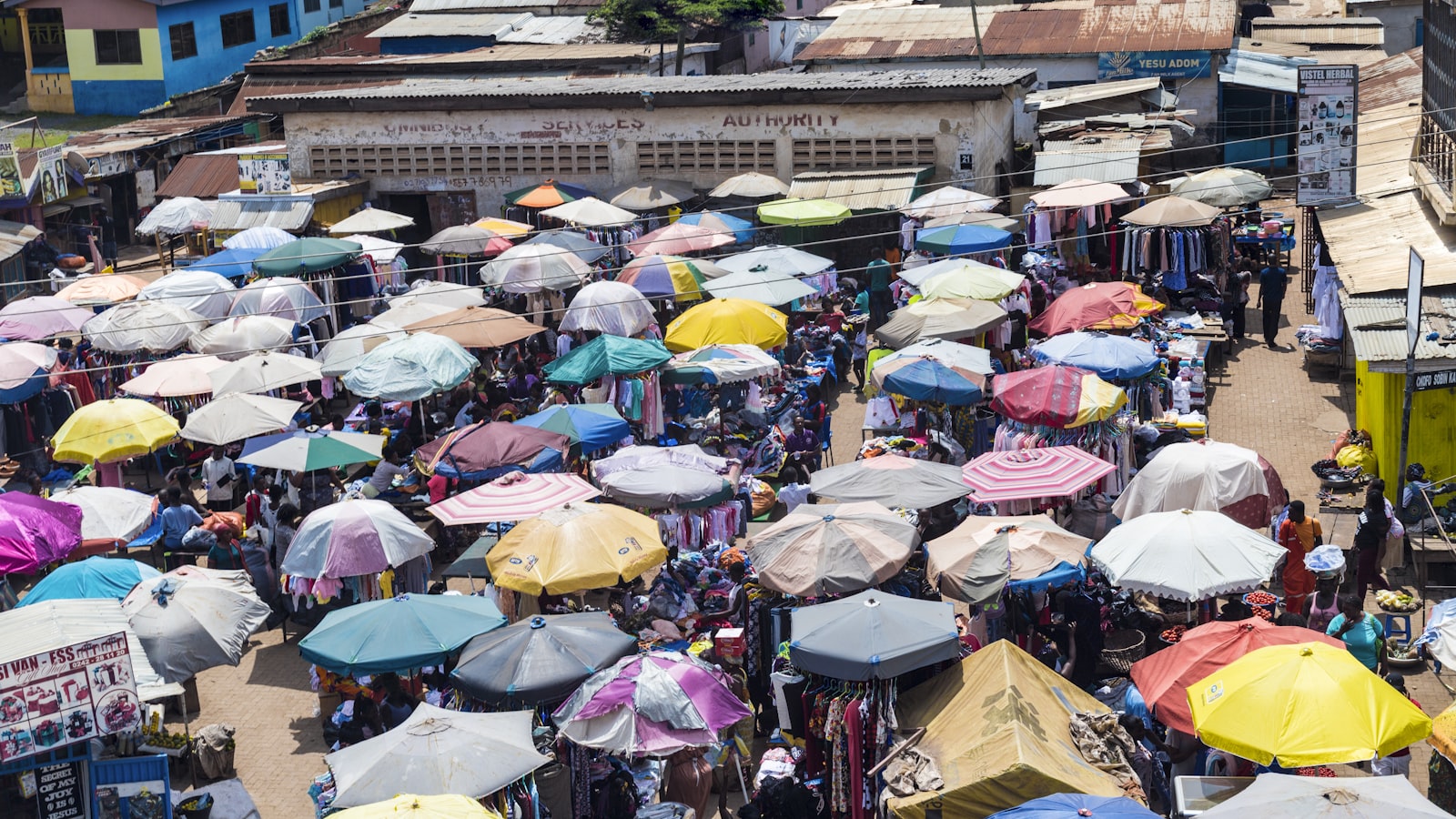
Photo by pius quainoo on Unsplash
Ghana visa fees vary by nationality, by visa type and by whether you choose single or multiple entry, and they are revised periodically. For that reason we do not quote figures here: always confirm the current fee on the official GIS website or directly with the mission handling your application, and budget for any service or biometric charges.
Processing typically takes from a few days to several weeks depending on the mission and time of year, so apply well ahead, particularly around peak travel periods and major events. Most visitors arrive through Kotoka International Airport (ACC) in Accra, where immigration and yellow fever checks take place.
Be careful where you apply. A number of unofficial websites advertise Ghana visa services and charge inflated fees, sometimes for forms that are free. Use only the Ghana Immigration Service or an official Ghanaian embassy or high commission, and treat any third-party site promising guaranteed approval with suspicion.
On arrival and staying within the rules
At Kotoka International Airport you will present your passport, visa and yellow fever certificate to immigration. Have your accommodation details and return ticket to hand in case you are asked. Officers may confirm the purpose and length of your visit before stamping you in.
Note the length of stay granted, which may be shorter than your visa's validity, and do not overstay, as penalties apply. If you wish to remain longer, enquire about an extension through the GIS before your permitted stay expires.
Finally, keep digital and paper copies of your key documents, and re-check all rules close to departure. Ghana's entry system is actively reforming, so a final confirmation with the GIS or your nearest mission is the single best way to avoid surprises at the airport.
Frequently Asked Questions
- Do I need a visa to visit Ghana?
- Most non-African visitors do, and the usual route is to apply in advance at a Ghanaian embassy or high commission. African Union passport holders benefit from a visa-free policy introduced in 2025, and ECOWAS citizens already had visa-free access. Because rules differ by nationality, confirm with the Ghana Immigration Service before booking.
- Is there a Ghana visa on arrival?
- Visa on arrival has been offered at times for certain travellers, often pre-approved or within specific categories rather than as a general walk-up service. Do not rely on it as a default. Arrange your visa in advance through an embassy or the e-visa route unless the GIS explicitly confirms you qualify for arrival processing.
- Can I apply for a Ghana e-visa online?
- Ghana has rolled out electronic and online application options as part of modernising its system. Availability and the exact steps change and depend on your nationality, so check the official Ghana Immigration Service channels rather than assuming an e-visa is open to you. Avoid unofficial sites that charge inflated fees.
- Is a yellow fever certificate required for Ghana?
- Yes. A valid yellow fever vaccination certificate is mandatory and is checked on arrival. The vaccine must be given at an approved centre, becomes valid 10 days afterwards and now counts as valid for life. Carry the original certificate with your passport, as missing it can lead to refused entry or quarantine.
- How long does a Ghana visa take to process?
- Processing typically ranges from a few days to several weeks, depending on the mission and the season. Apply well ahead of travel, especially around peak periods and major events. Submitting a complete, accurate application with all supporting documents helps avoid delays or requests for further information.
- How much does a Ghana visa cost?
- Fees vary by nationality, visa type and whether you choose single or multiple entry, and they are revised periodically. We do not quote figures here to avoid misleading you. Confirm the current fee on the official Ghana Immigration Service website or with the mission handling your application, and budget for any service charges.
- What is the difference between single and multiple-entry visas?
- A single-entry visa allows one entry into Ghana and suits a one-off trip. A multiple-entry visa lets you leave and re-enter during its validity, which is useful for regional itineraries through neighbouring West African countries. Check the validity and permitted length of stay printed on your visa, as these vary.