
Lesotho
The Kingdom in the Sky, the only country on earth entirely above 1,000 metres. Africa's only ski resort at 3,222m, a 192-metre waterfall hosting the world's longest commercial abseil, the legendary Sani Pass, UNESCO wilderness at Sehlabathebe, and a Basotho culture in continuous practice, pony trekking, blankets, and the Mokorotlo hat that appears on the national flag.
Photo by Daniel Sessler on Unsplash
About Lesotho
Lesotho is the only independent sovereign state on earth where every square metre of territory sits above 1,000 metres above sea level. The lowest point, on the banks of the Caledon River at the South African border, is higher than the highest point in most of its neighbours. It is an entire nation built on the roof of southern Africa, entirely encircled by South Africa, and entirely unlike anything a traveller accustomed to the standard southern African itinerary has encountered before. The altitude is not incidental, it is the organising principle of everything: the climate (cold winters with genuine snow, violent summer thunderstorms), the architecture (stone rondavels and cave houses built for insulation), the culture (Basotho blankets and balaclavas worn as genuine necessity), and the transport (where roads exist they are steep and switchback-laden; where they don't, the Basotho pony is the only viable option).
The Kingdom in the Sky earns its nickname through sheer, uncompromising geography. The Maluti and Drakensberg mountain ranges cover the country's centre and east in a landscape of basalt peaks, deep river gorges, and high alpine plateaux. The Sani Pass, 8 kilometres of severe switchbacks ascending to 2,865 metres, connects to KwaZulu-Natal on a road of such severity that border authorities mandate 4WD vehicles. The Maletsunyane Falls drop 192 metres into a basalt gorge and host the Guinness World Record-holding 204-metre commercial abseil. Afriski Mountain Resort operates as Africa's only functional ski resort at 3,222 metres. Sehlabathebe National Park, part of the UNESCO Maloti-Drakensberg Transfrontier Park, preserves 65+ San rock art sites and an endemic water lily found nowhere else. Katse Dam, Africa's second-largest arch dam, anchors the world's largest sub-Saharan infrastructure project.
What distinguishes Lesotho beyond its dramatic credentials is the visibility and continuity of Basotho culture. Thaba-Bosiu, the flat-topped sandstone mesa where King Moshoeshoe I founded the nation in the 1820s and successfully defended it against Zulu, Ndebele, Boer, and British attacks, remains the royal burial ground and spiritual anchor of modern Lesotho. The traditional Mokorotlo hat (modelled on the basalt pinnacle of Mount Qiloane) appears on the national flag. Ha Kome's mud-and-thatch homes built into massive sandstone overhangs have been continuously inhabited for centuries. Malealea's pony trekking economy operates as a genuine community-tourism partnership rather than a staged experience. The Morija Arts Festival in September/October draws thousands of Basotho from across the country in a celebration that is not engineered for international visitors. This is not a luxury destination, the infrastructure is thin, the weather is extreme, and the rewards come to those who arrive prepared, drive carefully, and approach the Basotho with the humility and warmth their culture demands.
Explore Lesotho
In-depth guides to the destinations that define a trip to Lesotho.
The World's Longest Single-Drop Abseil
Maletsunyane Falls & Semonkong
A 192-metre uninterrupted plunge into a basalt gorge in central Lesotho, the tallest single-drop waterfall in southern Africa, and host to t…
Shield of the Plateau
Sehlabathebe National Park
Lesotho's oldest park and part of the UNESCO Maloti-Drakensberg Transfrontier site. Sandstone monoliths, natural rock arches, 65+ San rock a…
The Mountain That Founded a Nation
Thaba-Bosiu
The flat-topped sandstone mesa where King Moshoeshoe I founded the Basotho nation in the 1820s and successfully defended it against Zulu, Nd…
Skiing in Africa at 3,222 Metres
Afriski Mountain Resort
Africa's only fully functional ski resort, in the Maluti Mountains of northern Lesotho. Genuine slopes from late June to August, mountain bi…
Africa's Second-Largest Arch Dam
Katse Dam
A 185-metre double-curvature arch dam at the heart of the Lesotho Highlands Water Project, holding back 1.95 billion cubic metres in a flood…
The Legendary 4x4 Mountain Corridor
Sani Pass
The most famous 4x4 mountain pass in southern Africa, 8 kilometres of severe switchbacks ascending from KwaZulu-Natal to 2,865 metres on the…
Lesotho's Indigenous Forest
Ts'ehlanyane National Park
A rare patch of indigenous Afromontane forest preserved in a sheltered valley of the front-range Maluti Mountains. Multi-day treks to Afrisk…
The Pony Trekking Capital
Malealea Valley
Lesotho's premier hub for community-based tourism and Basotho pony trekking. Multi-day treks reach hidden waterfalls, San rock art galleries…
Cultural Heart and Cave Houses
Morija & Ha Kome
Lesotho's cultural and intellectual capital, site of the country's oldest standing building (1833), 200-million-year-old dinosaur footprints…
The Capital and the Great Highland Drive
Maseru & the Highlands Circular Route
Lesotho's capital city and primary entry point, plus the spectacular Highlands Circular Route, some of the highest surfaced roads in souther…
Top Highlights
When to Visit Lesotho
Summer: Green and Wild
November, March
The rains arrive from November and transform the highlands into vivid green. Maletsunyane Falls runs at maximum volume; the Sehlabathebe water lilies bloom (December–February); wildflowers cover the mountain passes. The serious hazard is lightning, Lesotho's highland terrain acts as a natural lightning rod. The operating rule for all highland hiking is strict: up by noon, down by 2pm. Do not be on exposed ridges or summits in the afternoon during this season.
Winter: Snow and Skiing
June, August
The Lesotho highlands receive genuine snowfall from June through August. Afriski Mountain Resort operates its ski season; the Sani Pass can carry snow and ice; the Bokong Falls sometimes freeze into a solid column of ice. Temperatures at altitude drop to -10°C overnight in the central highlands, requiring serious warm clothing. The compensation is extraordinary clear, dry skies with visibility extending hundreds of kilometres across the mountain ranges.
Shoulder: The Sweet Spot
April, May / September, October
Both transition periods offer excellent conditions, warming temperatures in spring, cooling but still comfortable autumn, generally settled weather, and very few visitors. The Morija Arts and Cultural Festival (September/October) is the most compelling date-specific draw. Optimal for first-time visitors and any pony trekking or multi-day hiking itinerary.
Getting to Lesotho
Most travellers arrive by road from South Africa. Moshoeshoe I International Airport (MSU) near Maseru receives limited regional flights from Johannesburg. Self-drive from Bloemfontein or the Drakensberg area is the most common approach. A 4x4 is essential for Sani Pass and strongly recommended for anything off the main tarred routes through the central highlands.
Main Airports
- Moshoeshoe I International Airport (MSU), Maseru
Visa Information
Most nationalities (including EU, US, UK, and Commonwealth countries) do not require a visa for stays up to 90 days. Passports should have at least 6 months' validity and two blank pages.
From Neighbouring Countries
Lesotho shares 909 kilometres of border with South Africa and has 14 border posts. The busiest is Maseru Bridge from the Free State. The Sani Pass border, the only crossing from KwaZulu-Natal, is 4x4-only and a trip in itself. Plan your entry and exit points to make the most of the landscape.
Travel Tips for Lesotho
Explore More, Lesotho
More in Southern Africa
South Africa
Capital: Pretoria
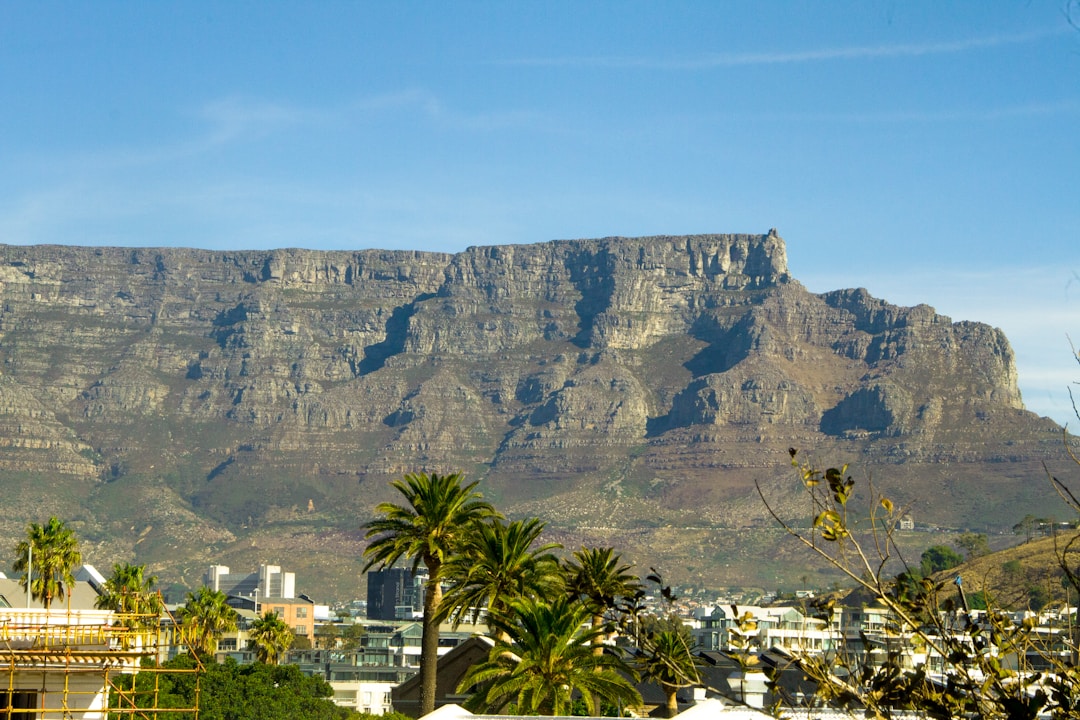
A world in one country, Big Five safari that sets the global benchmark, Cape Town as one of the world's great cities, the Cape Winelands matching the world's best, the Garden Route, the Drakensberg, and the historical depth of the Apartheid Museum and Robben Island. No other African country assembles this range.
Zambia
Capital: Lusaka
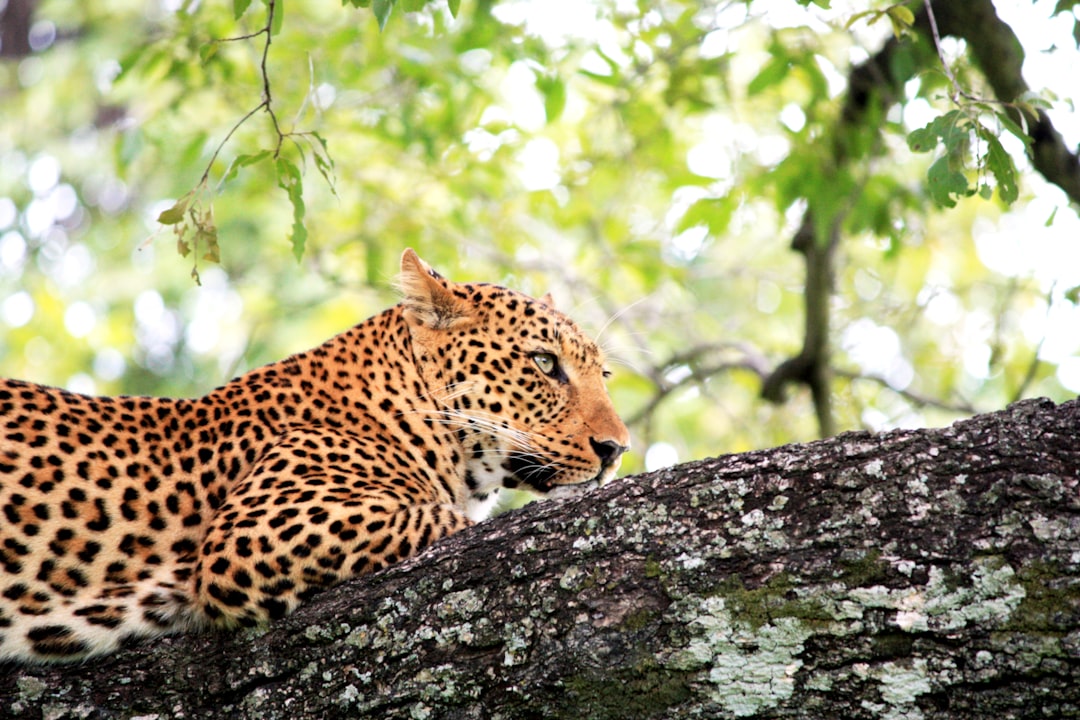
Home to the mighty Victoria Falls and some of Africa's finest walking safaris. Zambia is raw, authentic, and uncrowded, a destination for travellers who want to experience the real Africa.
Zimbabwe
Capital: Harare
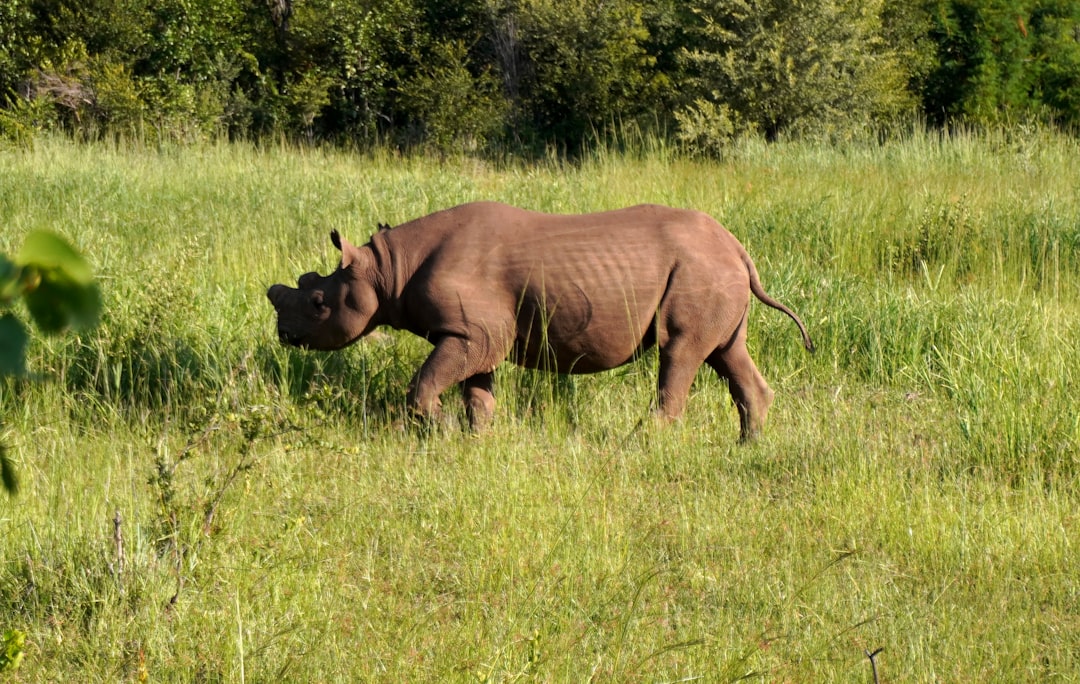
From the Zimbabwe side of Victoria Falls to the ancient ruins of Great Zimbabwe, this is a country of extraordinary natural beauty and deep cultural heritage. Hwange and Mana Pools deliver world-class safari experiences.
Botswana
Capital: Gaborone
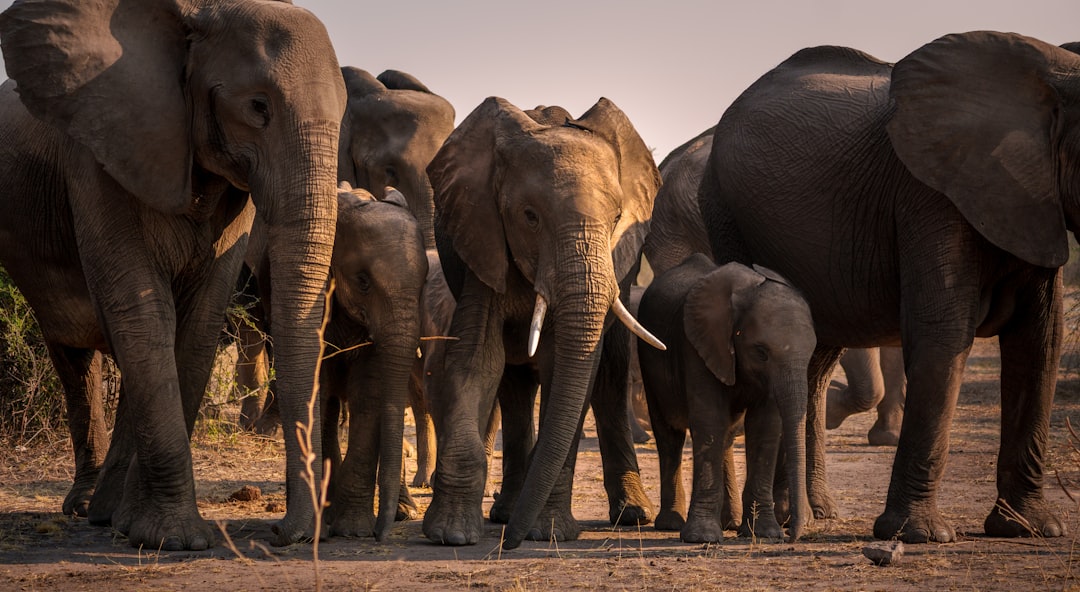
The jewel of Southern African safari. The Okavango Delta, Chobe National Park, and the Makgadikgadi Salt Pans make Botswana one of the most sought-after wildlife destinations on Earth.
Namibia
Capital: Windhoek
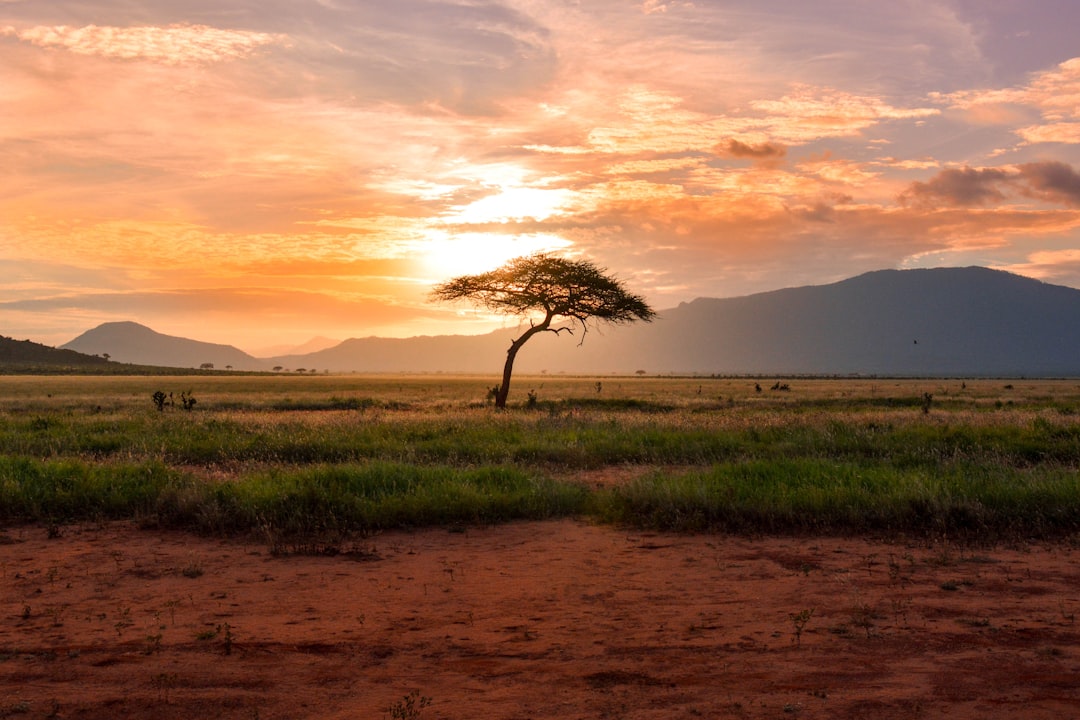
A photographer's paradise of towering red dunes, shipwreck coastlines, and vast desert landscapes. Namibia is one of Africa's most visually striking countries, with excellent self-drive routes and unique desert-adapted wildlife.
Mozambique
Capital: Maputo
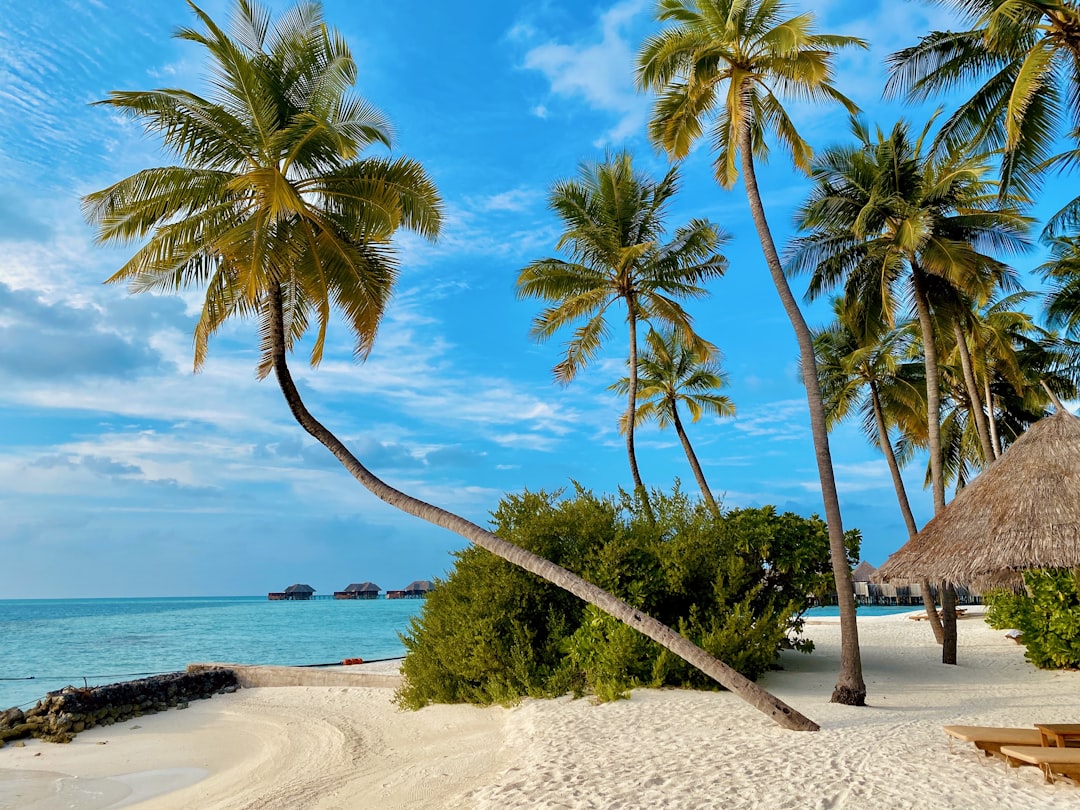
Africa's Indian Ocean paradise, 2,500 kilometres of coast, the Bazaruto Archipelago's last viable dugong population, year-round whale sharks at Tofo, Africa's greatest rewilding story at Gorongosa, and the UNESCO heritage of Ilha de Moçambique. Note: Cabo Delgado Province (including the Quirimbas) is currently subject to Level 4 "Do Not Travel" advisories.